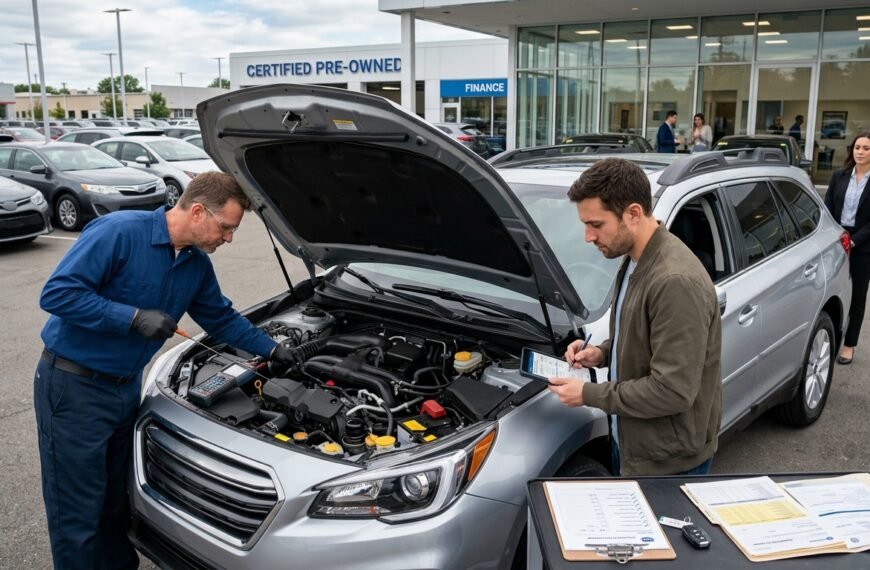
ISLAMABAD — The federal government has paused the rollout of its proposed Auto Policy 2026–31, bowing to resistance from traditional automobile manufacturers who raised strong concerns over aggressive electric vehicle (EV) targets and market distortion.
The decision to scrap the initial draft resets the legislative process, leaving Pakistan’s automotive sector in a temporary state of regulatory uncertainty.
Key Drivers of the EV Push
Originally drafted by the Ministry of Industries and Production, the framework was designed to aggressively steer the nation toward electric mobility.
┌────────────────────────────────────────────────────────────────────────┐
│                        Strategic EV Policy Drivers                     │
├────────────────────────────────────────────────────────────────────────┤
│ • Energy Security : Mitigate vulnerability to Middle East oil shocks   │
│ • Import Reduction: Cut down on Pakistan's ~80% petroleum import dependency │
│ • Green Shift     : Transition fleet toward zero-emission transport    │
└────────────────────────────────────────────────────────────────────────┘
The strategy gained significant momentum in the wake of recent Middle East instability, which underscored the risks of Pakistan’s heavy dependence on foreign fuel. With roughly 80% of domestic petroleum products imported, global price volatility poses a recurring threat to the country’s macroeconomic stability.
Traditional Automakers Appeal to Prime Minister
Conventional auto manufacturers argued that the Ministry’s draft gave an unfair advantage to electric vehicles while leaving existing local assembly infrastructure with an unviable path forward.
Following direct representations from industry executives, Prime Minister Shehbaz Sharif intervened, halting the proposed framework. The Prime Minister tasked Deputy Prime Minister Ishaq Dar with leading a newly appointed committee to overhaul the draft and produce a balanced alternative.
Fiscal & Market Impact
The ongoing policy delay has already created immediate fiscal turbulence for consumers and original equipment manufacturers (OEMs):
- Expirations: The previous Auto Industry Development and Export Policy (AIDEP 2021–26) officially expired on June 30, 2026.
- Tax Spikes: The expiration automatically eliminated preferential tax rates for alternative fuel vehicles, causing the General Sales Tax (GST) on hybrid and plug-in hybrid cars to surge from 8.5% to 25% on July 1.
- Price Hikes: Major assemblers, including Toyota and Honda, passed the burden onto consumers, raising prices on select hybrid models by over Rs1.3 million.
- Delivery Pauses: Several vehicle assemblers temporarily halted invoicing and shipments while waiting for tax clarity from the federal government.
Local Industry Demands a Gradual Transition
The Pakistan Association of Automotive Parts & Accessories Manufacturers (PAAPAM) expressed disappointment over regulatory delays but reaffirmed its broader commitment to electrification—provided the transition is structured realistically.
       Gradual Phase-In          Infrastructure First         Protections & Tech Transfer
  ┌─────────────────────────┐  ┌───────────────────────┐  ┌─────────────────────────────────┐
  │ Keep Hybrid GST at 18%  │  │ Build out charging    │  │ Link EV incentives to local     │
  │ while charging grids    │  │ stations and grid     │  │ battery, motor, and electronics │
  │ & supply chains scale.  │  │ capacity nationwide.  │  │ manufacturing targets.          │
  └─────────────────────────┘  └───────────────────────┘  └─────────────────────────────────┘
PAAPAM warned that permitting generous tax concessions for imported EV kits without localization mandates could dismantle the domestic vendor ecosystem, endanger thousands of skilled jobs, and undermine billions in existing capital investments.
The upcoming revised framework will need to navigate a delicate balance: satisfying the state’s urgent need for foreign exchange savings through clean energy while preserving the local manufacturing base.


 By
By