
Lt Gen Inam Haider Malik has assured the government of continued support and cooperation in Azad Jammu and Kashmir (AJK), Gilgit-Baltistan (GB), and Khyber Pakhtunkhwa (KP), highlighting the importance of coordinated efforts for peace, stability, governance and development.
The assurance comes at a time when the three regions remain strategically and economically important for Pakistan. From the mountainous terrain of northern KP and Gilgit-Baltistan to the sensitive areas of Azad Kashmir, effective coordination between civilian institutions and relevant authorities remains essential for maintaining stability and promoting the welfare of local communities.
Focus on Stability and Development
The regions of AJK, Gilgit-Baltistan and KP have unique geographical, social and economic characteristics. Their mountainous landscapes, border locations and diverse communities create both opportunities and challenges for government institutions.
Support for civilian administrations can help strengthen the implementation of development programmes and improve the delivery of public services. Cooperation between institutions is particularly important in areas where difficult terrain and limited infrastructure can make governance more challenging.
The assurance by Lt Gen Inam Haider Malik reflects the importance of institutional coordination in addressing these challenges. Continued cooperation can help authorities respond more effectively to issues related to infrastructure, education, healthcare, employment and public welfare.
Importance of Khyber Pakhtunkhwa
Khyber Pakhtunkhwa has a significant role in Pakistan’s security and economic landscape. The province is home to major transportation routes, natural resources and important tourism destinations.
At the same time, some parts of KP have faced security and development challenges over the years. Maintaining peace is therefore closely connected with economic progress.
A stable environment can encourage investment, tourism and business activity while allowing government institutions to focus more effectively on public services.
Coordination between the federal and provincial governments can also help accelerate development projects and ensure that resources are directed toward communities that need them most.
Gilgit-Baltistan’s Strategic Importance
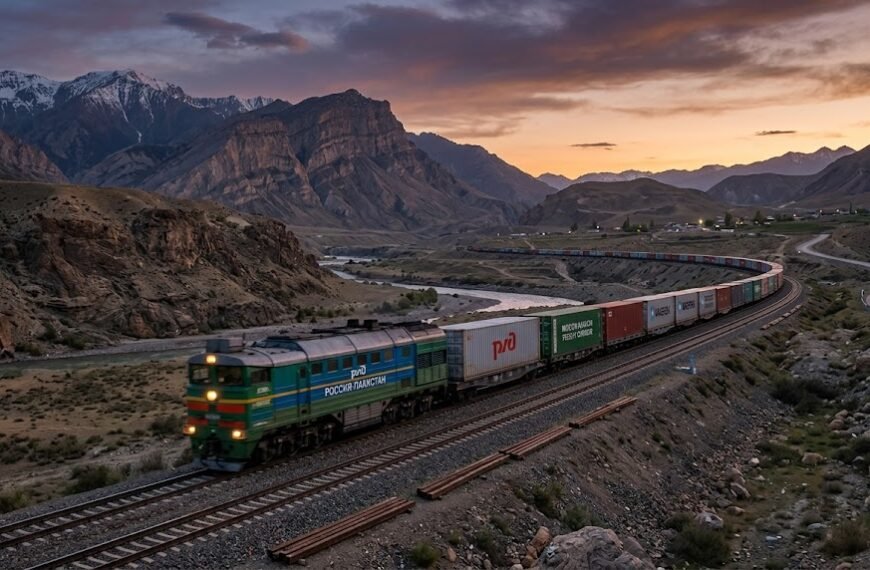
Gilgit-Baltistan is another region of exceptional importance to Pakistan. Its location, mountainous geography and connection to major trade and transportation routes give it strategic and economic significance.
The region also possesses enormous tourism potential. Its mountains, glaciers, valleys and lakes attract visitors from across Pakistan and abroad.
Improving roads, communications, healthcare facilities, education and tourism infrastructure can help unlock this potential.
For Gilgit-Baltistan, stability is essential for attracting tourists and investors. Continued institutional support can contribute to an environment in which local communities are able to benefit from economic opportunities.
The development of tourism can also create jobs for young people and encourage local entrepreneurship.
Azad Jammu and Kashmir
Azad Jammu and Kashmir also holds an important place in Pakistan’s national landscape. The region is known for its natural beauty, forests, rivers and mountainous areas.
AJK has significant potential in tourism, agriculture, hydropower and small industries. However, difficult terrain and infrastructure requirements remain important development considerations.
Effective coordination between authorities can help improve public services and accelerate development initiatives.
Road connectivity, education, healthcare and employment opportunities are particularly important for the region’s younger population. Investment in these areas can contribute to long-term economic stability and improve living standards.
Civil-Military Cooperation
Institutional cooperation can be particularly important in regions where security and development challenges overlap.
Civilian governments are responsible for governance and public administration, while security institutions have responsibilities related to national security and stability. Effective coordination between the two can help ensure that development initiatives are implemented in a secure environment.
Such cooperation can be valuable during emergencies, natural disasters and other situations requiring rapid coordination.
Pakistan’s northern regions are also vulnerable to earthquakes, landslides, floods and other natural disasters. Strong coordination among government departments and relevant institutions can improve disaster preparedness and emergency response.
Supporting Local Communities
Ultimately, government policies and institutional cooperation should translate into tangible benefits for ordinary citizens.
People living in remote areas often face greater difficulties accessing healthcare, education, transportation and employment opportunities. Development programmes must therefore take local conditions into account.
Better roads can connect communities with markets and hospitals. Improved internet connectivity can provide students with access to educational resources and enable businesses to reach customers outside their immediate areas.
Healthcare investment can reduce the need for residents to travel long distances for medical treatment, while vocational training can provide young people with practical skills.
Youth and Employment
Youth employment is another major priority for AJK, GB and KP.
A large young population represents both an opportunity and a responsibility. If young people have access to quality education, vocational training and employment, they can become a powerful force for economic growth.
Tourism, information technology, agriculture, construction, handicrafts and small businesses can all provide employment opportunities in these regions.
Government-backed entrepreneurship programmes and skills-development initiatives can help young people establish businesses rather than relying solely on traditional employment.
Tourism Potential
The three regions have enormous tourism potential.
KP’s valleys, AJK’s scenic landscapes and Gilgit-Baltistan’s world-famous mountains provide opportunities for domestic and international tourism.
However, tourism growth requires more than beautiful scenery. Visitors need safe roads, reliable accommodation, healthcare facilities, communication services and effective waste management.
Sustainable tourism should also protect local ecosystems and ensure that local communities benefit economically.
Improved tourism infrastructure could generate employment while supporting hotels, restaurants, transport companies, tour operators and local handicraft businesses.
Infrastructure and Connectivity
Infrastructure development remains a central requirement for long-term progress.
Improved roads and bridges can connect remote communities with major cities and markets. Better telecommunications can help businesses and students participate in the digital economy.
Energy infrastructure is equally important. Reliable electricity can support businesses, schools and healthcare facilities.
Investment in infrastructure can therefore have a multiplier effect, improving both social services and economic activity.
The Need for Continued Coordination
The challenges faced by AJK, GB and KP cannot always be addressed by a single institution or government department.
Development requires cooperation among federal authorities, provincial and regional governments, local administrations, communities and relevant institutions.
Clear communication and coordination can help avoid duplication, improve resource utilization and ensure that development projects are completed efficiently.
Regular consultation with local communities is also important because residents understand the specific challenges and opportunities of their areas.
Looking Ahead
Lt Gen Inam Haider Malik’s assurance of support to the government in Azad Kashmir, Gilgit-Baltistan and Khyber Pakhtunkhwa highlights the importance of cooperation in promoting stability and development.
The three regions possess enormous potential in tourism, agriculture, hydropower, trade, technology and entrepreneurship. Unlocking this potential requires peace, effective governance, infrastructure investment and opportunities for young people.
If institutions continue working together and development remains focused on the needs of local communities, AJK, GB and KP can make significant contributions to Pakistan’s economic and social progress.
The ultimate measure of success will be whether ordinary citizens experience improvements in their daily lives—through better education, healthcare, roads, employment, business opportunities and access to essential services.
With sustained cooperation, responsible governance and investment in people and infrastructure, these strategically important regions can move toward a more stable, prosperous and inclusive future.


 By
By



 By
By