
Pakistan Winter Gas Supply: Only 8 Hours a Day Proposed
Pakistan winter gas supply for homes is proposed at 8 hours a day in winter, split across breakfast, lunch and dinner, while final timings await a decision.

By News Desk · Verified Pakistan News Desk
Published · 5 min read
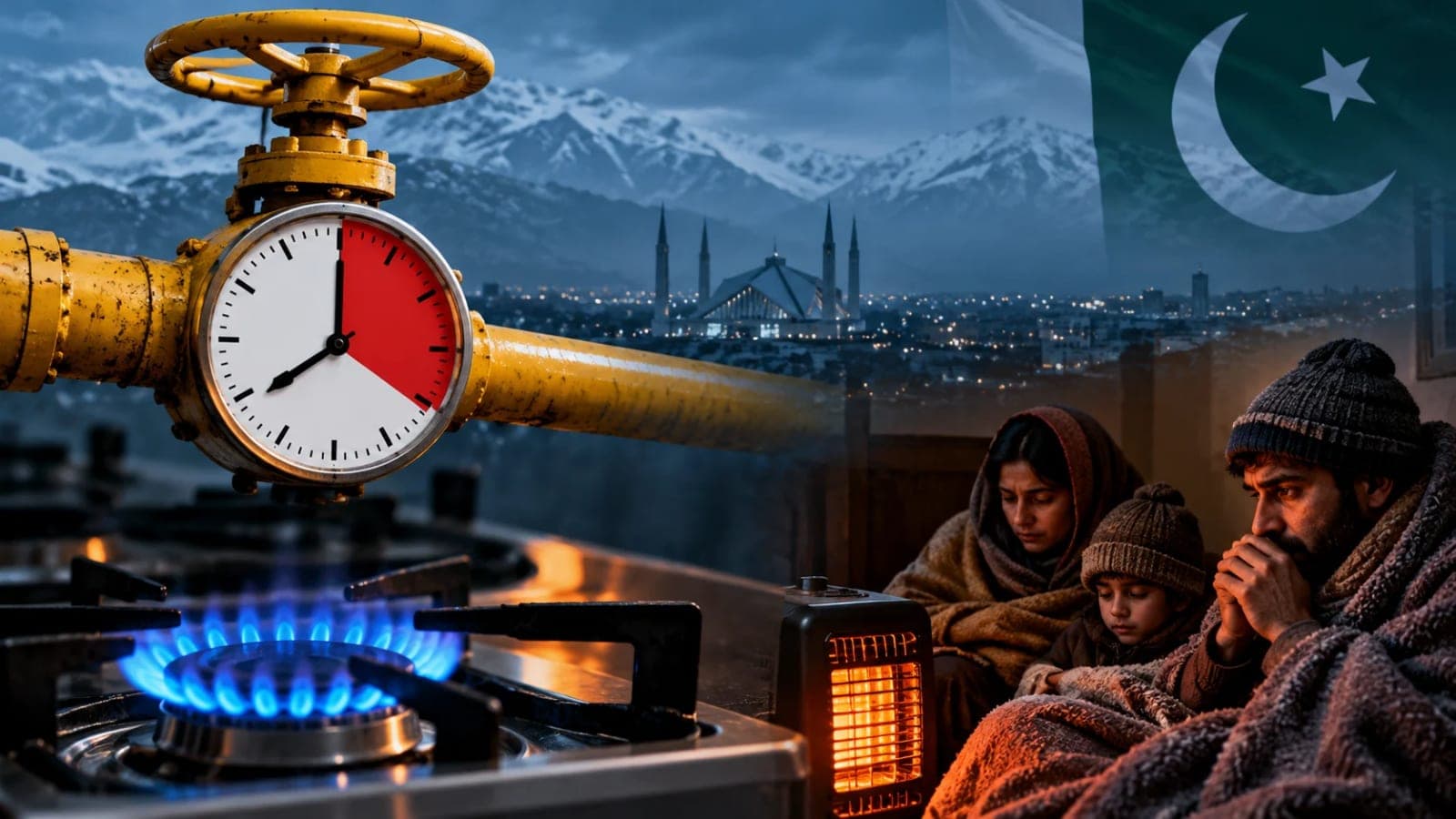
The Pakistan winter gas supply plan now under preparation is a proposal, not approved policy. The Petroleum Division has completed preliminary preparations, and a presentation is expected to be given to the prime minister before any final decision. Until that decision comes, households should treat the details below as proposed, not final.
This year, the proposal would change daily life directly. Instead of gas around the clock, homes would receive it for limited hours, so families would plan cooking, bathing and heating around a timetable.
What the Pakistan winter gas supply proposal says
Under the Pakistan winter gas supply proposal, domestic consumers would get gas for 8 hours in a 24 hour period. Those hours would fall during breakfast, lunch and dinner periods, when cooking demand is highest. At other times, gas supply would be restricted.
The proposal also means heaters and geysers would not be usable at all times. A family that now leaves a geyser on through the day, or runs a heater through the night, would have to adjust, because gas would simply not be there outside the scheduled hours.
The idea behind meal period windows is simple. Cooking cannot wait, and most households cook at roughly the same times. By giving gas during those periods, the plan tries to protect the most essential use first, even if total supply is short.
What this would look like in practice is not yet known in detail. The proposal speaks of 8 hours in total, spread across the three meal periods, but it does not yet give final timings for each period. Those timings would matter, because a late morning window or an early evening window can disrupt cooking for a whole family.
It is important to be clear about what has and has not happened. The Petroleum Division has completed preliminary preparations, according to reporting on the plan. No official announcement of final timings has been made yet, and no final schedule has been published for consumers.
SNGPL and SSGC schedules
If the proposal goes ahead, it would not run through one single national timetable. SNGPL and SSGC would publish separate schedules for their own service areas, and consumers would need to follow the schedule for their area.
SNGPL serves Punjab and Khyber Pakhtunkhwa. Its current domestic supply is about 487 million cubic feet per day. SSGC serves Sindh and Balochistan, with current domestic supply of about 286 million cubic feet per day. These figures show the scale of the system, and why even a small shortfall can affect millions of homes.
Timings could also differ by region. A household in Lahore and a household in Karachi may not get gas at the same hours, because they fall under different companies. Consumers should wait for their own company's schedule.
Federal Minister for Petroleum Ali Pervaiz Malik was briefed on gas requirements, supply and LNG availability, according to reporting on the preparations. That briefing is part of the preparation work, not a final approval of the 8 hour plan.
Several questions remain open. Final timings for the three meal windows have not been announced, nor how the hours would be divided. It is also unclear what special arrangements would apply to institutions that depend on gas through the day.
The LPG pressure on households
When piped gas is limited, many households turn to LPG cylinders. That shift can quickly raise costs, because LPG is bought per kilogram or per cylinder, and prices vary from city to city. For a low income family, a winter of buying LPG on top of a gas bill can be a heavy burden.
Reported prices show how uneven the market already is. The OGRA prescribed price of Rs 280 per kilogram is not being enforced in various cities, according to reports. LPG has been reported at Rs 600 per kilogram in Islamabad and Rawalpindi, at Rs 550 to Rs 650 in Lahore areas, and at Rs 650 to Rs 700 in Peshawar.
A domestic cylinder in Khyber Pakhtunkhwa has been reported above Rs 6,000. There are also fears of Rs 400 to Rs 450 per kilogram in some reporting, but these are fears, not one confirmed national price. Consumers should check local rates rather than trusting a single number shared online.
If the Pakistan winter gas supply proposal is approved, LPG demand is likely to rise further in winter. Households that cannot cook or heat water on piped gas during restricted hours may buy cylinders as a backup, which could put more upward pressure on prices unless supply and enforcement improve.
Frequently Asked Questions
Is this final?
No. This is a Pakistan winter gas supply proposal, not a final decision. The Petroleum Division has completed preliminary preparations, and a presentation is expected to be given to the prime minister before a final decision. No final timings have been officially announced yet.
How many hours does the Pakistan winter gas supply proposal suggest?
It suggests 8 hours of gas in 24 hours for domestic consumers, spread across breakfast, lunch and dinner periods, with supply restricted at other times.
Will heaters and geysers work all day?
No, not under the proposal as reported. Heaters and geysers would not be usable at all times, because gas would be restricted outside the scheduled hours.
Will SNGPL and SSGC follow the same timetable?
No, not necessarily. Implementation would be through separate schedules from SNGPL and SSGC for their service areas, so timings could differ by region. Under the Pakistan winter gas supply plan, consumers should follow their own company's schedule.
Why does LPG matter if gas hours are cut?
When piped gas is limited, households often turn to LPG cylinders, which adds cost. Reported LPG prices already vary by city, and the Pakistan winter gas supply squeeze could push household budgets further if winter demand rises.
What happens next for national
We will keep this page updated as the story develops rather than publishing a near-duplicate at a new address. Follow National for related coverage.
Get the Verified Brief
One email each morning with the stories we checked overnight.
Spotted an error? Read our corrections policy and tell the newsroom.