
Petrol Price Per Liter in Pakistan on 8 September Latest
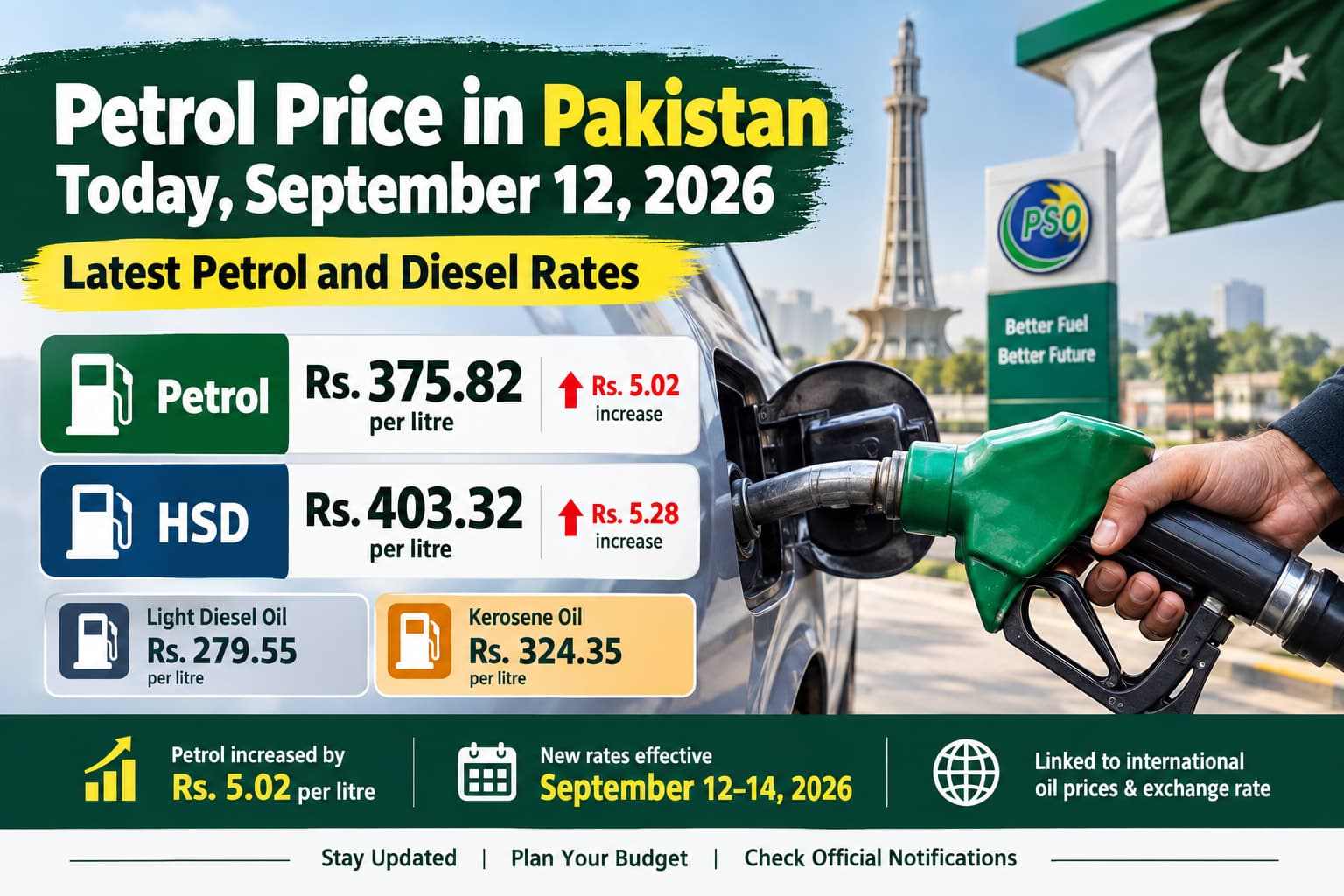
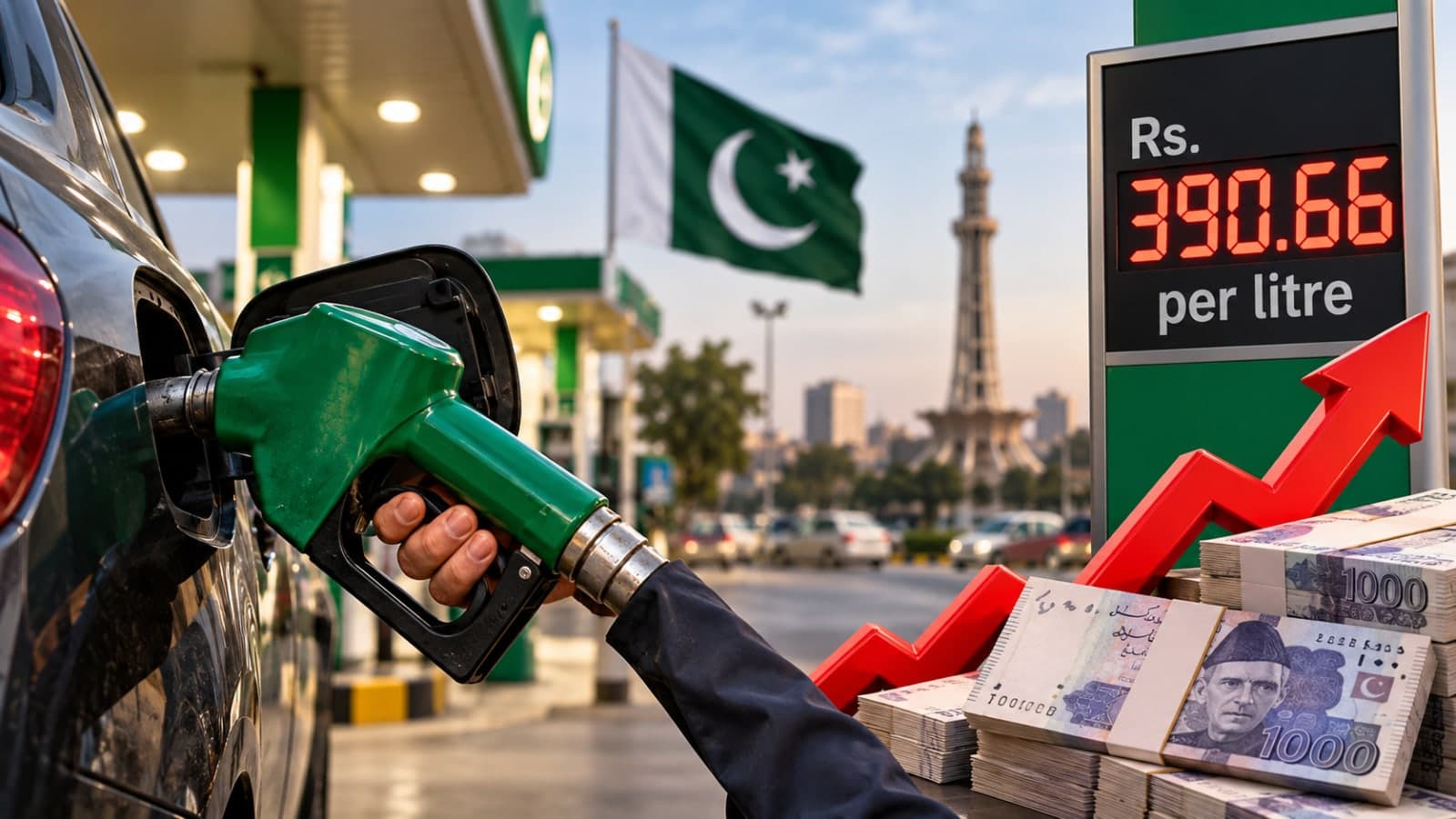
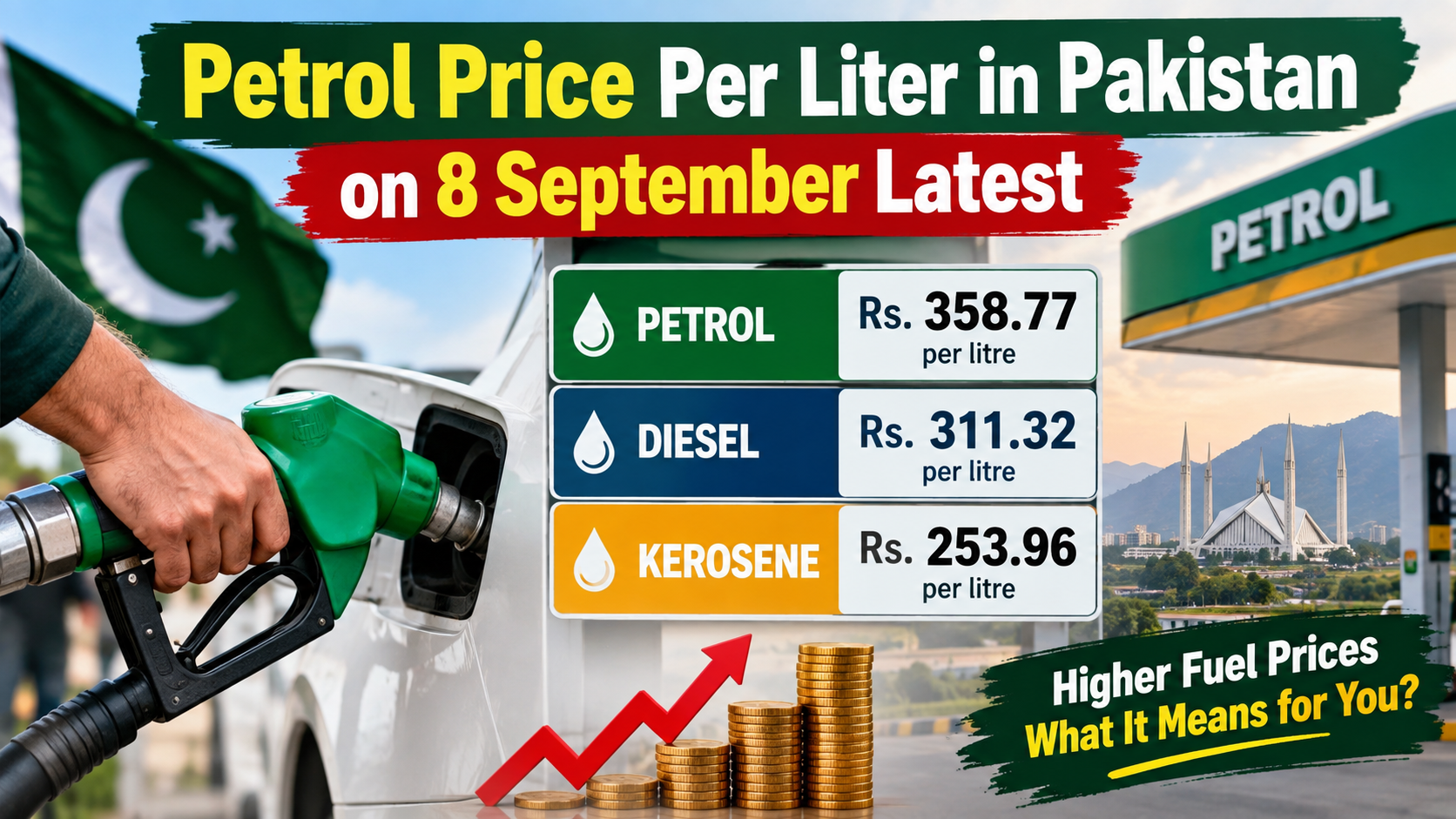
The petrol price per liter in Pakistan on 8 September 2026 has increased to Rs358.77, putting another burden on households already struggling with rising living costs.

By News Desk · Verified Pakistan News Desk
Published · Updated · 3 min read
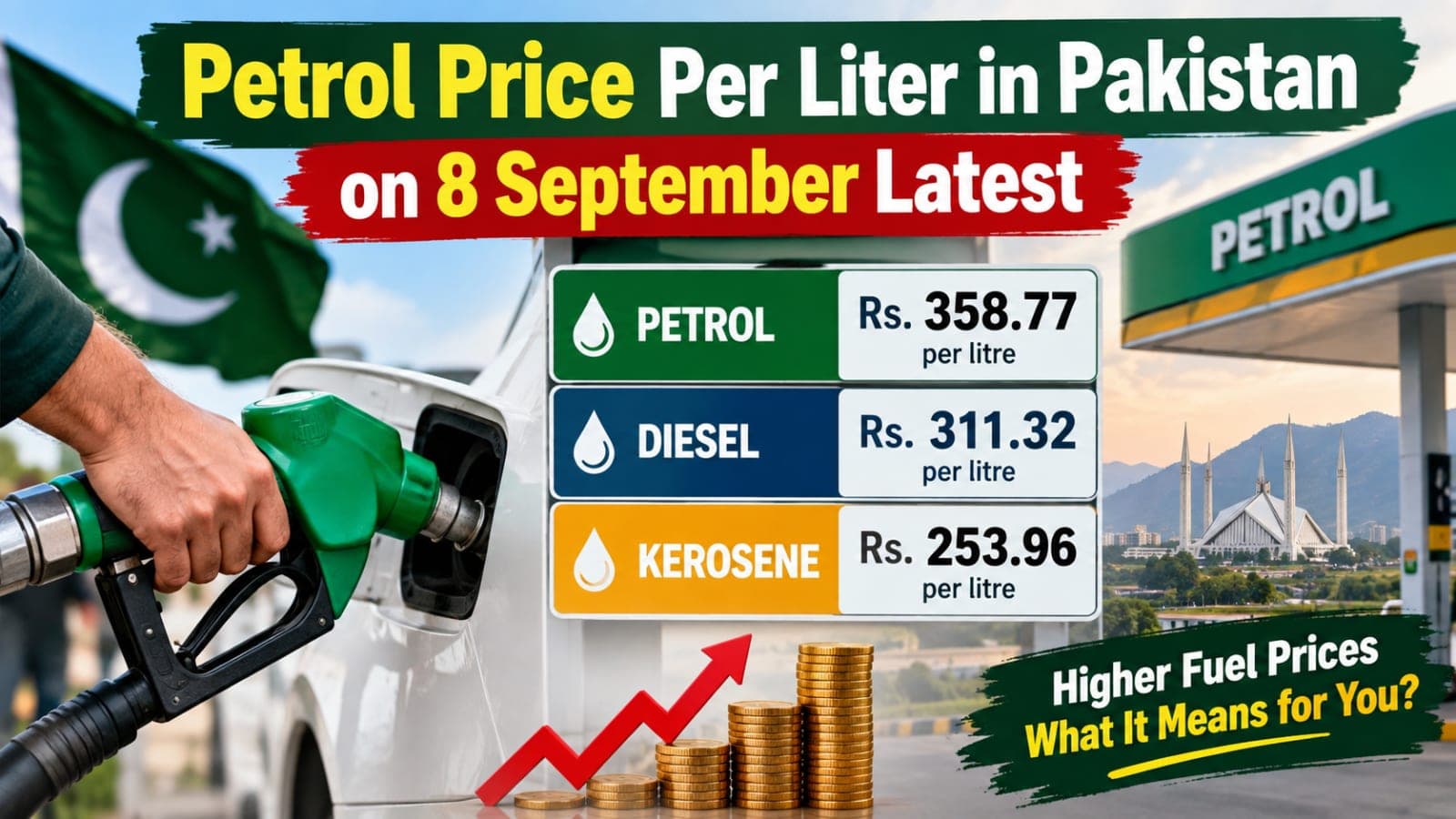
Following the country’s latest change to petroleum pricing, the federal government has, in a sudden move, jacked up the price of petrol by Rs12.90 a liter. The new price of petrol in Pakistan would now be Rs358.77 a liter whereas the price of high octane gasoline has gone up by Rs3.72 per liter to Rs381.77 a liter.
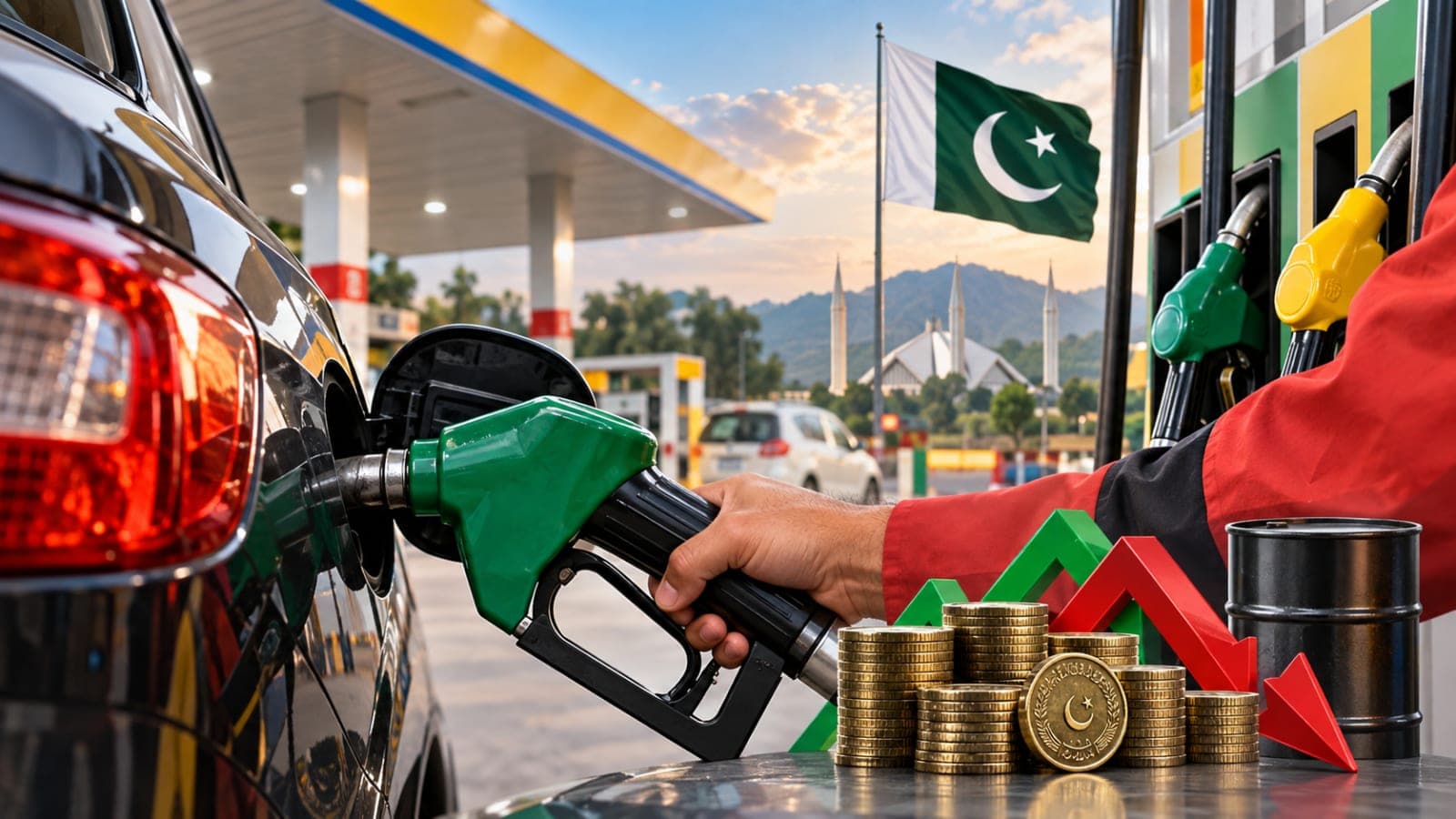
Higher fuel prices will not only have an impact on the owners of cars and motorbikes but will lead to higher cost of transportation for all products and commodities, also an increase in prices of most of the household items and consumer goods.
Latest Petrol Price in Pakistan Today
As of 8 September 2026, the latest petrol price in Pakistan is Rs358.77 per litre, reflecting an increase of Rs12.90, while the price of High-Speed Diesel (HSD) has risen by Rs3.72 per litre to Rs381.77 from the previous price of Rs378.05 per litre. HSD is particularly significant as it is one of the most widely consumed petroleum products in Pakistan, and its price increase is likely to raise transportation and other costs across the country.
Why Has Petrol Become More Expensive?
The increase in petrol prices in Pakistan is a result of the country moving towards a more frequent petroleum pricing system, under which fluctuations in international crude oil prices, along with other costs, are reflected in domestic fuel prices. This revised methodology allows OGRA to frequently adjust petroleum prices in response to rapid changes in the international market, but it also means that consumers may face significant price changes within short periods. As of 8 September 2026, the petrol price in Pakistan stands at Rs358.77 per litre, an increase of Rs12.90, while diesel is priced at Rs381.77 per litre. Such increases place a heavy burden on low- and middle-income families, who rely on motorcycles, cars, and public transport for daily commuting, work, education, healthcare, and other essential activities. Even households without private vehicles are affected because higher fuel prices increase transportation costs, which in turn raise the prices of food, medicines, clothing, and other goods as businesses and transporters pass higher fuel costs through the supply chain. Consequently, rising petrol prices contribute to an overall increase in the cost of living and put additional pressure on household budgets already strained by high food, electricity, education, and healthcare expenses. The government should therefore introduce effective measures to support low-income households and workers, expand affordable public transportation, and control excessive increases in transport fares. In the long term, Pakistan should reduce its dependence on imported fuel by investing in mass transit systems, alternative energy sources, and fuel-efficient vehicles. For millions of Pakistanis, petrol is not a luxury but a necessity for earning a livelihood, running businesses, commuting to work, and meeting daily needs; therefore, continued increases in fuel prices can cause significant economic hardship for the masses.
This will indeed cause immense hardship to the masses when prices of basic necessities keep on increasing. The burden on households will increase which will further cause immense pressure on the budget of daily living for masses.
What happens next for national
We will keep this page updated as the story develops rather than publishing a near-duplicate at a new address. Follow National for related coverage.
Get the Verified Brief
One email each morning with the stories we checked overnight.
Spotted an error? Read our corrections policy and tell the newsroom.