
AJK 100-Day Plan Promises Rs15 Billion for Health and Education
The AJK 100-day plan promises Rs15 billion for health, education, transport and tourism, with 70 mobile hospitals, 75 electric buses and five Daanish Schools.

By Suleman Mirza · Reporter
Published · Updated · 5 min read

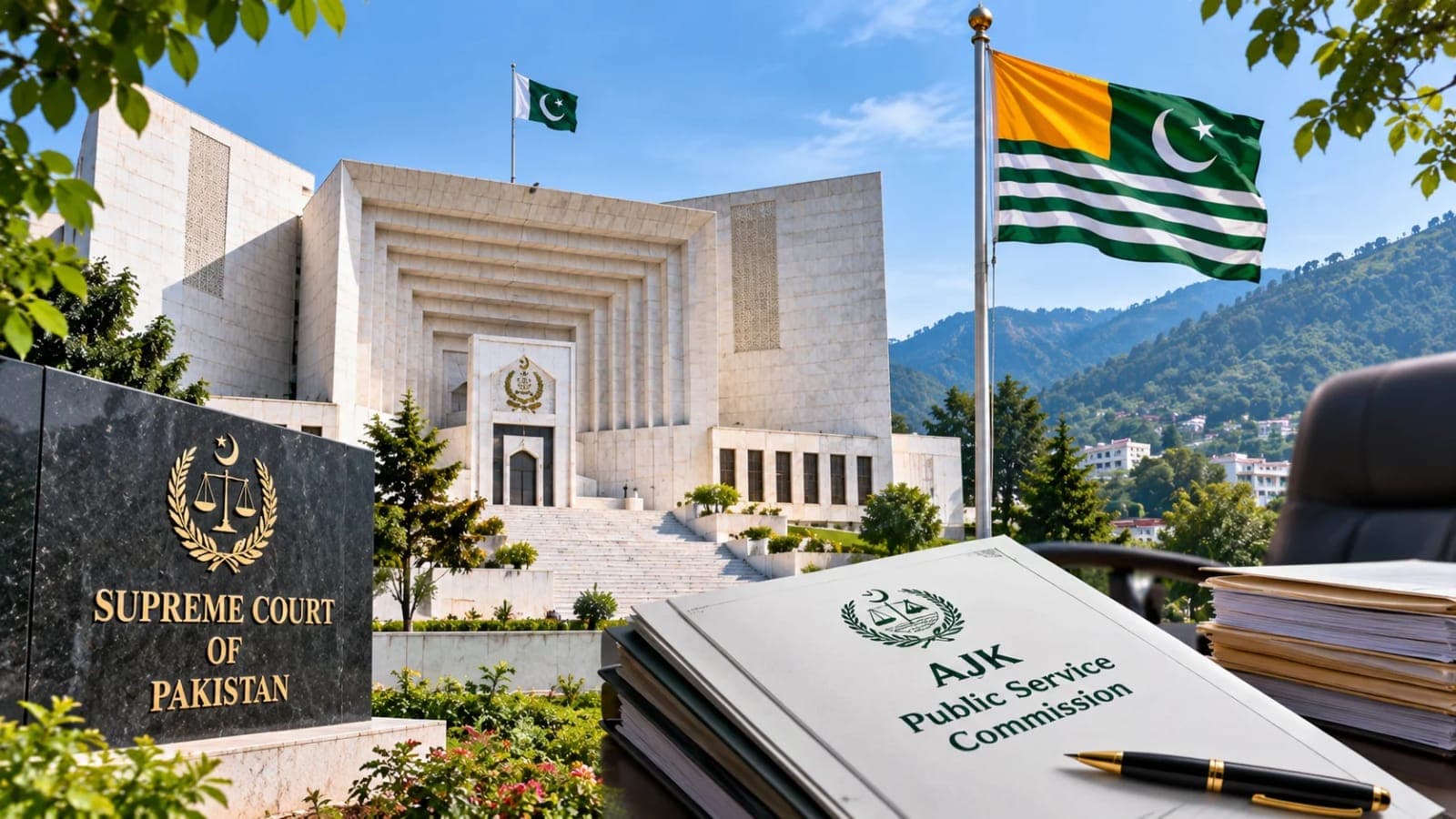
The AJK 100-day plan is the test the new government in Muzaffarabad has set for itself. On Thursday, the PML-N led Azad Jammu and Kashmir government unveiled a Rs15 billion package promising visible change in health, education, transport and tourism within 100 days. Five ministers briefed reporters in Muzaffarabad: 70 mobile hospital units, 75 electric buses, five new Daanish Schools and a push to bring out of school children back into classrooms.
If you live in AJK, this plan touches the services you use every week: a mobile hospital that reaches your village, a bus that runs on time, a school place for a child who dropped out. Delivery is the harder question, and the government has left some of it open, including when the 100 days begin and how the money is split.
Health first: what the AJK 100-day plan promises for hospitals
Under Sehat Karwan, 70 mobile hospital units will serve remote areas where the nearest hospital can be hours away by road. The Essential Medicines Programme is meant to make sure life saving drugs are on the shelf, along with emergency care and dialysis facilities at major hospitals.
The plan also promises 20 model basic health units and 10 model rural health centres, plus operating theatres and nursery units at tehsil headquarters. These small facilities matter most outside the big towns, where a mother takes a sick child instead of travelling to Muzaffarabad or Mirpur.
Some health projects run past the 100 days. Longer term work includes cath labs in Kotli, Rawalakot and Bhimber, stroke centres in Muzaffarabad, Kotli and Mirpur, and a modern cardiac hospital in Bagh. Heart patients in AJK often travel to Rawalpindi or Islamabad for specialist care, so a cardiac hospital in Bagh would change that journey.
Schools, laptops and scholarships under the AJK 100-day plan
Education Minister Sardar Umair Naeem told reporters the Darsgah project will enrol out of school children and give them free education. Getting children into classrooms is the easy part. Keeping them there, with teachers and books, is the real job, and the plan will be judged on enrolment numbers.
Five Daanish Schools are to be built across AJK, and a Daanish University is planned for Muzaffarabad. In the first phase of the AJK laptop programme, 5,000 laptops will go to deserving students on merit. Punjab runs a much larger laptop scheme of its own. Kamyab and Quaid-e-Azam scholarships will help talented students who cannot afford higher education.
Buses, roads and Rescue 1122
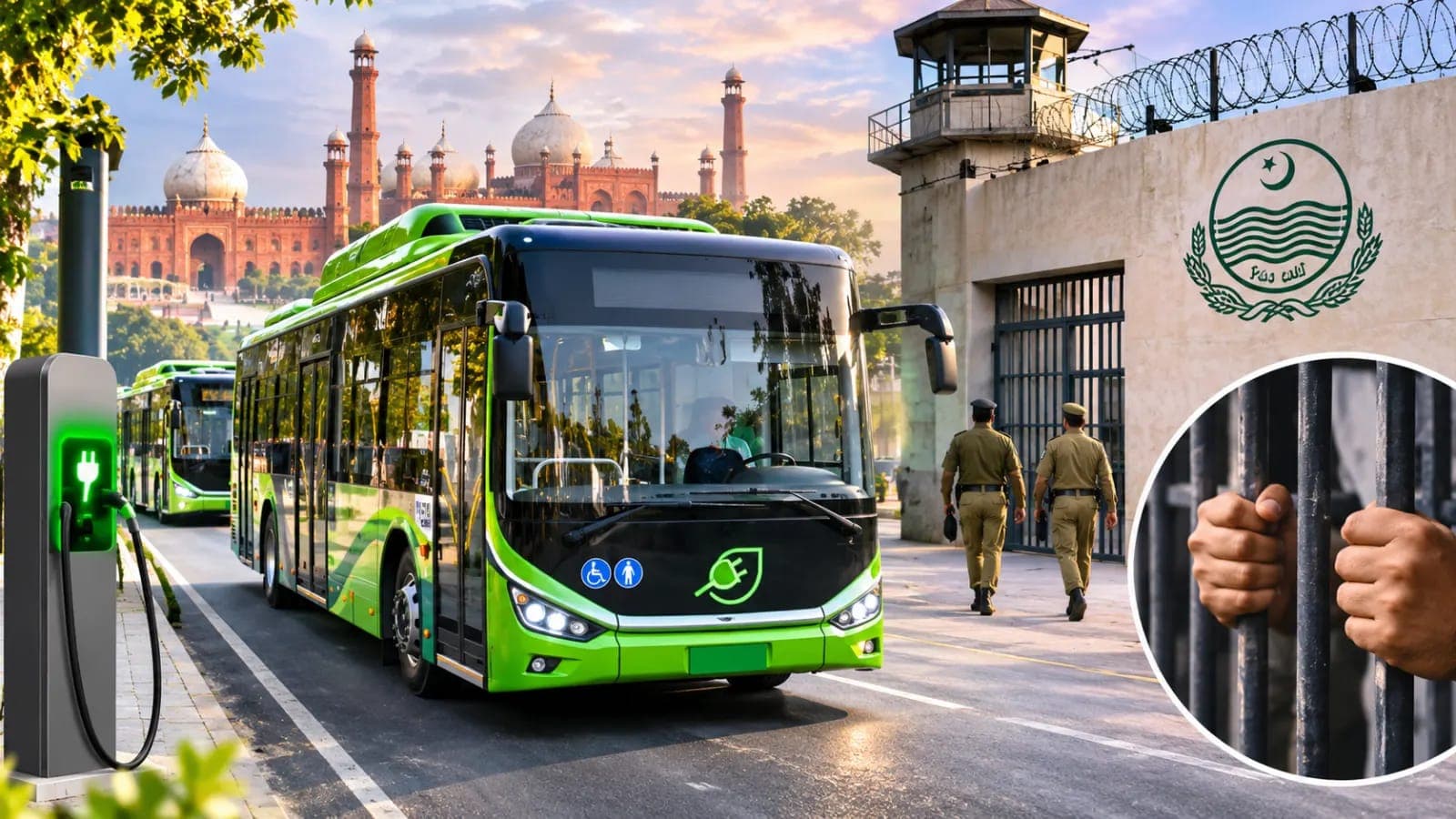
Transport is the most visible part of the AJK 100-day plan. Seventy five electric buses will run in seven AJK cities under the Kashmir Express Service. In cities where public transport is thin, an electric bus service would make a daily difference to students, workers and hospital patients. Punjab is rolling out electric buses on a larger scale.
Road resurfacing is planned in Poonch, Bhimber and Kotli, and Rescue 1122 units are being set up in Neelum and Bagh so emergency help reaches accident spots faster. On Neelum's mountain roads, a rescue service that arrives in time can be the difference between a bad accident and a tragedy.
Tourism and cleaner towns
Tourism is the fourth pillar of the AJK 100-day plan. Tourism Minister Chaudhry Abdul Rehman Arain announced two initiatives, Discover AJK and Clean Tourism Azad Kashmir, focused on eco tourism, hiking and adventure trails. The government also plans to revamp 26 guest houses and 32 tuck shops, and to build highway rest areas along the Kohala-Muzaffarabad and Azad Pattan-Rawalakot roads, the two main routes into AJK from Punjab.
The Suthra Kashmir campaign will run across all 10 district headquarters, alongside urban beautification projects in Muzaffarabad, Mirpur and Rawalakot. For a region that earns from visitors, clean streets and working guest houses decide whether a tourist comes back.
What the AJK 100-day plan does not say yet
A fair reading of the announcement leaves three open questions. The ministers did not say when the 100 days begin, how the Rs15 billion is divided among the sectors, or how the projects will be funded. Without a start date and a budget split, the public cannot hold anyone to a deadline that was never set.
Some measures, including the green bus service and scholarships, have appeared in earlier announcements, and the government has not published a schedule the public can follow.
Prime Minister Iftikhar Gillani also told the Assembly his government is exploring options to complete the stalled 48 megawatt Jagran-II hydropower project in Neelum Valley. Power shortages shape daily life across AJK, so progress there would matter as much as anything in the list.
What to watch in the coming weeks
The first signs should show within weeks rather than months. Mobile hospital units on the road, buses arriving in the seven cities and work starting on the guest houses will tell residents whether this is a working plan or another list of promises. The AJK One portal for government services is another early marker.
People in AJK have heard big plans before. This one is different only if the work shows up where they live. The government has given itself 100 days, and the countdown, whenever it starts, is now the story to follow.
Frequently asked questions
When was the AJK 100-day plan announced? The PML-N led AJK government unveiled it on Thursday, 26 November 2026, at a press briefing in Muzaffarabad.
How much money is in the AJK 100-day plan? Rs15 billion has been allocated under the AJK 100-day plan, covering health, education, transport, tourism, employment and civic services.
What is the Sehat Karwan programme? Seventy mobile hospital units will serve remote areas, supported by 20 model basic health units, 10 model rural health centres and an Essential Medicines Programme at major hospitals.
Will the 75 electric buses run in every AJK city? No. They will run in seven AJK cities under the Kashmir Express Service, and the government has not yet named all seven.
What happens next for national
We will keep this page updated as the story develops rather than publishing a near-duplicate at a new address. Follow National for related coverage.
Get the Verified Brief
One email each morning with the stories we checked overnight.
Spotted an error? Read our corrections policy and tell the newsroom.