
EV Policy Under Pressure as Industry Pushes Higher Taxes on Electric Vehicles
Pakistan's new EV policy is under enormous pressure as industry players push the FBR and IMF for higher sales tax on electric vehicles.

By News Desk · Verified Pakistan News Desk
Published · Updated · 2 min read
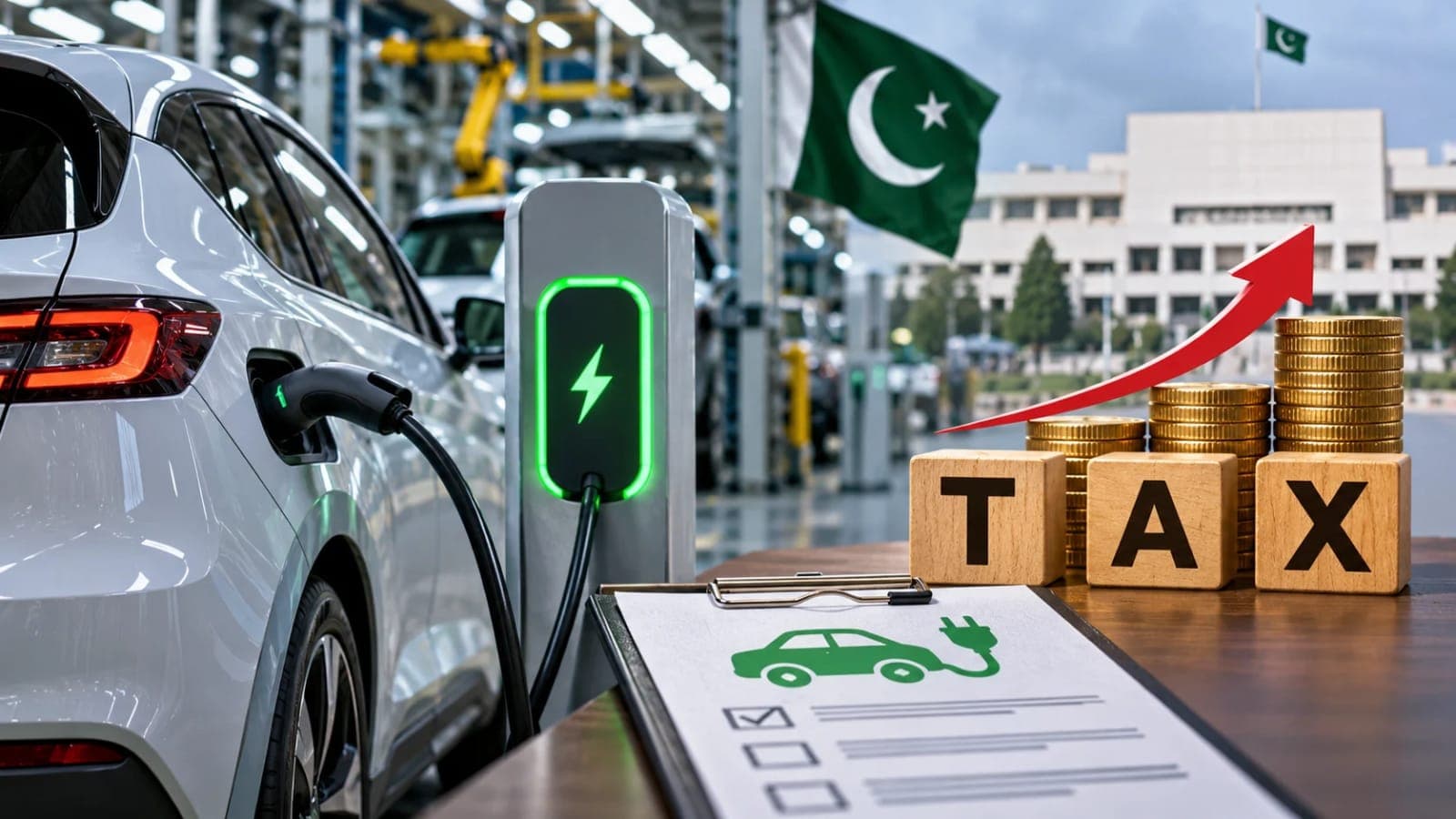
Pakistan's new EV policy is facing enormous pressure from industry players who want the country's transition to electric vehicles delayed.
Sources close to the matter told ProPakistani that some industry players are pressuring the Federal Board of Revenue (FBR) and the International Monetary Fund (IMF) to derail the proposed Auto Policy 2026-31. They are running what sources describe as a coordinated campaign to push for higher sales tax on new energy vehicles (NEVs), a move that would threaten the incentives meant to encourage electric mobility.
EV policy: what the draft proposes
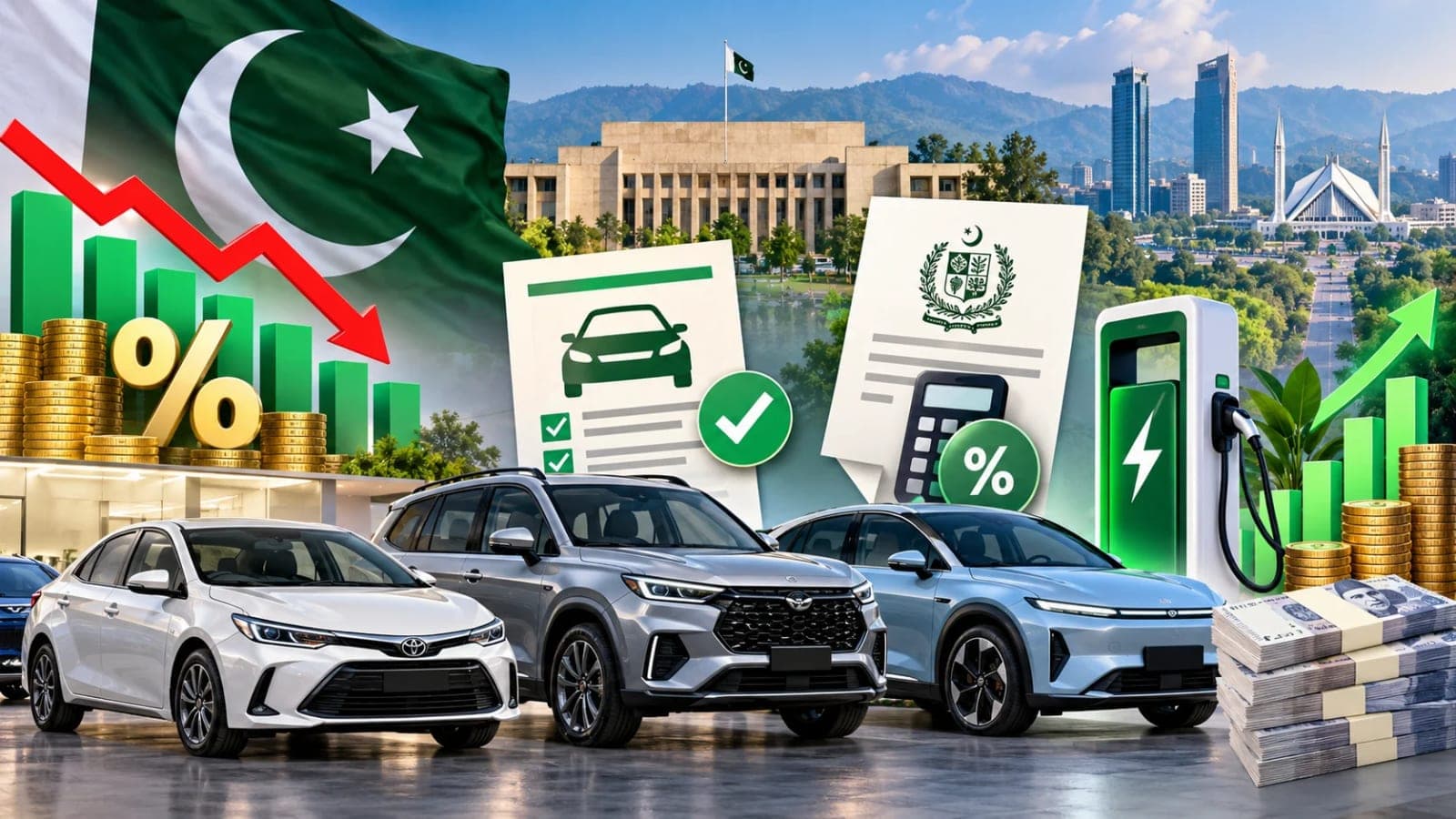
The proposed EV policy offers differentiated tax treatment for battery electric, range-extended and plug-in hybrid vehicles.
The government has already rejected the IMF's proposal to impose an across-the-board 18 percent sales tax on electric vehicles. Instead, the draft proposes a 6 percent sales tax on range-extended vehicles and 9 percent on plug-in hybrids.
The EV policy also seeks to reduce customs duties on eligible imported electric vehicles and expand financing opportunities for buyers. Sources warn that reversing these incentives could seriously undermine Pakistan's EV transition.
Why the pressure matters
Pakistan's auto sector is at a turning point. The EV policy is meant to cut fuel import bills, reduce urban air pollution and bring the country in line with the global shift toward electric mobility.
Industry players resisting the policy are said to favour the status quo, where conventional vehicles dominate. Higher taxes on NEVs would keep electric models expensive and slow down adoption, protecting existing market shares.
Frequently asked questions
What is Pakistan's Auto Policy 2026-31? It is the proposed new auto policy covering 2026 to 2031, with a focus on new energy vehicles. The EV policy offers lower sales tax rates and reduced customs duties to encourage electric mobility.
What sales tax is proposed on electric vehicles? The draft proposes 6 percent sales tax on range-extended vehicles and 9 percent on plug-in hybrids, after the government rejected the IMF's proposal of a flat 18 percent on all EVs.
Who is pressuring against the EV policy? Sources say some industry players are lobbying the FBR and the IMF to push for higher sales tax on NEVs, which would weaken the policy's incentives.
What incentives does the EV policy offer? Differentiated tax treatment for battery electric, range-extended and plug-in hybrid vehicles, reduced customs duties on eligible imported EVs, and expanded financing options for buyers.
What happens next for evs
We will keep this page updated as the story develops rather than publishing a near-duplicate at a new address. Follow EVS for related coverage.
Get the Verified Brief
One email each morning with the stories we checked overnight.
Spotted an error? Read our corrections policy and tell the newsroom.