
Fake Medicines in Pakistan: Senate Panel Summons DRAP Within 10 Days
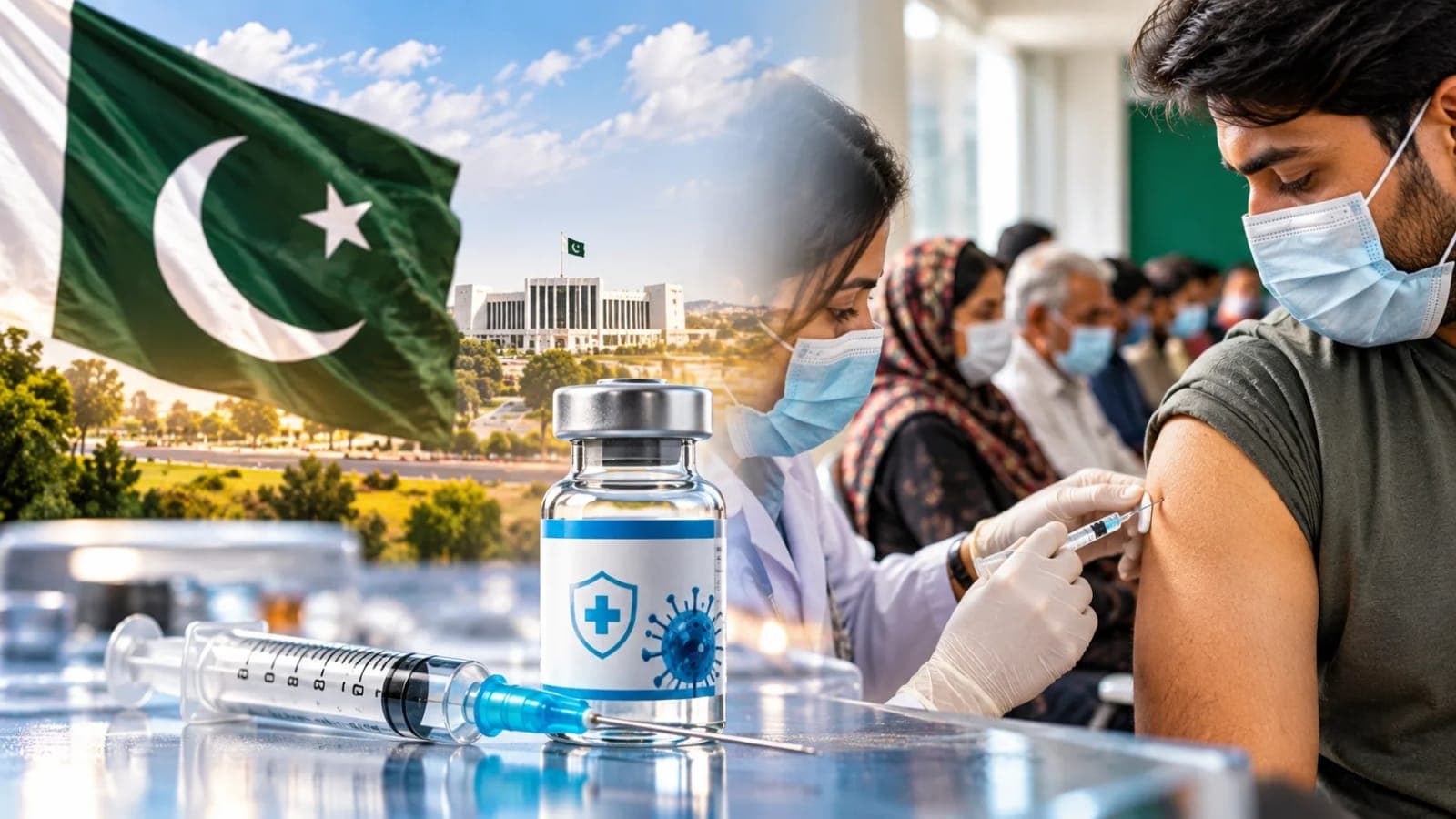
Fake medicines in Pakistan have alarmed a Senate panel, which has summoned regulators within 10 days after counterfeit medicines and vaccines were found spreading in rural areas.

By Suleman Mirza · Reporter
Published · Updated · 4 min read
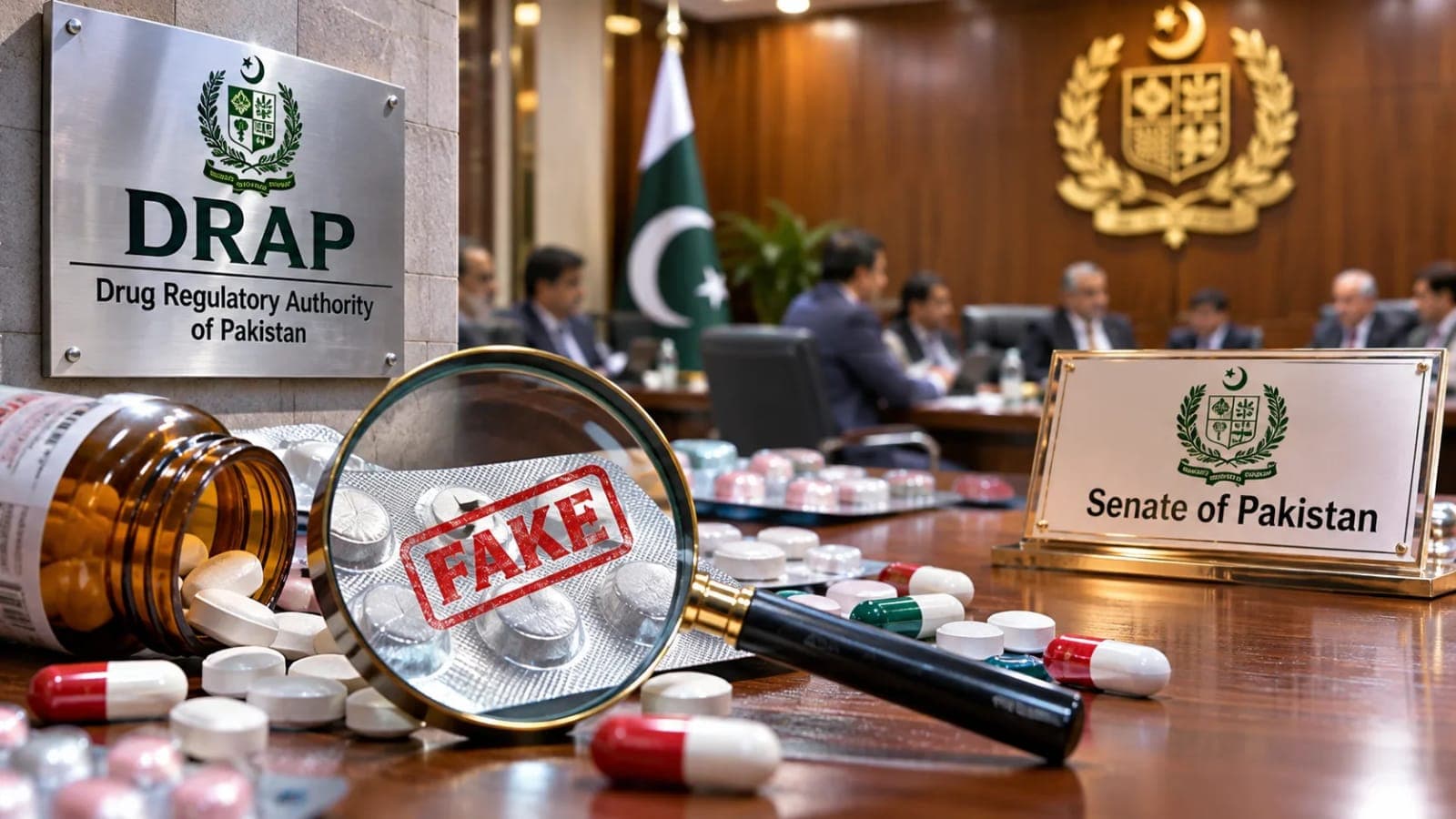
Fake medicines in Pakistan have alarmed a Senate panel, which has summoned the drug regulator and health authorities within 10 days after counterfeit medicines and vaccines were found spreading in rural areas.
Lawmakers raised the alarm at a meeting of the Senate Functional Committee on Problems of Less Developed Areas on Monday, blaming weak oversight by the Drug Regulatory Authority of Pakistan, known as DRAP, for the spread of fake medicines in Pakistan.
Fake Medicines in Pakistan: What the Senate Panel Found
Senators voiced serious concern over the spread of counterfeit medicines and vaccines in rural areas, and questioned why polio still persists in Pakistan and Afghanistan. The committee was chaired by Senator Niaz Ahmed.
The panel ordered a dedicated meeting with DRAP, the Federal Directorate of Immunisation and provincial health officials within 10 days to deal with counterfeit drugs, field staff salaries in remote areas of Khyber Pakhtunkhwa and Balochistan, and polio eradication.
Just a day earlier, DRAP had warned about a suspected fake batch of Hexaxim vaccine in the market, carrying the brand name of multinational company Sanofi. The authority banned the sale and use of batch number X3H421VA, saying the quality and effect of the suspected fake vaccine were unknown and its use could pose serious health risks.
A Mobile Check for Every Medicine
Ministry officials told the committee that a new 2D barcode tracking system has been introduced on all pharmaceutical products and has been effective since October 10, 2026. It will let citizens verify a medicine by scanning its code with a mobile phone.
The system is linked to DRAP's database, so people can check a product's authenticity and see details of its manufacturing, import and expiry date. It will be formally inaugurated by the prime minister soon, the meeting was told. The system is meant to give patients a simple way to spot fake medicines in Pakistan before they buy.
Vaccine Policy Still Awaiting Approval
Officials confirmed that a National Vaccine Policy is awaiting Cabinet approval, and negotiations are under way with Russian firms for joint ventures in insulin and vaccine manufacturing.
The Federal Directorate of Immunisation told the panel that the Expanded Programme on Immunisation targets 13 vaccine-preventable diseases across 7.3 million children. National coverage stands at 80 to 81 per cent, led by Azad Jammu and Kashmir at 93 per cent and Punjab at 90 per cent.
The human papillomavirus campaign reached 78 per cent coverage in Khyber Pakhtunkhwa, and a hexavalent vaccine is planned for rollout in January 2027.
Why Fake Medicines in Pakistan Keep Spreading
Fake drugs are not a new problem. In late October, Punjab health authorities found counterfeit flu vaccines in markets across the province, sold under the name of a multinational company, and two suspects were arrested.
Senators also took up other issues at the meeting, including illegal regularisation of employees, irregular appointments in the Capital Development Authority, delays in a major water supply project in Mansehra, and the setting up of Danish Schools in less developed areas.
For now, the panel wants answers within 10 days. Until the barcode system reaches every pharmacy and the regulator tightens its checks, patients in rural areas remain the most exposed to fake medicines in Pakistan.
What are fake medicines in Pakistan?
Fake medicines in Pakistan are counterfeit or substandard drugs sold under real brand names, including vaccines. Senators say they are spreading in rural areas because of weak checks by the drug regulator.
How can I check if my medicine is original in Pakistan?
A new 2D barcode system, effective since October 10, 2026, lets you scan the code on a medicine pack with your mobile phone to verify its authenticity through DRAP's database.
What did the Senate panel order on fake medicines?
The Senate Functional Committee on Problems of Less Developed Areas summoned DRAP, the Federal Directorate of Immunisation and provincial health officials for a dedicated meeting within 10 days.
Which fake vaccine did DRAP warn about?
On November 16, DRAP warned about a suspected fake batch of Hexaxim vaccine, batch number X3H421VA, sold under the Sanofi brand name, and banned its sale and use.
Is there a National Vaccine Policy in Pakistan?
A National Vaccine Policy is awaiting Cabinet approval, officials told the Senate panel. Talks are also under way with Russian firms for joint ventures in insulin and vaccine manufacturing.
How many children does Pakistan's immunisation programme cover?
The Expanded Programme on Immunisation targets 13 vaccine-preventable diseases across 7.3 million children, with national coverage at 80 to 81 per cent.
What happens next for national
We will keep this page updated as the story develops rather than publishing a near-duplicate at a new address. Follow National for related coverage.
Get the Verified Brief
One email each morning with the stories we checked overnight.
Spotted an error? Read our corrections policy and tell the newsroom.