
Taliban Supreme Leader Makes Rare Visit to Kabul
Taliban supreme leader Hibatullah Akhundzada addressed a rare public gathering in Kabul, urging unity and the defence of the Islamic system.

By Suleman Mirza · Reporter
Published · Updated · 5 min read
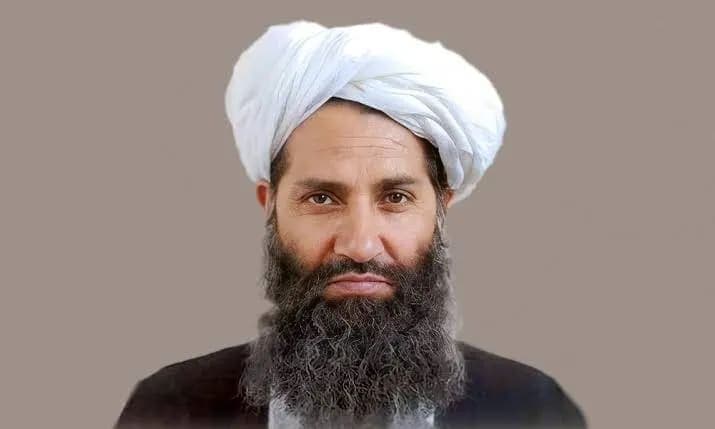
Taliban supreme leader Hibatullah Akhundzada made a rare visit to Kabul on Tuesday, addressing a large conference at Kabul University in one of his few public appearances in years.
The Taliban supreme leader, who is based in Kandahar and rules Afghanistan by decree, spoke to thousands of religious scholars, university lecturers and senior officials, according to AFP.
He told the gathering that Islam had triumphed and an Islamic system had been established, and that people needed to understand the true nature of the Islamic Emirate.
What the Taliban supreme leader said in Kabul
According to Pajhwok Afghan News, Akhundzada stressed the need to preserve the Islamic system, implement Sharia and promote Muslim unity.
He said he would not make Muslims fight one another to retain power. "Let my body be burned, but Muslims must be saved from discord," he told the gathering.
He said retribution and Islamic punishments could not be implemented without his executive order, and that implementing Sharia without the Islamic Emirate was impossible.
He also called on Afghans living abroad to return home, saying all Afghans could live safely in the country without discrimination.
Religious scholars at the gathering conferred the title of Sheikh-ul-Islam on Akhundzada, state broadcaster RTA reported.
Why the visit is so rare
The Taliban supreme leader is one of the most reclusive leaders in the world. He has led the Taliban since May 2016, when he took over after Mullah Akhtar Mansour was killed in a US drone strike, and he has been Afghanistan's supreme leader since the Taliban returned to power in August 2021.
He rarely appears in public and communicates mostly through audio messages and written statements. Only two photographs of him have been made public, and he has made only a handful of visits to Kabul in recent years, AFP reported.
Heavy security around Kabul University
A massive security operation was launched ahead of the visit. AFP journalists saw snipers on rooftops around Kabul University, dozens of Humvees guarding the gates and intelligence agents stationed in the area.
Kabul University has been shut since Sunday, staff and students told AFP, and residents in the area said their homes were searched. Heavily manned checkpoints were installed around the venue.
The conference on the supreme leader's decrees
The conference was organised by Wardak University under the Ministry of Higher Education. Its title was "The Impact of the IEA Supreme Leader's Decrees: From Islamic Leadership to Sharia, Social, Political, Economic and Cultural Developments".
Thousands of religious scholars, university lecturers, researchers and Islamic Emirate officials attended, the ministry said on Monday.
What the visit means for the region
The visit comes at a sensitive time for Afghanistan's relations with its neighbours. Pakistan has pressed Kabul to act against cross-border militancy, and Deputy Prime Minister Ishaq Dar said at the ECO meeting in Islamabad on Monday that Afghanistan must address terrorism concerns for economic partnerships, Business Recorder reported.
The Taliban have said problems with Pakistan can be resolved through diplomacy. No country has formally recognised the Taliban government, although several states maintain working-level contact with Kabul.
In July 2025, the International Criminal Court issued an arrest warrant for the Taliban supreme leader over the alleged persecution of women in Afghanistan. The warrant was unsealed in October 2026.
Frequently asked questions
Who is the Taliban supreme leader?
Hibatullah Akhundzada is the Taliban's supreme leader. He took over the movement in May 2016 and has ruled Afghanistan since the Taliban returned to power in August 2021. He is a cleric from Kandahar, and his title is Amir al-Mu'minin, or Commander of the Faithful.
Why is the Taliban supreme leader's Kabul visit rare?
Akhundzada is based in Kandahar and rarely appears in public. He has made only a handful of visits to Kabul in recent years, and most of his messages reach the public as audio recordings or written statements.
What did Akhundzada say at Kabul University?
He urged unity, the protection of the Islamic system and the implementation of Sharia. He said he would not make Muslims fight one another to retain power, and he called on Afghans living abroad to return home.
What was the Kabul conference about?
The conference examined the impact of the Taliban supreme leader's decrees on Islamic leadership, Sharia, and social, political, economic and cultural developments. It was organised by Wardak University under the Ministry of Higher Education.
Why was Kabul University shut during the visit?
The university was shut from Sunday for security. AFP journalists reported snipers on nearby rooftops, dozens of Humvees at the gates and checkpoints around the venue, while residents said their homes were searched.
Does the visit affect Pakistan?
Afghanistan is Pakistan's neighbour, and ties between the two countries remain tense over cross-border militancy. Pakistan has urged Kabul to act on terrorism, while the Taliban say problems with Pakistan can be resolved through diplomacy.
What happens next for global
We will keep this page updated as the story develops rather than publishing a near-duplicate at a new address. Follow Global for related coverage.
Get the Verified Brief
One email each morning with the stories we checked overnight.
Spotted an error? Read our corrections policy and tell the newsroom.