
New Auto Policy Approved With $6 Billion Export Target
The new auto policy for 2026-31 has been approved by Prime Minister Shehbaz Sharif after the IMF raised no objection to the draft.

By News Desk · Verified Pakistan News Desk
Published · 4 min read
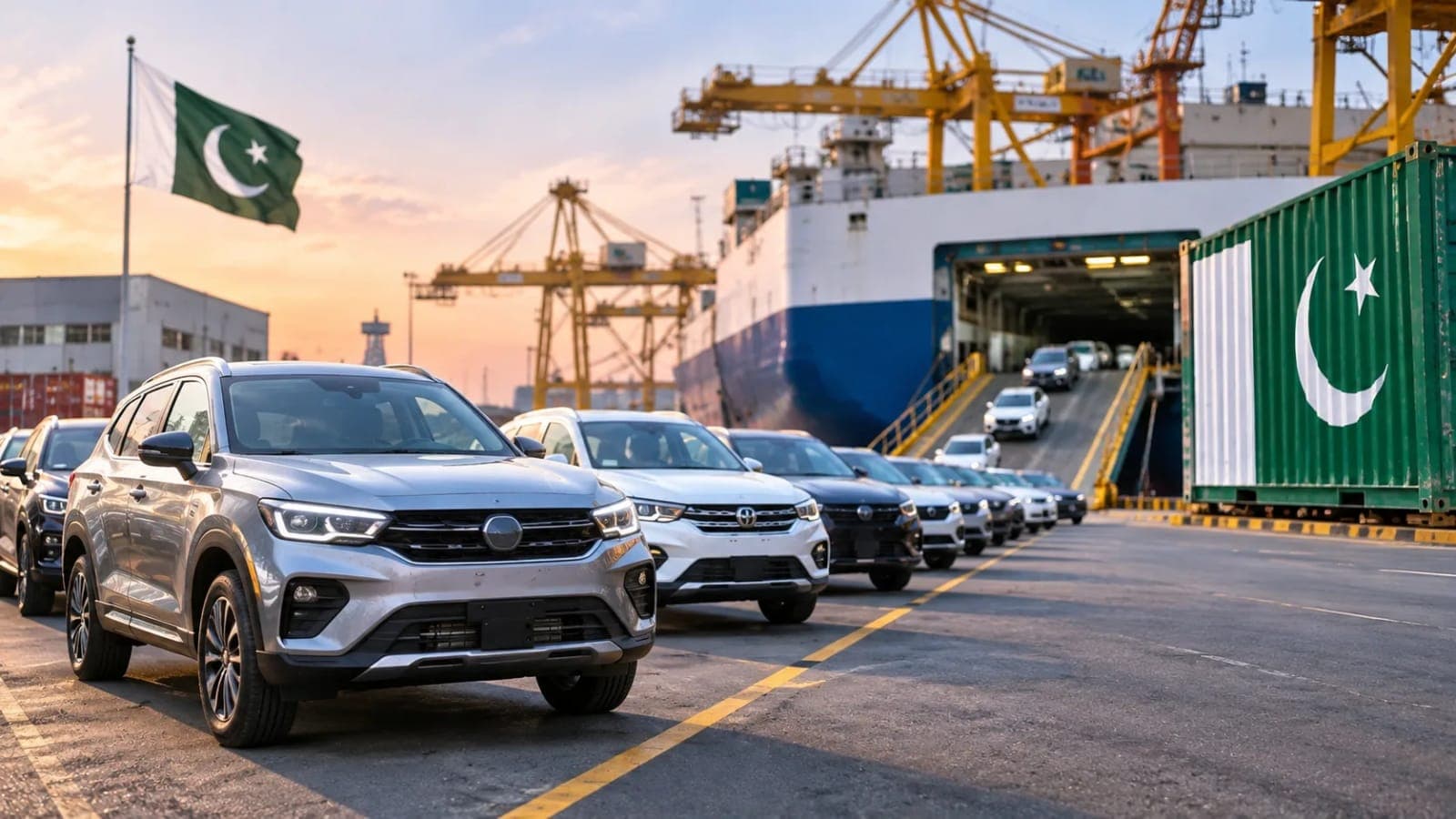
The new auto policy has been approved by Prime Minister Shehbaz Sharif after the International Monetary Fund raised no objection to the draft, The Express Tribune reported on Thursday.
The Autos and Auto Parts Manufacturing Policy 2026-31 sets a cumulative export target of $6 billion over five years.
The government will now take the policy to Parliament through a money bill, described as a mini-budget, after approval by the federal cabinet.
New auto policy: the targets in numbers
Of the $6.01 billion export target, about $3.29 billion, or 55 percent, is expected from auto parts manufacturers. Vehicle manufacturers are expected to contribute about $2.72 billion, or 45 percent.
The policy projects foreign exchange savings of about $17.7 billion over the five years, compared with importing the same vehicles in fully built form.
A Vendor Upgradation and Technology Transfer Programme worth Rs2.1 billion will support local parts makers. It will run through the Engineering Development Board and SMEDA.
Exporters will receive a 5 percent duty drawback on local taxes and levies. An extra 10 percent incentive applies on yearly export growth, according to reports on the policy.
Localisation becomes binding, not optional
Under the new auto policy, localisation stops being a promise and becomes a floor with arithmetic behind it.
Existing manufacturers must raise domestic value addition by 2 percent every year. That adds up to a cumulative 8 percent over the policy period.
By 2030-31, minimum local content must reach 40 percent for petrol and diesel cars and SUVs. For light commercial vehicles, the floor is 45 percent.
The floors are higher for simpler vehicles. Tractors must reach 80 percent local content, and motorcycles and rickshaws must reach 90 percent.
New energy vehicles have their own schedule. Their local content must reach 25 percent for cars and SUVs, and 30 percent for motorcycles and rickshaws, by 2030-31.
Missing a localisation target carries a price. The maker pays an extra three percentage points of customs duty on its non-localised CKD imports in the following year.
The Express Tribune also reported that missing export targets for two years risks cancellation of the manufacturer's licence.
What the new auto policy means for car buyers
Adviser to the Prime Minister on Industries and Production Haroon Akhtar Khan said the new auto policy moves the industry away from import-dependent assembly towards export-oriented manufacturing.
The framework was first presented at a press conference in Islamabad on 7 November, alongside Information Minister Attaullah Tarar.
Its six pillars cover affordable vehicles, exports, localisation, vehicle safety, electric vehicle promotion and transparency.
Reported proposals include a sales tax of 1 percent on fully electric cars, 6 percent on range-extended models and 9 percent on plug-in hybrids. Those tax measures remain subject to IMF approval.
Carmakers would also be barred from demanding more than 20 percent of a vehicle's price as a booking advance, according to reports on the draft.
For buyers, one point is clear today. No carmaker has announced model-wise price cuts yet, and any relief depends on the cabinet, the money bill and the tariff notifications that follow.
Pakistan's current auto exports are modest next to the $6 billion goal. That is why the new auto policy links every incentive to performance, rather than giving relief first and hoping for results later.
New auto policy: common questions
Has the new auto policy been approved? The prime minister has approved the draft after the IMF raised no objection. It still needs federal cabinet approval and a money bill in Parliament before its measures take legal effect.
Will car prices fall under the new auto policy? Cheaper vehicles are a stated goal of the policy, but no price cuts have been notified. Prices will only respond after tax and tariff notifications are issued.
What is the export target? About $6.01 billion over 2026-31, split between parts makers at 55 percent and vehicle manufacturers at 45 percent.
What happens if a company misses its targets? Extra customs duty applies to its non-localised imports. The Express Tribune reported that two years of missed export targets could also put the maker's licence at risk.
When will the new auto policy take effect? Different measures will switch on as each legal step completes: cabinet approval, the money bill, and then FBR and ministry notifications. No single start date has been announced.
The new auto policy is the government's biggest attempt in years to turn car assembly into an export industry. Its real test starts when the money bill reaches Parliament.
What happens next for auto
We will keep this page updated as the story develops rather than publishing a near-duplicate at a new address. Follow Auto for related coverage.
Get the Verified Brief
One email each morning with the stories we checked overnight.
Spotted an error? Read our corrections policy and tell the newsroom.