
Pakistan Recorded World's Largest Net Migration Loss of 1.62 Million in 2023, UN Data Reveals
Pakistan recorded a net migration loss of 1.62 million in 2023, UN estimates show. Here's what the figure means and why the real story is more complex.

By News Desk · Verified Pakistan News Desk
Published · Updated · 9 min read
Pakistan Recorded World's Largest Net Migration Loss of 1.62 Million in 2023
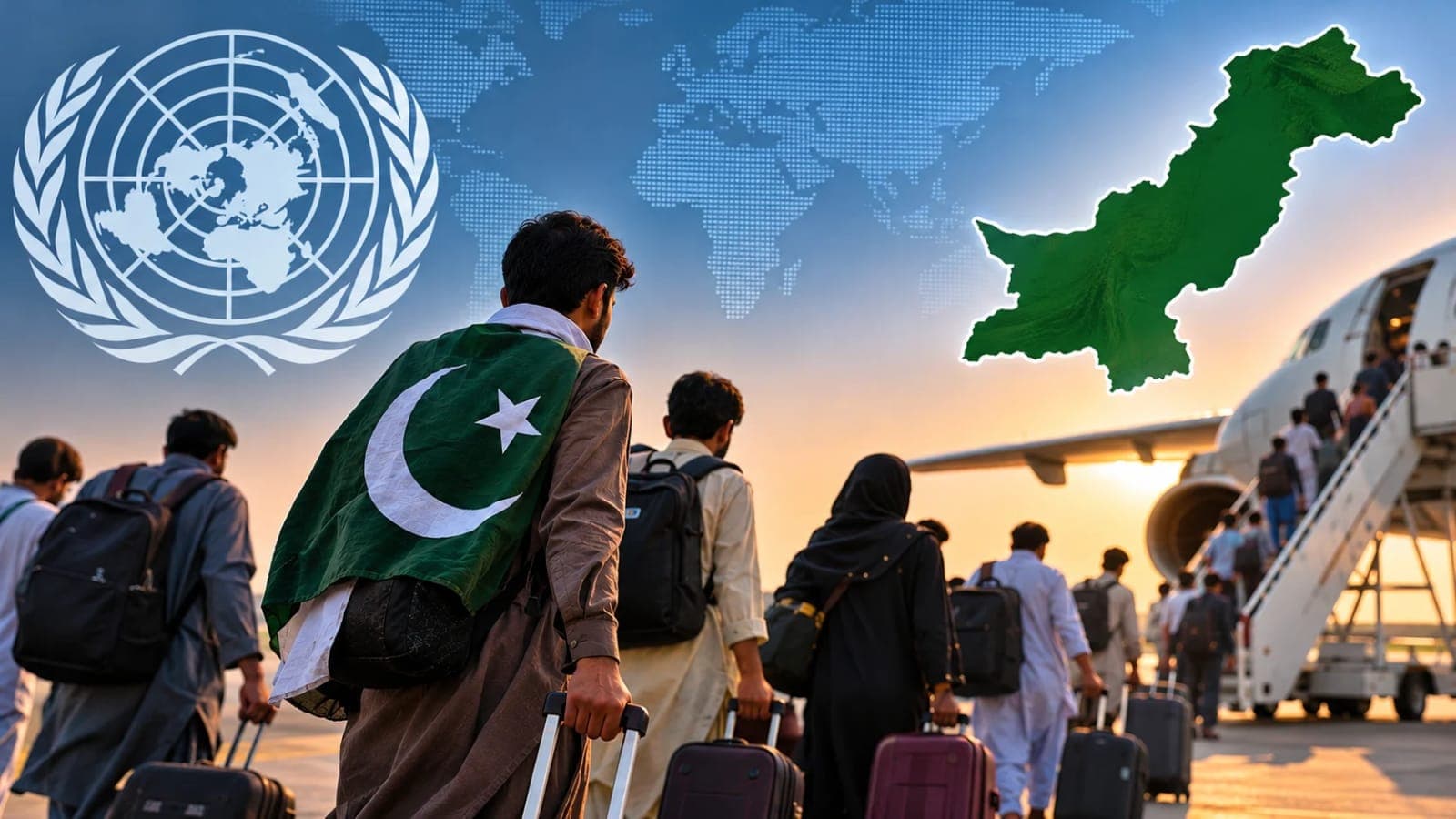
Pakistan recorded the world's largest net migration loss in 2023, with an estimated 1.62 million more people leaving the country than entering it, according to United Nations population data.
The figure, published in the UN's World Population Prospects 2024 revision, places Pakistan ahead of other countries experiencing major population outflows, including Sudan and India.
However, the number comes with an important distinction. It does not mean that 1.62 million Pakistani citizens permanently left their homeland in a single year.
Instead, the figure represents net migration, a broader demographic measure that includes the movement of foreign nationals, refugees and other migrants across international borders.
The difference matters because Pakistan experienced significant cross-border movements in 2023, particularly involving Afghan nationals returning to Afghanistan.
Pakistan Net Migration 2023: What Does the UN Data Show?
According to the United Nations Population Division, Pakistan recorded net migration of approximately minus 1.62 million in 2023.
This means the estimated number of people leaving Pakistan exceeded the number entering by 1.62 million.
The country recorded the largest negative net migration figure worldwide that year.
Sudan followed with an estimated net migration loss of 1.35 million, while India recorded approximately 979,000.
These figures highlight the scale of international population movements but do not explain why individuals moved or establish their nationality.
For Pakistan, understanding that distinction is essential.
A negative migration balance can reflect citizens moving overseas for employment, families relocating, refugees returning to their countries of origin and other forms of cross-border movement.
The UN figures combine these movements into one overall estimate.
The Hidden Twist Behind Pakistan's 1.62 Million Migration Loss
The most important detail behind the headline is that net migration is not the same as the number of Pakistani citizens emigrating.
Net migration measures the difference between immigration and emigration.
For example, if two million people leave a country while 500,000 enter during the same period, the country records negative net migration of 1.5 million.
That does not necessarily mean 1.5 million citizens left.
Some departing individuals may be foreign nationals who had previously been living in the country.
Similarly, people entering may include returning citizens, foreign workers, refugees or family members.
This distinction is particularly relevant to Pakistan because of its long history of hosting Afghan refugees.
The United Nations has acknowledged that refugee movements, especially those involving Afghanistan, have influenced its migration estimates for Pakistan.
Therefore, presenting the 1.62 million figure as proof that the same number of Pakistani citizens abandoned the country would be misleading.
Afghan Refugee Returns Played an Important Role
Pakistan has hosted Afghan refugees for decades, with successive waves arriving following conflict and political instability in Afghanistan.
In 2023, the Pakistani government introduced a repatriation campaign targeting undocumented foreign nationals, leading to substantial movements across the Pakistan-Afghanistan border.
An International Monetary Fund study published in 2025 estimated that approximately 500,000 Afghans returned from Pakistan during 2023.
These movements are particularly important when interpreting the country's migration statistics.
A foreign national leaving Pakistan for Afghanistan can contribute to Pakistan's negative migration balance, even though that individual is not a Pakistani citizen.
The UN's World Population Prospects 2024 release note also specifically identifies estimated refugee movements, particularly from Afghanistan, as a factor behind revisions to Pakistan's international migration data.
However, the available evidence does not establish exactly how much of the 1.62 million figure resulted from Afghan returns, Pakistani emigration or other population movements.
The figures should therefore not be treated as interchangeable.
Why Are Pakistanis Moving Abroad?
Alongside refugee movements, overseas employment remains an important part of Pakistan's migration story.
For many Pakistani families, working abroad offers opportunities to earn higher incomes, support relatives and build financial security.
Countries in the Gulf region have traditionally attracted Pakistani workers in construction, transportation, healthcare, engineering and other sectors.
Professionals also seek opportunities in Europe, North America and elsewhere.
Economic pressures, differences in wages, career prospects and educational opportunities can all influence migration decisions.
However, these motivations vary considerably from person to person.
Some workers travel abroad temporarily and eventually return, while others settle permanently with their families.
The UN's net migration estimate does not distinguish between these individual circumstances or provide a breakdown of the reasons people left.
As a result, the 2023 figure alone cannot establish how many Pakistanis departed because of inflation, unemployment, political uncertainty or other domestic challenges.
Such conclusions would require additional evidence from labour migration records, surveys and other official sources.
How Does Pakistan Compare With Other Countries?
Pakistan's estimated net migration loss in 2023 was larger in absolute terms than the figures recorded for Sudan and India.
Sudan experienced significant population displacement amid armed conflict, while India also recorded a substantial negative migration balance.
Yet comparing countries solely through total migration numbers can produce an incomplete picture.
Population size, refugee movements, employment opportunities and regional conflicts can all influence migration patterns.
A country with a large population may record a substantial absolute migration figure without having the highest migration rate relative to its population.
Similarly, a smaller country experiencing conflict may face a much greater proportional impact.
This is why migration researchers consider both total numbers and rates per 1,000 residents when examining international population movements.
Pakistan's position in the 2023 data reflects the largest estimated negative net migration total, not necessarily the world's highest emigration rate.
Did Pakistan's Population Actually Decline?
Despite recording negative net migration, Pakistan did not experience an overall population decline in 2023.
The United Nations estimated Pakistan's population at approximately 248 million in mid-2023 in its World Population Prospects 2024 release note.
A country's population changes through births, deaths and international migration.
When births exceed deaths by a sufficiently large margin, the total population can continue growing even if more people leave than enter.
That distinction is important because the phrase "Pakistan lost 1.62 million people" can easily create the impression that the country's total population fell by that amount.
The UN estimate instead describes a migration balance.
It does not represent deaths, and it should not be interpreted as an overall reduction in Pakistan's population.
What Does the Latest Migration Data Say?
Although the 1.62 million figure has attracted attention, it refers specifically to 2023.
It should not be presented as a newly recorded migration total for 2026.
The World Bank's UN-sourced migration series reports Pakistan's net migration at approximately minus 1.24 million for 2025.
This indicates that Pakistan continued to have a substantial estimated negative migration balance in the more recent data.
However, migration estimates are subject to revision as new demographic information becomes available.
Changes in refugee movements, government records and population estimates can affect the figures published for individual years.
The 2023 and 2025 numbers should therefore be identified by their respective years rather than combined into a single claim about the current situation.
What Does This Mean for Pakistan's Economy?
Migration can create both opportunities and challenges for Pakistan.
Overseas workers contribute to household incomes through remittances, helping families meet everyday expenses and supporting the country's foreign exchange inflows.
Money sent home can help pay for education, healthcare, housing and small businesses.
At the same time, the permanent departure of experienced professionals can raise concerns about skills shortages in sectors such as healthcare, technology and engineering.
However, not every person included in a negative net migration figure represents a worker or skilled professional leaving Pakistan.
The departure of foreign nationals and refugees has different demographic and economic implications from the emigration of Pakistani citizens.
That is why policymakers need detailed information about who is moving, where they are going and whether they intend to return.
A single net migration number cannot answer all these questions.
Conclusion
Pakistan's estimated net migration loss of 1.62 million in 2023 was the largest recorded worldwide in absolute terms, according to UN population estimates.
But the figure tells a more complicated story than the headline initially suggests.
It does not confirm that 1.62 million Pakistani citizens permanently left the country. Instead, it reflects the overall difference between people entering and leaving Pakistan, including foreign nationals and refugees.
Afghan refugee returns were an important part of the wider migration situation, while overseas employment and other forms of international movement also remain relevant.
The key takeaway is that Pakistan's migration figures deserve attention, but they must be reported accurately.
Understanding the people behind the numbers is just as important as understanding the numbers themselves.
Frequently Asked Questions
1. Did 1.62 million Pakistanis leave the country in 2023?
Not necessarily. The UN figure represents negative net migration, which includes movements of Pakistani citizens and foreign nationals. It does not separately identify 1.62 million Pakistani emigrants.
2. Did Pakistan record the world's highest migration loss?
Pakistan recorded the largest negative net migration total in absolute numbers for 2023 in the UN World Population Prospects 2024 dataset. This does not mean it had the highest migration rate relative to population.
3. Why was Pakistan's net migration negative?
The figure reflects more people leaving than entering. Afghan refugee returns, overseas employment and other international movements are relevant factors, although the dataset does not provide an exact breakdown of each cause.
4. Is the 1.62 million migration figure from 2026?
No. The figure refers to 2023. More recent UN-sourced data published through the World Bank shows a different estimated migration balance for 2025.
5. Does negative net migration mean Pakistan's population is shrinking?
No. A country can record negative net migration while its population continues to grow if births exceed deaths by a sufficiently large margin.
What happens next for national
We will keep this page updated as the story develops rather than publishing a near-duplicate at a new address. Follow National for related coverage.
Get the Verified Brief
One email each morning with the stories we checked overnight.
Spotted an error? Read our corrections policy and tell the newsroom.