
Hormuz LNG Tanker: Mine Blast Hits Gas Carrier in Strait
A Hormuz LNG tanker has hit a naval mine in the Strait of Hormuz, Iran said on Friday, as attacks on shipping in the waterway keep rising.

By News Desk · Verified Pakistan News Desk
Published · Updated · 5 min read
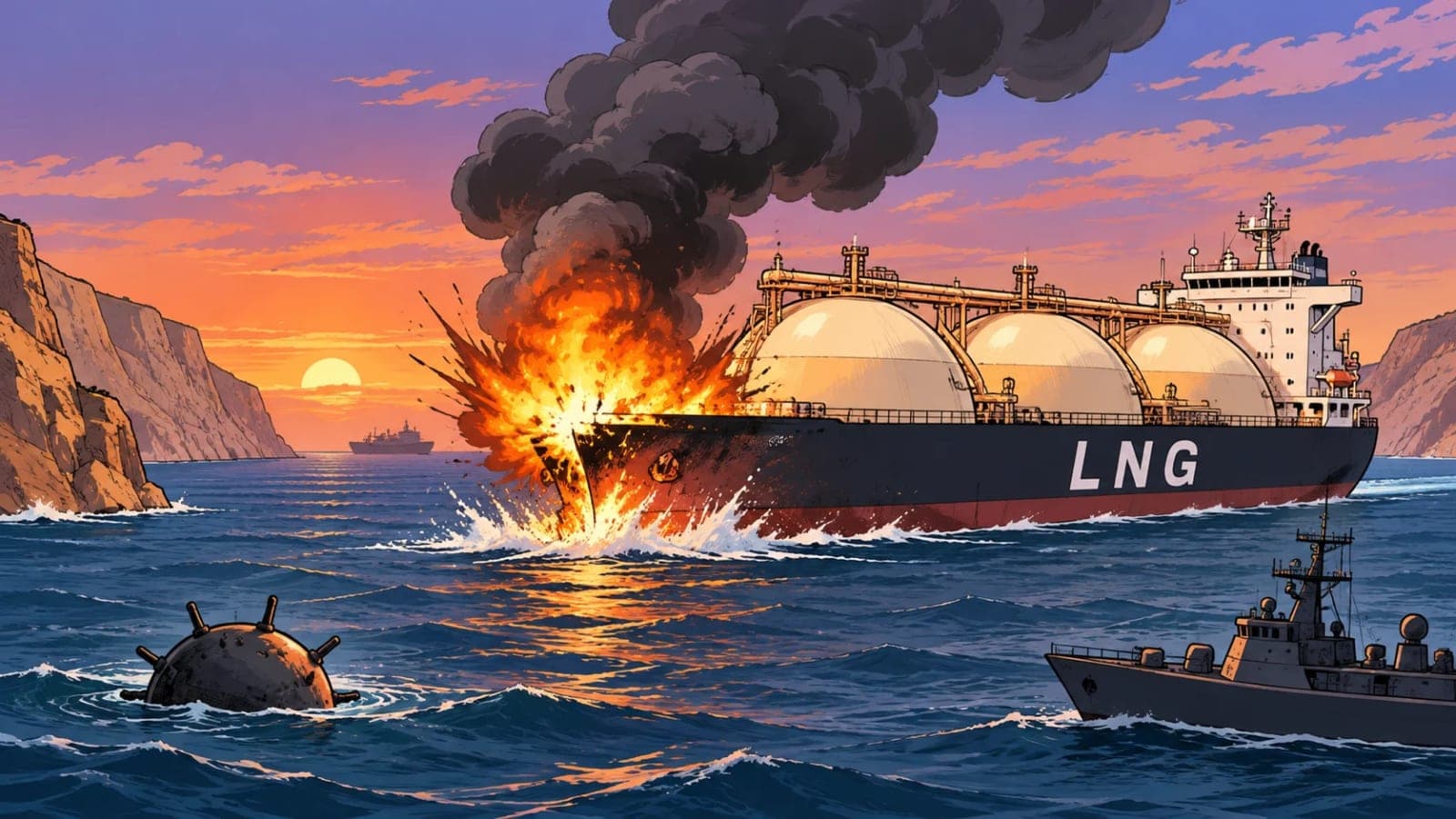
A Hormuz LNG tanker has struck a naval mine and suffered an explosion in the Strait of Hormuz, Iran's Revolutionary Guards navy said on Friday.
The Guards said the tanker was using what they described as an unauthorised and dangerous route.
State media reported the statement, according to Reuters.
No details on the tanker were immediately available.
There was no information about the ship's name, flag, crew or destination.
The Hormuz LNG tanker claim has not been independently verified.
The announcement adds to a fast growing list of attacks on commercial shipping in the strait.
It also raises fresh questions about the safety of energy shipments moving through the narrow waterway between Iran and Oman.
The waterway sits between Iran to the north and Oman and the United Arab Emirates to the south.
At its narrowest it is only about 33 kilometres wide, yet it handles a huge share of world energy trade.
Hormuz LNG tanker: what Iran has said
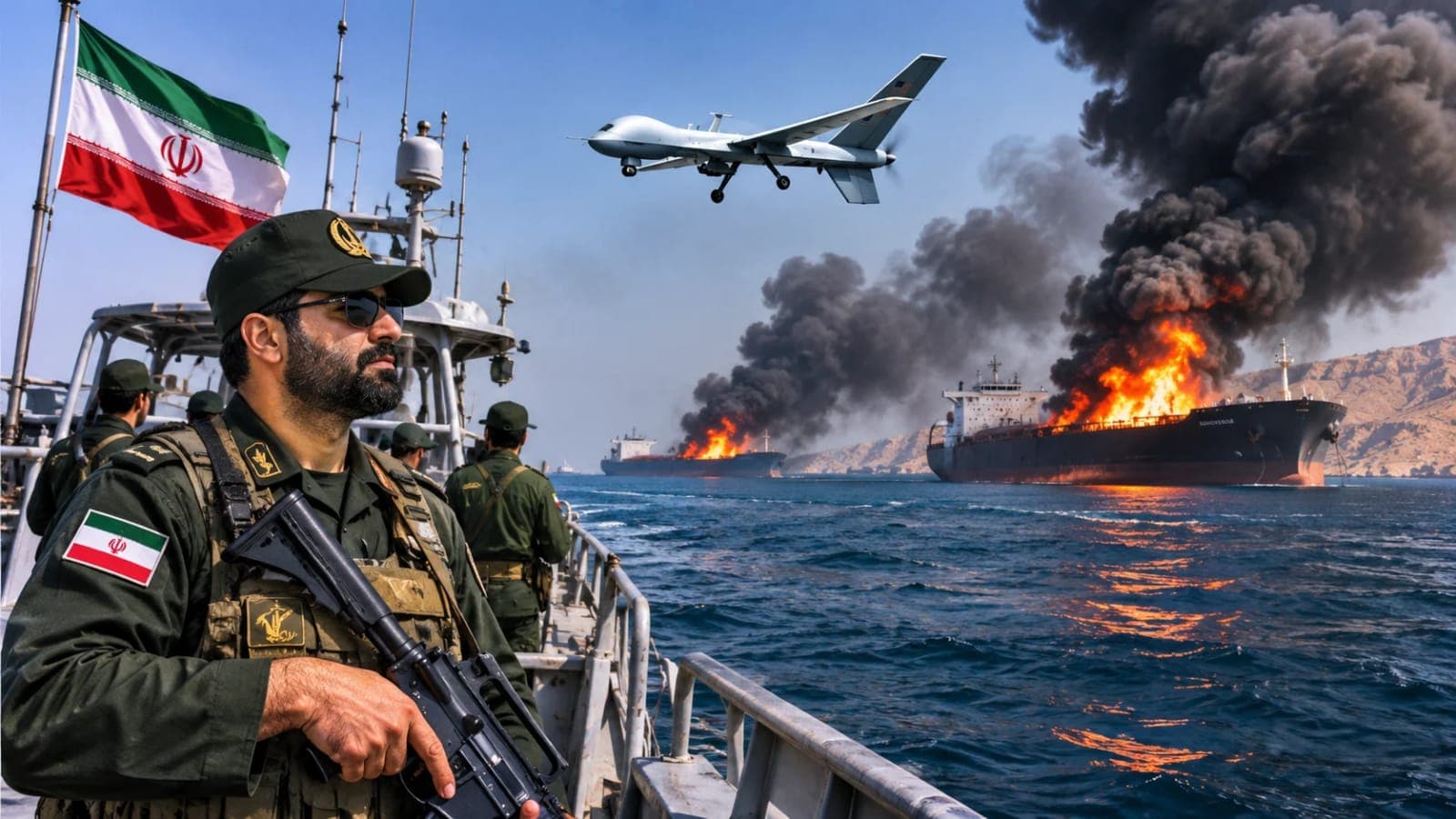
According to the Guards' account, the Hormuz LNG tanker was travelling through an area that Tehran treats as restricted.
Iranian officials have repeatedly warned ships to follow approved routes through the strait.
Vessels that ignore those warnings are described by Tehran as offenders.
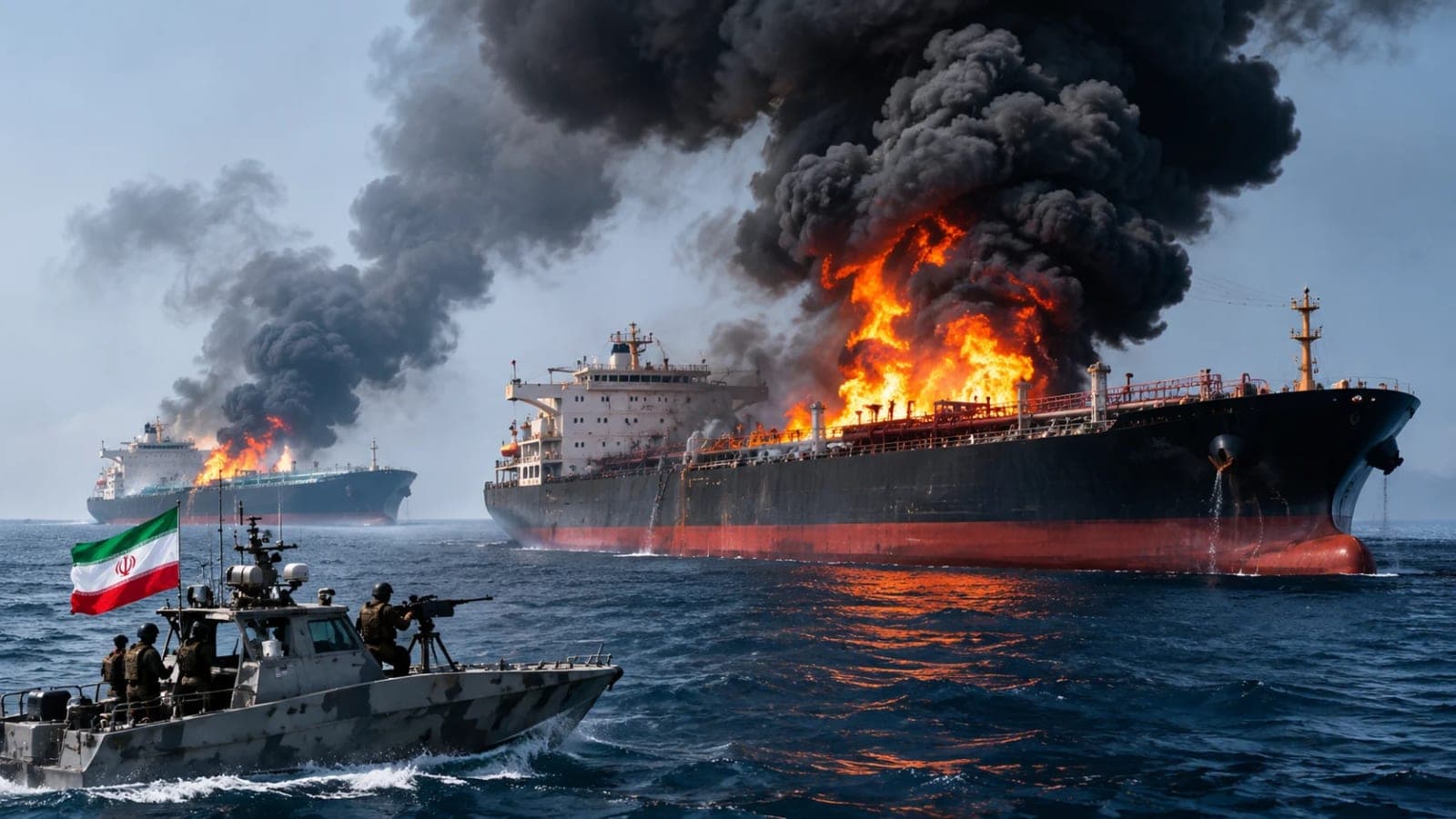
Iranian media reported on Thursday that four oil tankers were hit by explosions in the same waterway.
Those reports said the vessels had ignored warnings and entered what Iran considers restricted areas.
In a separate claim, Iran's state news agency IRNA reported the military's account of two offending oil tankers.
IRNA said the two tankers hit sea mines and caught fire while using a prohibited route.
That report was carried in Dawn's live coverage of the conflict on Friday.
None of the Iranian accounts named the vessels involved.
Shipping companies and foreign governments have not publicly confirmed the Hormuz LNG tanker account.
Iranian commanders say ships must follow the routes Tehran has approved while crossing the strait.
Warnings to shipping have been issued repeatedly since the attacks escalated earlier this year.
Attacks are rising across the strait
Tankers are still facing attacks across the strait, Reuters reported.
The attacks continue despite a rebound in traffic through the waterway in recent weeks.
Expectations of a de-escalation in the US and Israeli war on Iran had been reflected in falling oil prices.
The Hormuz LNG tanker blast shows how fragile that calm remains.
At least 10 ships were hit in the first 10 days of November.
That followed 37 attacks in October alone.
October was the highest monthly tally since the conflict began in late February.
The figures come from data compiled by the Washington Institute for Near East Policy.
The pattern has made the strait one of the most closely watched shipping routes in the world.
Every new incident is checked by traders, insurers and governments within minutes.
Reuters reported on Friday that oil prices settled up by 3 dollars a barrel.
That rise followed attacks on Saudi energy infrastructure and fresh shipping disruption in the strait.
The International Energy Agency still expects the world oil market to return to surplus late this year.
It says Middle East exports are recovering faster than global demand, despite the continued attacks.
Why the Hormuz LNG tanker route matters
The Strait of Hormuz is one of the most important energy corridors on the planet.
Oil and liquefied natural gas from the Gulf move through it to buyers in Asia and Europe.
Any threat to that traffic quickly reaches fuel and gas markets around the world.
A single Hormuz LNG tanker incident can push up shipping insurance costs and freight rates.
Pakistan is among the countries watching the situation closely.
LNG cargoes bound for Pakistan pass through the strait on their way from Qatar and the Gulf.
A long disruption would put pressure on gas supplies and electricity generation at home.
It would also test Pakistan's foreign exchange reserves at a difficult time.
For now, traffic through the strait continues to move.
But the Hormuz LNG tanker explosion underlines how exposed that traffic has become.
Shipping firms now weigh every transit against the risk of mines, missiles and seizures.
Until the attacks stop, each crossing of the strait carries a risk it did not carry a year ago.
LNG cargoes are planned weeks in advance, and terminals in Asia schedule their deliveries tightly.
Even a short closure scare can ripple through gas markets far beyond the Gulf.
The latest claim came on a day when the wider conflict again flared.
Dawn's live coverage reported fresh strikes and warnings across the region on Friday.
Hormuz LNG tanker: common questions
What happened to the Hormuz LNG tanker?
Iran's Revolutionary Guards navy said the tanker struck a naval mine and suffered an explosion on Friday. State media carried the claim, and no details about the vessel were released.
Has the Hormuz LNG tanker mine claim been verified?
No. The claim comes from the Guards through Iranian state media, and it has not been independently verified. Reuters reported the statement without confirming the mine account itself.
How many ships have been hit near the strait recently?
At least 10 ships were hit in the first 10 days of November. October saw 37 attacks, the highest monthly tally since the conflict began in late February, according to Washington Institute data.
Why does the Strait of Hormuz matter for energy markets?
The strait carries a large share of the world's traded oil and liquefied natural gas. Attacks there raise fears of supply disruption, and prices and insurance costs react quickly.
What does the Hormuz LNG tanker blast mean for Pakistan?
LNG cargoes for Pakistan travel through the strait from the Gulf. Continued attacks raise the risk of delays, higher shipping costs and pressure on gas supplies at home.
What happens next for global
We will keep this page updated as the story develops rather than publishing a near-duplicate at a new address. Follow Global for related coverage.
Get the Verified Brief
One email each morning with the stories we checked overnight.
Spotted an error? Read our corrections policy and tell the newsroom.