
Quetta Data Centre Opens as Balochistan's First Data Centre
Balochistan has opened its first Quetta data centre, a new NTC facility that will store government records securely and speed up services across the province.

By Suleman Mirza · Reporter
Published · Updated · 5 min read
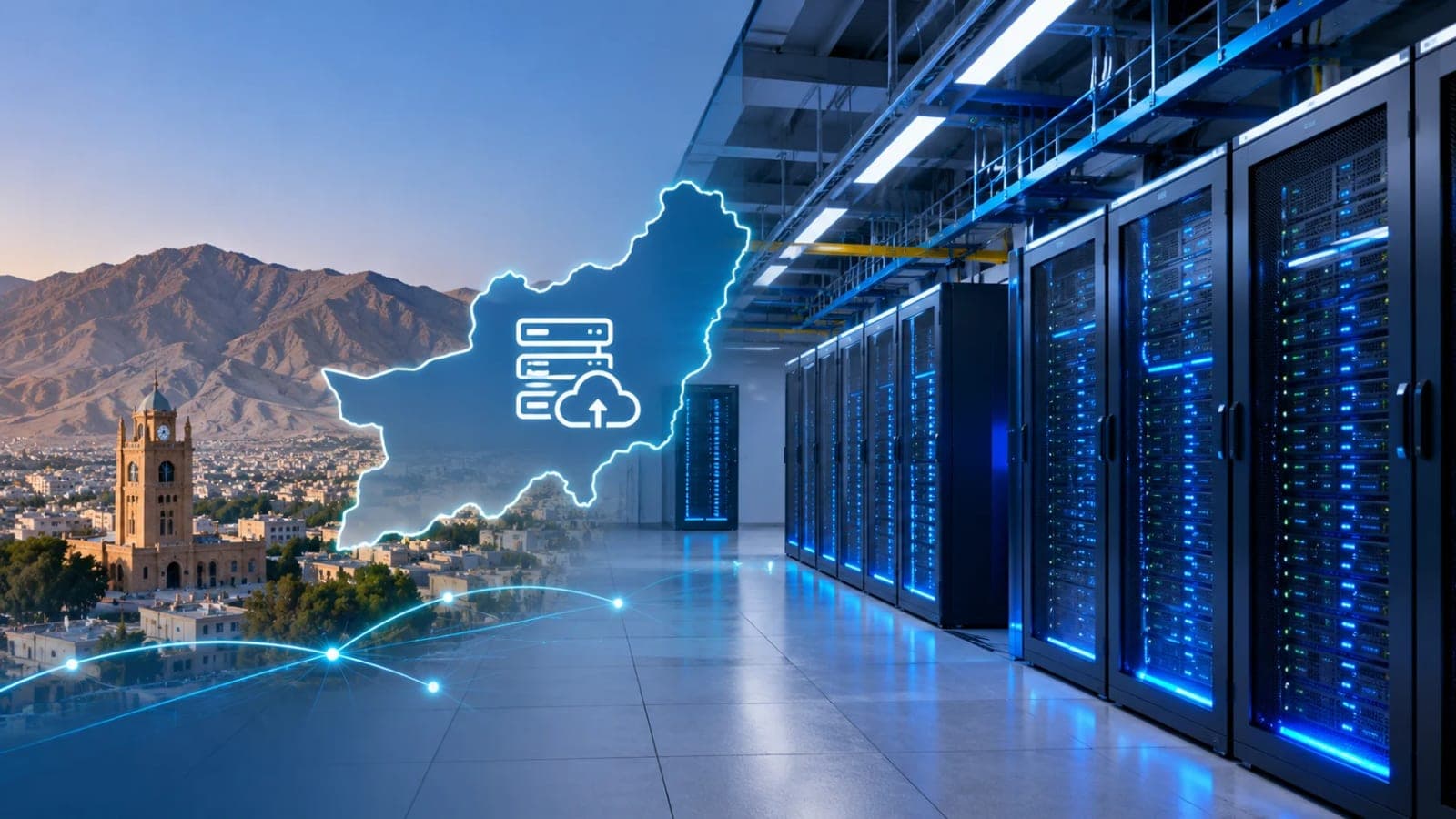
Balochistan finally has a data centre of its own. The new Quetta data centre was formally inaugurated in Quetta on Tuesday, 24 November 2026, and it is the first facility of its kind in the province. For people in Balochistan, that matters more than it might sound. Government records, from land papers to job applications, have long lived in paper files spread across offices. This facility gives those records a proper digital home, a first step toward services that are faster and fairer.
Chief Minister Mir Sarfraz Bugti inaugurated the National Telecommunication Corporation (NTC) Data Centre and toured its sections, where officials briefed him on how it works. NTC Managing Director Major General (Retd) Ali Farran was also present. The chief minister called it a significant milestone for the province, and thanked the federal government and the NTC team for bringing it to Quetta.
What the Quetta data centre will actually do
A data centre is, at its simplest, a secure building full of computers that store information. The Quetta data centre will hold the data of Balochistan government departments in one central place, instead of each department keeping its own scattered records. The chief minister said the facility will support secure storage and centralised management of provincial government data, so records can be found, checked and shared between departments without the usual paper chase.
He also directed the provincial IT secretary to work closely with the NTC and the federal government. The task is clear: digitise the data of all provincial government departments and store it securely under one framework. That is a big job, and it will not happen overnight, but the centre gives the province somewhere to put that data once it is digitised.
Why this matters for ordinary people
Most people will never walk into this building, and they do not need to. What they should notice over time is how government offices treat their information. When records sit in one secure system, a citizen should not have to submit the same document to three offices, or watch an application stall because a file cannot be found. Digital records also leave a trail, and records stored in the Quetta data centre will be easier to audit, which makes it harder for someone to quietly change a record.
The chief minister linked that trail to his wider message: merit, transparency and firm action against corruption are the best way to give young people equal opportunities. The same thinking sits behind a separate step announced at the ceremony, an AI based testing system introduced in Balochistan for the first time to support merit based recruitment. He also said Balochistan's youth can join the national mainstream through merit and modern technology.
Security is part of the plan, not an afterthought
The chief minister stressed protecting government information. He said securing official data matters from a national security point of view, and that the highest standards of cybersecurity must be maintained. That matters, because a single breach at the Quetta data centre could expose records from many departments at once.
The facility is run by the National Telecommunication Corporation, which already operates data centres for the federal government. That experience is part of the reason the project came to Quetta through the NTC rather than being built from scratch by the province.
What happens next
The practical work now sits with the provincial IT department. Its job is to coordinate with the NTC and the federal government, and to begin moving departmental data into digital form so it can be stored in the Quetta data centre. That means scanning records, cleaning up old data, and training staff. None of that is quick, and people should judge the project by what changes in government offices over the coming months, not by the ceremony alone.
There are honest questions that remain unanswered for now. No public details have been shared about its storage capacity, backup power, or which departments will move their data first. Connectivity in remote districts is another real challenge, because the centre helps most when the offices it serves can reliably connect to it. Pakistan has felt the cost of weak digital links before, as the recent internet slowdown after the SMW5 cable fault showed.
What it means for Pakistan's wider digital push
Balochistan's new facility fits into a bigger national shift. Telecom infrastructure is changing hands across the country, including the Osiris Group move to buy EDOTCO Pakistan's 3,000 telecom towers, and more Pakistani firms are going digital with support such as the NEEM and ADB investment backing 70 firms. The Quetta facility adds the public sector side: government data, stored at home in the province.
For now, the fair way to see the Quetta data centre is as a foundation stone. It will not fix slow services on its own, and it will not create jobs by itself. But every digital service Balochistan wants to offer needs somewhere safe for its data to live. As of 24 November 2026, that place exists.
Frequently asked questions
Is this really Balochistan's first data centre? Yes. The provincial government and the NTC describe the facility inaugurated on 24 November 2026 as the province's first data centre.
Who runs the Quetta data centre? It is a National Telecommunication Corporation (NTC) facility, inaugurated by Chief Minister Mir Sarfraz Bugti with NTC Managing Director Major General (Retd) Ali Farran present.
Will this improve internet speed in Balochistan? Not directly. A data centre stores and manages data, it does not by itself provide internet connections to homes. Better services depend on the centre plus reliable connectivity in each district.
What kind of data will it store? Government records from provincial departments, digitised and stored centrally under one framework, as the chief minister directed.
When will people see a difference? That depends on how quickly departments digitise records and move services online. The real change comes when offices start using the Quetta data centre for everyday work.
What happens next for tech
We will keep this page updated as the story develops rather than publishing a near-duplicate at a new address. Follow Tech for related coverage.
Get the Verified Brief
One email each morning with the stories we checked overnight.
Spotted an error? Read our corrections policy and tell the newsroom.