
Cnergyico Refinery Upgrade Confirmed: $300 Million Plan for Pakistan
Cnergyico seeks up to $300 million in foreign loans for its Cnergyico refinery upgrade, a $1.2 billion project to make cleaner Euro-V fuel in Pakistan.

By Suleman Mirza · Reporter
Published · Updated · 5 min read
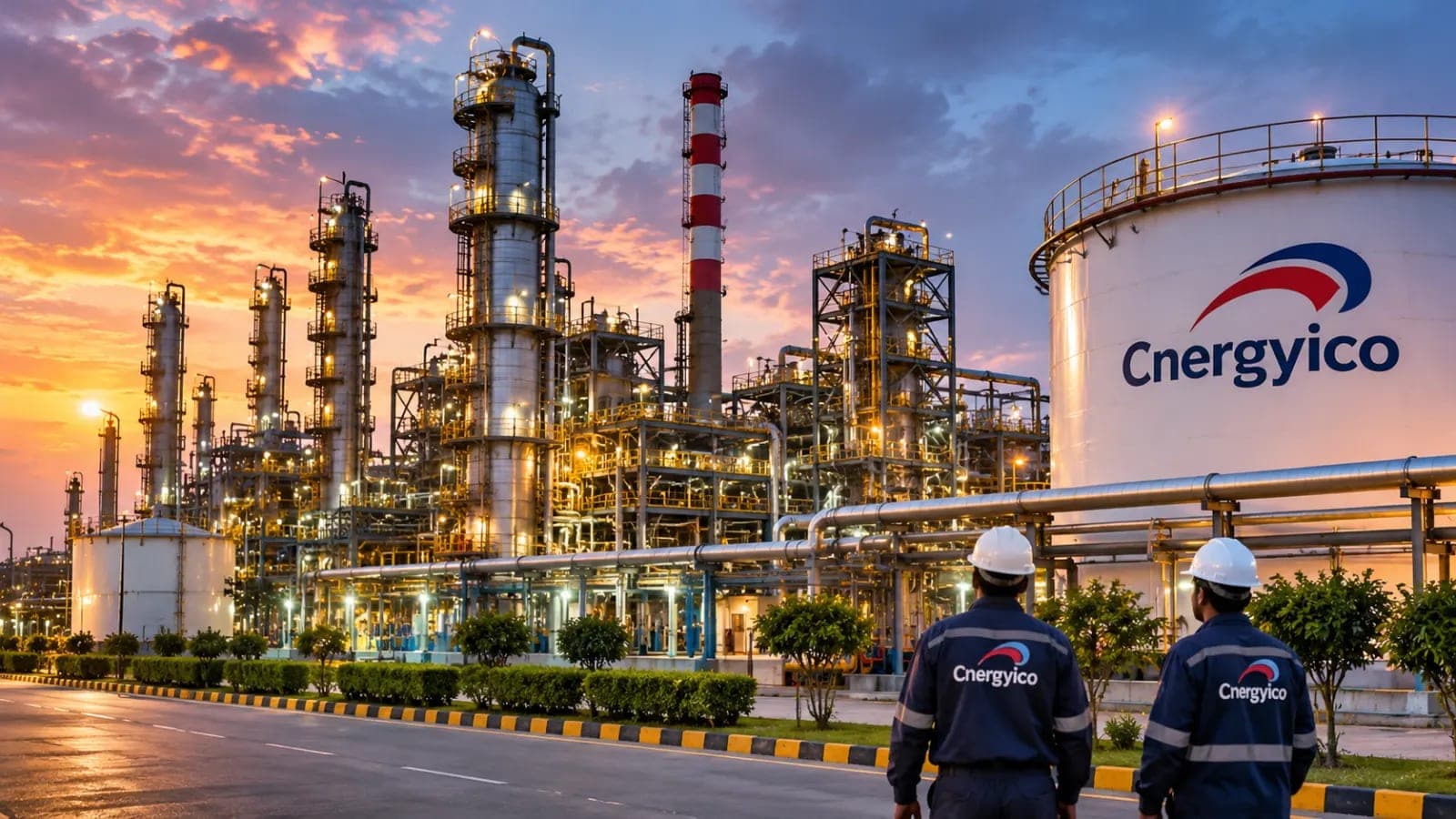
Pakistan's biggest oil refinery has gone looking for foreign money to rebuild itself. Cnergyico Pakistan Limited, which runs the country's largest refining complex at Hub in Balochistan, is seeking $150 million to $300 million in foreign project financing, and the Cnergyico refinery upgrade is now moving from paper to lenders' desks. The full project should cost $1.2 billion to $1.5 billion, one of the largest energy investments in Pakistan in years.
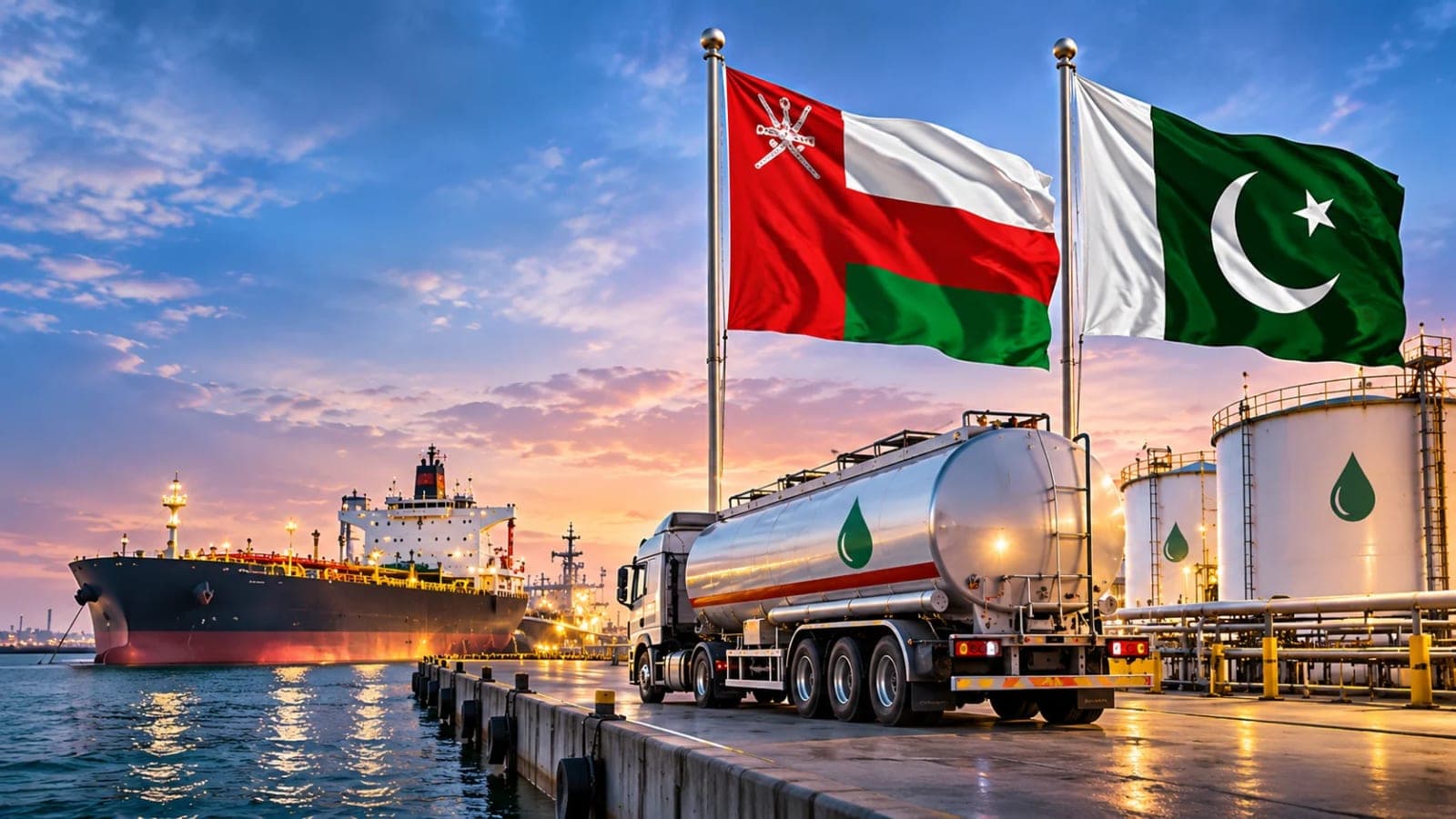
The details came from a corporate briefing the company held on Tuesday, shared in a research note by Topline Securities. Cnergyico's management has held encouraging discussions with the US Export-Import Bank, the US International Development Finance Corporation (DFC) and lenders in the Middle East. No loan has been signed yet.
How the Cnergyico refinery upgrade will be paid for
The funding plan has three legs. Under the $1.2 billion version, about $300 million is expected to come through customs duty incentives under the government's refinery policy, and the remaining $900 million would be arranged by the sponsors and the lenders. That part is now being negotiated in the United States and the Middle East. If the project grows to $1.5 billion, more would need to be raised, which is why the talks are happening before construction starts.
Cnergyico signed its upgrade agreement with the government in September 2026 under the Pakistan Oil Refining Policy. The company has already booked a Rs4 billion penalty in its FY26 accounts under that agreement, a reminder the deal comes with deadlines as well as incentives.
Three phases, starting with cleaner petrol and diesel
The Cnergyico refinery upgrade is planned in three clear phases. Phase 1 will upgrade petrol and high speed diesel to Euro-V standards. Phase 2 will convert fuel oil, the heavy leftover that earns the least, into lighter and more valuable fuels. Phase 3 will expand capacity and improve port facilities.
For drivers, the first phase is the one that counts. Euro-V fuel burns cleaner than what most Pakistani pumps sell today, and modern car engines are built for it. A refinery that makes Euro-V petrol and diesel at home means Pakistan imports less finished fuel, which shows up in the import bill long before it reaches the pump. Our daily petrol price in Pakistan page tracks pump rates.
Why this upgrade matters for Pakistan
Pakistan imports a large share of the fuel it burns, and every litre bought abroad costs foreign exchange. The Cnergyico refinery upgrade is part of a bigger national push: regulator OGRA puts the upgrade of Pakistan's five major refineries at about $5.7 billion in total, with work due to finish between 2028 and 2030. That programme should nearly double petrol production, lift diesel output by about 47 percent and save roughly $1 billion in foreign exchange every year.
Cnergyico is not the only refinery in the race. Pakistan Refinery Limited, National Refinery Limited, Attock Refinery and PARCO are all upgrading under the same policy. Cnergyico's management told analysts it is ahead of the other domestic refiners, a claim the financing talks now have to back up. Energy deals with other countries are also in play, as our look at what the expected Pakistan and Russia deals could mean for trade and energy explains.
The company behind the plan
Cnergyico was once known as Byco Petroleum, and it has been in the oil business since 2007. Its Hub complex houses two refineries with a combined capacity of 156,000 barrels a day, the largest in the country, and it sells fuel through more than 450 retail sites under the Byco brand. It also runs Pakistan's first and only single point mooring terminal, a deep sea facility off the Balochistan coast where crude carriers unload directly into storage.
The company has also been changing where it buys its crude. In FY26, about 48 percent came from the United States, 25 percent from Africa, 21 percent from the Middle East and 6 percent from the Caspian region. Management is also talking to investors about a second mooring terminal to help export refined products. A revised petrol pricing formula is expected to add Rs30 to Rs35 per litre to profitability, part of why lenders will listen.
What happens next
For the Cnergyico refinery upgrade to work, the money has to arrive in the right order. First the foreign loans have to be agreed, then the duty incentives have to flow under the policy, and only then can construction begin. Watch for a formal financing announcement in the coming months and the company's next analyst briefing, where lender names and loan sizes should become clearer. If the talks with the US EXIM Bank and the DFC turn into signed agreements, this stops being a plan and becomes a construction site.
Cnergyico refinery upgrade: your questions answered
When will the Cnergyico refinery upgrade be finished?
The wider five refinery programme is expected to finish between 2028 and 2030, and Cnergyico's work runs on a similar timeline. The company has not given a single completion date yet, so treat 2030 as the outer edge, not a promise.
What is Euro-V fuel?
Euro-V is a fuel quality standard that limits sulphur and other pollutants. Petrol and diesel made to this standard burn cleaner, produce less smoke and suit modern car engines. Most fuel sold in Pakistan today does not meet it.
Will petrol get cheaper because of this upgrade?
Not directly, and not soon. The upgrade should cut imports and improve fuel quality, which helps the economy over time. Pump prices still depend on world oil prices, the rupee and taxes, so do not expect a price cut once the work is done.
The Cnergyico refinery upgrade sounds technical until you connect it to the pump. Cleaner fuel, fewer imports and a refinery that can pay its own way all start with the same thing: someone willing to lend the money to build it. The lenders are listening. What matters now is whether the talks turn into signatures.
What happens next for business
We will keep this page updated as the story develops rather than publishing a near-duplicate at a new address. Follow Business for related coverage.
Get the Verified Brief
One email each morning with the stories we checked overnight.
Spotted an error? Read our corrections policy and tell the newsroom.