
Bab el-Mandeb: Houthis Take Control as Yemen Forces Withdraw
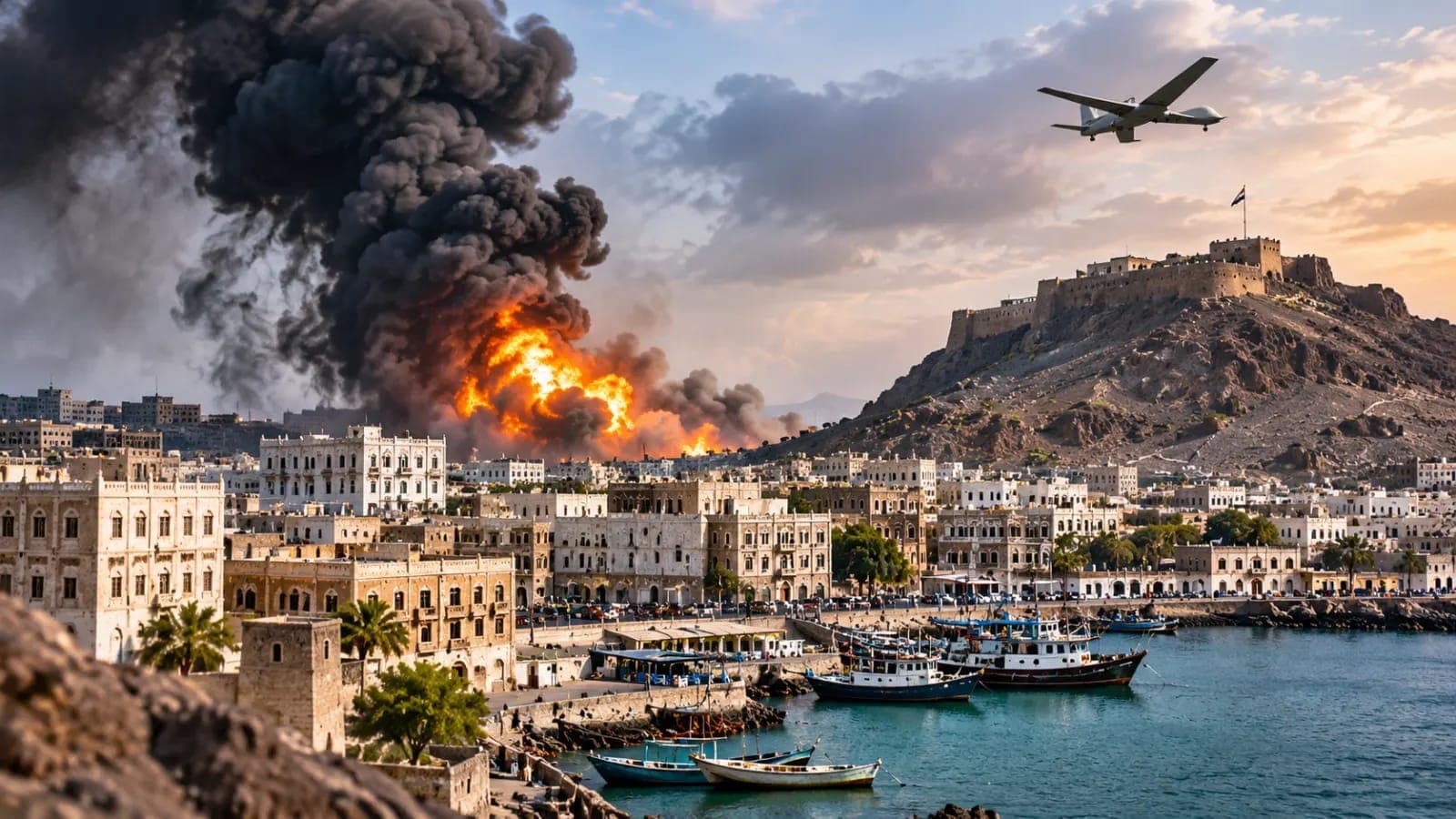
Yemeni government forces have pulled out of the Bab el-Mandeb area, handing the Iran-aligned Houthis control of one of the world's busiest shipping lanes.

By News Desk · Verified Pakistan News Desk
Published · Updated · 5 min read
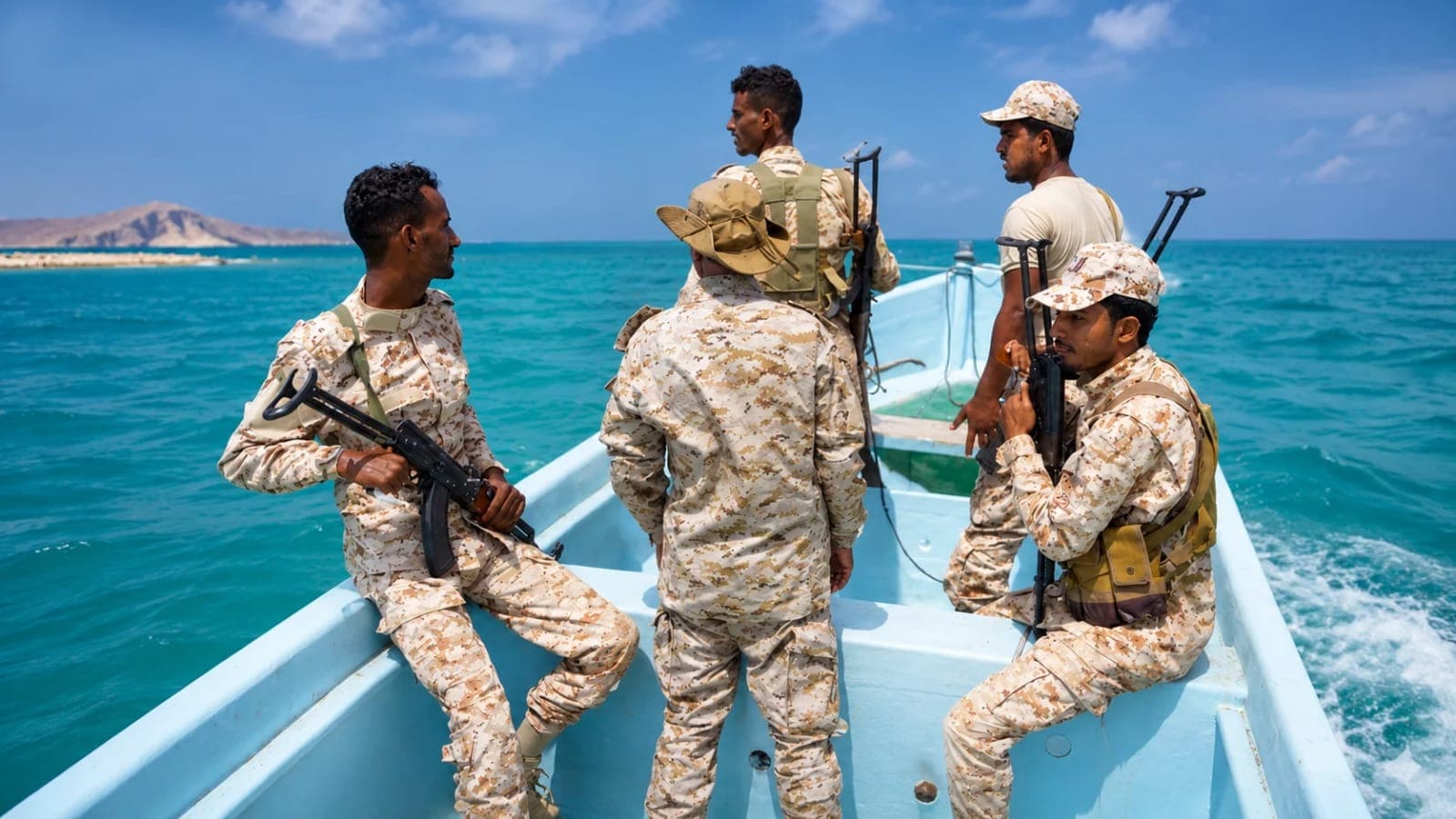
Bab el-Mandeb is now under Houthi control after Yemeni government forces announced on Sunday that they were withdrawing from the area overlooking the strategic strait. The Southern Armed Forces said their troops were redeploying from Dhubab Airport and the Bab el-Mandeb area, west of Taiz Governorate, towards Aden, the seat of the government.
The withdrawal hands the Iran-aligned Houthis greater leverage over one of the world's most important maritime chokepoints. The southern forces said the step was taken to secure Aden and strengthen front lines as Houthi fighters press southern areas still under government control.
What happened at Bab el-Mandeb on Sunday
The announcement came on Sunday, 15 November 2026, and was reported by Reuters and carried by Khaleej Times, Firstpost and The Telegraph India. The Houthis already control much of northern Yemen, including the capital Sanaa and the country's most populous areas. Their fighters pushed south in September to seize the Red Sea coast, and government forces launched an October campaign to retake it. That fighting broke a UN-brokered truce from 2022, and the withdrawal now leaves the Houthis in control of the strait itself.
Why Bab el-Mandeb matters for world shipping
Bab el-Mandeb is the narrow strait that connects the Red Sea with the Gulf of Aden and the Arabian Sea. It is the southern gateway to the Suez Canal and the main sea route between Asia and Europe. Around 15 percent of global seaborne trade passes through Bab el-Mandeb every year, worth more than one trillion dollars, according to research published in September.
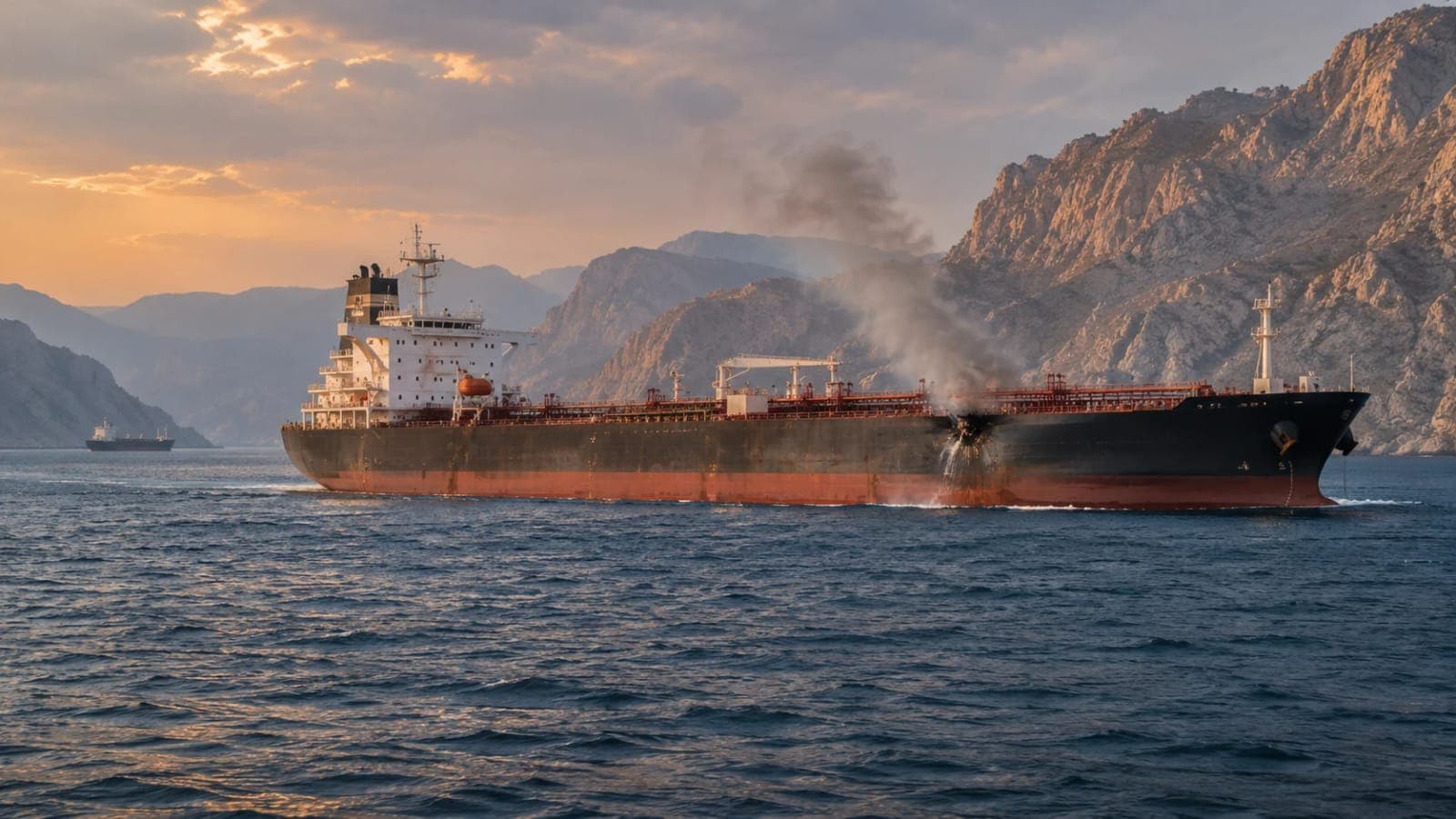
The strait is only about 18 miles wide at its narrowest point, which makes it easy to threaten from positions on the Yemeni coast. It also carries around 4.2 million barrels of oil a day, along with about 30 percent of the world's container traffic. When shipping through Bab el-Mandeb becomes unsafe, vessels reroute around Africa, adding 10 to 14 days to Asia-Europe voyages and much higher fuel and insurance costs, which eventually reach consumers as higher prices.
The double squeeze on oil routes
The Bab el-Mandeb development comes while Iran continues to disrupt traffic through the Strait of Hormuz on the other side of the Arabian Peninsula. Together, the two straits control the flow of Gulf oil and gas to Europe and Asia. Saudi Arabia has already redirected much of its oil overland through the East-West Pipeline to its Red Sea port of Yanbu to bypass Hormuz, and that alternative route is now under pressure too.
The Houthis have already struck Saudi ports, airports and facilities of state oil company Saudi Aramco, including the Red Sea export hub of Yanbu, and they announced a maritime embargo against Saudi vessels in July. Energy costs have already risen this year as Hormuz traffic was disrupted, with oil climbing from around 70 dollars a barrel in February to about 90 dollars by late August. Traders will now watch whether the Bab el-Mandeb move pushes prices higher still.
What it means for Pakistan
Pakistan should watch this closely, because both straits sit on the routes that carry the oil Pakistan imports and the goods it trades with Europe and the Gulf. Any sustained disruption at Bab el-Mandeb can raise shipping and fuel costs, and higher oil prices feed directly into petrol and diesel prices at home.
The strait has not been closed outright, and some vessels continue to pass through it, but traffic has fallen sharply and many shipping companies already reroute around Africa. The Houthis now hold the ground that overlooks Bab el-Mandeb, which gives them the ability to threaten vessels passing through it.
Bab el-Mandeb questions answered
Q: Where is Bab el-Mandeb? A: Bab el-Mandeb is the strait between Yemen and Djibouti and Eritrea on the African coast. It links the Red Sea to the Gulf of Aden, and it is the southern entrance to the Suez Canal route between Asia and Europe.
Q: Who are the Houthis? A: The Houthis are an Iran-aligned armed group that controls much of northern Yemen, including the capital Sanaa. They have fought Yemen's government since 2014 and have repeatedly attacked shipping in the Red Sea.
Q: Why is Bab el-Mandeb important? A: About 15 percent of world seaborne trade passes through Bab el-Mandeb, including millions of barrels of oil a day. It is the shortest sea route between Asia and Europe, so any threat to it raises shipping costs and delays deliveries.
Q: Is Bab el-Mandeb closed now? A: No. The strait has not been closed outright, and vessels are still passing through it, but traffic has fallen sharply and many shipping companies already reroute around Africa. The Houthis now control the land overlooking it, which lets them threaten passing vessels.
Q: Will oil prices rise after this? A: That is the fear in energy markets, and Pakistan imports most of its oil, so any sustained rise would eventually show up in local fuel prices.
What happens next for global
We will keep this page updated as the story develops rather than publishing a near-duplicate at a new address. Follow Global for related coverage.
Get the Verified Brief
One email each morning with the stories we checked overnight.
Spotted an error? Read our corrections policy and tell the newsroom.