
Iran Claims Bahrain Attack on US Radar Base With 6 Drones
The Bahrain attack claim shook the Gulf on Sunday as Iran said six drones hit a US radar base, while Saudi defences stopped missiles aimed at Riyadh.

By News Desk · Verified Pakistan News Desk
Published · Updated · 6 min read
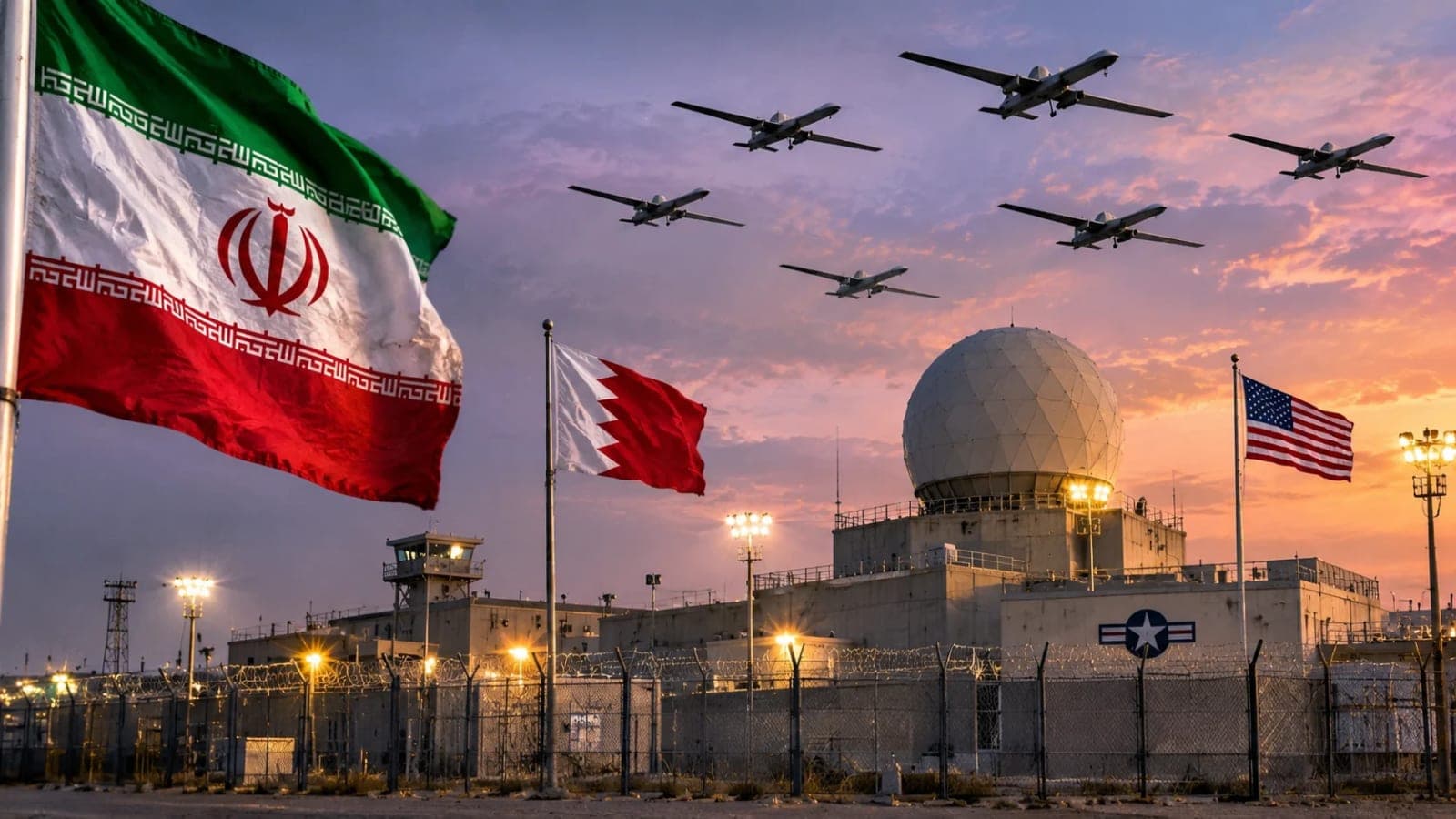
The Bahrain attack claim came early on Sunday, 15 November 2026, when Iran's Revolutionary Guards said six of their drones had struck a US air defence radar at the Riffa helicopter base in Bahrain.
Blasts and sirens rang out across Bahrain in the morning, and the kingdom's Interior Ministry issued two threat alerts urging residents to stay calm and move to the nearest safe place. An AFP journalist in Bahrain heard explosions at about 4:00 am local time, around 6:00 am in Pakistan, and residents reported a second series of blasts about two and a half hours later.
In a statement carried by Iranian state media, the Islamic Revolutionary Guard Corps said its Aerospace Force had targeted the radar system at the Riffa helicopter base with six drones. The statement called the strike the second phase of Iran's response to US military action and said the drones had hit their targets. It also repeated the claim that the Strait of Hormuz remains closed and warned that any further US action would face a stronger response.
Bahrain Attack Claim Not Yet Confirmed
No independent confirmation of the strike was available at the time of writing. US and Bahraini officials had not confirmed the claim, and the US military's Central Command had not issued a statement on the latest incident. That matters because a similar claim on Friday, 13 November, was denied by the US military, which said it had shot down two Iranian drones heading for Bahrain and reported no injuries or damage.
Bahrain hosts the headquarters of the US Navy's Fifth Fleet, which makes it one of the most sensitive locations in the Gulf. The kingdom's Interior Ministry did not say what caused the blasts or the alerts, and it asked people to follow official channels for updates.
Saudi Defences Stop Missiles Aimed at Riyadh
The fighting spread beyond Bahrain on Sunday. The Saudi-led coalition said its air defences had intercepted two ballistic missiles fired towards Riyadh, and three drones in the Eastern Province. Civil defence authorities in Riyadh issued an emergency alert and later said the danger had passed.
Yemen's Houthi movement, which is aligned with Iran, said it had shot down a Saudi aircraft over al-Jawf. That claim could not be independently verified. The coalition said it had shot down three Houthi drones in as many hours.
Tankers Hit Mines in the Strait of Hormuz
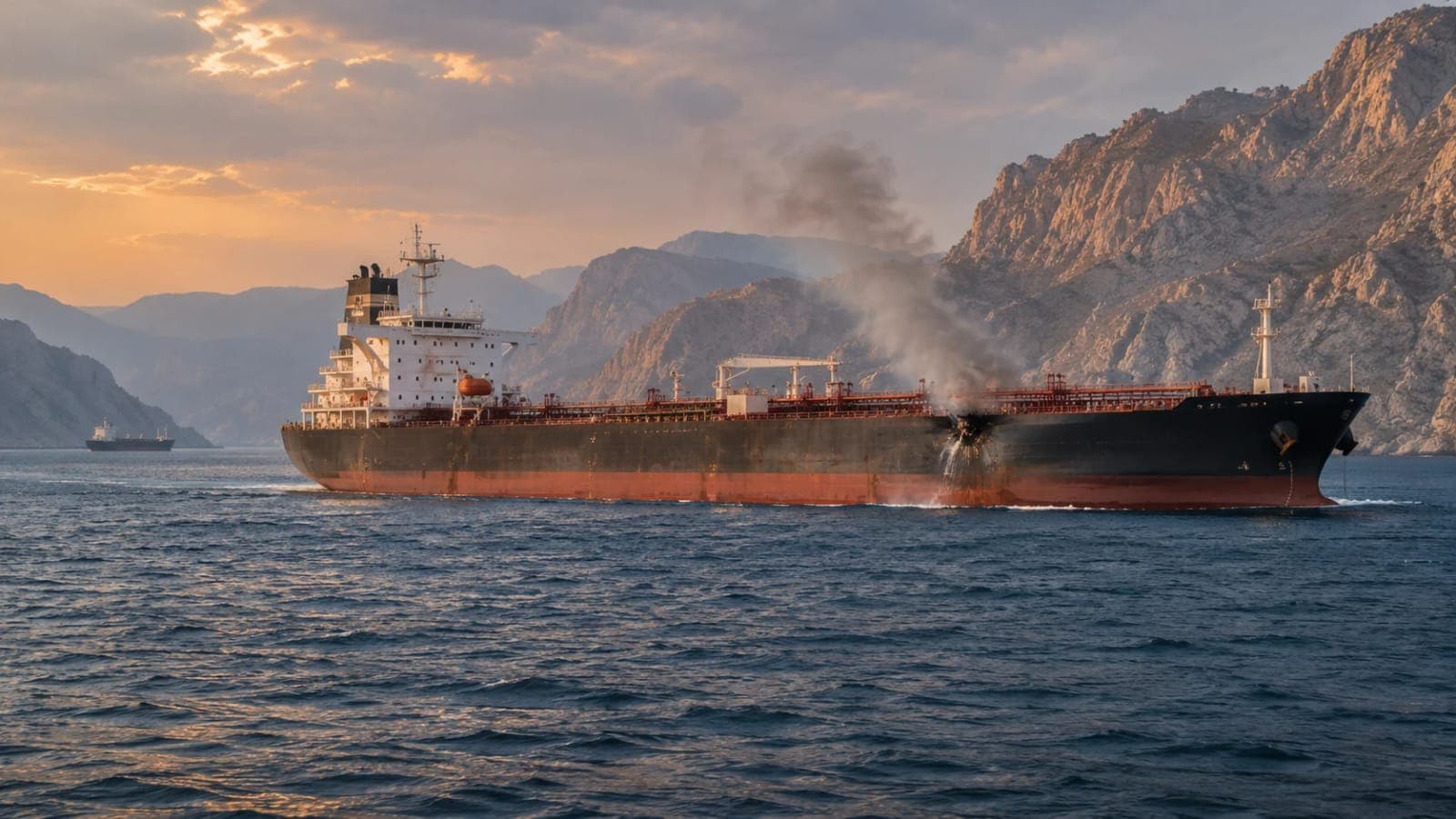
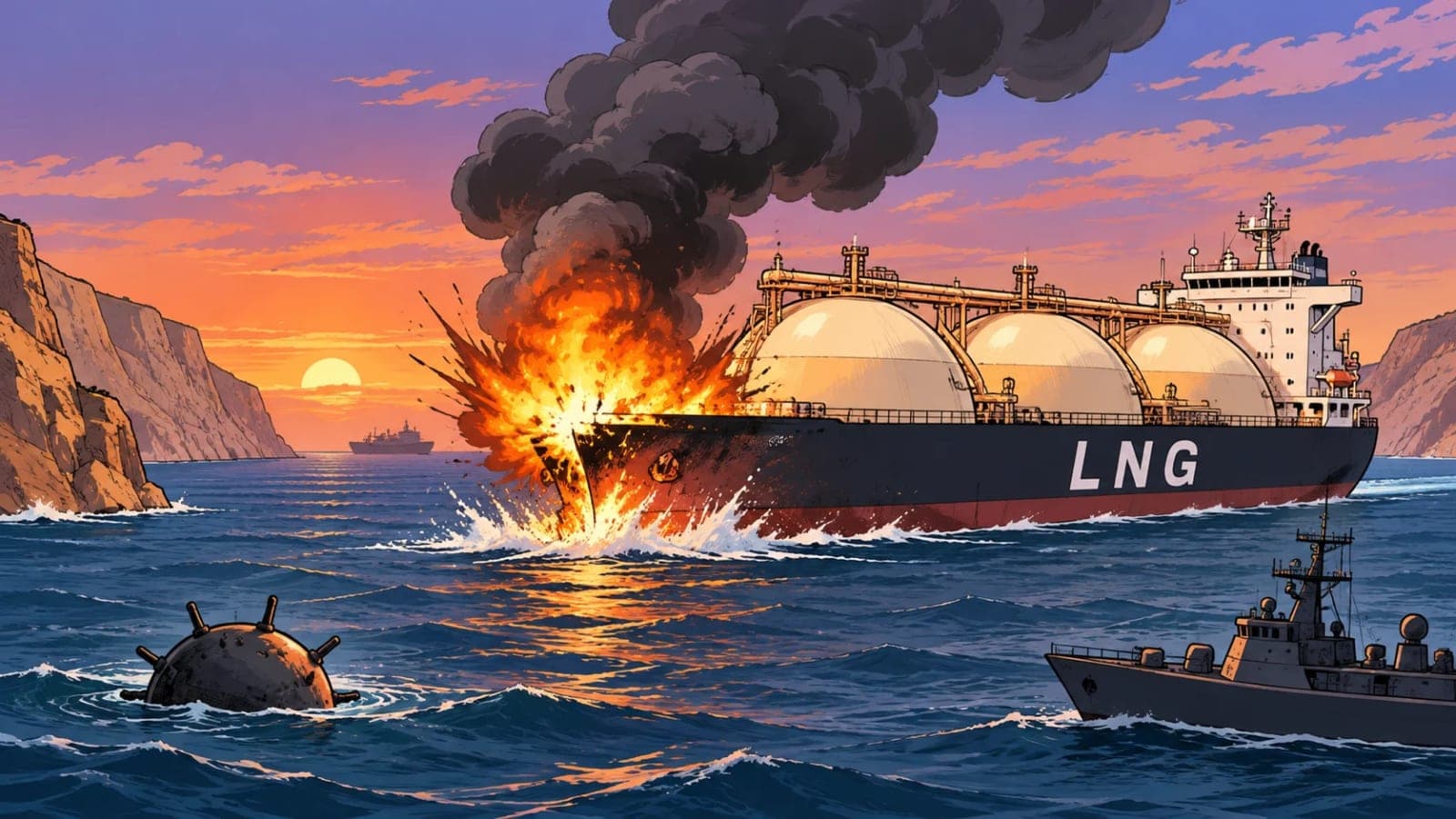
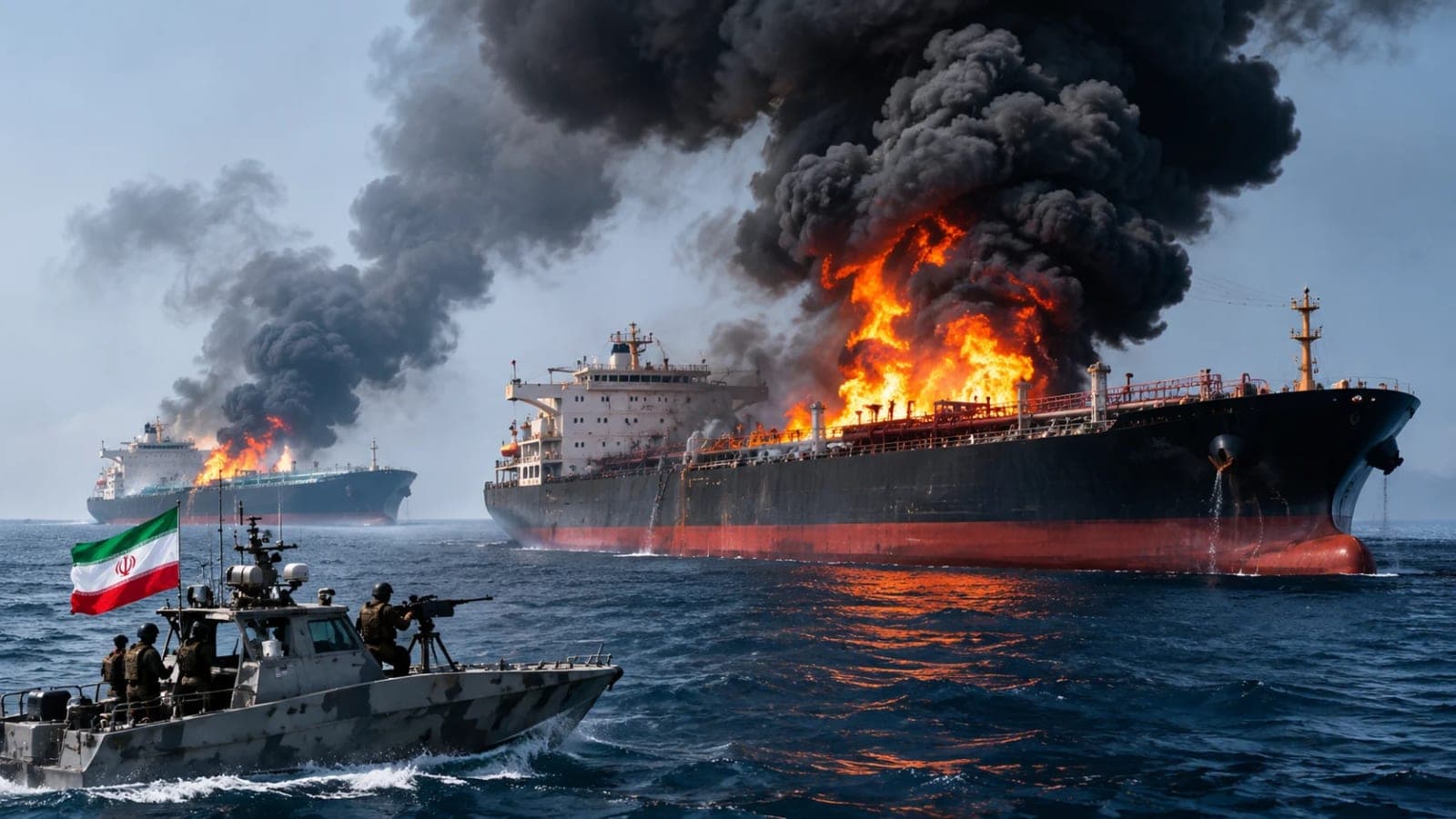
Iran's navy said three tankers had caught fire after striking naval mines in the Strait of Hormuz, the narrow waterway that carries a large share of the world's seaborne oil. The vessels were not identified, and the incidents could not be independently verified.
The US military said more than 1.7 billion barrels of crude oil had been shipped through the Strait of Hormuz by Gulf partners under US protection. Iran's statement said the waterway remained closed, a claim that has direct meaning for oil prices around the world.
Why the Bahrain Attack Matters for Pakistan
Pakistan watches Gulf tensions closely for two reasons. First, almost all of Pakistan's imported oil moves through the Strait of Hormuz, so any disruption or closure claim pushes up prices and feeds into petrol, diesel and LPG costs at home. Pakistan's petroleum minister has already said uncertainty around Hormuz has affected oil and gas prices.
Second, large numbers of Pakistanis live and work in Bahrain and across the Gulf states, and their families follow every development in the region. The Bahrain attack scare shows how fast a Gulf incident can reach Pakistani fuel prices and Pakistani households. Pakistan has also urged dialogue between the United States and Iran at the United Nations, and it has a direct stake in the fighting staying away from Gulf shipping lanes.
How the War Reached This Point
The war began on 28 February 2026, when the United States and Israel launched joint strikes on Iran. The two sides reached a ceasefire in April, but fighting has flared again, and Sunday's claims mark the first Iranian attacks on US facilities in the Gulf since early September.
Iran's parliament speaker, Mohammad Bagher Ghalibaf, said Tehran was prepared for either negotiations or war with the United States, and warned that any further US military action would be met with a response decided by Iran's armed forces. The Wall Street Journal, citing US intelligence officials, reported that Iran still has between 1,500 and 2,500 missiles in its arsenal.
Diplomatic efforts to end the conflict have not yet produced a breakthrough. Washington and Tehran have held off direct attacks on each other in recent weeks, but Sunday's events show how quickly the fighting can spread across the Gulf.
Bahrain Attack: Frequently Asked Questions
What happened in Bahrain on Sunday? Blasts and sirens were heard across Bahrain in the morning, and the Interior Ministry issued two threat alerts. Iran's Revolutionary Guards said six drones had targeted a US radar at the Riffa helicopter base.
Did Iran really hit the US base in Bahrain? That is not confirmed. Iran says the drones hit their targets, but US and Bahraini officials have not confirmed the strike, and there is no independent evidence of damage or casualties.
What did Saudi Arabia intercept on Sunday? The Saudi-led coalition said it stopped two ballistic missiles aimed at Riyadh and three drones in the Eastern Province. Civil defence in Riyadh issued an alert and later said the danger had passed.
Is the Strait of Hormuz closed? Iran says the waterway remains closed. The US military says Gulf partners have shipped more than 1.7 billion barrels of crude through the strait under US protection, so the picture is disputed.
How does the Bahrain attack affect Pakistan? Any threat to shipping through the Strait of Hormuz can push up oil prices, which feeds into petrol, diesel and LPG prices in Pakistan. Many Pakistanis also live and work in Bahrain and the Gulf.
What happens next? Much depends on whether the US confirms or denies the latest claim, and on whether diplomatic efforts to end the war make progress. Iran's parliament speaker says Tehran is ready for talks or for war.
What happens next for global
We will keep this page updated as the story develops rather than publishing a near-duplicate at a new address. Follow Global for related coverage.
Get the Verified Brief
One email each morning with the stories we checked overnight.
Spotted an error? Read our corrections policy and tell the newsroom.