

Pakistan Wheat Import Tender: 800,000 Tonnes Confirmed in 3rd Bid
Pakistan has opened its third wheat import tender for 800,000 tonnes, with bids due on 30 November and all grain to reach Karachi or Gwadar by 15 February 2027.

By Suleman Mirza · Reporter
Published · Updated · 6 min read
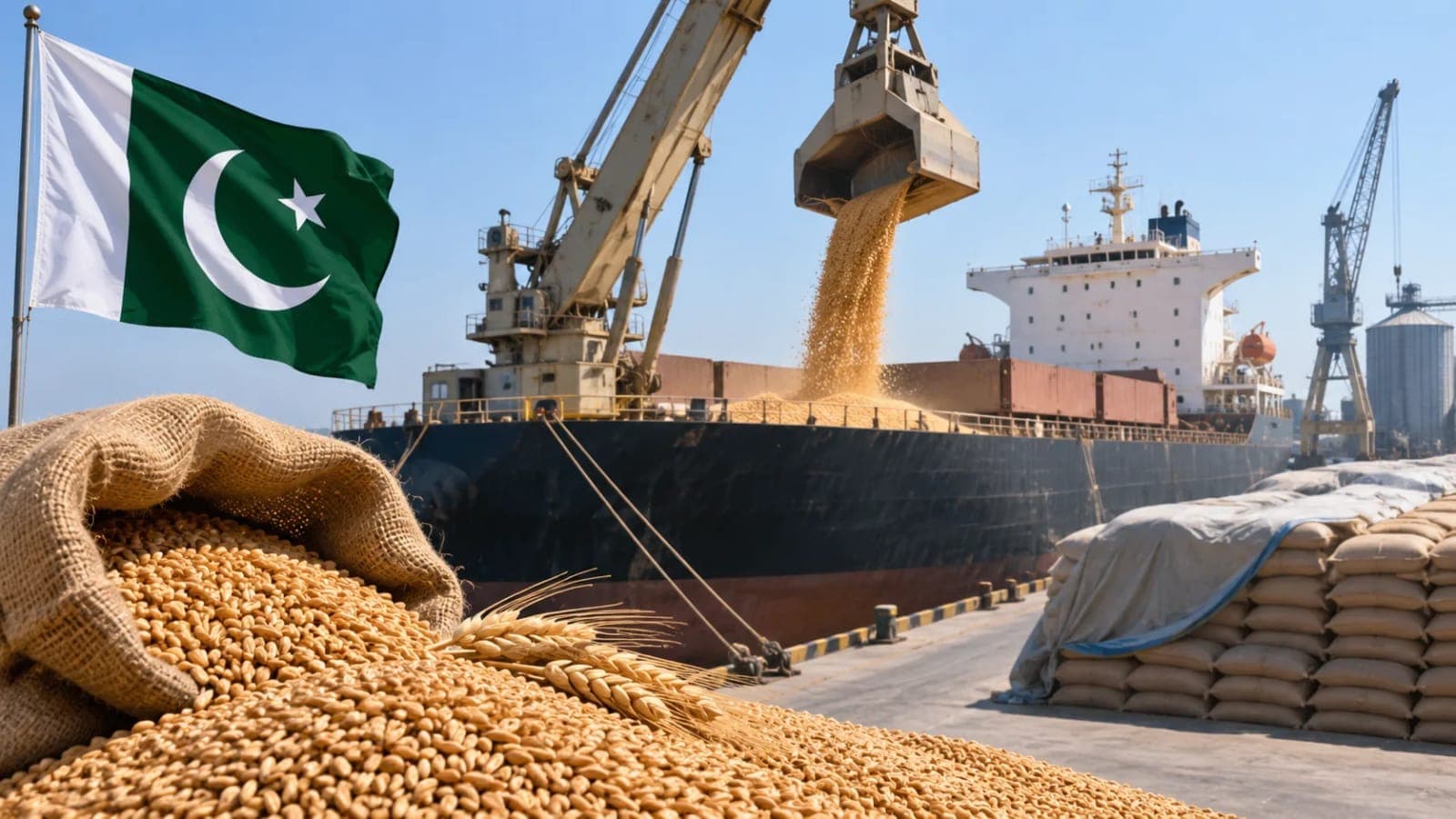
If you buy atta every week, the price of roti starts with decisions like this one. Pakistan has opened a new wheat import tender for 800,000 metric tonnes, the third such tender this year, and the grain is meant to reach Karachi and Gwadar before the winter demand peak. The Trading Corporation of Pakistan issued the tender on Monday, 23 November 2026. Bids close on 30 November, and the first ships sail before the end of December.
Nothing has been bought yet. No supplier has been picked and no price has been agreed. Here is what the tender itself, its timetable and its quality rules mean for you.
What the wheat import tender covers
The tender asks global suppliers to bid for up to 800,000 metric tonnes of wheat from the 2026 crop, shipped in bulk on a cost and freight basis to Karachi or Gwadar. The quantity can move up or down by 10 percent, so the final volume could land between 720,000 and 880,000 tonnes.
This is the third tender this season. The register lists one for 750,000 tonnes in September and another for 185,000 tonnes later that month, taking the season's total past 1.7 million tonnes. Local supply is clearly not keeping up with demand.
Key dates in the wheat import tender
The wheat import tender runs on a tight timetable. Sealed bids must reach TCP's boardroom at the Finance and Trade Centre on Shahrah-e-Faisal in Karachi by 2pm on 30 November. Documents can be downloaded from the TCP or Public Procurement Regulatory Authority websites until 1:30pm that day.
Technical bids open at 2:30pm on 30 November, with bidders allowed to attend in person or online. Financial bids follow after the technical check, and only for suppliers who pass it. TCP can accept or reject any or all bids under the Public Procurement Rules 2026.
Delivery comes in two lots. The first 400,000 tonnes ships between 25 December 2026 and 5 January 2027, the second between 6 and 15 January 2027, and all 800,000 tonnes must reach Karachi or Gwadar by 15 February 2027. Late delivery carries an initial penalty of 25 US cents per tonne per day.
Who can bid, and the quality rules
The wheat import tender also sets strict rules on who can bid. Suppliers need at least five years of export experience and must have exported at least 50,000 tonnes of wheat during the past five years. Wheat from India, Israel and other prohibited countries is barred, and suppliers offering grain from war hit areas must arrange supply from an alternative country instead.
The grain itself must come from the new 2026 harvest, with moisture no higher than 14.5 percent, protein of at least 10 percent and wet gluten of at least 23 percent. Damp or weak grain stores badly and mills poorly, and public stocks have to last.
One detail is still unclear. The Express Tribune reported that bids below 50,000 tonnes will not be accepted, while Profit by Pakistan Today reported a minimum offer of 150,000 tonnes. The tender document itself will settle the point, so we have not stated either figure as final.
Why Pakistan is importing wheat again
This wheat import tender follows a decision taken on Saturday, 21 November, when Deputy Prime Minister Ishaq Dar chaired a meeting on the availability and price stability of essential food items. The meeting recommended importing up to 800,000 tonnes, and the federal government approved the emergency import after Khyber Pakhtunkhwa asked for help to bridge the gap between local demand and supply.
Pressure has been building in the fields too. Wheat sowing in Punjab ran into a shortage as the 20 November deadline neared, with growers short of seed and fertiliser, as we reported here: Wheat sowing in Punjab hit by shortage as 20 November deadline nears. A weak sowing season means a smaller harvest later, and that is part of why the government is buying from abroad today.
The tender moved world markets too. Chicago wheat futures edged up, and the Paris Matif contract rose 1.48 percent, with traders treating Pakistan's buying as the first fresh demand in weeks.
What it means for flour prices at home
The honest answer is that it is too early to say. No price has been agreed with any supplier, and the bids do not even open until 30 November. What the wheat import tender does show is the government's aim: keep national stocks sufficient, meet provincial needs and head off fresh pressure on flour prices before the winter peak.
If you buy atta in bulk, watch 30 November, when the bids open. The award will show what Pakistan is actually paying per tonne. Until then, any claim that this tender will cut or raise roti prices is a guess, not a fact.
The same approach is showing up in fuel and gas, with the 200 million dollar Oman credit facility for fuel imports and the plan to import 16 LNG cargoes for winter gas supply.
Frequently asked questions
What is the wheat import tender? The wheat import tender is TCP's third international tender of 2026 to buy up to 800,000 metric tonnes of wheat from the 2026 crop, with sealed bids due on 30 November and delivery to Karachi or Gwadar by 15 February 2027.
When will the wheat arrive in Pakistan? First lot ships 25 December 2026 to 5 January 2027, the second 6 to 15 January 2027, and all of it must reach port by 15 February 2027.
Will this tender lower flour prices? Nobody can say yet. No supplier has been chosen and no price agreed. The aim is to keep stocks sufficient and stop fresh pressure on flour prices, but the effect on atta prices will only be clear once the bids are awarded.
Where can I read the tender documents? On the Trading Corporation of Pakistan website and the Public Procurement Regulatory Authority website, until 1:30pm on 30 November 2026.
Facts in this article were checked on 24 November 2026 against KhabarWire, Pakistan Point, khabr.pk, Focus Pakistan and Grain Central. The minimum bid size is reported differently by different outlets, and that difference is noted in the article rather than hidden.
What happens next for business
We will keep this page updated as the story develops rather than publishing a near-duplicate at a new address. Follow Business for related coverage.
Get the Verified Brief
One email each morning with the stories we checked overnight.
Spotted an error? Read our corrections policy and tell the newsroom.