
COP31 Pakistan Solar: PM Shehbaz Hails 22 GW Rooftop Revolution in Antalya
COP31 Pakistan solar took centre stage in Antalya as PM Shehbaz Sharif told world leaders that rooftop solar added nearly 22 gigawatts in two years.

By News Desk · Verified Pakistan News Desk
Published · Updated · 5 min read
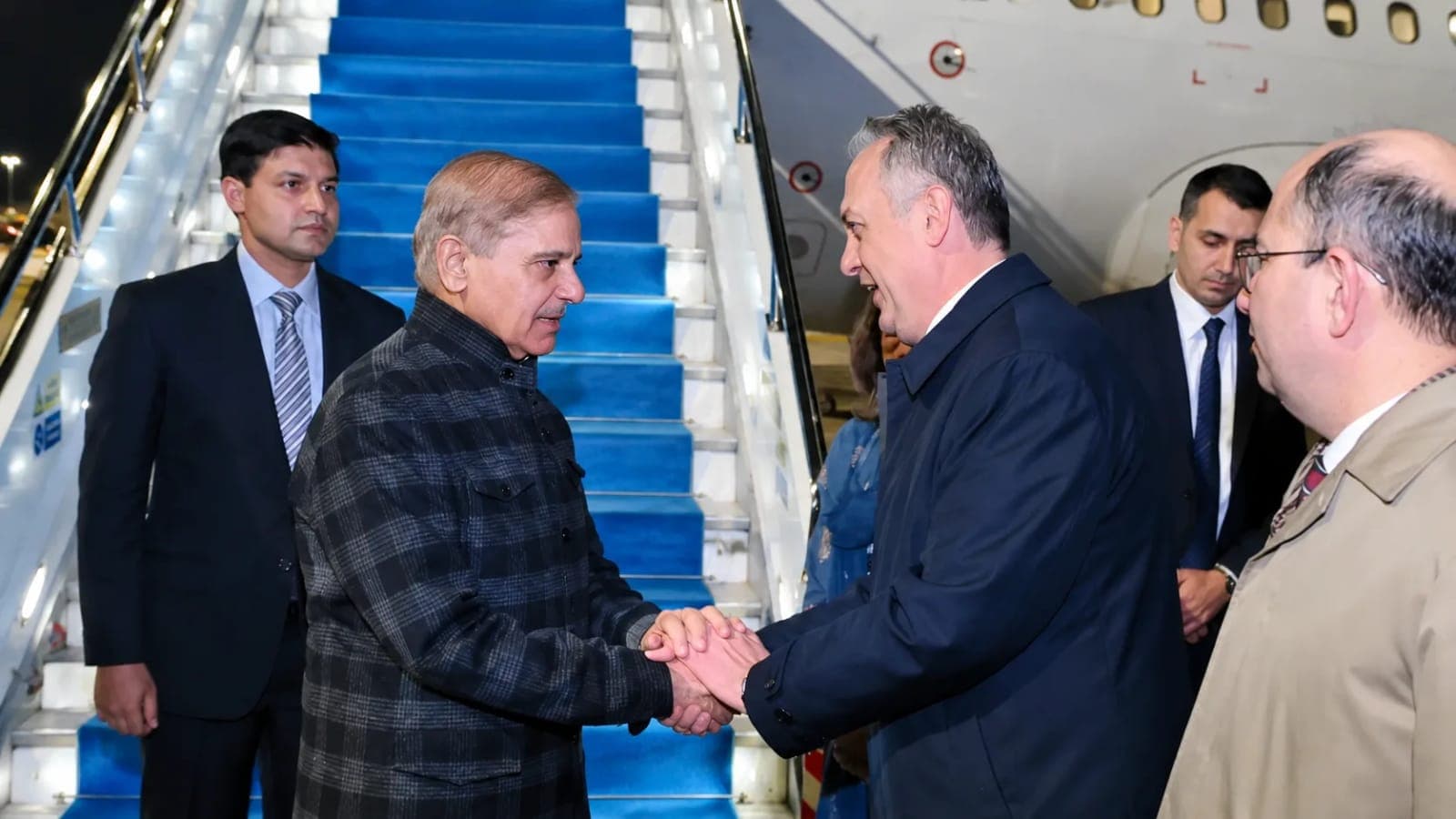
The COP31 Pakistan solar story took centre stage in Antalya on Wednesday, 11 November 2026, when Prime Minister Shehbaz Sharif told world leaders about Pakistan's rooftop solar boom. The prime minister addressed the Leaders' Summit of the COP31 climate conference in the Turkish resort city. He had arrived in Antalya on Tuesday, 10 November. At the venue, he was received by Turkish President Recep Tayyip Erdogan and United Nations Secretary-General Antonio Guterres. His message was built around one striking figure, and it drew attention from delegates across the hall.
What the COP31 Pakistan solar Figures Mean
Twenty-two gigawatts in two years is a large amount of power. It is roughly equal to the output of many large power plants put together. The change did not come from one big project. It came from thousands of small decisions by ordinary people. Families and small businesses chose rooftop panels because grid power had become costly and uncertain. The panels gave them cheaper electricity during the day. They also gave them more control over their own supply. That is why the prime minister called it a quiet revolution. The COP31 Pakistan solar figure shows how fast that shift has been.
Pakistan has backed the 35-by-35 Global Electrification Pledge, and the prime minister said so in Antalya. Under the pledge, countries aim to raise electricity's share of total final energy consumption to around 35 percent by 2035. The goal fits the global push to use more electricity and less fossil fuel. For Pakistan, the pledge also points to a practical path. More solar power means less spending on imported fuel. It also means cleaner air in cities. The COP31 Pakistan solar story is therefore about energy security as much as climate action.
The prime minister also used the summit to press a familiar demand. He called for climate finance that is predictable, adequate and accessible for developing countries. The point matters because Pakistan pays a heavy price for a crisis it barely caused. The country contributes less than one percent of global greenhouse gas emissions. Yet it ranks among the countries most severely affected by climate change. Floods, heat and melting glaciers have already tested its people. Without reliable finance, the cost of adapting will fall on those least able to pay.
COP31 Pakistan solar and the Climate Finance Call
The Foreign Office said the prime minister would also highlight Pakistan's steps towards rapid solarisation. That means more renewable energy capacity across the country. It also means stronger disaster preparedness and early-warning systems. The two go together. Solar power cuts the fuel bill, while better warnings save lives when floods or storms strike. The COP31 Pakistan solar message links both aims. It presents clean energy as a shield against a changing climate, not only as a way to cut emissions.
The glacier threat shows why the warning matters. More than 13,500 glaciers have been identified in Pakistan. The threat of glacial lake outburst floods puts thousands of people, their homes and their livelihoods at risk. A lake held back by ice can burst without much warning. The water then rushes down valleys and destroys fields, roads and houses. Federal Minister for Climate Change Musadik Malik raised this risk at the UN Climate Change Pavilion. He called for international scientific cooperation to study glaciers and mountain ecosystems. The COP31 Pakistan solar talks also covered that risk.
On the sidelines, the prime minister held bilateral meetings with President Erdogan and other world leaders. Among them was Iran's President Masoud Pezeshkian. The meetings covered matters of mutual interest and ways to strengthen cooperation. Such talks are a normal part of a leaders' summit. They let countries compare notes away from the main hall. For Pakistan, they also offered a chance to press its climate case in person. The COP31 Pakistan solar story was part of those conversations too, because energy and climate now sit at the centre of foreign policy.
Delegates from nearly 200 countries are attending COP31 in Antalya. The Leaders' Summit runs on Wednesday and Thursday, 11 and 12 November. The talks come at a difficult moment. Global greenhouse gas emissions show little sign of falling. Wars, inflation and other crises compete for political attention. UN Secretary-General Guterres told leaders the slow pace of action had put the world on a dangerous trajectory. His warning set the tone for the summit. The COP31 Pakistan solar case shows what one country can do, but the summit must still deliver joint action.
For now, the 22 gigawatt figure is the headline from Antalya. It shows a shift driven by citizens, not only by the state. The test ahead is whether the world will match that pace with finance and action. The summit continues on Thursday, and the negotiations will decide how much support reaches countries like Pakistan. Until then, the COP31 Pakistan solar story stands as proof that a cleaner future can start on an ordinary roof.
What did PM Shehbaz say about solar power at COP31?
He said the COP31 Pakistan solar boom added nearly 22 gigawatts of rooftop solar capacity in just two years, calling it a quiet revolution by ordinary citizens.
What is the 35-by-35 pledge?
It is a global pledge to raise electricity's share of total final energy consumption to around 35 percent by 2035, which Pakistan fully supports.
Why does the COP31 Pakistan solar story matter for climate finance?
Pakistan contributes less than one percent of global emissions yet faces severe climate risks, so the prime minister called for predictable, adequate and accessible finance.
What glacier risk did Pakistan raise at COP31?
More than 13,500 glaciers have been identified in Pakistan, and glacial lake outburst floods put thousands of people, homes and livelihoods at risk.
Who did PM Shehbaz meet in Antalya?
He held bilateral meetings with Turkish President Recep Tayyip Erdogan and other leaders, including Iran's President Masoud Pezeshkian.
What happens next for national
We will keep this page updated as the story develops rather than publishing a near-duplicate at a new address. Follow National for related coverage.
Get the Verified Brief
One email each morning with the stories we checked overnight.
Spotted an error? Read our corrections policy and tell the newsroom.