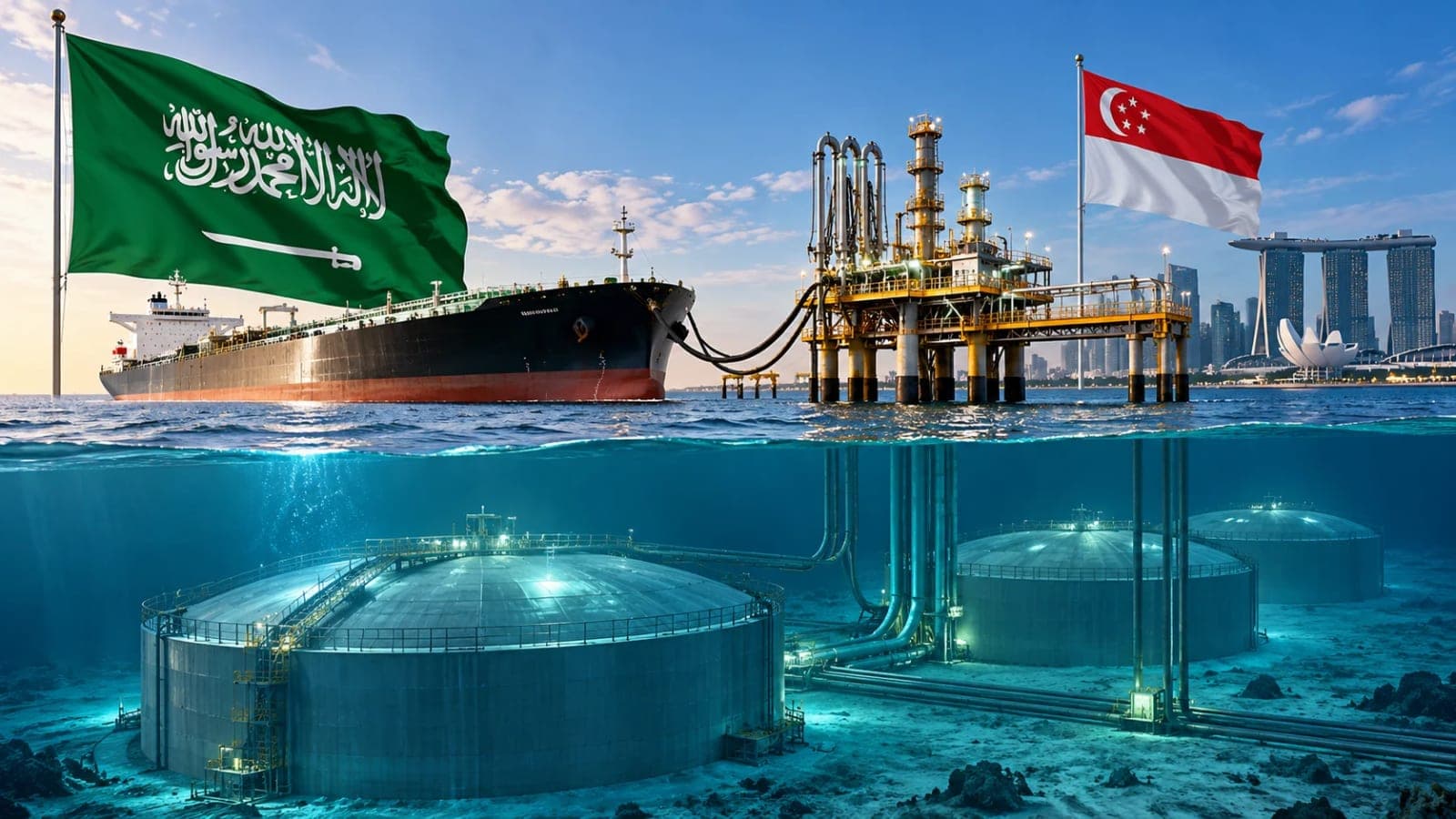

Delta Energy Pakistan: $30 Billion Gas and LNG Deal Signed
The Delta Energy Pakistan agreement covers a $30 billion plan to explore gas pipelines, LNG facilities and export terminals across the country.

By Suleman Mirza · Reporter
Published · Updated · 5 min read
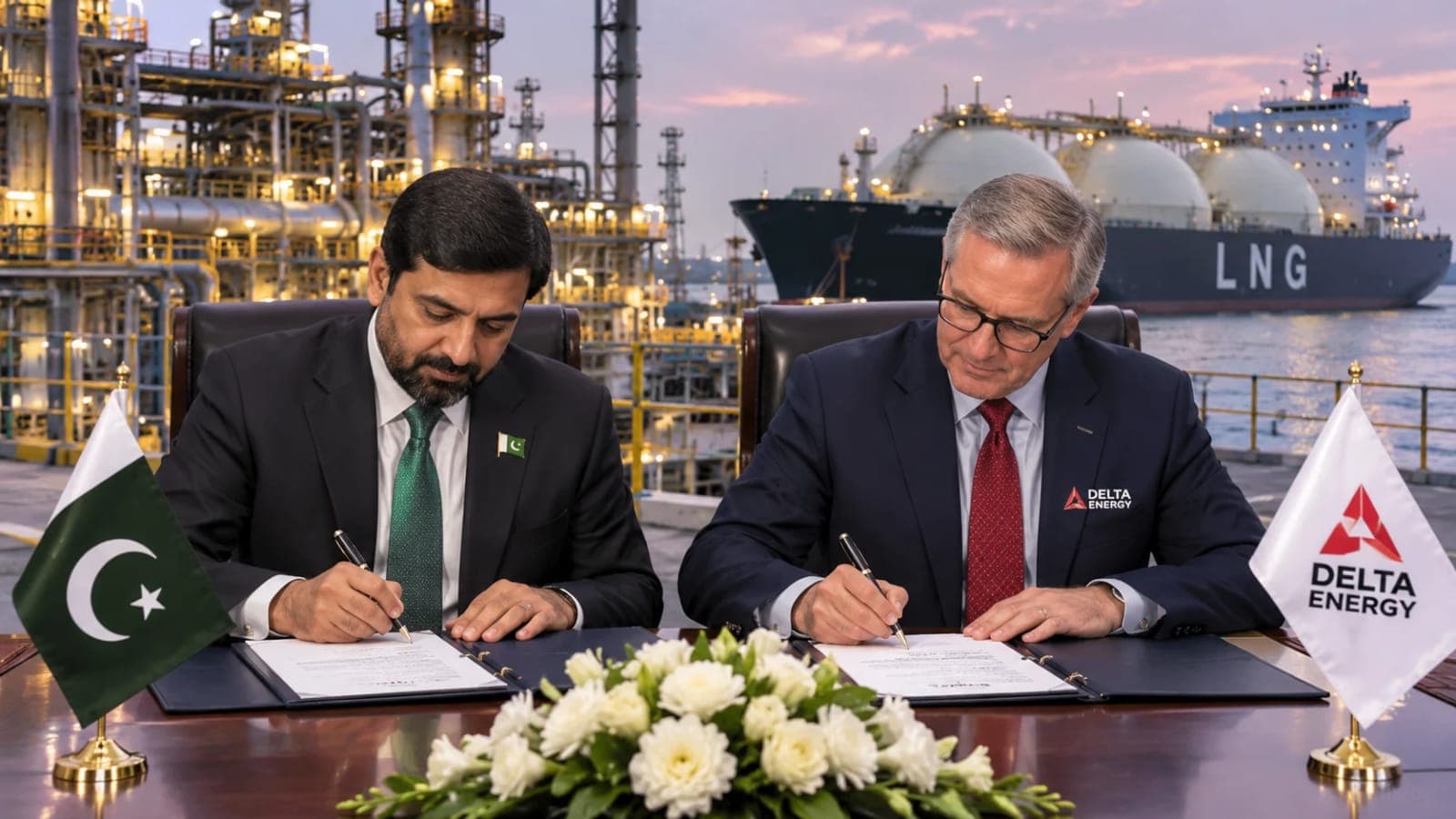
The Delta Energy Pakistan agreement was signed on Tuesday, 17 November, when Saudi firm Delta Energy and Pakistan's Inter State Gas Systems agreed to explore a major energy programme worth about $30 billion.
The two sides said the programme would assess a natural gas pipeline entering Pakistan through its western border and running toward Gwadar, the deep sea port on the Arabian Sea.
Reuters reported the Delta Energy Pakistan agreement on Tuesday, and Business Recorder carried it in Pakistan the same afternoon. It is one of the largest energy proposals involving Pakistan in recent years, although the companies stressed it is a plan to explore projects, not a final deal to build them.
What the Delta Energy Pakistan agreement covers
The programme covers more than one pipeline. It would also consider a possible extension of the western pipeline to Pakistan's eastern border, along with liquefied natural gas facilities, gas processing and storage plants, and export terminals.
A second route is also in the plan: a pipeline from Chaman, on Pakistan's border with Afghanistan, across the country toward the Indian border near Fazilka.
Delta Energy called that route a core strategic commitment, but said it would need formal engagement and agreements with the Pakistani and Indian authorities first.
Where the gas could come from
Delta Energy identified Afghanistan's Kashk gas concession and other Afghan resources as potential supplies for the programme.
In September, the Saudi firm signed gas agreements in Afghanistan covering exploration in the Kushk Tirpul Basin and a proposed 700 kilometre pipeline from Herat toward the Pakistan border.
That matters because the Delta Energy Pakistan programme is built around Afghan gas, not Turkmen gas. Reuters reported it is separate from the Turkmenistan Afghanistan Pakistan India pipeline, known as TAPI, and does not depend on Turkmenistan.
How the plan differs from TAPI
TAPI is a separate project discussed for years. The 1,800 kilometre pipeline would carry 33 billion cubic metres of gas a year from Turkmenistan's Galkynysh field to Fazilka in India, through Afghanistan and Pakistan.
Pakistan and Turkmenistan held the sixth session of their Joint Intergovernmental Commission in Islamabad on Tuesday, and Dawn reported they agreed to convene a steering committee for TAPI. The Delta Energy Pakistan programme would run alongside that effort, not replace it. Plans for other pipelines to bring gas into Pakistan have been delayed for years, Reuters noted.
What the $30 billion figure really means
The figure of about $30 billion is a proposed programme value, not money already committed. The agreement is only a framework for evaluating the projects, not a final investment decision or a commitment to finance or build them, so feasibility studies, financing talks and government approvals all still lie ahead. The real test will be whether the studies lead to binding agreements and construction on the ground.
For Pakistan, the attraction of the Delta Energy Pakistan programme is clear. The country has faced gas shortages as local production has fallen short of demand, and it already imports liquefied natural gas. A new pipeline route and more LNG and storage capacity would strengthen supply, if the programme moves from paper to construction.
What happens next
The next steps are technical and diplomatic. The two sides will study the routes, the gas supply options and the LNG and storage facilities, and talk to the governments involved, including India for the Chaman to Fazilka route.
No timeline for construction has been announced. The Delta Energy Pakistan agreement signed on Tuesday is the starting point, and the coming months will show whether the $30 billion programme turns into firm projects.
What is the Delta Energy Pakistan deal?
It is an agreement signed on 17 November between Saudi firm Delta Energy and Pakistan's Inter State Gas Systems to explore an energy programme worth about $30 billion, covering gas pipelines, LNG facilities and export terminals.
Is the $30 billion investment confirmed?
No. The $30 billion is a proposed programme value. The agreement is a framework to evaluate the projects and does not commit either side to finance or build them.
Which pipelines are planned under the deal?
The Delta Energy Pakistan programme would assess a gas pipeline entering Pakistan through its western border and running to Gwadar, a possible extension to the eastern border, and a pipeline from Chaman across Pakistan toward the Indian border near Fazilka.
Where would the gas come from?
Delta Energy pointed to Afghanistan's Kashk gas concession and other Afghan resources as potential supplies. The firm signed gas exploration agreements in Afghanistan in September.
Is this the same as the TAPI pipeline?
No. Reuters reported that the programme is separate from TAPI and does not depend on Turkmenistan.
When will construction start?
No date has been announced for the Delta Energy Pakistan programme. Feasibility studies, financing talks and government approvals must come first, and the Chaman to Fazilka route would need agreement with India.
What happens next for business
We will keep this page updated as the story develops rather than publishing a near-duplicate at a new address. Follow Business for related coverage.
Get the Verified Brief
One email each morning with the stories we checked overnight.
Spotted an error? Read our corrections policy and tell the newsroom.