

Japan Tightens Permanent Residency Rules for Foreigners
Japan has introduced tougher permanent residency requirements for foreigners, covering income, pension records, Japanese ability and legal compliance.

By News Desk · Verified Pakistan News Desk
Published · Updated · 5 min read
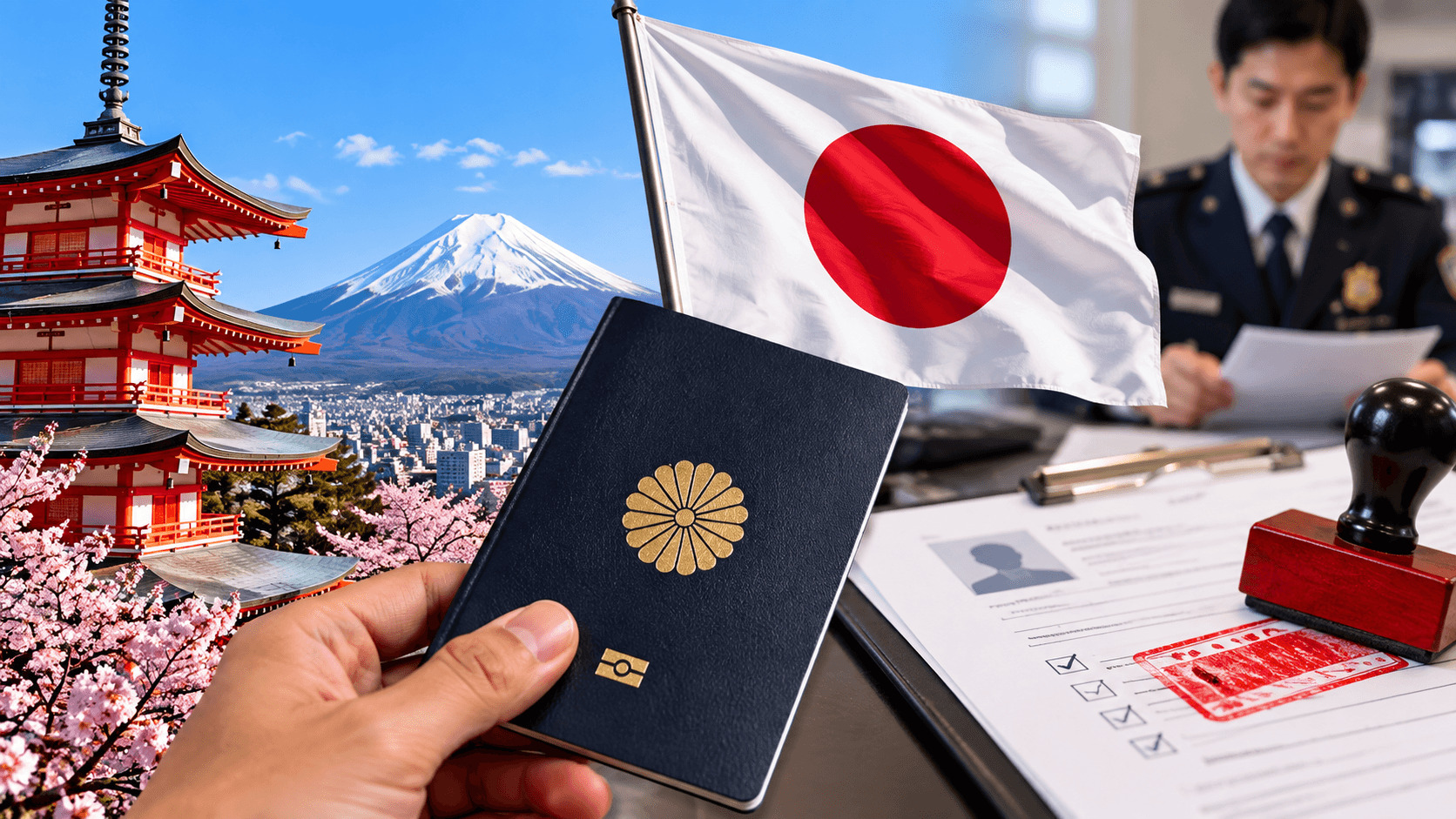
Japan has introduced tougher permanent residency requirements for foreigners, with updated rules covering income, pension records, Japanese-language ability and compliance with the country’s laws and public-payment obligations.
The revised guidelines were issued by Japan’s Immigration Services Agency on October 1, 2026. The changes give immigration authorities clearer standards when deciding whether a foreign resident qualifies to settle permanently in Japan.
For people planning to apply in the coming months, the update means financial stability alone may no longer be enough. Applicants will need to pay closer attention to their income, pension contributions, taxes, language ability and overall record while living in the country.
Japan Introduces Stricter Income and Pension Requirements
One of the most important changes concerns an applicant’s ability to support themselves financially.
Under the revised guidelines, income is now specifically included when authorities assess whether an applicant has sufficient assets or skills to maintain an independent livelihood. Pension records are also considered as part of this financial assessment.
The updated system is intended to give officials a clearer picture of an applicant’s long-term financial position rather than looking only at their situation at the time an application is submitted.
Authorities can also consider whether taxes and other mandatory public payments have been properly made. These obligations can include taxes, public health insurance and public pension contributions.
Past payment problems may matter as well. This makes it particularly important for prospective applicants to maintain accurate records and deal with outstanding public payments before applying.
Japanese-Language Ability Becomes Part of Assessment
Japanese-language ability is another notable part of the revised permanent residency guidelines.
The Immigration Services Agency now specifically lists Japanese proficiency among the factors considered when deciding whether granting permanent residence would be in Japan’s interests. Understanding Japanese systems and social rules is also included in the updated assessment framework.
This represents an important development for foreigners who may have focused mainly on residence history, employment and finances when preparing for permanent residency.
Language ability can demonstrate that an applicant is able to communicate in everyday situations and participate more independently in Japanese society.
Most of the newly revised conditions are expected to affect applications submitted from April 2027, although parts of the updated income assessment can affect some earlier applications. Applicants should therefore check the rules that apply to their individual filing date.
Permanent Residency Fee Rises to 200,000 Yen
The financial cost of obtaining permanent residency has also increased sharply.
Japan’s Immigration Services Agency confirms that the fee payable when permanent residence is approved is now ¥200,000. Previously, the standard fee was ¥10,000, meaning the new amount is 20 times higher.
The new fee applies to permanent residency applications received from October 1, 2026.
There is an important transitional rule. An application received by September 30, 2026 remains subject to the previous ¥10,000 fee even when approval is issued on or after October 1.
Japan has also created provisions allowing fees to be reduced or exempted in certain cases involving financial hardship or other special circumstances. For eligible permanent-residency cases, the reduced fee can be ¥20,000.
What the New Rules Mean for Foreign Residents
The changes do not mean that foreigners who already hold permanent resident status will automatically lose it.
Instead, the revised permanent-residency guidelines primarily affect how applications are assessed and make several expectations more explicit.
Anyone planning to apply should now pay particular attention to employment and income records, pension contributions, taxes and public insurance payments, Japanese-language ability and compliance with immigration and other legal requirements.
Japan has also introduced separate guidelines dealing with circumstances in which an existing permanent resident’s status may be revoked. The government has stressed that simple failure to make public payments is not automatically enough for revocation. The amended law focuses on more serious cases, such as intentionally refusing to pay taxes or other public dues despite having the ability to do so.
For prospective applicants, the practical message is clear: preparing for permanent residency now requires a broader record of financial stability, compliance and integration into life in Japan.
FAQs
1. What are Japan’s new permanent residency rules in 2026?
Japan’s revised guidelines give greater attention to factors including income, pension records, payment of taxes and other public dues, Japanese-language ability and understanding of Japanese systems and rules.
2. How much is Japan’s permanent residency fee now?
The standard fee payable upon approval is ¥200,000 for applications received from October 1, 2026. Applications received by September 30 remain subject to the previous ¥10,000 fee even if they are approved later.
3. Is Japanese-language ability required for permanent residency?
Japanese-language ability is now explicitly included among the factors considered under the revised permanent residency guidelines. Applicants should check the latest official requirements applicable to their circumstances before filing.
4. Will existing permanent residents lose their status because of the new rules?
No automatic cancellation applies simply because the guidelines changed. Separate rules govern revocation of existing permanent resident status, and individual circumstances are considered.
5. Do unpaid taxes or pension contributions affect permanent residency in Japan?
They can. Japan’s guidelines consider whether applicants have properly paid taxes and other mandatory public charges, including relevant pension and public insurance contributions. Payment history can therefore affect an application.
What happens next for travel
We will keep this page updated as the story develops rather than publishing a near-duplicate at a new address. Follow Travel for related coverage.
Get the Verified Brief
One email each morning with the stories we checked overnight.
Spotted an error? Read our corrections policy and tell the newsroom.