
Pakistan Rejects Afghan Taliban Claims, Demands Action Against TTP and BLA
Pakistan Afghan Taliban dispute deepened as Islamabad rejected Kabul's claims and demanded verifiable action against TTP, BLA and affiliates.

By News Desk · Verified Pakistan News Desk
Published · 4 min read
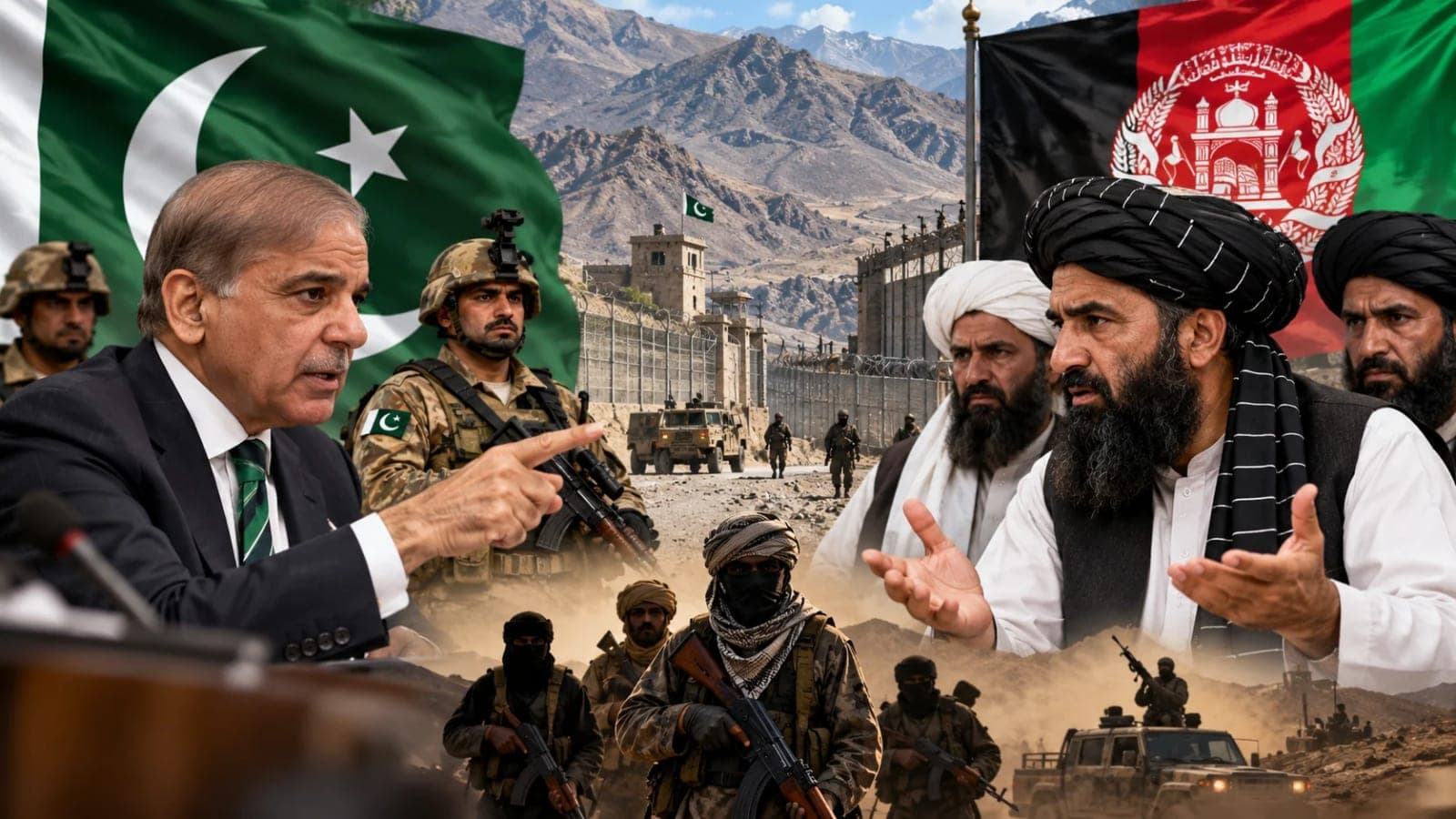
The Pakistan Afghan Taliban dispute has sharpened again, with Islamabad rejecting Kabul's latest claims as diversionary and demanding verifiable action against militant groups operating from Afghan territory. Pakistan's Ministry of Information and Broadcasting issued a statement on 24 October 2026, which was widely reported on 25 October, calling on the Afghan Taliban regime to end any tolerance, facilitation, or support for terrorist organisations, including the Tehreek-i-Taliban Pakistan, known as TTP, and the Balochistan Liberation Army, known as BLA, and their affiliates.
The statement followed remarks by Afghan Taliban spokesperson Zabihullah Mujahid, who had rejected Pakistan's accusations and accused Pakistani security agencies of blaming Afghanistan for their own failure to maintain security at home. He also said Afghanistan had neither the interest nor the capacity to create insecurity in Pakistan, and accused Pakistan of trying to destabilise Afghanistan. Islamabad's response was direct: blaming Pakistan's security institutions, it said, does not absolve Kabul of its responsibility to prevent Afghan territory from being used for terrorism against Pakistan.
Pakistan Afghan Taliban: what Pakistan is demanding
Pakistan's demand is clear. Kabul should ensure that Afghan territory is not used to plan, prepare, or launch attacks against Pakistan. That means action against sanctuaries, support networks, and cross-border movement that Pakistan says it can check. The ministry stressed that blanket denials are not enough. It said such concerns require credible explanations and verifiable action.
Pakistan also alleged facilitation by Afghan Taliban officials, including in Kandahar. Kabul rejects that charge. The Pakistan Afghan Taliban dispute is now about evidence and verification, not just statements.
The ministry added that Pakistan would continue to take all necessary measures to protect its citizens, sovereignty, and territorial integrity. At the same time, it said Islamabad remained prepared for responsible dialogue based on mutual respect, verifiable assurances, and tangible action against terrorist safe havens, support networks, and cross-border infiltration. Pakistan is keeping the door open to talks, but it is linking talks to action on security.
Pakistan Afghan Taliban: the reports Pakistan is citing
Pakistan cited international assessments, not only its own claims: the United Nations Security Council's Analytical Support and Sanctions Monitoring Team's 16th report, and the United States Lead Inspector General's Operation Enduring Sentinel report for January to March 2026.
According to the ministry, the United States report stated that the Afghan Taliban continued to allow the TTP to operate from Afghan territory, with Taliban support and greater freedom for the group contributing to an increase in attacks against Pakistan. The report estimated the TTP's strength at 4,000 to 6,000 fighters. Pakistan said these assessments underscored the seriousness of its concerns about terrorist sanctuaries and support networks operating from Afghan soil.
Pakistan also pointed to repeated infiltration attempts, killings during counterterrorism operations, and recovered foreign-origin weapons. Kabul's claim that it lacked capacity or interest to destabilise Pakistan, Islamabad argued, did not address those concerns.
Why the TTP and BLA matter separately
The TTP and BLA are different groups, with different aims and areas of operation, and it is important not to treat them as one organisation. The TTP is a militant group that has carried out attacks mainly in Khyber Pakhtunkhwa and other parts of Pakistan, and Pakistan says it operates from Afghan territory. The BLA is a Baloch separatist militant group active mainly in Balochistan, and Pakistan also accuses it of using cross-border sanctuaries.
By naming both groups together, Pakistan is making a broader point: its security concerns cover the western border as a whole, from the northwest to Balochistan.
What this means for peace and stability
The ministry stressed that Pakistan's security measures were directed against terrorist threats, not against the Afghan people. It added that peace and stability in the two countries were closely linked. Whether talks gain momentum will depend on whether Kabul takes visible steps against militant sanctuaries.
FAQs
What did Pakistan demand from the Afghan Taliban?
The Pakistan Afghan Taliban dispute centres on Islamabad's demand for verifiable action to stop the TTP, BLA, and their affiliates from using Afghan territory to plan, prepare, or launch attacks against Pakistan.
What did Kabul say in response?
Afghan Taliban spokesperson Zabihullah Mujahid rejected Pakistan's accusations, said Afghanistan had neither the interest nor the capacity to destabilise Pakistan, and accused Pakistani agencies of blaming Afghanistan.
What reports did Pakistan cite?
Pakistan cited a United Nations Security Council monitoring report and a United States Lead Inspector General report for January to March 2026, which it said estimated TTP strength at 4,000 to 6,000 fighters and linked its activities from Afghan territory to more attacks in Pakistan.
The Pakistan Afghan Taliban row is now a test of verification: Islamabad has set out what it wants, Kabul has rejected the charge, and both sides watch whether words are followed by action.
What happens next for national
We will keep this page updated as the story develops rather than publishing a near-duplicate at a new address. Follow National for related coverage.
Get the Verified Brief
One email each morning with the stories we checked overnight.
Spotted an error? Read our corrections policy and tell the newsroom.