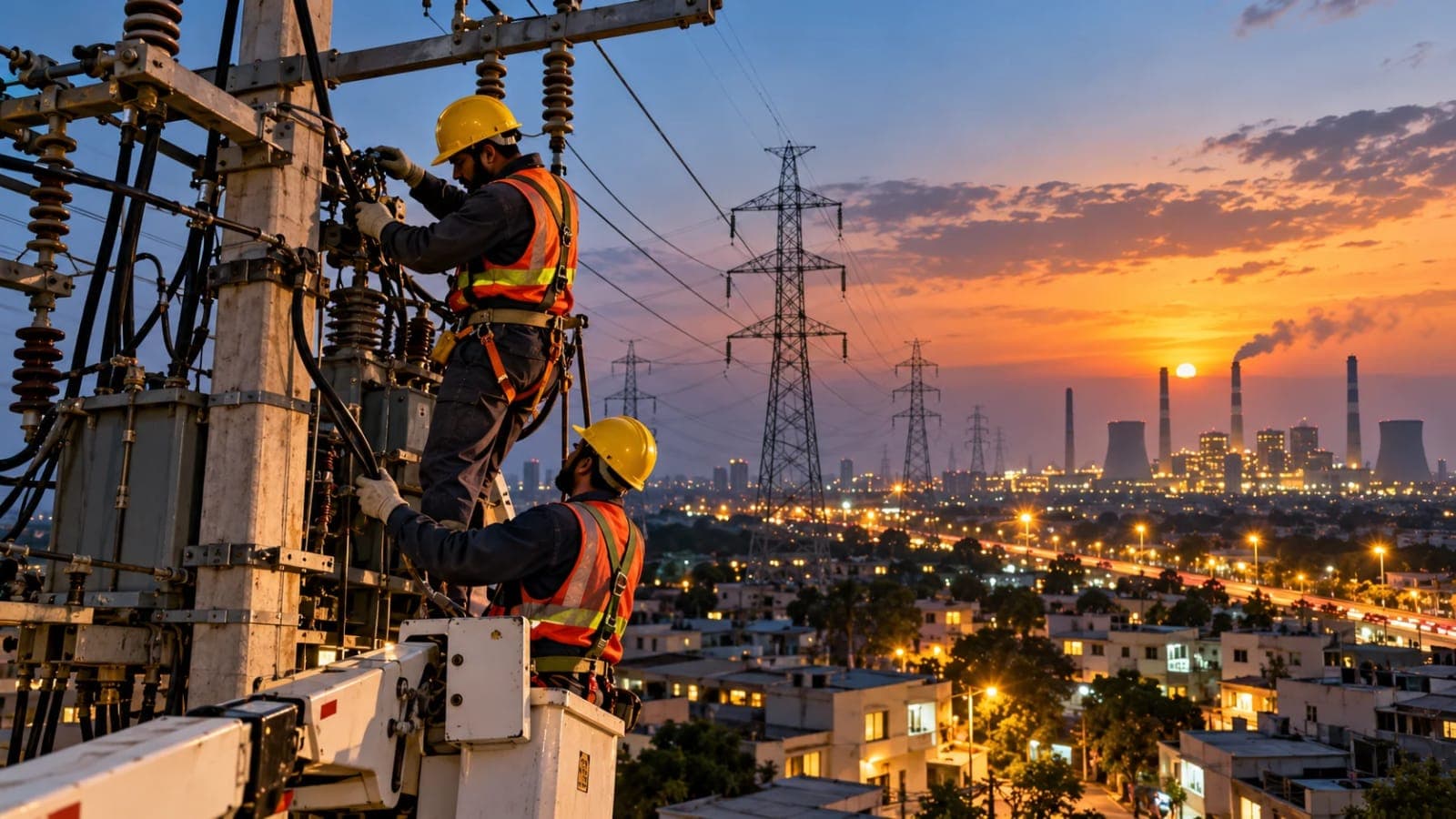

Karachi Power Crisis Deepens as K-Electric Extends Loadshedding to 150 Feeders
Karachi loadshedding crisis deepened as K-Electric extended cuts to 150 exempt feeders, with 12 to 15 hour outages reported in several areas.

By News Desk · Verified Pakistan News Desk
Published · Updated · 4 min read
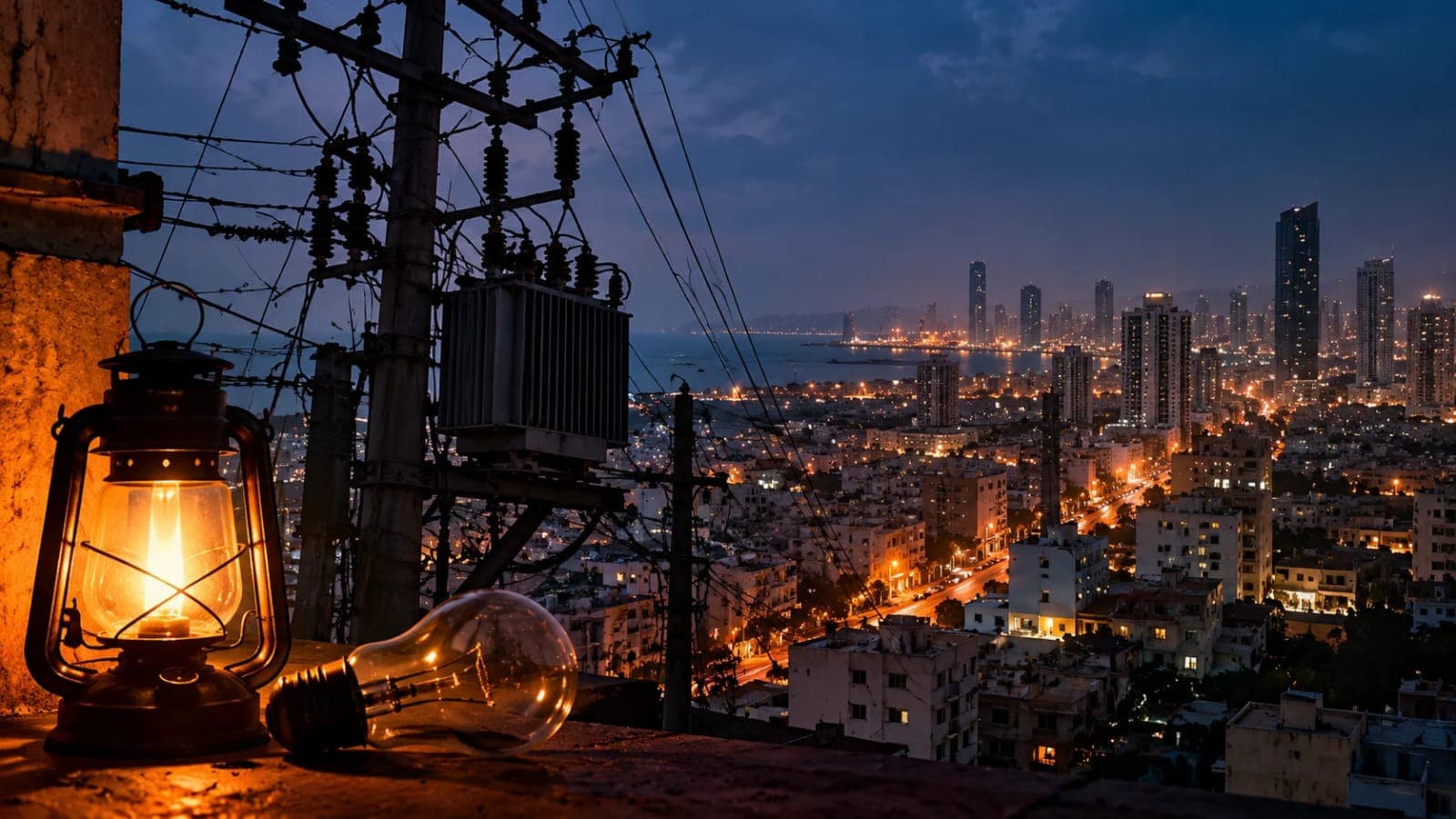
The Karachi loadshedding crisis has deepened sharply, leaving residents in several parts of the city without power for most of the day. K-Electric, the city's sole power utility, has reportedly extended loadshedding to more than 150 feeders that were previously exempt from scheduled power cuts. The change, reported by ARY News and widely carried on 25 October 2026, has turned a familiar problem into a daily crisis for households and businesses alike.
For many Karachi residents, loadshedding is not new. What has changed is the scale and the areas affected. Neighbourhoods that once enjoyed exemption are now facing regular cuts, and in some places the total outage time has reached 12 to 15 hours in a day. That affects work, study, cooking, water supply, and sleep.
Karachi loadshedding crisis: what has changed
Under the revised electricity management schedule, more than 150 previously exempt feeders have been brought under loadshedding. In some localities, routine loadshedding has increased from nine hours to as much as 12 hours a day. In several neighbourhoods, total power interruptions, including unannounced cuts, have stretched to between 12 and 15 hours.
Residential areas that were previously exempt are now experiencing power cuts of three to six hours. For families who had planned their day around uninterrupted supply, that is a major disruption. Students cannot rely on online classes, small businesses cannot run machines or keep stock cold, and patients who depend on medical devices at home face added risk.
Residents have also complained that K-Electric frequently attributes outages to maintenance work and technical faults. Beyond scheduled loadshedding, unannounced supply interruptions lasting between eight and 15 hours have continued across the city, according to the reports. When a cut is unannounced, it is harder to plan, harder to protect appliances, and harder to trust the published schedule.
Karachi loadshedding crisis: which areas are affected
The affected localities reported by ARY News include a wide spread of the city, from older neighbourhoods to newer housing areas:
- North Karachi, Landhi, and Malir
- Defence Housing Authority (DHA) and Clifton
- Pakistan Employees Cooperative Housing Society (PECHS) and Liaquatabad
- Orangi, Gulshan-e-Iqbal, and Gulistan-e-Jauhar
- North Nazimabad, Federal B Area, and Manzoor Colony
That list matters because it shows the Karachi loadshedding crisis is not limited to one part of the city. It covers low-income and middle-income areas, as well as some of the city's better-known residential districts. When DHA and Clifton, which many people associate with relatively reliable supply, appear on the same list as Orangi and Landhi, it underlines how broad the change has been.
Why bill payers are angry
The sharpest criticism of the new schedule is about fairness. Under the revised plan, even areas with relatively low power losses have reportedly been placed in the same category as high-loss localities. Critics argue that this unfairly penalises consumers who regularly pay their electricity bills, forcing law-abiding citizens to bear the consequences of electricity theft and unpaid bills by other consumers.
That argument has been at the centre of Karachi's power debate for years. K-Electric, formerly known as Karachi Electric Supply Company, was established in 1913 and privatised in 2005. It remains Pakistan's only vertically integrated power utility, serving Karachi and adjoining areas.
The regulator has also raised this issue. In an order dated 31 August 2026, the National Electric Power Regulatory Authority, known as NEPRA, reportedly ordered K-Electric to stop unannounced, excessive, and theft-based loadshedding. The regulator objected to using aggregate losses as a reason for feeder-wide cuts, and directed the utility to take targeted action against thieves and defaulters instead. That background makes the current extension to exempt feeders even more sensitive.
For households and businesses, the immediate need is clear information: which feeders are affected, why they were chosen, and how long the new schedule will last.
FAQs
How long are power cuts in Karachi now?
The Karachi loadshedding crisis has pushed outages to 12 to 15 hours in several neighbourhoods, according to ARY News reporting carried on 25 October 2026. In some areas routine loadshedding rose from nine hours to 12 hours a day.
Which feeders are affected?
More than 150 previously exempt feeders have been brought under loadshedding, including North Karachi, DHA, Clifton, Orangi, Gulshan, and other listed areas.
Why are low-loss areas also facing cuts?
Under the revised schedule, low-loss areas have reportedly been grouped with high-loss localities. Critics say this penalises bill-paying consumers for theft and non-payment elsewhere, an issue NEPRA has also raised.
The Karachi loadshedding crisis is now about trust, fairness, and the daily cost of uncertainty. Until K-Electric shows a clear, followed schedule and targeted action against theft, residents will keep asking why those who pay on time lose power for those who do not.
What happens next for electricity
We will keep this page updated as the story develops rather than publishing a near-duplicate at a new address. Follow Electricity for related coverage.
Get the Verified Brief
One email each morning with the stories we checked overnight.
Spotted an error? Read our corrections policy and tell the newsroom.