
Pakistan IMF Deal October 2026: What the $1.2 Billion Agreement Means for Petrol Prices
akistan's October 2026 IMF agreement could unlock around $1.2 billion. Find out what it means for petrol prices, inflation and the economy.

By News Desk · Verified Pakistan News Desk
Published · 4 min read
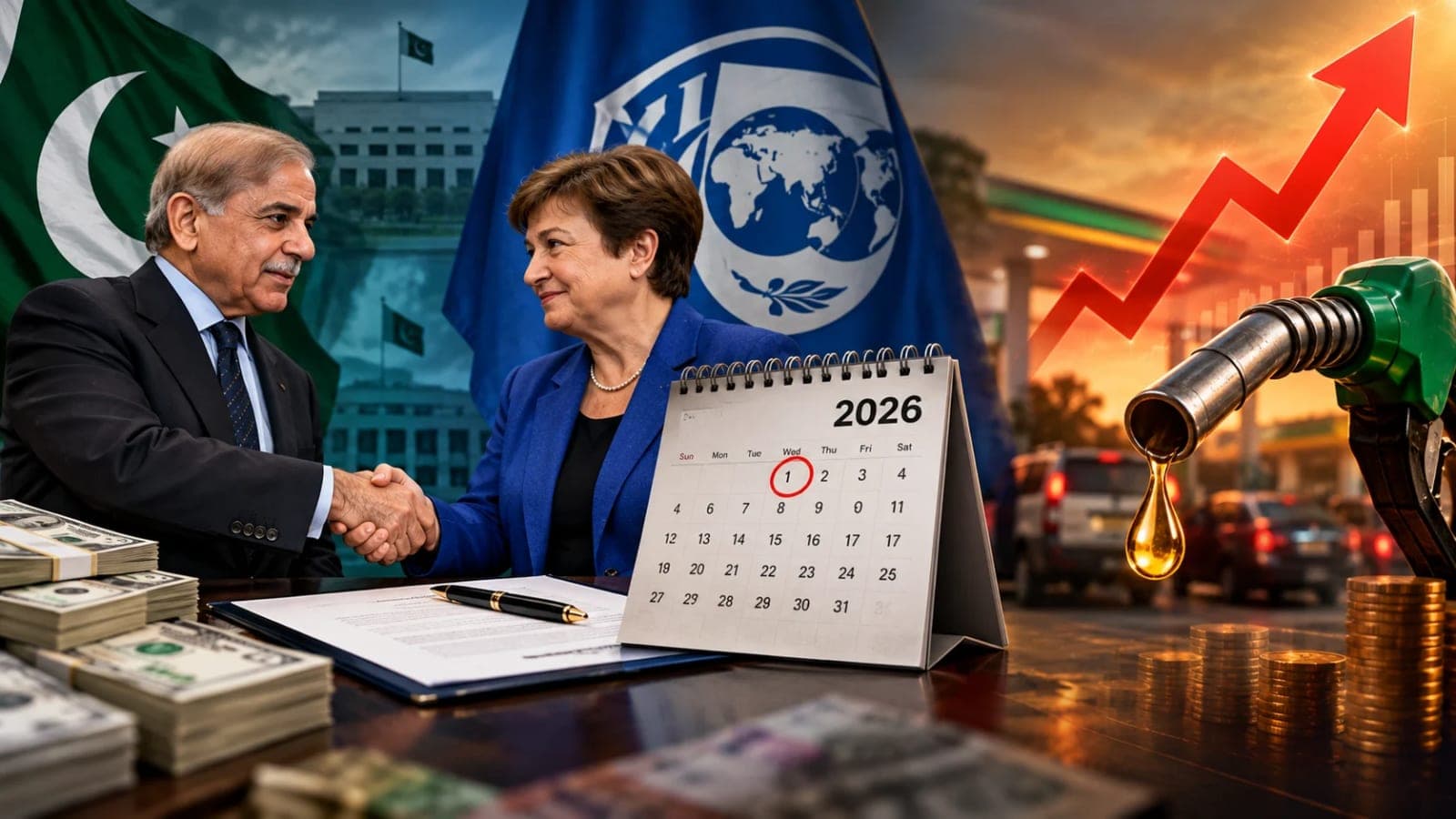
Pakistan's latest agreement with the International Monetary Fund has attracted attention as households and businesses continue to face rising living costs. The development could unlock approximately $1.21 billion in financing, subject to approval by the IMF Executive Board.
But does this mean petrol prices will increase or decrease?
The answer isn't straightforward. Although IMF agreements can influence economic policies, they don't automatically determine the price motorists pay at petrol stations.
What Is the Pakistan IMF Deal in October 2026?Pakistan IMF Deal October 2026 and its potential impact on petrol prices
The reported staff-level agreement represents progress in Pakistan's ongoing economic reform and financing arrangements with the IMF.
A staff-level agreement means IMF representatives and Pakistani authorities have reached an understanding on policy measures and programme performance. However, this isn't the same as the immediate release of funds.
The agreement must pass through the relevant approval process before the proposed financing becomes available.
For Pakistan, the potential funding could help strengthen its external financing position and support confidence in the economy.
The agreement also places attention on government revenue, public spending, taxation and other economic reforms.
Will the IMF Agreement Affect Petrol Prices?
Petrol prices in Pakistan depend on several factors, including international petroleum prices, exchange rates, import costs, government levies and domestic pricing decisions.
An IMF agreement may indirectly influence some of these factors.
For example, greater confidence in Pakistan's external financing position could help reduce pressure on the rupee. A more stable exchange rate may help contain the local cost of imported petroleum products.
However, this doesn't guarantee lower petrol prices.
International crude oil prices can rise independently of domestic economic conditions. Similarly, government decisions about petroleum levies can affect the final retail price.
Consumers should therefore avoid assuming that a new IMF agreement means an immediate change in fuel prices.
Why the Rupee Exchange Rate Matters
Pakistan imports a significant share of its petroleum requirements.
When the rupee weakens against the US dollar, imported fuel becomes more expensive in local currency, even when international prices remain unchanged.
A stronger or more stable rupee can reduce some import-cost pressure, although the final benefit depends on other pricing components.
What About Petroleum Levies?
Petroleum levies are another important part of Pakistan's fuel pricing framework.
The government may adjust these charges according to its fiscal requirements and applicable policy commitments.
Any change should be confirmed through an official government notification rather than social media speculation.
What Does the IMF Deal Mean for Pakistan's Economy?
The proposed financing may help Pakistan manage external financial obligations and strengthen confidence among investors and international lenders.
It could also support broader efforts to maintain economic stability.
However, financing alone doesn't solve long-term economic challenges.
Pakistan still needs sustainable revenue collection, productive investment, export growth and improvements in public-sector financial management.
For ordinary citizens, the most important question is whether economic stability eventually translates into more predictable prices, better employment opportunities and improved purchasing power.
Those outcomes depend on policy implementation and wider economic conditions.
What Should Consumers Watch Next?
Motorists and businesses should monitor official fuel price notifications rather than treating IMF-related headlines as confirmed price announcements.
Other important developments include changes in international crude oil prices, the rupee-dollar exchange rate and government decisions affecting petroleum taxation.
Businesses that depend heavily on transportation costs should also review their operating budgets regularly.
An unexpected increase in fuel costs can affect delivery charges, production expenses and the prices of everyday goods.
For households, the practical approach is to follow confirmed announcements and avoid making financial decisions based on unverified forecasts.
Frequently Asked Questions
1. Has Pakistan already received the $1.2 billion?
The reported staff-level agreement requires IMF Executive Board approval before the associated financing can be released.
2. Does the IMF directly set petrol prices in Pakistan?
No. Pakistan's domestic authorities announce petrol prices under the country's applicable pricing framework.
3. Will petrol prices decrease after the agreement?
There is no automatic reduction. Future prices depend on international markets, exchange rates and government decisions.
4. Why is IMF financing important for Pakistan?
It can support external financing needs, economic stability and confidence in Pakistan's ability to meet financial obligations.
5. How can people check official petrol prices?
Consumers should consult the latest petroleum price notifications issued by the relevant government authorities.
Editorial Note: The reported agreement and financing amount should be checked against the latest IMF announcement before publication. The agreement should not be presented as a guaranteed petrol price change.
What happens next for business
We will keep this page updated as the story develops rather than publishing a near-duplicate at a new address. Follow Business for related coverage.
Get the Verified Brief
One email each morning with the stories we checked overnight.
Spotted an error? Read our corrections policy and tell the newsroom.