Pakistan Targets $8 Billion in Mineral Exports as Mining Sector Gains Momentum
Pakistan aims to raise mineral exports to $8 billion as Reko Diq, foreign investment and critical minerals offer new opportunities for economic growth.

By News Desk · Verified Pakistan News Desk
Published · Updated · 7 min read
Pakistan is looking to increase its annual mineral exports from approximately $3 billion to $8 billion as the country works to attract foreign investment, develop major mining projects and strengthen its position in the global critical minerals market.
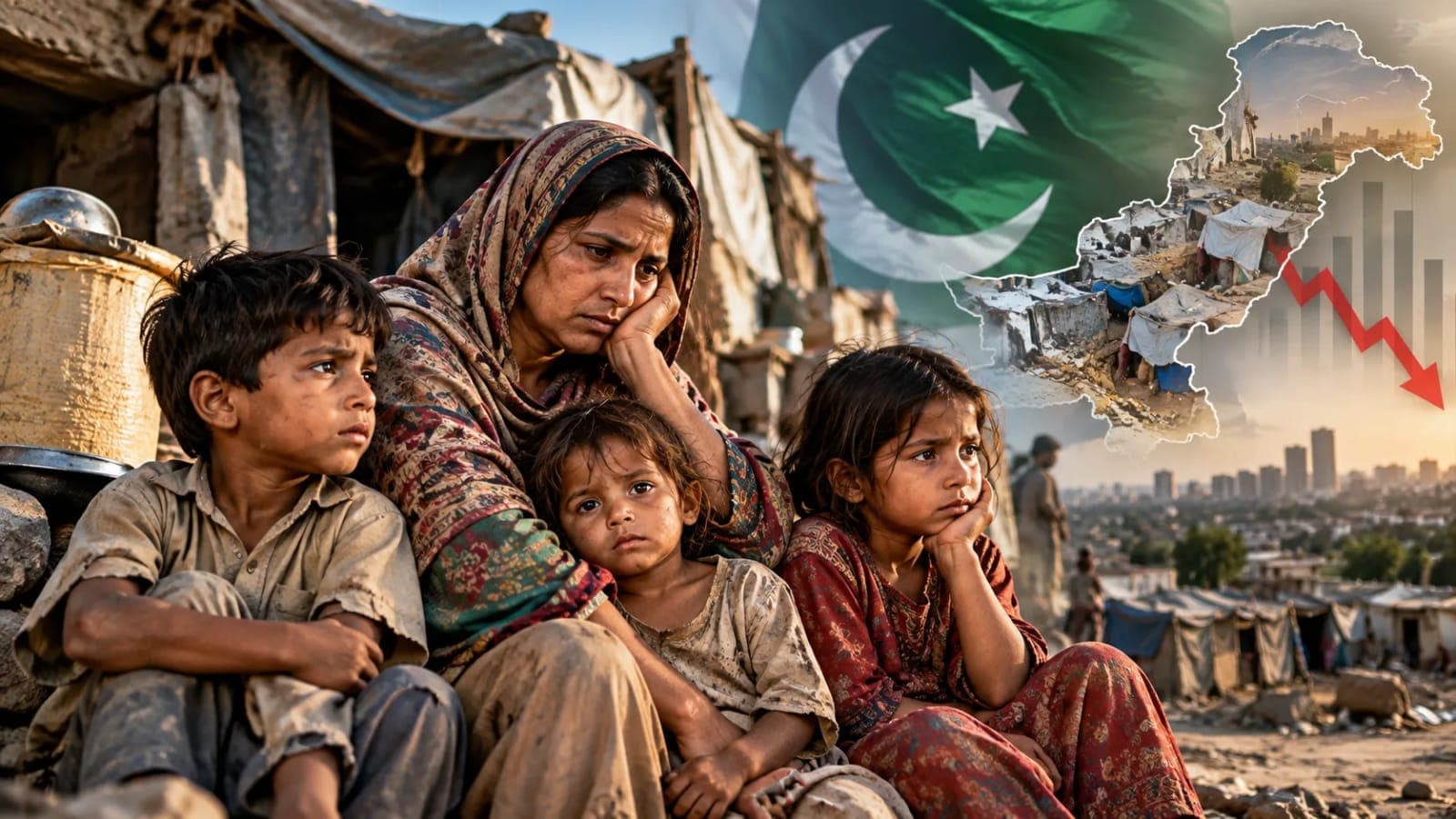
The ambitious export potential comes as new industry assessments highlight the enormous gap between Pakistan's underground mineral wealth and the economic benefits currently generated by its mining industry.
According to estimates highlighted in recent reports, Pakistan has identified 92 minerals, but only 52 are being extracted commercially. The country's mineral resources have been valued at approximately $8 trillion, although this figure represents an estimate rather than verified recoverable wealth.
The proposed increase in exports would represent a significant opportunity for Pakistan's economy, particularly at a time when expanding foreign exchange earnings and reducing dependence on traditional export sectors remain important national priorities.
Pakistan's $8 Trillion Mineral Wealth Remains Largely Untapped
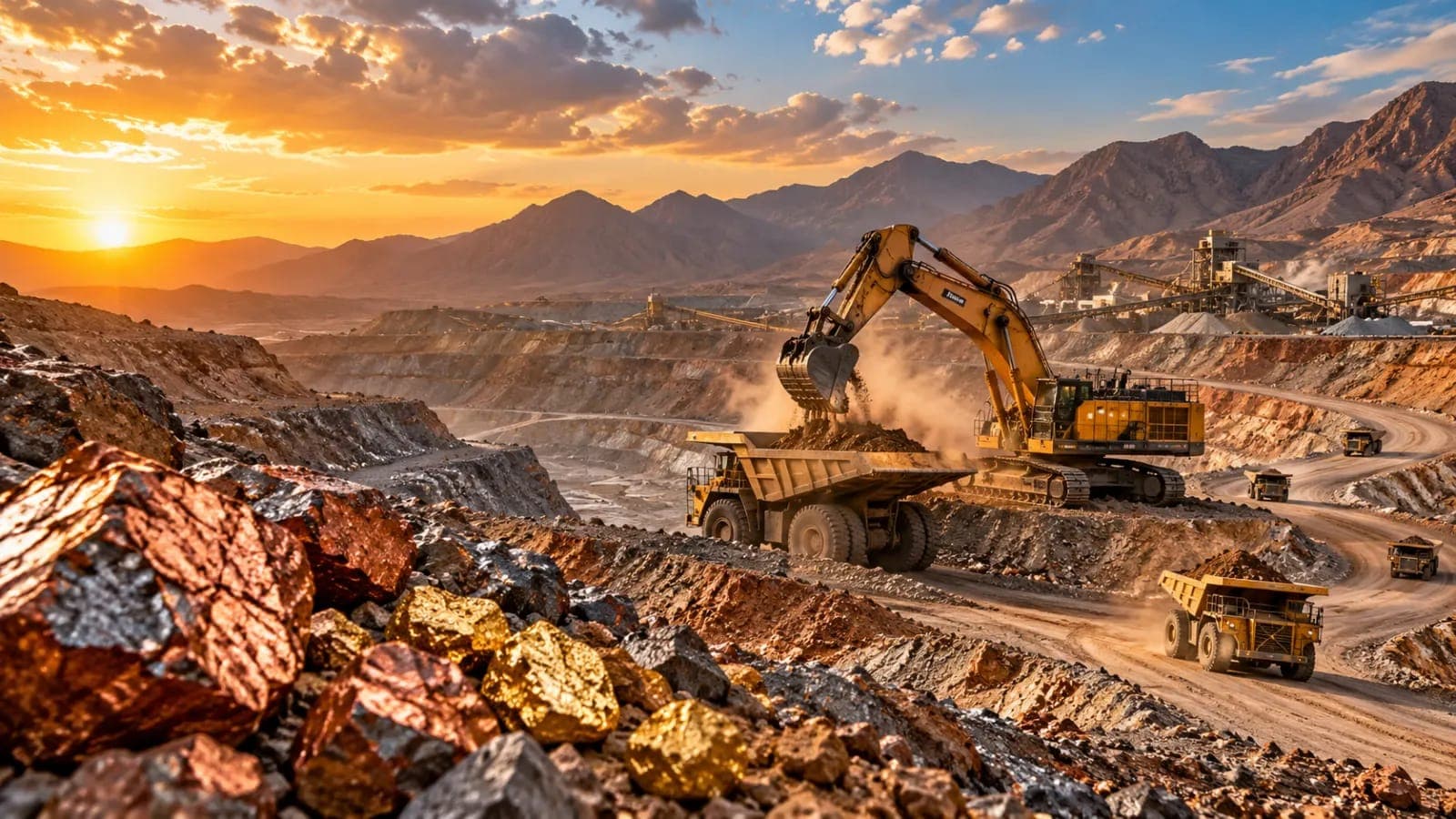
Pakistan possesses substantial deposits of copper, gold, chromite and several other commercially important minerals. However, the country has struggled to translate these natural resources into large-scale industrial production.
Despite its estimated mineral wealth, the mining sector contributes less than 3% to Pakistan's gross domestic product.
This relatively small contribution reflects longstanding challenges involving infrastructure, exploration, technology, investment and regulatory conditions.
Mining projects require substantial capital before commercial production can begin. Companies must conduct geological surveys, establish extraction facilities, arrange transportation and secure reliable electricity and water supplies.
These requirements become particularly challenging in remote mineral-rich regions where supporting infrastructure remains limited.
Pakistan's proposed increase in mineral exports from $3 billion to $8 billion would amount to approximately 167% growth over the current estimated level.
However, the $8 billion figure should be understood as a potential annual export level rather than revenue already secured or guaranteed.
Achieving it would depend on new investment, higher production, improved processing capacity and stable access to international markets.
Reko Diq Project Could Transform Pakistan's Mineral Exports
One of the most important developments in Pakistan's mining industry is the Reko Diq copper and gold project in Balochistan.
Located in the Chagai district, Reko Diq is among the country's largest mining investment projects and is expected to play a central role in future mineral export growth.
The first phase of commercial production is currently targeted for the end of 2028.
According to published project estimates, the initial phase could produce approximately:
- 240,000 tonnes of copper annually
- 297,000 ounces of gold annually
These figures represent projected production rather than output already achieved.
Copper has become increasingly important in international markets because it is widely used in electrical equipment, power transmission, renewable energy infrastructure and electric vehicles.
Gold, meanwhile, remains an important commodity for investment, jewellery manufacturing and international trade.
The development of Reko Diq could provide Pakistan with a stronger position in global mineral supply chains while creating opportunities for employment, transportation, engineering and supporting industries.
Nevertheless, large mining operations also require careful environmental management, community engagement and long-term infrastructure planning.
For Balochistan, the economic benefits will depend not only on mineral production but also on how employment, public revenue and local development opportunities are distributed.
Foreign Investment and US Partnerships Support Mining Expansion
Pakistan has been seeking international partnerships to develop its critical minerals industry and improve access to modern mining technology.
An important development involves cooperation with US-based US Strategic Metals.
The partnership framework includes opportunities related to mineral exploration, processing and the development of resources used in advanced manufacturing industries.
Critical minerals are increasingly important to countries seeking secure supplies of materials for electronics, energy systems, aerospace equipment and industrial production.
Pakistan's mineral resources could attract interest from international companies looking to diversify their supply chains.
However, attracting investment agreements is only the first step.
For projects to generate sustainable export revenue, Pakistan must ensure that agreements lead to operational mines, processing facilities and commercially viable production.
International investors generally consider regulatory consistency, security, infrastructure and long-term financial returns before committing substantial funds.
Pakistan's ability to address these concerns will influence how quickly its mineral industry can expand.
The country could also benefit from developing domestic processing facilities instead of relying mainly on exports of unprocessed minerals.
Processing and refining minerals locally can potentially create additional employment and retain more economic value within Pakistan.
Pakistan Minerals Investment Forum 2026 to Attract Global Investors
Pakistan is preparing to present its mineral investment opportunities to international companies at the Pakistan Minerals Investment Forum 2026.
The event is scheduled for November 12 and 13, 2026, at the Jinnah Convention Centre in Islamabad.
The forum is expected to bring together government representatives, mining companies, investors, financial institutions and industry experts.
Discussions are likely to focus on mineral exploration, investment opportunities, modern extraction technology and the development of Pakistan's mining sector.
The event could help connect Pakistani projects with international companies possessing the technical expertise and financial resources required for large-scale mining operations.
It also provides an opportunity to promote mineral processing, infrastructure partnerships and responsible resource development.
However, investment forums alone cannot guarantee export growth.
Long-term progress will require agreements that result in actual financing, construction, production and international sales.
For Pakistan, the broader objective is to develop a competitive mining industry capable of contributing more significantly to national economic growth.
Can Pakistan Achieve $8 Billion in Mineral Exports?
Pakistan's mineral export ambitions present an opportunity to diversify the country's economy, but reaching the proposed $8 billion level will require sustained efforts.
The country needs greater investment in geological exploration, transportation networks, mineral processing facilities and technical education.
Reliable electricity supplies and improved logistics will also be important for mining operations in remote regions.
At the same time, transparent regulations and environmental safeguards can help create a more predictable investment environment.
Another important consideration is the difference between estimated mineral resources and commercially recoverable reserves.
A large estimated underground resource value does not automatically mean that the same amount can be extracted profitably or converted into government revenue.
Actual earnings depend on mineral quality, extraction costs, commodity prices, project financing and market demand.
Pakistan could gain more from its mineral resources by encouraging local industries to manufacture higher-value products rather than exporting raw materials alone.
Such development could support industrial growth, skilled employment and stronger export earnings over time.
With Reko Diq moving toward its planned production phase and international investors showing interest in critical minerals, Pakistan has an opportunity to expand an industry that has historically remained underdeveloped.
Whether mineral exports eventually reach $8 billion will depend on how effectively the country converts geological potential into productive and financially sustainable projects.
For now, the proposed export expansion signals a growing focus on mining as a possible source of long-term economic development.
Frequently Asked Questions
1. What is Pakistan's mineral export target?
Pakistan is seeking to increase its annual mineral exports from approximately $3 billion to a potential $8 billion through investment, improved policies and expanded mining production.
2. How much are Pakistan's mineral reserves worth?
Recent estimates place Pakistan's mineral resources at approximately $8 trillion. However, this is an indicative resource valuation, not a confirmed amount of recoverable revenue.
3. How many minerals have been discovered in Pakistan?
According to reported industry estimates, 92 minerals have been identified in Pakistan, with 52 currently being extracted commercially.
4. When will the Reko Diq project start production?
The first phase of the Reko Diq copper and gold project is targeted to begin production by the end of 2028, subject to project progress.
5. When is the Pakistan Minerals Investment Forum 2026?
The Pakistan Minerals Investment Forum 2026 is scheduled for November 12–13 at the Jinnah Convention Centre in Islamabad.
What happens next for national
We will keep this page updated as the story develops rather than publishing a near-duplicate at a new address. Follow National for related coverage.
Get the Verified Brief
One email each morning with the stories we checked overnight.
Spotted an error? Read our corrections policy and tell the newsroom.