
Wheat Sowing in Punjab Hit by Shortage as 20 November Deadline Nears
Wheat sowing in Punjab is under strain as farmers in Vehari face seed and fertiliser shortages, with the best sowing window closing on 20 November.

By Suleman Mirza · Reporter
Published · Updated · 5 min read
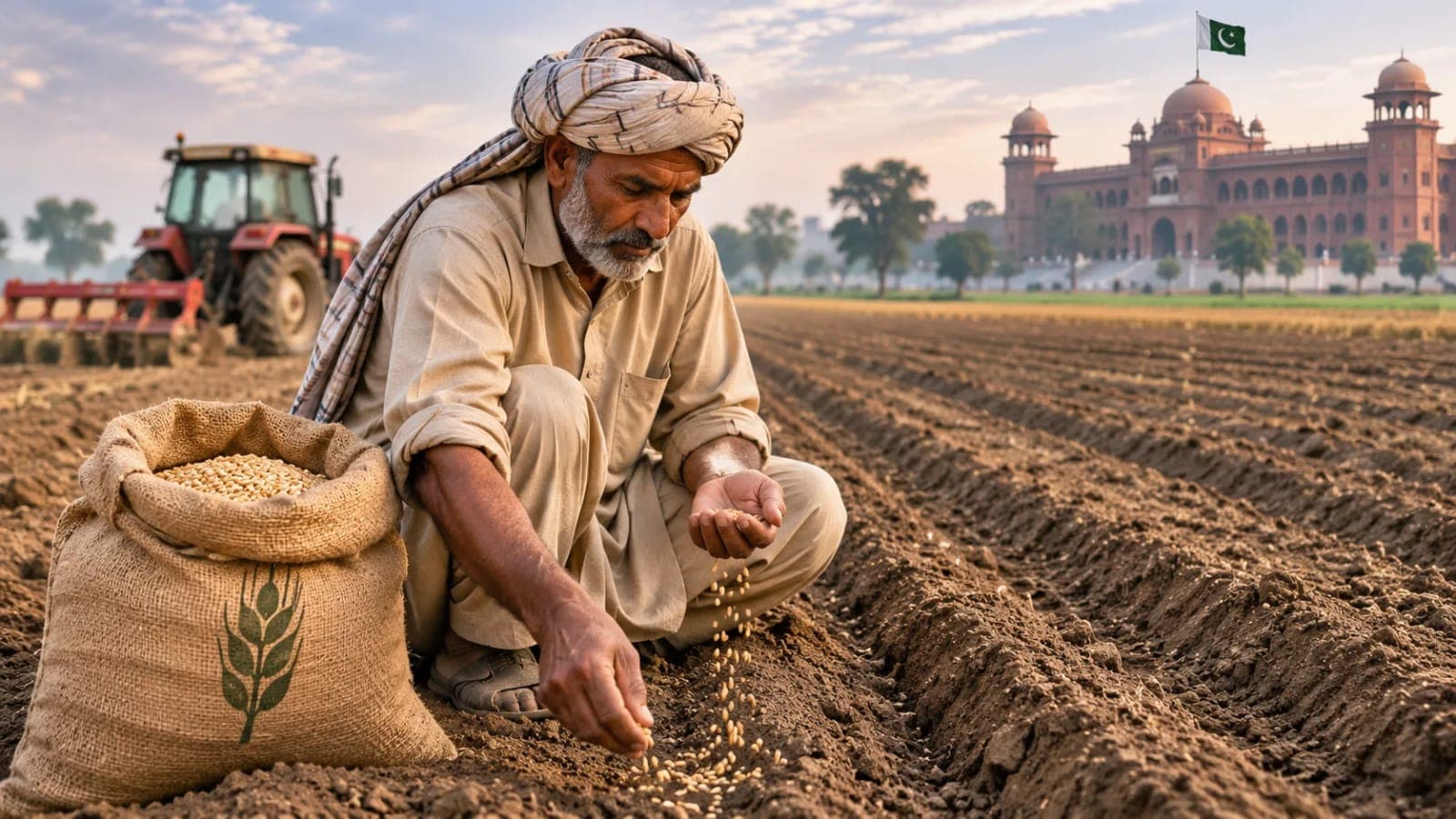
Wheat sowing in Punjab has run into trouble in Vehari district, where farmers say shortages of certified seed and fertiliser are threatening the Rabi season crop. The Punjab government has set a target of cultivating wheat on 465,000 acres in the district during the 2026-27 Rabi season, but growers say they cannot get the inputs they need on time.
According to agriculture department data, wheat will be cultivated on 159,000 acres in Mailsi tehsil out of its total cultivable area of 338,000 acres, which is 47 percent of the available land. The targets for Vehari and Burewala tehsils have been set at 156,000 acres and 150,000 acres. Across Multan division, the wheat cultivation target for the current season has been increased to 1.776 million acres from 1.76 million acres last year, an increase of 16,000 acres.
Wheat sowing window closes on 20 November
Agricultural experts say the first and most suitable window for wheat sowing runs from 1 November to 20 November, followed by a second phase till 10 December. They stressed that timely sowing and adequate fertiliser application during the initial growth stage were essential for achieving better yields. Timely wheat sowing matters because late sowing can reduce per-acre yield, and the best window is now closing.
According to the experts, each acre requires at least a 50 kilogramme bag of urea and one and a half bags of DAP fertiliser during the initial stage. Based on the cultivation targets, Mailsi tehsil will require 7,950 tonnes of urea and 11,925 tonnes of DAP. Vehari will need 7,800 tonnes of urea and 11,700 tonnes of DAP, while Burewala will require 7,500 tonnes of urea and 11,250 tonnes of DAP. This brings the total initial-stage requirement for the district to 23,250 tonnes of urea and 34,875 tonnes of DAP.
Farmers allege hoarding and high prices
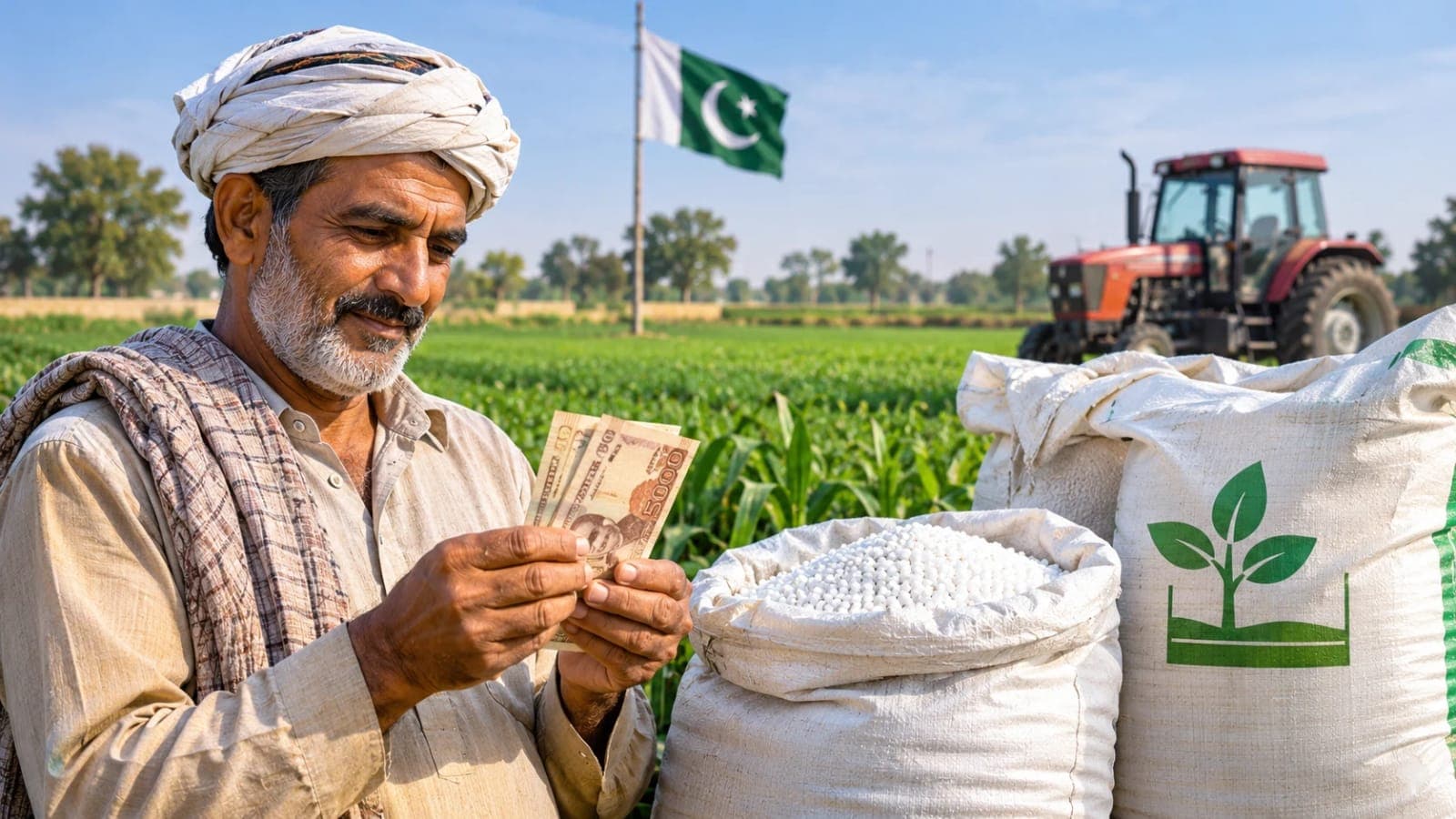
Farmers say the availability of quality seed and fertilisers in the required quantities has become a major challenge. They allege that hoarding, sale of agricultural inputs at inflated prices and weak monitoring have made it difficult for them to obtain supplies on time, potentially disrupting the sowing schedule. The shortages have made wheat sowing harder for small farmers, whose livelihood depends almost entirely on agriculture.
Farmer Akbar Ali of Mailsi said small-scale farmers were bearing the brunt of the shortages because their livelihood depended almost entirely on agriculture. He said delays in the availability of seed and fertiliser were adding to their financial difficulties. Another farmer, Muhammad Hussain, said visiting several markets in search of fertiliser had become routine.
Muhammad Shams warned that unless the government took immediate action against those involved in hoarding, the wheat cultivation target could remain confined to official figures. Farmer Majeed Hassan said growers were being forced to use wheat grain reserved for household consumption as seed, a practice he described as harmful to crop productivity. The experts warned that disruption of timely supply of quality seed and fertilisers could affect the crop's early growth and yield.
Wheat sowing in Punjab: the wider picture
The problems in Vehari reflect a wider strain on wheat sowing in Punjab this season. Certified wheat seed availability covers only about half of what is needed, according to figures in the Pakistan Economic Survey 2025-26, and DAP prices have risen sharply over the past year. Business Recorder reported that a bag of DAP averaged Rs17,153 in the bureau's weekly survey on 29 October, 17.60 percent higher than a year earlier, against Rs4,781 for urea. Farmers are cutting back on phosphate, which wheat needs at sowing, and that could show up in yields in March.
With the best sowing window closing on 20 November, farmers in Vehari are urging the government to act against hoarders and ensure timely supply of seed and fertiliser. The second sowing phase runs till 10 December, but experts say late sowing brings lower yields. Whether the district meets its 465,000-acre target will depend on how quickly supplies reach the markets in the coming days.
Wheat sowing in Punjab: questions farmers are asking
When is the best time for wheat sowing in Punjab? The best window for wheat sowing in Punjab is 1 to 20 November, with a second phase till 10 December. Sowing after the best window can reduce per-acre yield.
How much urea and DAP does one acre of wheat need? Each acre needs at least one 50 kilogramme bag of urea and one and a half bags of DAP fertiliser during the initial growth stage.
What is the wheat cultivation target for Vehari district? The target for wheat sowing in Vehari district is 465,000 acres for the 2026-27 Rabi season, with 159,000 acres in Mailsi, 156,000 acres in Vehari tehsil and 150,000 acres in Burewala tehsil.
Why are farmers facing seed and fertiliser shortages? Farmers say hoarding, inflated prices and weak market monitoring are the main reasons wheat sowing has slowed in Vehari. They also say certified seed is in short supply.
What happens if wheat sowing is delayed? Experts warn that delayed sowing and poor fertiliser application in the early stage can affect the crop's growth and reduce the final yield.
What happens next for punjab
We will keep this page updated as the story develops rather than publishing a near-duplicate at a new address. Follow Punjab for related coverage.
Get the Verified Brief
One email each morning with the stories we checked overnight.
Spotted an error? Read our corrections policy and tell the newsroom.