

PTA Starts Blocking WhatsApp Accounts Linked to Inactive SIMs
PTA WhatsApp accounts blocked: accounts linked to inactive SIMs are being blocked, so users should check their number and move WhatsApp to an active number.

By News Desk · Verified Pakistan News Desk
Published · Updated · 5 min read
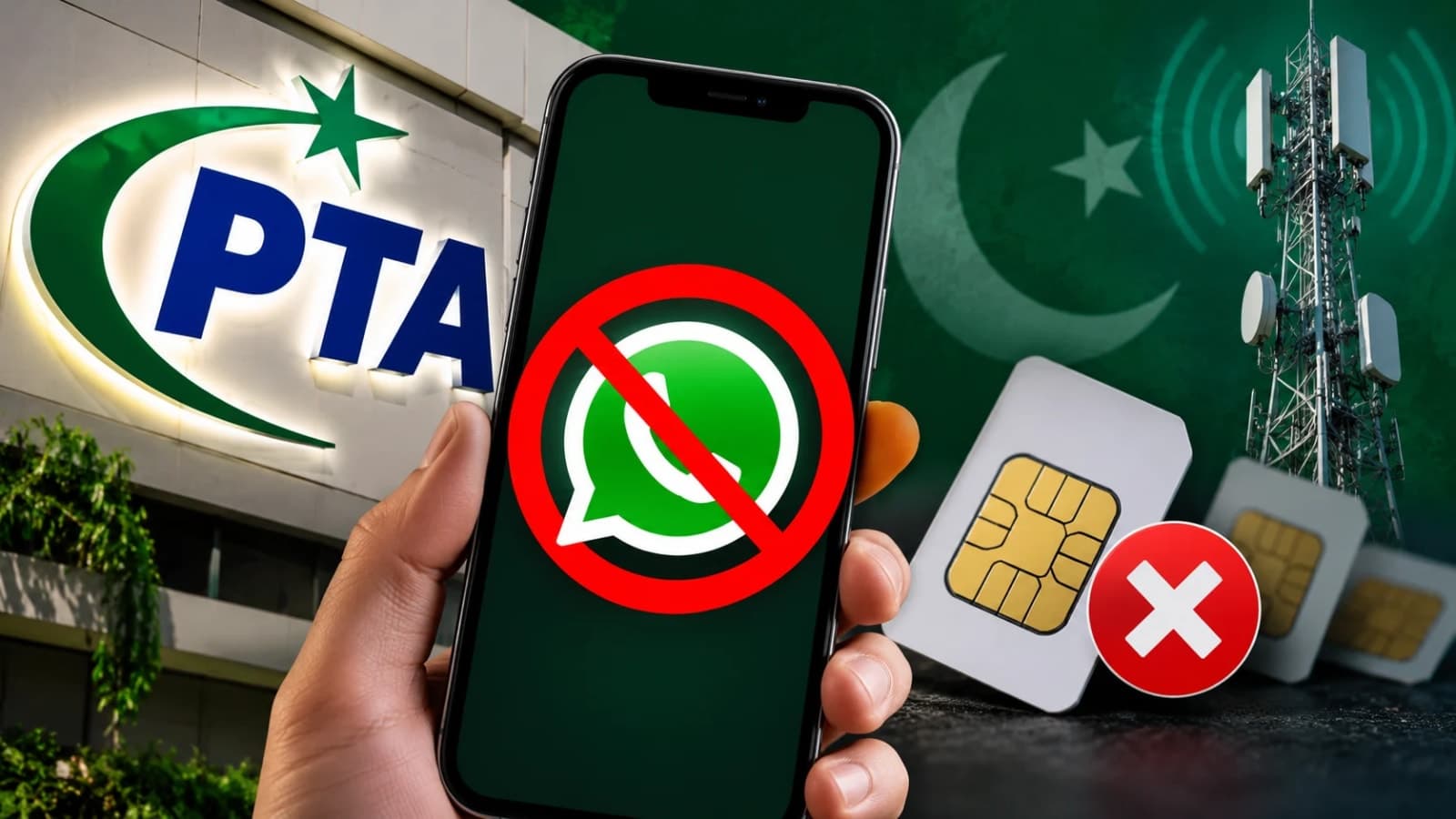
PTA WhatsApp accounts blocked is now a live action in Pakistan, after the Pakistan Telecommunication Authority confirmed it has started blocking WhatsApp accounts linked to inactive SIM cards. The move was reported on 28 October 2026.
For most people, WhatsApp is tied to one mobile number, and that number is the key to the account. When it stops working, or leaves the owner's hands, that key becomes a weak point.
This is not a ban on WhatsApp itself. The app remains available, and accounts linked to active numbers in the owner's possession are not the focus of this action. The issue is the link between an account and a number that is no longer active.
Why PTA WhatsApp accounts blocked is happening now
PTA officials confirmed that the blocking process has begun after an awareness campaign. That campaign urged users to keep their WhatsApp accounts linked to active mobile numbers in their possession, so the step did not arrive without warning.
The authority had already advised users to update their WhatsApp registration if their previously registered SIM had been deactivated, cancelled or was no longer in use. In plain terms, if you no longer use the number your WhatsApp account was set up with, PTA wanted you to fix that link.
PTA says the action will help prevent misuse of numbers no longer controlled by their original users. It is a safety step, not a punishment for ordinary users.
How an inactive number creates a risk
An inactive number does not simply disappear. Operators may eventually reissue it to other subscribers, and that is where the risk behind PTA WhatsApp accounts blocked begins.
If an account remains linked to a reissued number, the original owner could lose control of it. The new holder could, in some cases, gain a route into an account that was never theirs.
That risk is not limited to messages. An account is often tied to contacts, groups and photos, and in the wrong hands it can be used to contact friends or family under a false identity.
PTA has urged users to check their SIM status and keep WhatsApp registered with a number they currently use and control. Those who changed numbers should use WhatsApp's Change Number feature to move registration to their current number.
The earlier warnings behind this step
The October action follows earlier warnings about the same problem, and those warnings help explain why PTA moved from advice to blocking. According to a Pakistan Press Foundation summary, PTA issued an advisory on 29 June 2026 warning that accounts on blocked or deactivated SIMs may become inaccessible.
In September 2026, Times of Karachi reported PTA was preparing this action, saying inactive numbers were being misused for fraud, scams and other illegal activities, and operators were directed to keep accounts linked to active, valid numbers.
Keep those points separate from the October start: June was a warning, September described preparation, and the 28 October report confirms the PTA WhatsApp accounts blocked action has begun.
What has not been reported matters too. No figure for blocked accounts, and no deadline, operator list, SIM reissue period, inactivity period or fine has been stated for this action.
How to stay safe with your WhatsApp account
Beyond the PTA advice, these are simple, general safety steps, not a PTA order. First, check which number your account is registered with, and make sure that SIM is active and in your possession.
Second, turn on WhatsApp two-step verification. This adds an extra code to your account, so even if someone gets a verification code, they face another barrier. Choose a code you can remember, and keep it private.
Third, never share verification codes with anyone. No genuine support team or official will ask for a code sent to your phone, and sharing it can hand over your account in seconds.
Finally, be careful with old SIMs. If you stop using a number, do not leave important accounts tied to it. Update it on WhatsApp and other login services, so a reissued number cannot become a back door.
For most users, the message is simple. Keep WhatsApp on a number you use, keep that number active, and keep your verification details private. That combination covers most of the risk behind the PTA WhatsApp accounts blocked action.
Frequently Asked Questions
Is WhatsApp banned in Pakistan?
No. This is not a WhatsApp ban. PTA WhatsApp accounts blocked covers accounts linked to an inactive SIM, while accounts on active numbers continue as normal.
What should I do if my number changed?
Use WhatsApp's Change Number feature, in general terms through the app's account settings, to transfer your registration to the number you currently use and control. Make sure the new SIM is active and in your possession before you start. This keeps you clear of the PTA WhatsApp accounts blocked action.
Why would my account be blocked if my SIM is inactive?
Because an inactive number can be reissued to another subscriber, and an account left tied to it could be exposed to unauthorised access. PTA says blocking such accounts helps prevent misuse of numbers no longer controlled by their original users.
Does this mean I will be fined?
No fine or penalty for users has been stated in connection with this action. The reports describe blocking of accounts linked to inactive SIMs, not a fine, and readers should not accept an invented penalty figure shared online.
How can I protect my account in general?
Keep WhatsApp registered to an active number you control, turn on two-step verification, and never share verification codes with anyone. These are general safety steps, not a PTA order, but they reduce the risk behind the PTA WhatsApp accounts blocked action.
What happens next for tech
We will keep this page updated as the story develops rather than publishing a near-duplicate at a new address. Follow Tech for related coverage.
Get the Verified Brief
One email each morning with the stories we checked overnight.
Spotted an error? Read our corrections policy and tell the newsroom.