
Punjab Gold Reserves: 75,000 Tolas Found in Rivers
Punjab gold reserves grew clearer on Wednesday, with a preliminary NESPAK report finding 75,000 tolas of gold in one river block, worth more than Rs30 billion.

By Suleman Mirza · Reporter
Published · 4 min read
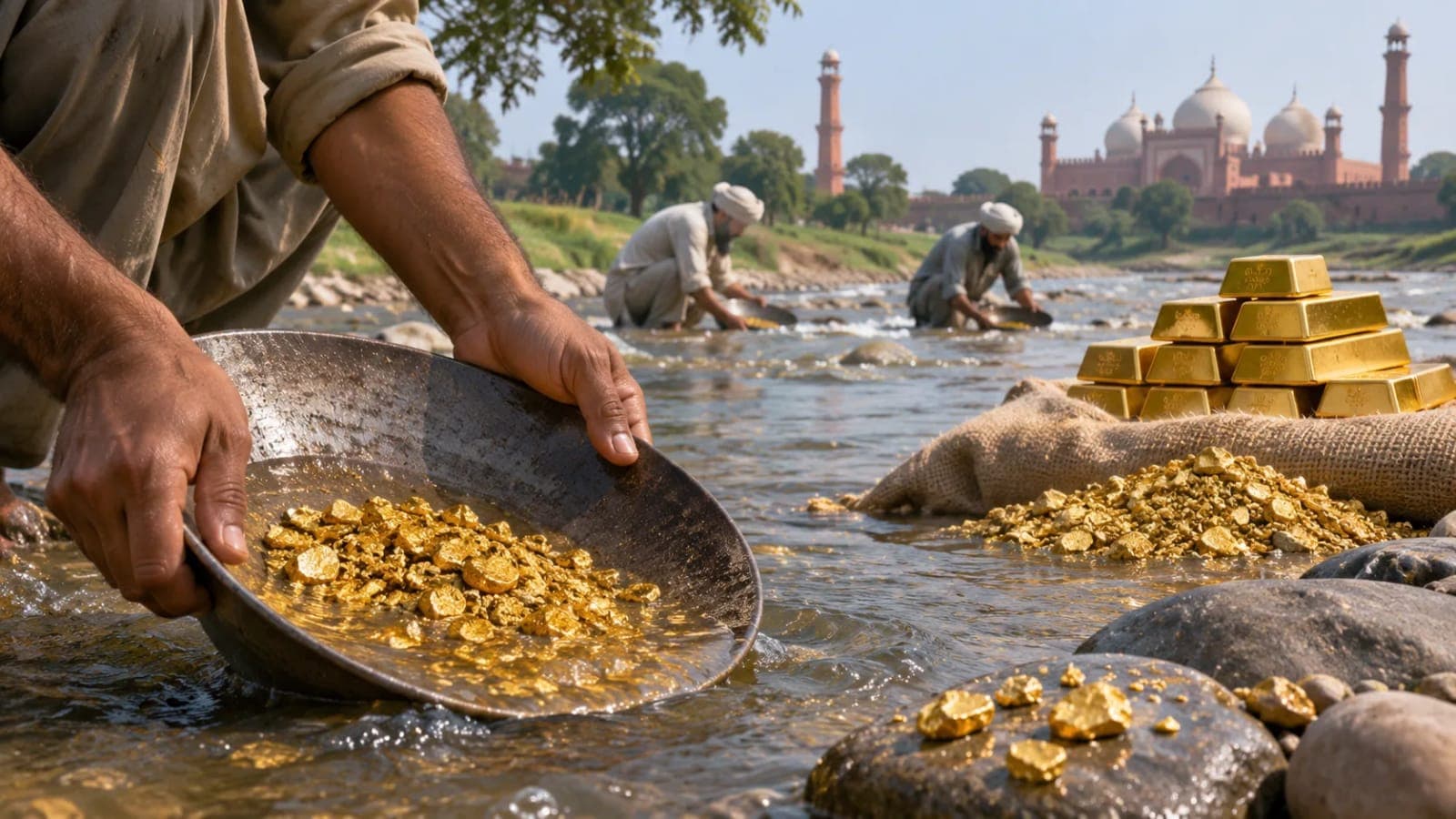
Punjab gold reserves have taken a big step forward, with a preliminary survey finding 75,000 tolas of gold in a single river block.
Provincial Minister for Minerals Sardar Sher Ali Gorchani confirmed the finding on Wednesday, saying the deposits in Attock, Mianwali and the Sutlej river areas have been divided into nine blocks.
According to the minister, the 75,000 tolas in the first block are worth more than Rs30 billion, while about Rs20 billion in investment will be needed to extract the gold.
The minister said the total value of the Punjab gold reserves could reach hundreds of billions of rupees once all nine blocks are surveyed.
Punjab gold reserves: what the new survey found
The figures come from a preliminary report by NESPAK, which is surveying the river deposits block by block. The report puts the find at 75,000 tolas in one block, while a separate Geological Department report has put the figure at 480,000 tolas across two blocks.
One tola is about 11.66 grams, so 75,000 tolas is about 875 kilograms of gold. The minister said the quantity in the remaining blocks is still being assessed, and final reports will follow once the surveys are complete.
Where the gold was found
The deposits lie in the river sand and gravel of Attock and Mianwali districts and along the Sutlej river, the minister said. The gold is placer gold, which forms when tiny particles break away from rock, are carried downstream by river water and settle in sand and gravel beds.
The Punjab government has divided the deposits into nine blocks. NESPAK has started surveys of the remaining blocks, and once the final reports are compiled, the government plans an international auction for the exploration and extraction of the Punjab gold reserves.
How the find was announced
The new figures follow Chief Minister Maryam Nawaz Sharif's announcement at the Pakistan Minerals Investment Forum in Islamabad on 12 November, when she said there was significant evidence of placer gold in all five rivers of Punjab, particularly around Mianwali and Attock, and showed delegates a sample of pure gold recovered from river sand.
At the time, the chief minister said surveys were still underway to establish how much gold the rivers held, and she invited international mining companies to partner with Punjab in developing the resource. The NESPAK figures released on Wednesday are the first quantified estimate since that announcement.
Why the Punjab gold reserves matter
If the deposits prove commercially viable, they could bring major investment and jobs to Punjab and add a new source of mineral revenue for the province. The minister said the extraction alone would need about Rs20 billion in investment, and the government expects international companies to bid once the auction opens.
Officials caution that the figures are preliminary. The deposits have not yet been fully quantified, and the commercial value will only be clear once the final survey reports are complete and the auction process begins.
Questions people are asking
Here are the questions people are asking about the find.
How much gold was found in Punjab's rivers?
A preliminary NESPAK report has put the find at 75,000 tolas of gold in one block, while a Geological Department report has put the figure at 480,000 tolas across two blocks. The Punjab gold reserves are still being surveyed, so the final total is not yet known.
Where was the gold found?
The deposits were found in the river areas of Attock and Mianwali districts and along the Sutlej river. The Punjab government has divided the deposits into nine blocks for survey and auction.
How much is the gold worth?
The provincial minerals minister said the 75,000 tolas in the first block are worth more than Rs30 billion, and the total value of the Punjab gold reserves could reach hundreds of billions of rupees.
What is placer gold?
Placer gold is gold that has broken away from rock through erosion and has been carried by river water before settling in sand and gravel. It is the kind of gold found in Punjab's rivers.
When will mining start?
No date has been announced. NESPAK is still surveying the remaining blocks, and the government says an international auction for exploration and extraction will follow once the final reports are compiled.
How much will it cost to extract the gold?
The minerals minister said about Rs20 billion in investment will be needed to extract the gold in the first block. The final cost will depend on the survey results and the auction.
What happens next for business
We will keep this page updated as the story develops rather than publishing a near-duplicate at a new address. Follow Business for related coverage.
Get the Verified Brief
One email each morning with the stories we checked overnight.
Spotted an error? Read our corrections policy and tell the newsroom.