
Riyadh Explosion: Two Houthi Missiles Intercepted Over Saudi Capital
The Riyadh explosion rattled homes in the Saudi capital on Wednesday as air defences intercepted two Houthi cruise missiles, in a sharp escalation of the Gulf attacks.

By Suleman Mirza · Reporter
Published · Updated · 5 min read
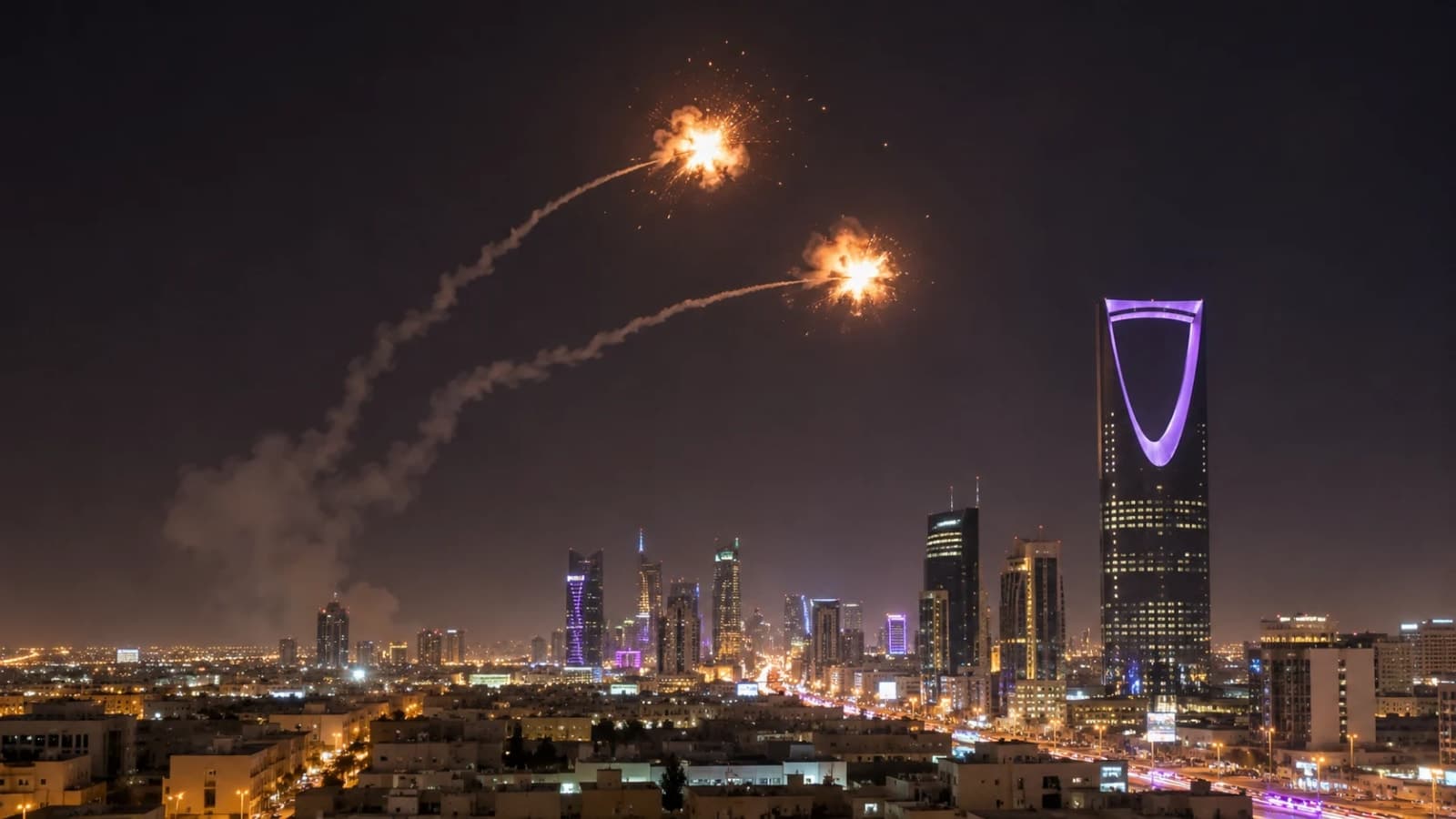
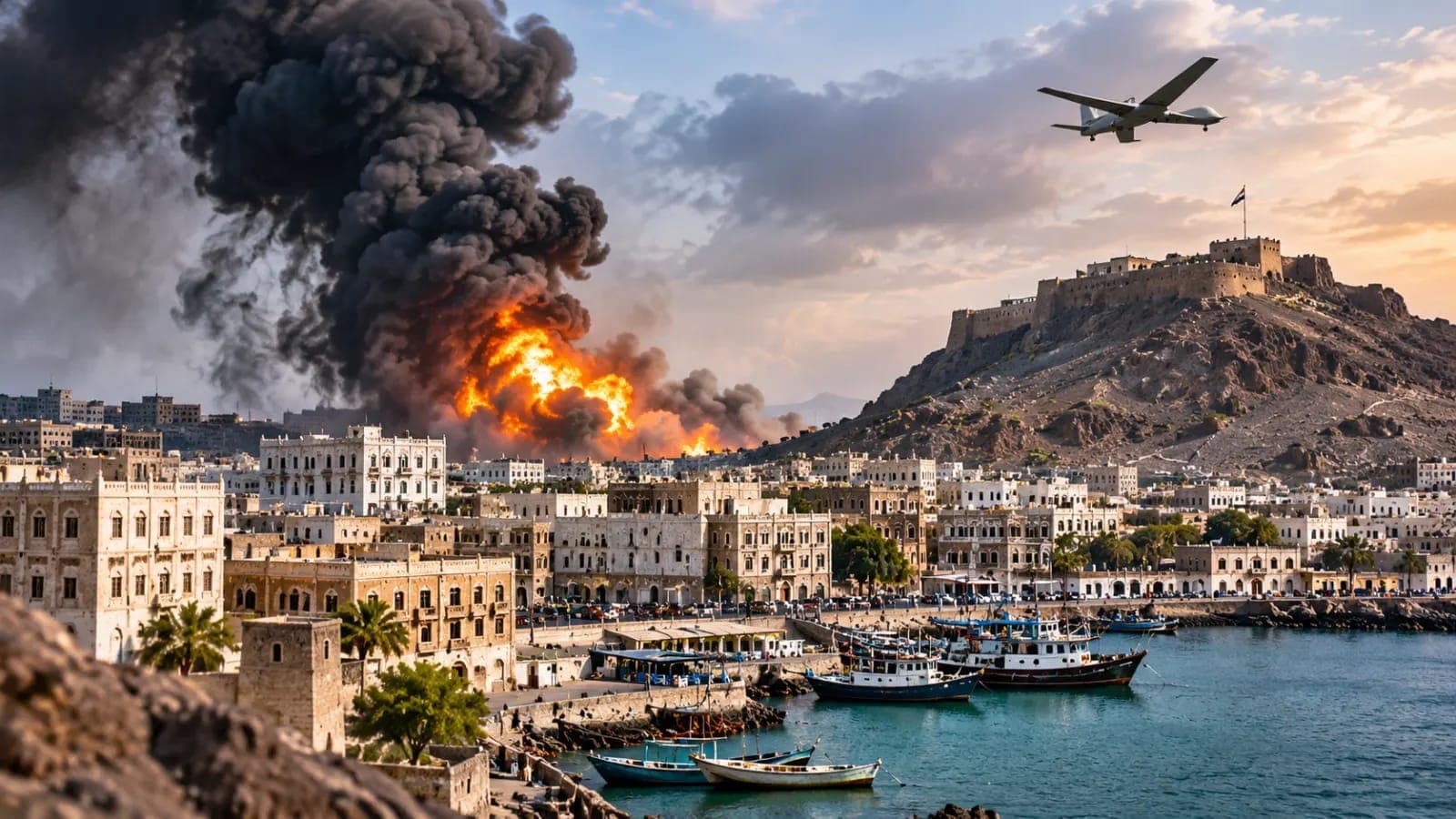
The Riyadh explosion rattled homes across the Saudi capital on Wednesday, as residents heard a powerful blast that shook doors and briefly cut the lights, while Saudi air defences intercepted two cruise missiles fired by Yemen's Houthi rebels.
AFP reported that the Riyadh explosion came without the usual phone warnings, leaving residents frightened. One person in the north of the city described the blast as "extremely loud", and an AFP journalist said the doors in her home swung open and the lights briefly went out.
The exact location of the Riyadh explosion was not immediately clear, but residents told AFP they saw smoke near the airport in the northeast of the city. No casualties or damage were reported by the Saudi-led coalition.
Earlier on Wednesday, the Saudi-led coalition said it had intercepted a cruise missile launched by the Houthis towards the Riyadh area. It later said a second cruise missile aimed at the capital had also been destroyed.
Riyadh explosion follows weeks of Houthi attacks on Saudi targets
In recent weeks, the Houthis have launched strikes on a range of Saudi targets, including airports, energy infrastructure, military sites and Riyadh's financial district, according to AFP.
In October, a deadly attack targeting King Khalid International Airport in Riyadh killed 14 people and injured hundreds, forcing the suspension of flights for two weeks.
Coalition strikes 60 Houthi targets in Yemen
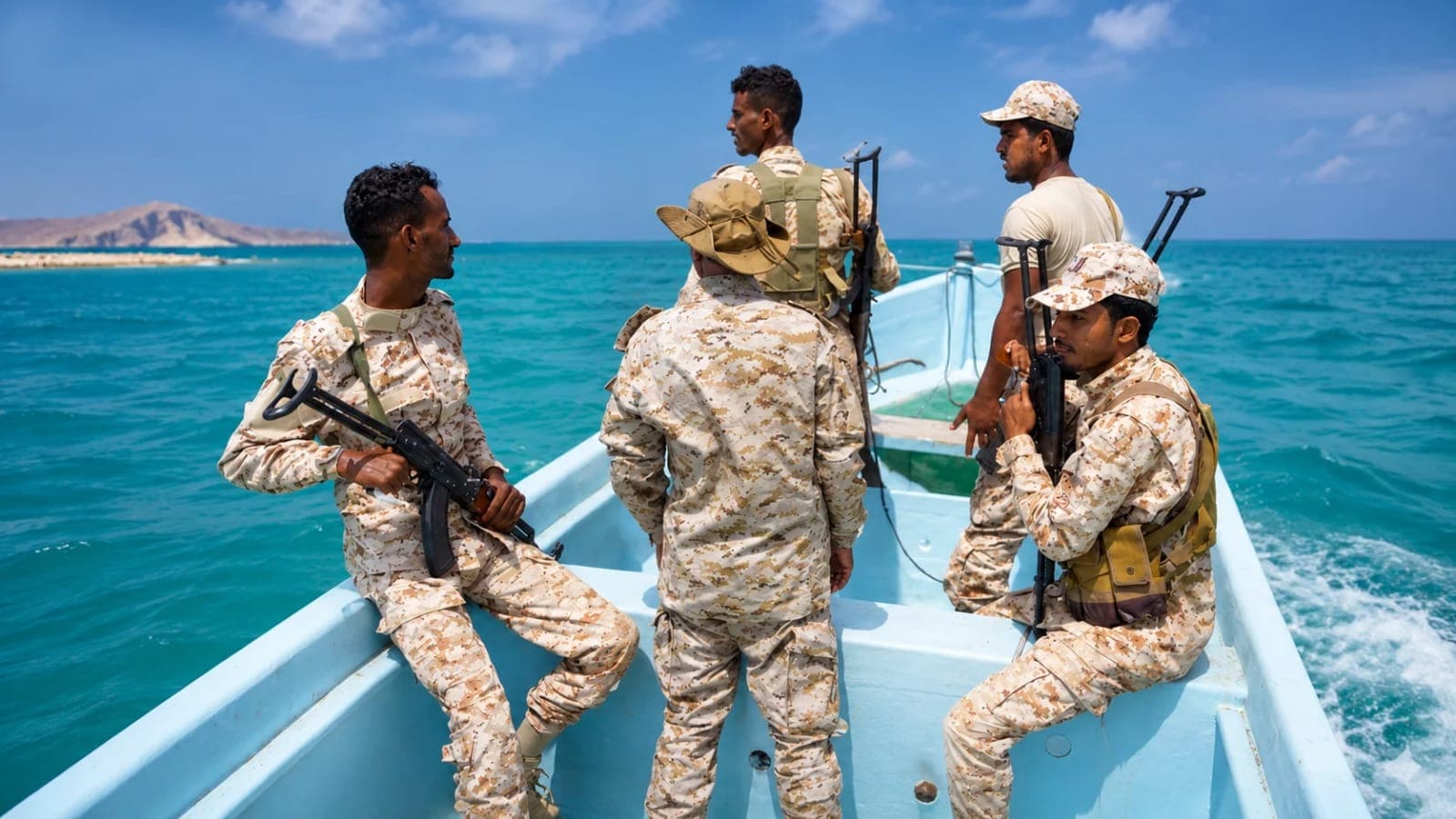
The coalition said on Wednesday it had launched a major air attack across rebel-held areas of Yemen, after strikes on Tuesday targeted Houthi tunnels used to store ballistic missiles and workshops used to assemble and store drones.
Coalition spokesman Maj Gen Turki al-Malki said 60 military targets were destroyed in the capital, Sanaa, and the provinces of Amran, Saada and Hodeida.
The Houthis said at least 17 people were killed in the strikes. A spokesman for the Houthi-run health ministry, Anees al-Asbahi, said one strike hit a sponge factory in Hodeida, killing at least 15 people and wounding 15 others, while another strike in Saada killed at least two people and wounded four.
Why the Riyadh explosion matters for the Gulf
The Riyadh explosion is the latest sign that the war in Yemen has spread far beyond its borders. The long-running civil war had been dormant after a ceasefire in 2022, but fighting sprang back to life in the summer, and the Houthis are now nearing Aden, the government's interim capital, after sweeping territorial gains in recent weeks.
Since the summer, more than 1,600 people have been killed and over 300,000 displaced by the fighting, according to the United Nations.
The fighting also reached the Strait of Hormuz this week. A state-run oil company in the United Arab Emirates said one of its vessels was attacked while crossing the strait, leaving one crew member unaccounted for and 11 others injured. A Panama-flagged gas tanker was also attacked earlier in the week, with one Indian crew member unaccounted for and two more injured.
Saudi Arabia also sounded alerts in three southern cities near the border with Yemen, Khamis Mushait, Najran and Jazan, but officials later said the danger had passed.
Iran attacks on Kuwait and Bahrain add to Gulf tensions
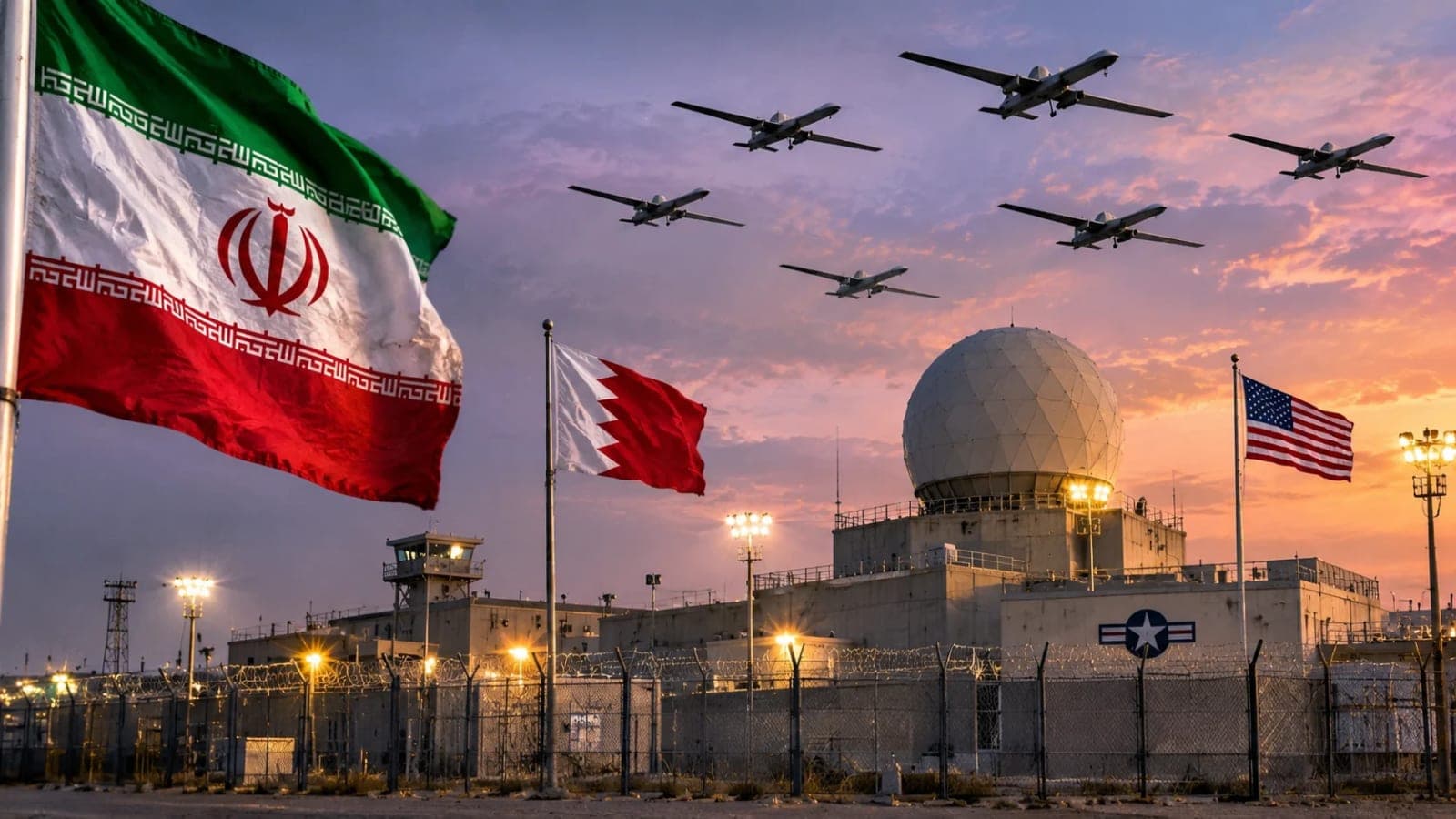
The Riyadh explosion came on the same day Iran said it had targeted American installations in Kuwait. The Iranian army claimed early on Wednesday that it had targeted Ali Al Salem Air Base with drones, while Kuwait's army said its air defences had intercepted drone attacks and reported no damage.
Bahrain's army said its defence systems had repelled a number of Iranian attacks. The United States did not immediately comment on the claims.
The attacks followed American strikes on Tuesday on a missile site on Iran's Qeshm Island, in a fast-moving exchange that has put the whole Gulf region on alert.
What happens next
The coalition said its campaign against Houthi military capabilities would continue, while the Houthis gave no immediate comment on the intercepted missiles or the Riyadh explosion.
Questions people are asking
Here are the questions people are asking about the Riyadh explosion.
Q1: What happened in Riyadh on 18 November? A: The Riyadh explosion was heard across the Saudi capital on Wednesday, 18 November. Residents reported an extremely loud blast and smoke near the airport, while Saudi air defences intercepted two Houthi cruise missiles aimed at the city.
Q2: Who fired the missiles at Riyadh? A: The Saudi-led coalition said the missiles were fired by Yemen's Houthi rebels, who have stepped up attacks on Saudi targets since fighting reignited in July.
Q3: Were there any casualties in the Riyadh explosion? A: No casualties or damage were reported by the coalition. The location of the blast was not immediately clear, and residents said they saw smoke near Riyadh's airport.
Q4: Why are the Houthis attacking Saudi Arabia? A: The Houthis are fighting Yemen's internationally recognised government, which is backed by the Saudi-led coalition. Hostilities reignited in July after a ceasefire that had held since 2022, and the Houthis have since targeted Saudi airports, energy infrastructure, military sites and Riyadh's financial district.
Q5: What did the coalition do in response? A: The coalition said it launched a major air attack on Houthi targets in Yemen, destroying 60 military targets in Sanaa, Amran, Saada and Hodeida. The Houthis said at least 17 people were killed.
Q6: How does this affect the Gulf? A: The attacks have spread across the region. Iran said it targeted American installations in Kuwait, Bahrain said it repelled Iranian attacks, and a vessel was attacked in the Strait of Hormuz, a key route for oil shipments.
What happens next for global
We will keep this page updated as the story develops rather than publishing a near-duplicate at a new address. Follow Global for related coverage.
Get the Verified Brief
One email each morning with the stories we checked overnight.
Spotted an error? Read our corrections policy and tell the newsroom.