
Thar Coal Electrification Work Begins, Saving Up to $30 Million a Year
Thar coal electrification work has formally begun, moving mining in Blocks I and II from diesel to the national grid and saving up to $30 million a year.

By Suleman Mirza · Reporter
Published · 4 min read
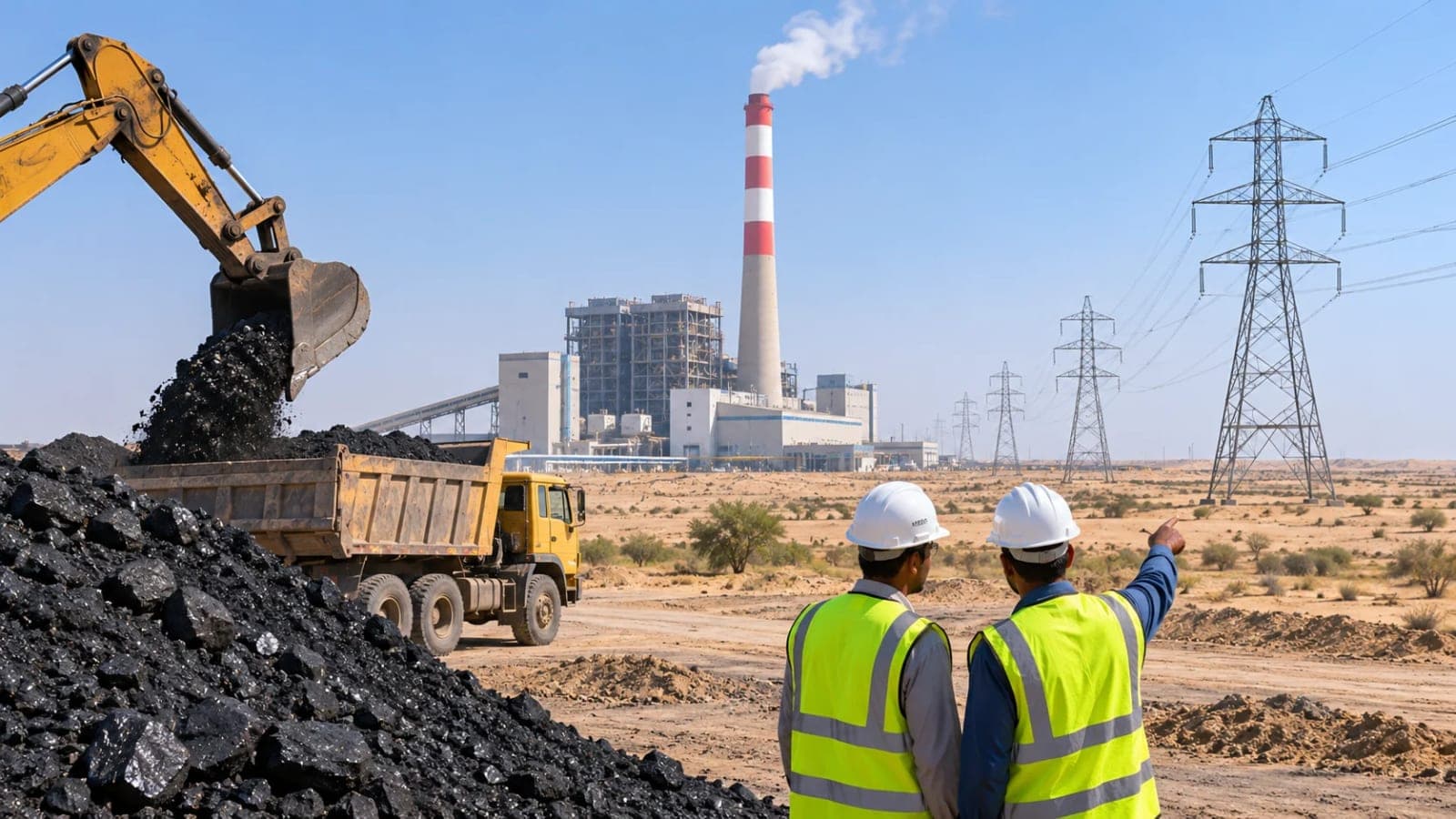
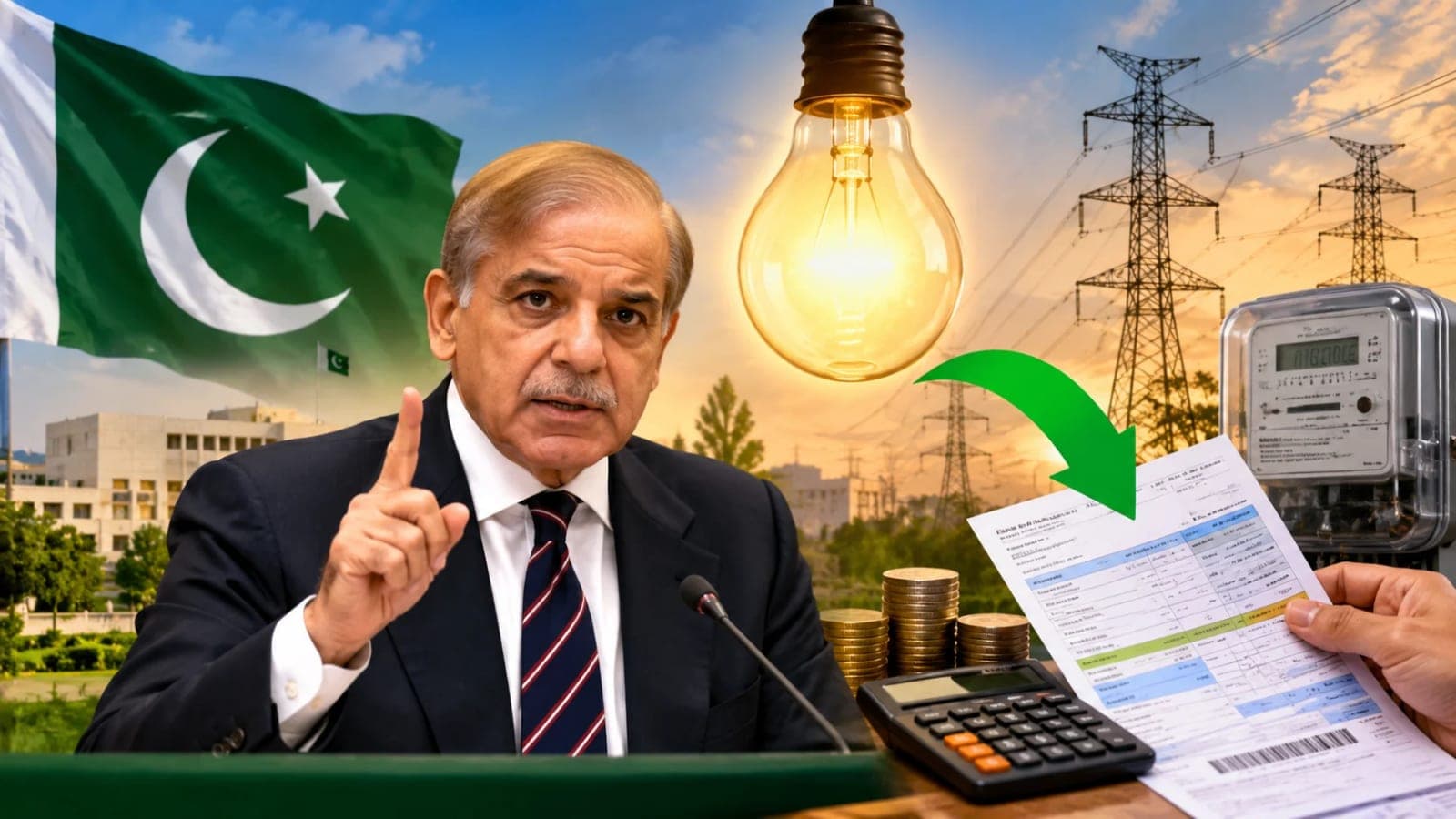
Thar coal electrification has formally begun, with the government starting work to move mining in Blocks I and II of the Thar coalfield from diesel generators to the national grid. The shift will save Pakistan around $25 million to $30 million in foreign exchange every year, according to a Power Division statement issued on Wednesday.
The contract for the work has been awarded and the contractor has mobilised at the site, the statement said. Completion has been brought forward to the first quarter of 2028, by April 2028, around eight to nine months ahead of the original end of 2028 target, so the savings will start flowing earlier.
The progress was reported at a review meeting on the electrification of Thar Block I and Block II, chaired by Federal Minister for Power Sardar Awais Ahmad Khan Leghari. Representatives of the Thar Coal and Energy Board, Sindh Engro Coal Mining Company, Sino Sindh Resources Limited, the Power Division and Hyderabad Electric Supply Company attended the meeting. Under the direction of Prime Minister Shehbaz Sharif, the Power Division has moved from planning to execution on the project.
What Thar coal electrification will change
The project will connect mining operations in both blocks to the national grid through 132kV transmission infrastructure from the Islamkot Grid Station, supplying around 60 megawatts of electricity to the mining sites. At present the mines run on diesel generators, and the switch to grid power cuts the cost of power for mining from around 33 cents per kilowatt-hour to 13 cents, a reduction of more than 60 percent.
Mining in Thar currently burns between 200,000 and 250,000 litres of diesel a day, including about 35,000 litres a day for dewatering alone. The ministry projects daily diesel savings of around Rs25 million once the mines are on the grid. The cost of coal production, and with it the coal tariff, is expected to fall by about $0.70 a tonne, which will lower the overall power purchase basket cost.
Why the shift matters for electricity prices
Thar coal electrification was agreed earlier this year, when the management of both blocks decided to shift from diesel to grid power with an investment of about Rs5.3 billion in grid stations and transmission lines. What changed on Wednesday is that the work has formally started, with the contractor on site and the completion date pulled forward to April 2028. Thar coal is a key component of the China-Pakistan Economic Corridor and central to Pakistan's energy security, and cheaper coal feeds directly into cheaper electricity.
Cleaner mining and electric trucks
Carbon emissions from the mining sites are expected to fall by about 80,000 tonnes a year once diesel generators are replaced by grid electricity, and diesel-powered mining vehicles will progressively be converted to electric systems. The managing director of the Thar Coal and Energy Board told the meeting that both blocks are pursuing electric vehicle deployment, with Block I planning to induct about 40 electric trucks by the end of this year and Block II aiming to start electric vehicle deployment in 2028, alongside grid connectivity.
Frequently asked questions
What is Thar coal electrification? Thar coal electrification is the project to connect coal mining in Thar Blocks I and II to the national electricity grid, replacing the diesel generators that currently power the mines. The connection runs through 132kV transmission lines from the Islamkot Grid Station and will supply about 60 megawatts to the sites.
How much money will Thar coal electrification save? The Power Division says the shift will save Pakistan around $25 million to $30 million in foreign exchange every year, with daily diesel savings of about Rs25 million. Power for mining will cost 13 cents per unit instead of 33 cents.
When will Thar coal electrification be completed? Completion has been brought forward to the first quarter of 2028, by April 2028. That is about eight to nine months earlier than the original target of the end of 2028.
How will Thar coal electrification affect electricity prices? The cost of coal production is expected to fall by about $0.70 a tonne, which will bring down the coal tariff and lower the overall power purchase basket cost. Cheaper coal from Thar feeds into cheaper electricity generation.
What is the environmental benefit? Carbon emissions are expected to fall by about 80,000 tonnes a year, and mining vehicles will gradually switch from diesel to electric. Block I plans to bring in about 40 electric trucks by the end of 2026.
Who is carrying out the project? The Power Division is leading the work, with the Thar Coal and Energy Board, Sindh Engro Coal Mining Company, Sino Sindh Resources Limited and Hyderabad Electric Supply Company involved. The contract has been awarded and the contractor has mobilised at the site.
What happens next for business
We will keep this page updated as the story develops rather than publishing a near-duplicate at a new address. Follow Business for related coverage.
Get the Verified Brief
One email each morning with the stories we checked overnight.
Spotted an error? Read our corrections policy and tell the newsroom.