
Death Certificate in Pakistan: Fee, Documents and NADRA Process
A death certificate in Pakistan is issued by your Union Council and recorded with NADRA. This guide covers the fee, documents and steps for families.

By Suleman Mirza · Reporter
Published · Updated · 6 min read
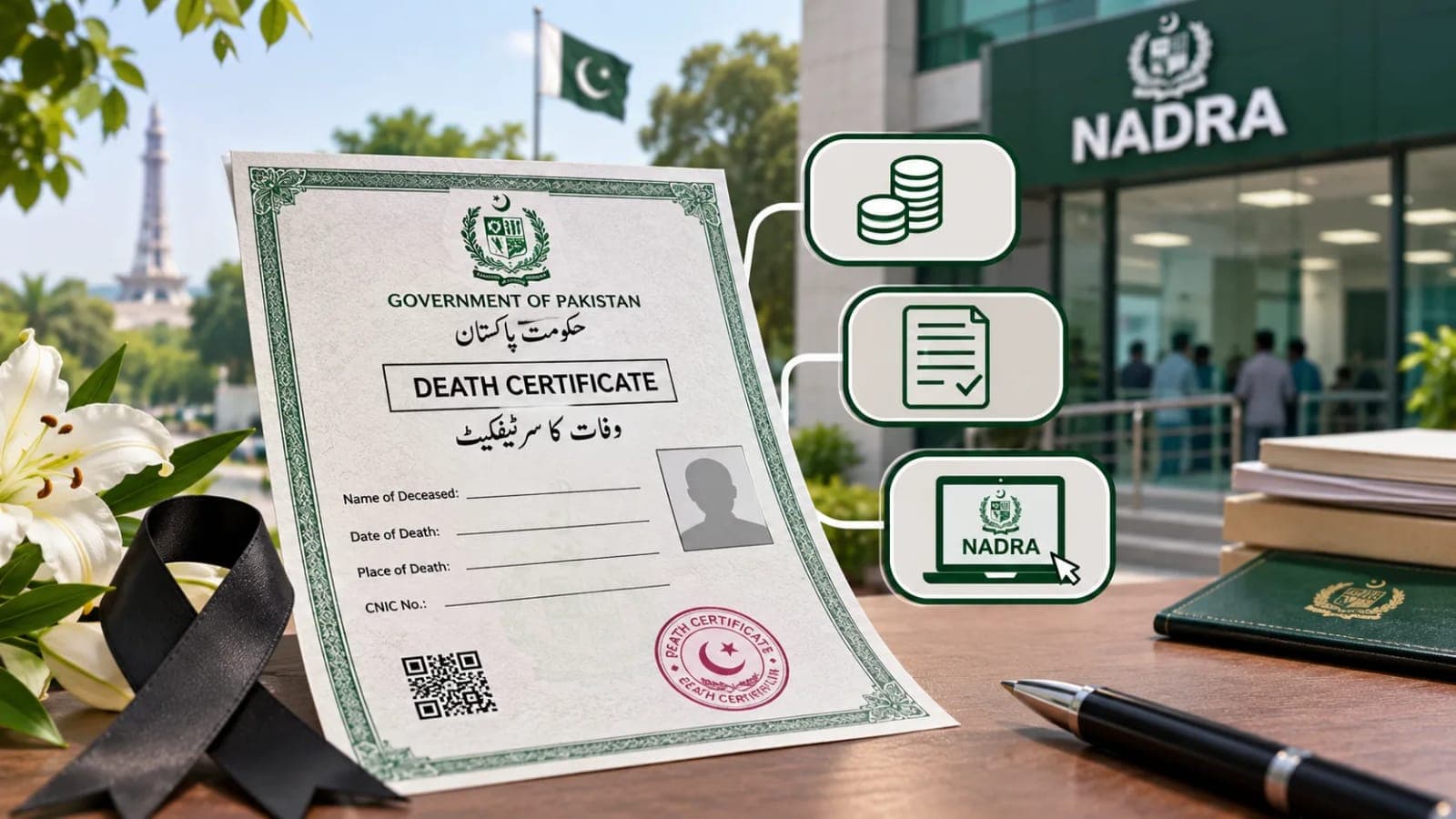
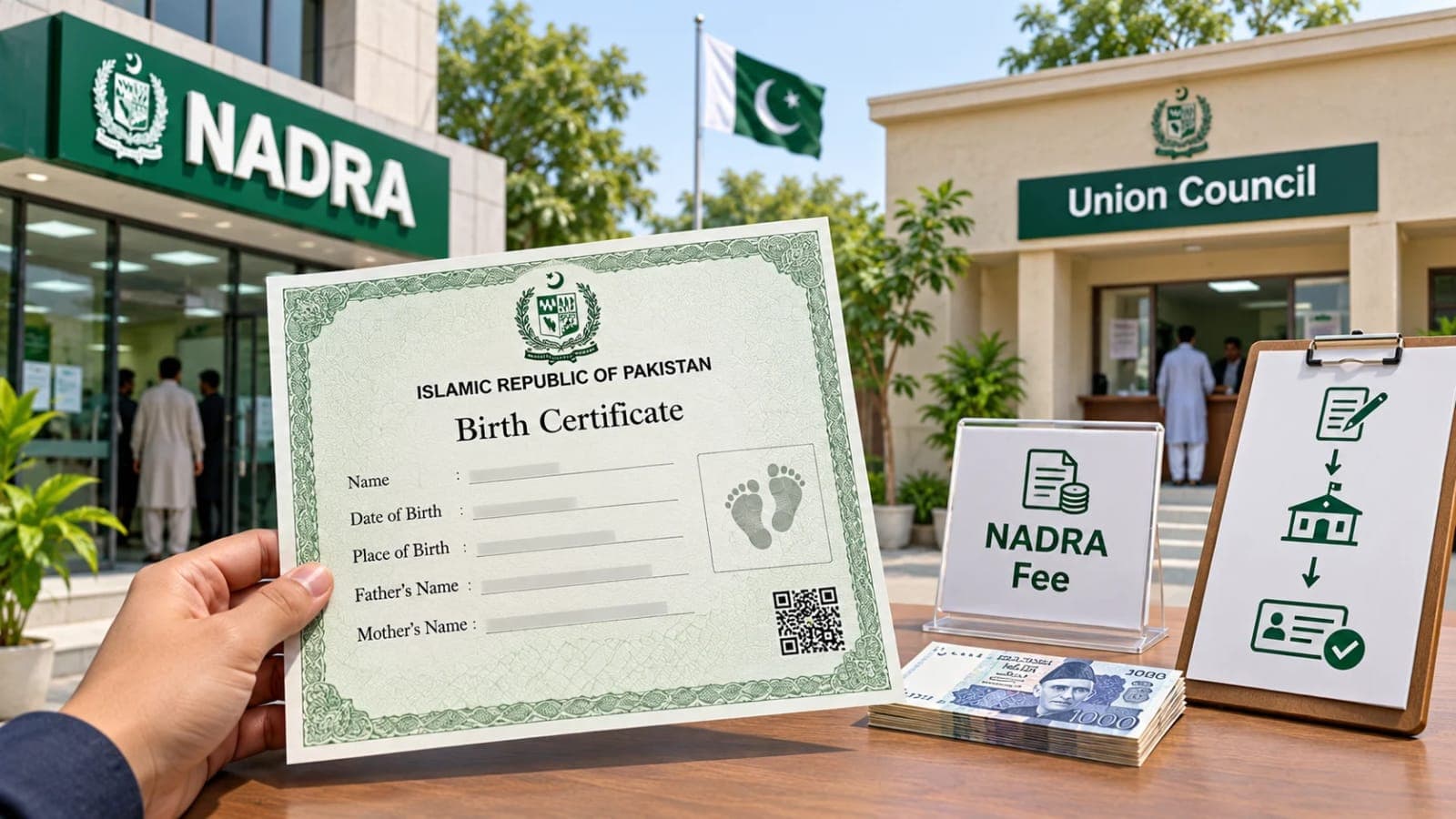
A death certificate is the official record that a person has died, and in Pakistan it is issued by the Union Council of the area where the death happened.
Families need it for almost everything that follows a death.
Banks ask for it before closing an account, the pension office asks for it before paying a family pension, and the courts ask for it before a succession certificate can be issued.
It is a painful piece of paperwork, but it protects the family from fraud and from long delays later.
Quick Facts
Issued by: Union Council, Tehsil Municipal Administration, Cantonment Board or CDA
NADRA role: NADRA records the death in its system, it does not issue the certificate
Fee in Punjab: Free within the first year of the death
Fee in Sindh: Free, the provincial government pays the NADRA charge
Processing time: Usually 3 to 7 working days
Documents: Hospital death certificate or burial slip, deceased's CNIC, applicant's CNIC
It is issued by your local civil registration authority, not by NADRA directly.
The Union Council, the Tehsil Municipal Administration, the Cantonment Board or the CDA in Islamabad handles it, depending on where the death occurred.
Once the Union Council issues the certificate, it transmits the record to NADRA's Civil Registration Management System, known as CRMS.
NADRA then holds the death in its national database, which is how banks and government offices can check it later.
The first hours after a death are about the funeral, not the paperwork.
Keep two pieces of paper safe in those hours: the death report from the hospital or doctor, and the burial slip the graveyard gives you.
The formal steps come in the days afterwards, and they start with those two papers.
Go to the Union Council for the area where the person died.
If the death happened in a hospital, that is the council covering the hospital, not the family's home address.
Death Certificate Fee in 2026
The fee depends on your province, and in much of Pakistan it is now free.
In Punjab, death registration completed within the first year is free of charge under the local government rules updated in 2026.
Late registration after one year costs extra and needs more verification.
In Sindh it is free.
The Sindh cabinet waived the fee in October 2025, and the provincial government pays NADRA's service charge directly, so the family does not.
In other areas the official registration fee is around Rs 200, though the total out-of-pocket cost can run to Rs 500 to Rs 1,000 with urgent processing and photocopies.
Ask for an official receipt whenever you pay.
Death Certificate Documents You Need
Take these documents with you when you apply.
You need the hospital death certificate, or the burial certificate or graveyard slip for a death at home.
You need the original CNIC of the deceased person.
You need the CNIC of the family member who is applying.
The council gives you its death registration form at the counter.
Fill in the name of the deceased, the father's name, the date of death and the place of death, and check every spelling before you submit it.
The process has five simple steps.
Collect the hospital death certificate, or the graveyard slip for a death at home.
Find the Union Council for the place of death.
Fill in the death registration form at the counter.
Attach the CNIC copies and the hospital or graveyard paper, and pay the fee if one applies.
Collect the computerized certificate, usually in 3 to 7 working days, and check the name, father's name and date of death on it.
In Islamabad you can also register a death online through the Pak ID app.
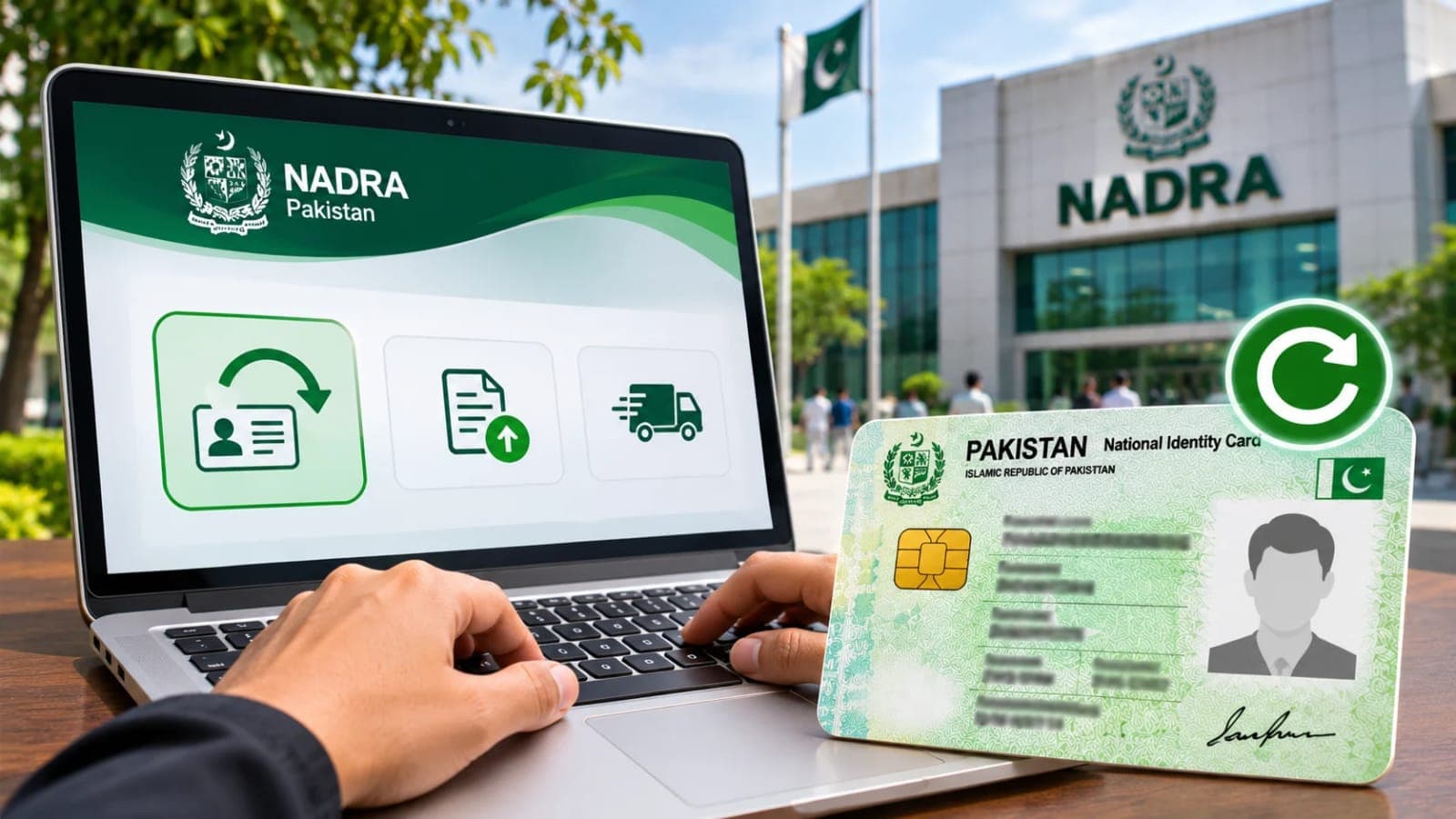
Once you have it, ask NADRA to cancel the deceased person's CNIC.
NADRA cancels a deceased person's CNIC free of charge.
Take the certificate and the original CNIC to a NADRA centre, or start the request on the Pak ID app where the service is live.
Cancelling the card stops anyone from misusing the identity, and it is a separate step from the certificate itself.
It is the key paper for the family's legal work after a death.
Banks close accounts against it, insurance companies settle claims against it, and the pension office starts a family pension on the strength of it.
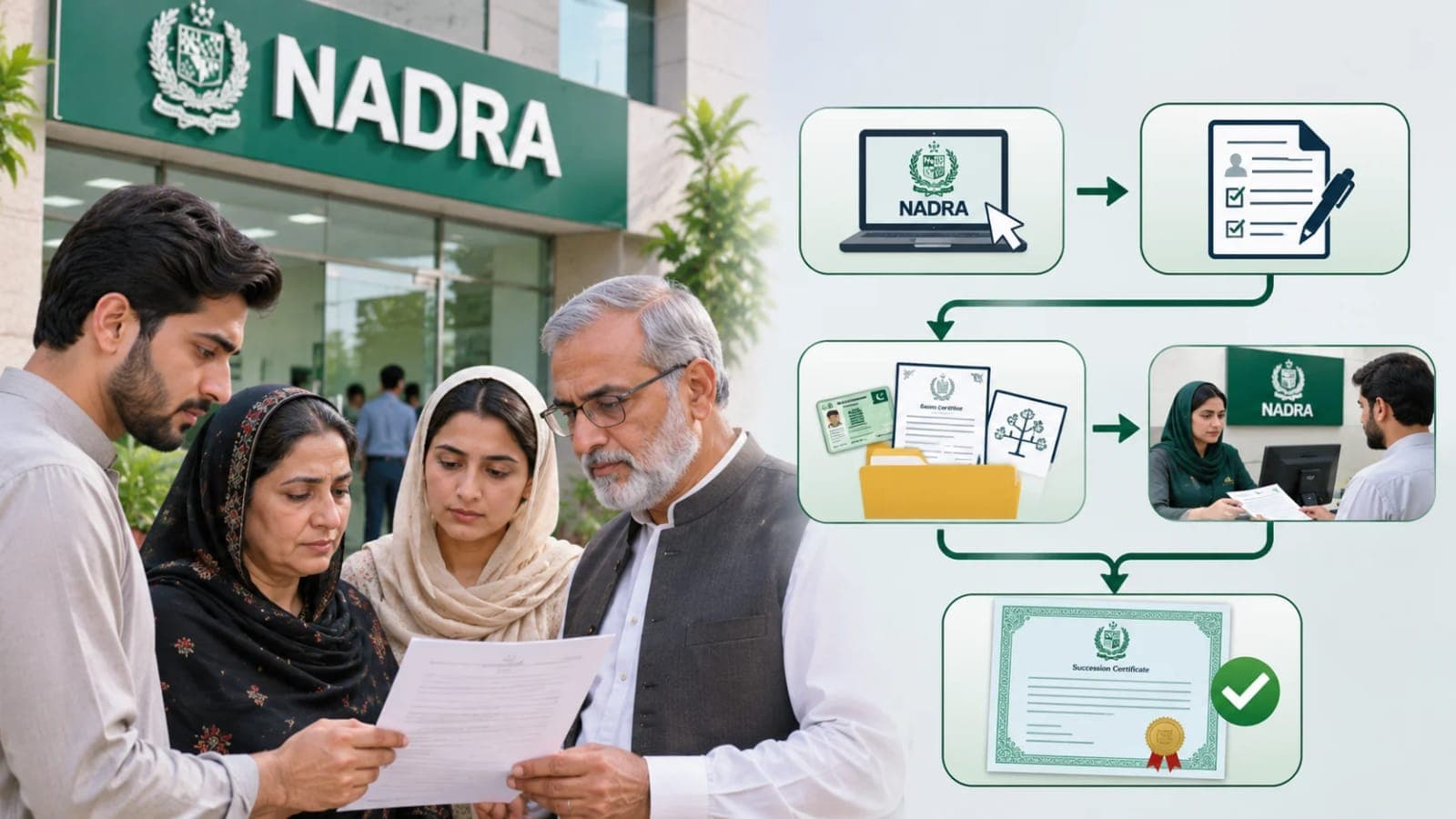
The succession certificate, which divides the deceased's property and bank balances among the legal heirs, also starts from it.
Our succession certificate guide explains how legal heirs apply through NADRA, what it costs and how long it takes.
It is also needed when a family member applies for a Family Registration Certificate, because NADRA's family record must match the death.
Our FRC guide explains the three categories and the online application in full.
Keep the original safe, and keep several attested copies at home.
Death Certificate Questions Answered
Who issues a death certificate in Pakistan?
Your Union Council, Tehsil Municipal Administration, Cantonment Board or CDA issues it.
NADRA does not issue the certificate directly.
NADRA records the death in NADRA's Civil Registration Management System after the council issues it.
What is the fee for a death certificate?
In Punjab it is free if you register within the first year of the death.
In Sindh it is free at the Union Council, town committee and municipal office.
Elsewhere the official fee is around Rs 200, with urgent processing costing more.
What documents are needed for a death certificate?
You need the hospital death certificate or the graveyard slip, the deceased person's CNIC and the applicant's CNIC.
For a death at home, bring the graveyard slip or a doctor's note instead of the hospital paper.
How long does a death certificate take?
It usually takes 3 to 7 working days when your papers are complete.
Late registration after a year takes longer, because the council checks the record more carefully.
Do I need a death certificate for a bank account?
Yes.
Banks close a deceased person's account only against a death certificate and a succession certificate.
The bank also needs the CNICs of the legal heirs.
Can I apply for a death certificate online?
In Islamabad you can apply through NADRA's Pak ID app, where the service is live.
In other provinces the Union Council counter is still the main route, with online registration joining in phases.
What happens next for national
We will keep this page updated as the story develops rather than publishing a near-duplicate at a new address. Follow National for related coverage.
Get the Verified Brief
One email each morning with the stories we checked overnight.
Spotted an error? Read our corrections policy and tell the newsroom.