Pakistan Army Test-Fires Extended-Range Fatah-2 Hypersonic Ballistic Missile
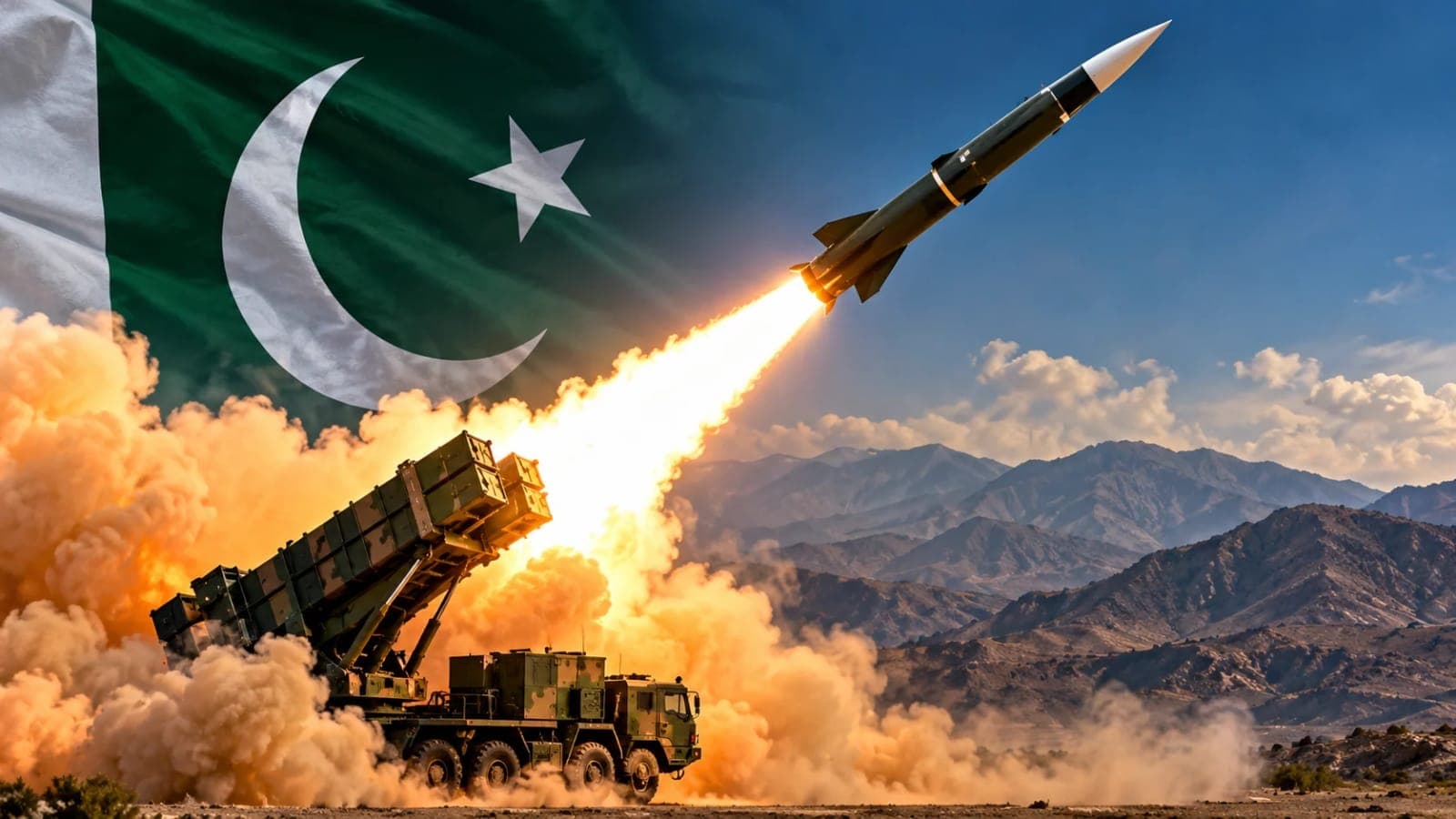
The Pakistan Army has successfully test-fired the Fatah-2 ER missile, an extended-range hypersonic ballistic system that the ISPR says can beat enemy missile defences and strike targets deep inside hostile territory.

By News Desk · Verified Pakistan News Desk
Published · Updated · 7 min read
What happened in the Fatah-2 ER missile test
The Pakistan Army successfully test-fired the Fatah-2 ER missile on Tuesday, 13 October 2026. The launch was announced the same day in an official statement by the Inter-Services Public Relations (ISPR), the military's media wing.
Dawn carried the story in its 14 October edition, quoting the ISPR statement in full. According to the statement, the weapon system is equipped with advanced navigation and state-of-the-art avionics.
"It is capable of engaging targets with high precision and defeating the enemy's missile defence systems due to its unique trajectory and manoeuvrability features," the ISPR said.
The military added that Fatah-2 ER, with its extended range, will further enhance the army's reach and capability of engaging deep targets. That single line captured the whole purpose of the test.
The launch was witnessed by the commander of the Army Rocket Force Command (ARFC), Lt Gen Nauman Zakaria. Senior Pakistan Army officers were also present, along with the scientists and engineers involved in developing the weapon system.
The ARFC commander appreciated the dedication and technical prowess of the scientists and engineers behind the system. The praise came right after the successful flight, in a brief ceremony at the launch site.
The ISPR statement also noted that the president, the prime minister, and the chief of defence forces congratulated the scientists and engineers. It was a rare moment where the civilian and military leadership spoke with one voice about the extended-range version of the Fatah-2 weapon system.
For the Pakistan Army, the test was the latest milestone in a long-running programme. The Fatah series has grown steadily over the years, and the ER variant marks its most capable version yet.
Inside the weapon: how Fatah-2 ER is built to beat defences
The Fatah-2 ER missile is a hypersonic ballistic missile. That classification matters, because hypersonic weapons travel at speeds that compress the reaction time of any defending force.
At the heart of the system is an advanced navigation suite. The ISPR says it works together with state-of-the-art avionics to guide the missile to its target with high precision.
Precision is the first half of the story. The second half is survivability. The missile's unique trajectory and in-flight manoeuvrability are designed to defeat enemy missile defence systems.
In plain terms, the weapon can alter its course during flight. That makes its path harder to predict and much harder to intercept.
Reports describing the system note that it can change direction mid-flight. This is the feature that sets modern hypersonic designs apart from older ballistic missiles, which follow a fixed arc.
The extended range is the other key upgrade. The military did not disclose the missile's maximum range or top speed in its announcement.
What the ISPR did say is that the extended range will increase the army's operational reach. The system is meant to engage targets deep inside enemy territory.
The combination of range, speed, and manoeuvrability is what makes the weapon a deep-strike asset. It gives the army a conventional option against distant, high-value targets.
No test footage details or telemetry data were released. The military kept the technical briefing short and focused on the strategic message.
Who watched the launch and who congratulated the team
The test was a high-profile event. The commander of the Army Rocket Force Command, Lt Gen Nauman Zakaria, personally witnessed the launch.
Senior Pakistan Army officers stood alongside him. They were joined by the scientists and engineers who designed and built the weapon system.
After the launch, the ARFC commander praised the technical expertise and dedication of the development team. The ISPR quoted him as appreciating their hard work and engineering skill.
President Asif Ali Zardari was among the first to congratulate the team. Prime Minister Shehbaz Sharif also extended his congratulations on the successful test.
The Chief of Army Staff and Chief of Defence Forces, Field Marshal Syed Asim Munir, joined in the praise. The services chiefs added their congratulations as well.
Interior Minister Mohsin Naqvi congratulated the nation on the achievement. In a statement on X, he said the scientists and engineers of the Pakistan Army had accomplished a matter of pride.
He described the test as a significant development in the defence sector. His message was shared widely on social media within hours of the announcement.
The tone of the official reactions was confident but measured. Nobody mentioned any specific adversary, and the ISPR statement stayed strictly on the technical achievement.
Why the test matters: deep strike reach and back-to-back launches
The timing of the test is hard to ignore. Just last week, Pakistan successfully tested the extended version of the indigenously developed Fatah-IV ground-launched cruise missile.
That makes the Fatah-2 ER launch the second major missile test in a matter of days. Two successful launches, two different classes of weapon, one clear message.
The Fatah-IV test validated advanced avionics and navigation aids for long-range precision strikes. The ISPR said that test also confirmed improved accuracy and enhanced survivability of its sub-systems.
The Fatah-2 ER takes the story in a different direction. It is a hypersonic ballistic missile, built for speed and for defeating missile defences.
Together, the two systems widen the army's conventional strike options. One flies low and far, the other flies fast and unpredictable.
The official emphasis on "deep targets" is also significant. It signals that Pakistan is investing in the ability to reach targets far beyond the front lines.
Defence analysts will be watching for what comes next. The ISPR has released no official range figures, so the true reach of the ER variant remains unconfirmed.
For now, the message is simple. The army's rocket force is growing, its weapons are getting smarter, and the country's strike options are getting deeper.
The Army Rocket Force Command has become the focal point of this build-up. It oversees the army's missile inventory and now has two successful tests in under a fortnight. That pace suggests the programme is moving from trials toward operational readiness.
Frequently asked questions
When did Pakistan test the Fatah-2 ER missile?
The Pakistan Army test-fired the Fatah-2 ER missile on Tuesday, 13 October 2026. The ISPR announced the successful launch the same day. Dawn reported the story in its 14 October edition.
What makes the Fatah-2 ER missile special?
It is a hypersonic ballistic missile with advanced navigation and state-of-the-art avionics. Its unique trajectory and in-flight manoeuvrability are designed to defeat enemy missile defence systems. The extended range lets the army strike deep targets with high precision.
Who witnessed the Fatah-2 ER missile test?
The launch was witnessed by Lt Gen Nauman Zakaria, the commander of the Army Rocket Force Command. Senior Pakistan Army officers and the scientists and engineers behind the weapon system were also present at the site.
Who congratulated the team on the successful test?
President Asif Ali Zardari, Prime Minister Shehbaz Sharif, and Field Marshal Syed Asim Munir, the Chief of Army Staff and Chief of Defence Forces, congratulated the scientists and engineers. The services chiefs and Interior Minister Mohsin Naqvi also praised the achievement.
What was the Fatah-IV test that happened before it?
Last week, Pakistan tested the extended version of the indigenously developed Fatah-IV ground-launched cruise missile. The ISPR said that test validated advanced avionics, navigation aids, and improved accuracy. The Fatah-2 ER launch followed it within days.
What happens next for national
We will keep this page updated as the story develops rather than publishing a near-duplicate at a new address. Follow National for related coverage.
Get the Verified Brief
One email each morning with the stories we checked overnight.
Spotted an error? Read our corrections policy and tell the newsroom.