Petrol Cut by Rs2.71 to Rs392.66: Second Daily Price Drop in Two Days
The petrol price in Pakistan dropped to Rs392.66 per litre for October 14 after a Rs2.71 cut, with diesel slipping to Rs396.82. It is the second daily revision in a row under OGRA's new pricing mechanism.

By News Desk · Verified Pakistan News Desk
Published · Updated · 7 min read
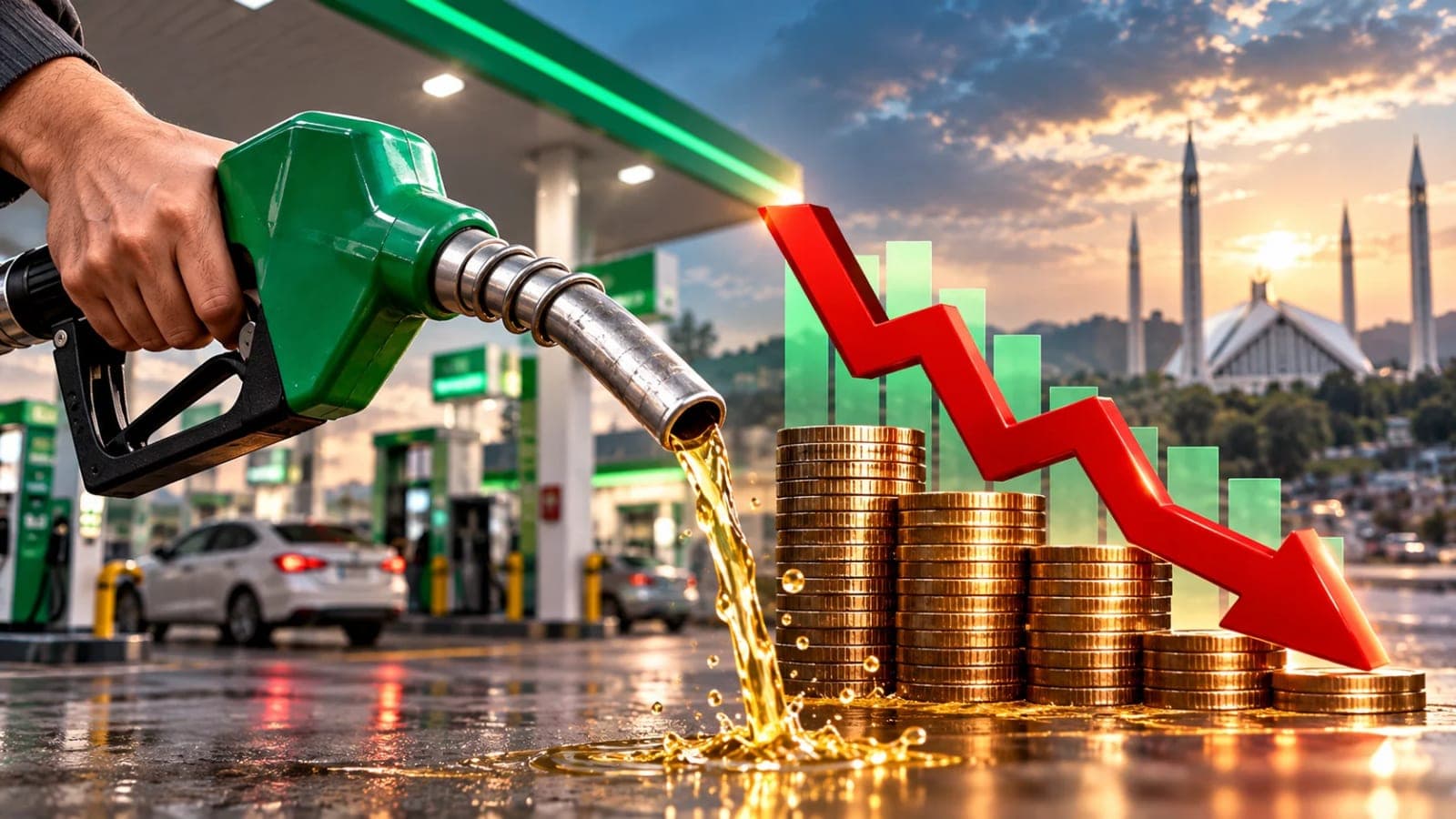
Petrol cut by Rs2.71: the new rates for October 14
The petrol price in Pakistan fell to Rs392.66 per litre for October 14 after a Rs2.71 cut, while diesel edged down to Rs396.82.
The federal government announced the fresh reduction on Tuesday, October 13. Petrol became cheaper by Rs2.71 per litre. High-speed diesel (HSD) was cut by a tiny Re0.03 per litre. The revised rates take effect on Wednesday, October 14.
The Oil and Gas Regulatory Authority (OGRA) revised the ex-depot prices of petroleum products under the government's pricing mechanism. The Petroleum Division issued the official notification on Tuesday evening.
Petrol: old price Rs395.37 per litre, change Rs2.71 cheaper, new price Rs392.66 per litre.
High-speed diesel: old price Rs396.85 per litre, change Re0.03 cheaper, new price Rs396.82 per litre.
This is the second cut in as many days. On Monday, the government had reduced petrol by Rs2.93 per litre to Rs395.37 for October 13. In that same notification, diesel was made costlier by Re0.61 per litre to Rs396.85.
Taken together, petrol has fallen by Rs5.64 per litre in just two days. Diesel, by contrast, has barely moved. It went up on Monday and almost the whole increase was not reversed on Tuesday.
The speed of these revisions is new for Pakistani consumers. Prices that once stayed fixed for two weeks now change every working day.
How the daily fuel price mechanism works
Pakistan switched to a daily fuel price review system on July 17. Under this mechanism, OGRA revises petroleum product prices every 24 hours and notifies the new rates for the next day.
The daily price is built on a seven-day average of international market rates. The formula also includes Platts benchmark rates, import premiums and other related costs. Petroleum Minister Ali Pervaiz Malik has said the method follows international practice.
OGRA has now started publishing the daily petroleum prices on its own website as well. The step is meant to improve transparency. It also lets changes in global oil prices reach consumers faster.
There is one exception to the daily rhythm. Prices stay unchanged on Saturdays, Sundays and public holidays. A rate notified on a Friday evening therefore carries through the weekend.
The Petroleum Division has said the latest adjustment reflects developments in the international market. According to OGRA, those include changes in Platts rates, premiums and incidentals.
For consumers, the practical message is simple. The pump price is no longer a number you can ignore for weeks. It can shift overnight, in either direction.
What pushed prices down this time
The numbers behind the cut tell a clear story. Business Recorder reported that the seven-day average of refined petrol in the world market eased to $130.63 per barrel, down from $132.17 a barrel on October 13.
The average for high-speed diesel stayed flat at $108.43 per barrel. That is why the diesel cut was limited to just three paisas. There was simply no room in the import cost for a bigger reduction.
The easing flowed straight into Pakistan's import bill. The Petroleum Division notification showed the import cost of petrol fell to Rs281.88 per litre, down from Rs284.59 per litre. The import cost of diesel held steady at Rs289.29 per litre.
Global crude benchmarks also softened on Tuesday. Profit reported that Brent crude futures fell nearly 2 percent to $104.63 per barrel. US West Texas Intermediate dropped about 2 percent to $91.85 per barrel.
Traders were weighing a mix of signals. These included developments around Saudi Arabia and the prospect of additional Russian diesel supplies reaching the market.
One thing is worth noting. The government did not cut any tax or margin to deliver this relief. Both fuels still carry a petroleum levy of Rs80 per litre and a climate support levy of Rs5 per litre. Dealers earn Rs9.98 per litre and oil marketing companies Rs7.87 per litre, both unchanged.
So the entire Rs2.71 cut on petrol came from cheaper imports. The levies and margins stayed exactly where they were.
The switch to daily pricing itself was driven by months of turbulence in global oil markets. Renewed tensions in the Middle East kept crude prices swinging sharply through the summer. The government first shortened the review cycle and then moved to daily notifications on July 17, so that world market swings reach Pakistani pumps faster.
What the cut means for motorists and businesses
For motorists, the cut brings modest relief. Filling a 40-litre car tank will now cost roughly Rs108 less than it did on Monday. But petrol is still hovering close to Rs400 a litre, so the pain at the pump is far from over.
The diesel cut of three paisas will make no practical difference. Diesel powers trucks, buses, tractors and tube wells. Its price feeds directly into freight charges and food prices. A Re0.03 change is symbolic at best.
Transporters and farmers are unlikely to feel this revision at all. For them, what matters is the direction of the next few daily notifications, not a three-paisa move.
The bigger story is the daily mechanism itself. Under the old fortnightly system, businesses could plan fuel costs for weeks. Now the price can move every working day, which makes budgeting harder for transporters and logistics firms.
Some relief is already lined up for small vehicle owners. In September, Prime Minister Shehbaz Sharif announced a scheme offering Rs100 per litre off petrol for motorcycles, three-wheeler rickshaws and cars with engines up to 800cc. The scheme targets around 11.8 million lower-income consumers.
For everyday consumers, the practical habit now is to check the notified rate each evening. A fill-up on Tuesday night costs a different amount than the same fill-up on Wednesday morning. Since prices freeze over weekends and public holidays, the Friday evening notification sets the rate for three days at a stretch.
Whether the downward trend continues is an open question. It will depend on international oil prices, the rupee's exchange rate and global supply disruptions. Under daily pricing, tomorrow's notification could just as easily reverse today's relief.
Frequently asked questions
What is the new petrol price in Pakistan from October 14, 2026?
Petrol will cost Rs392.66 per litre on October 14, 2026. That is Rs2.71 less than the Rs395.37 rate notified for October 13. The federal government announced the cut through a Petroleum Division notification issued on October 13.
Why was the diesel price cut so small?
High-speed diesel was reduced by only Re0.03 per litre, taking it to Rs396.82. The reason is that the seven-day average of refined diesel in the world market stayed unchanged at $108.43 per barrel. With the import cost steady at Rs289.29 per litre, there was almost nothing to pass on to consumers.
How are daily fuel prices in Pakistan calculated now?
OGRA uses a seven-day average of international market prices, along with Platts benchmark rates, import premiums and related costs. Fixed levies and dealer margins are added on top of that. Petroleum Minister Ali Pervaiz Malik has said this daily method follows international practice.
What taxes and margins are included in the current petrol price?
The current petrol price carries a petroleum levy of Rs80 per litre and a climate support levy of Rs5 per litre. Dealers earn a margin of Rs9.98 per litre, while oil marketing companies receive Rs7.87 per litre. None of these figures changed in the October 14 revision.
Will petrol become cheaper again tomorrow?
That will depend on international oil prices and the rupee's exchange rate. Under the daily mechanism, OGRA can revise prices every working day. If global rates keep easing, further cuts are possible. If they rise, today's relief could be reversed just as quickly.
What happens next for business
We will keep this page updated as the story develops rather than publishing a near-duplicate at a new address. Follow Business for related coverage.
Get the Verified Brief
One email each morning with the stories we checked overnight.
Spotted an error? Read our corrections policy and tell the newsroom.