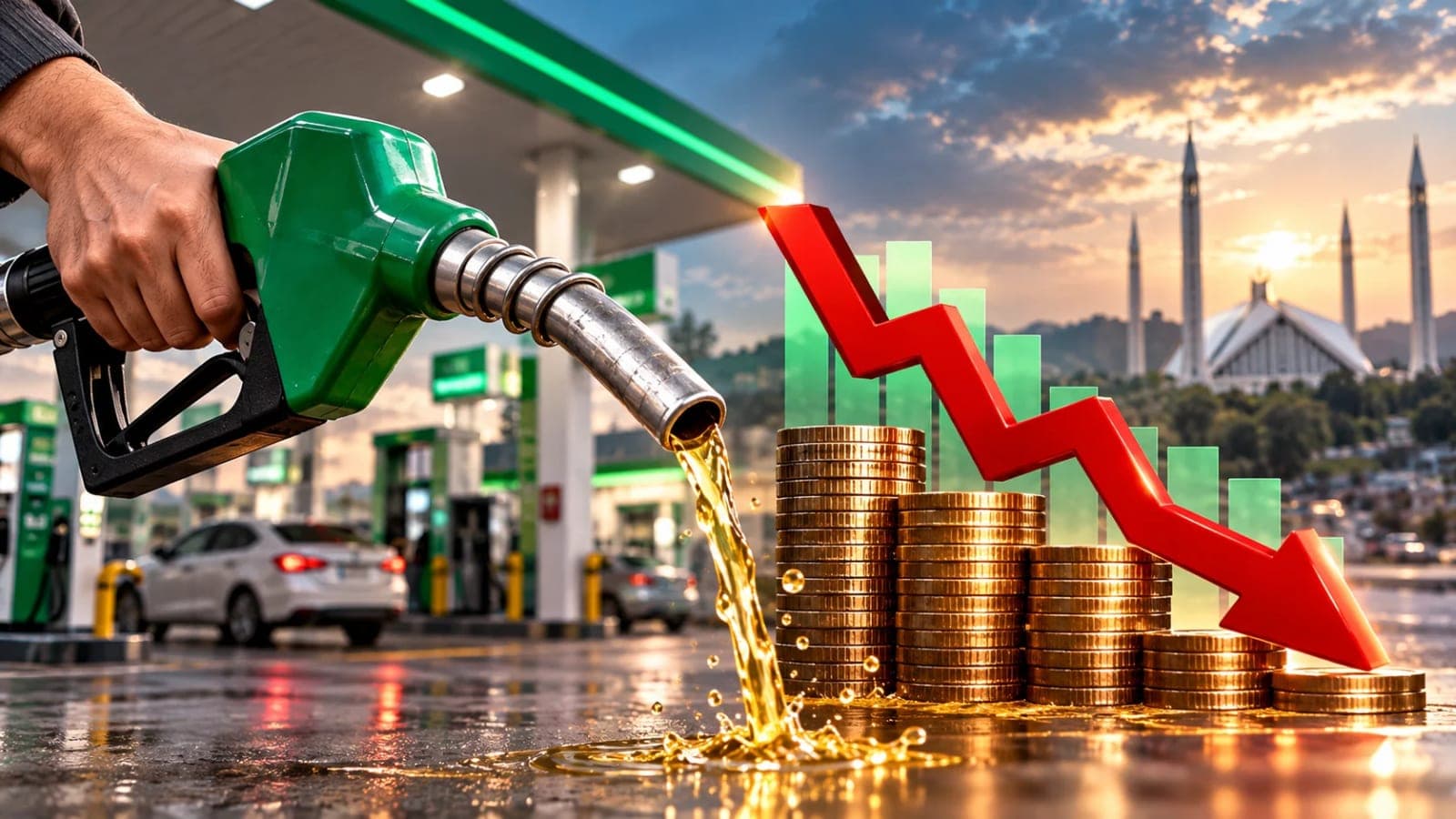

Oil Prices Crash Below $95 After Trump's Election Setback
Oil prices crashed below $95 a barrel to a two-month low after Democrats swept the US midterms, raising hopes of a negotiated end to the Iran war.

By News Desk · Verified Pakistan News Desk
Published · Updated · 5 min read
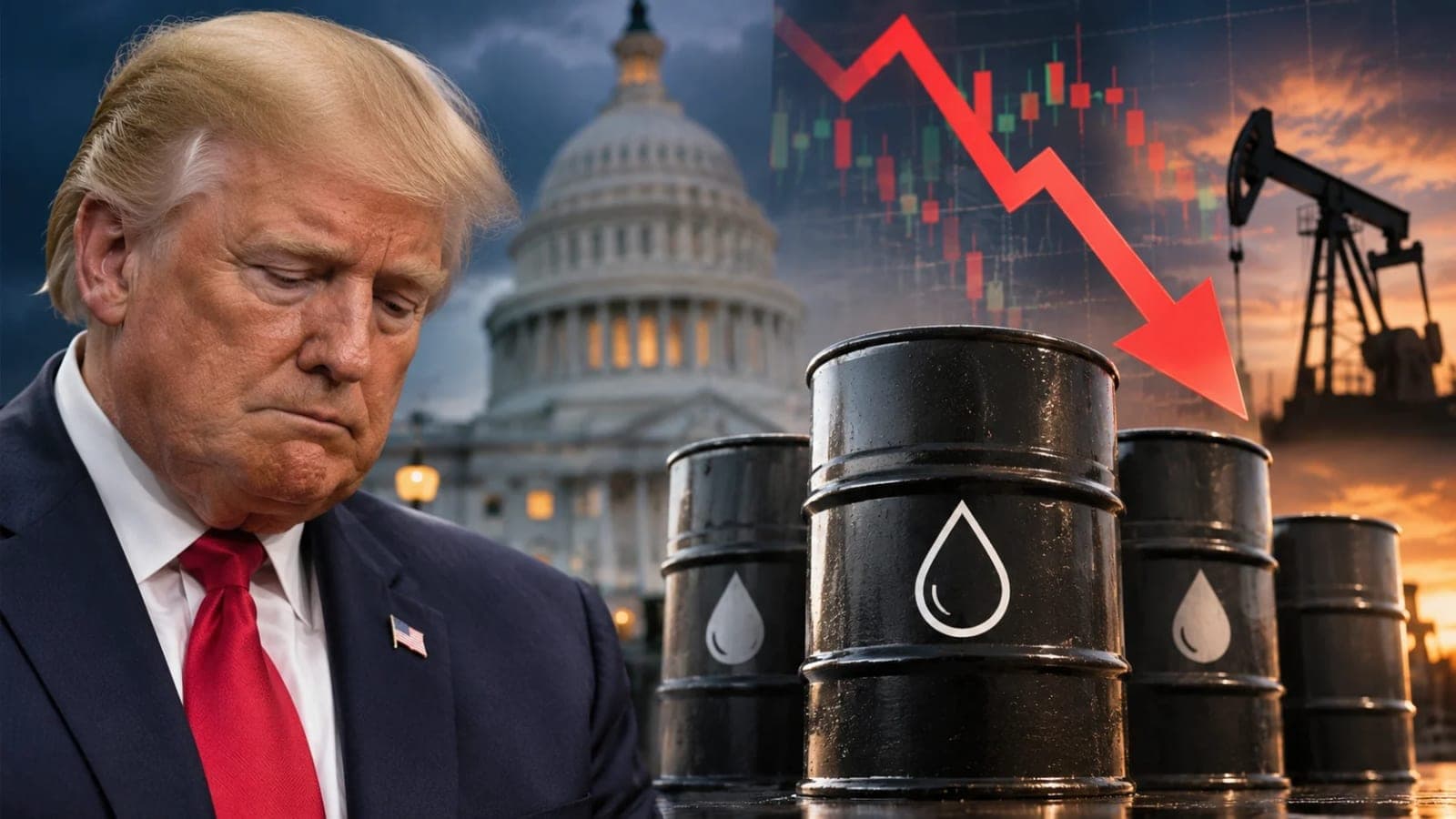
Oil prices crashed below $95 a barrel on Wednesday, falling to their lowest level in two months after Democrats swept the US midterm elections and defeated President Donald Trump's Republicans.
Brent crude, the international benchmark, settled 8.7 percent lower at $94.62 a barrel on Wednesday, shedding $8.98 in a single session. US West Texas Intermediate (WTI) crude settled 8.3 percent lower at $88.12 a barrel, down $7.97. Both benchmarks recorded their lowest closing levels since August 31, in one of the sharpest single-day falls in recent months.
Oil prices kept falling on Thursday, the fourth straight day of declines. Brent futures traded around $94.03 to $94.12 a barrel, while WTI slipped to around $87.12 to $87.51. Intraday lows during the selloff had been even lower, with Brent touching $93.22 and WTI $87.13. Brent has now retreated more than 20 percent from its late-October high near $118 a barrel.
The fall in oil prices was driven by politics, not by a sudden change in physical supply. Markets began betting that the Democratic victory in the US midterm elections could increase political pressure on President Donald Trump to pursue a negotiated settlement to the US-Iran conflict, potentially reducing the risk of further disruption to Middle Eastern oil supplies.
Oil prices: why the midterm result moved markets
The link between oil prices and the election is the war with Iran. The conflict had pushed crude sharply higher in October, as traders prepared for the possibility of further military escalation and disruption to Gulf oil exports. The Democratic sweep changed that calculation overnight.
Vice President JD Vance acknowledged in a detailed post that widespread voter discontent over the war and the resulting surge in energy costs played a major role in the Republican Party's poor performance. Trump told the Financial Times earlier in the week that the US had no immediate plans to strike Iran, and a day later he acknowledged that the conflict had contributed to his party's sweeping defeat.
The election result also weighed on energy stocks. The S and P Energy Index lost 4.77 percent as investors anticipated possible changes in US foreign and energy policies. At the same time, US stocks rallied overnight on the election outcome, with the Dow Jones Industrial Average, the S and P 500 and the Nasdaq Composite all gaining.
Market fundamentals were already pointing to softer oil prices before the election. JPMorgan estimates that the global oil market moved into a supply surplus of about 1.1 million barrels per day in September, which widened further to 1.4 million barrels per day in October. The US Energy Information Administration said crude inventories dropped by 865,000 barrels to 409.8 million barrels in the week ended October 30. Reuters reported that Gulf oil exports had recovered to about 17.1 million barrels per day in October, around three-quarters of pre-war levels.
Oil prices: what could happen next
There is an important caution behind the fall in oil prices: the decline is driven by expectations, not by a confirmed settlement. Analysts have warned that any setback in negotiations could trigger renewed volatility, and the market could reverse quickly if diplomacy stalls.
Trump's election setback could also push him in the opposite direction. Instead of diplomatic negotiations, he could move towards military escalation, which would further threaten global oil supplies and increase market uncertainty. That risk is why traders are watching every statement from Washington closely, even as prices fall.
If the decline holds, oil-importing countries, including Pakistan, could see relief on fuel import bills, since cheaper crude usually means lower costs for petrol, diesel and other fuels over time. But that relief depends on prices staying low, and on the rupee and local taxes, which also shape what consumers pay at the pump.
For now, the market's message is clear: traders believe the political landscape has shifted, and they are pricing in a greater chance of peace than they were a week ago. Whether that belief survives contact with reality will decide where oil prices go next.
Oil prices: frequently asked questions
Why did oil prices crash below $95? Oil prices fell after Democrats swept the US midterm elections, raising hopes that political pressure on President Trump could lead to a negotiated settlement of the US-Iran conflict and reduce supply disruption risks.
How much did Brent and WTI fall? Brent crude settled 8.7 percent lower at $94.62 a barrel on Wednesday, down $8.98, while WTI settled 8.3 percent lower at $88.12, down $7.97. Both hit their lowest closing levels since August 31.
Are oil prices still falling? Yes. Prices fell for a fourth straight day on Thursday, with Brent trading around $94 and WTI around $87 a barrel.
Could oil prices rise again? Yes. Analysts warn the fall is driven by expectations, not a confirmed deal. Any setback in negotiations, or military escalation instead of diplomacy, could push prices back up quickly.
What do lower oil prices mean for Pakistan? If the decline holds, oil-importing countries including Pakistan could see relief on fuel import bills, though local pump prices also depend on the rupee and taxes.
What happens next for business
We will keep this page updated as the story develops rather than publishing a near-duplicate at a new address. Follow Business for related coverage.
Get the Verified Brief
One email each morning with the stories we checked overnight.
Spotted an error? Read our corrections policy and tell the newsroom.