Pakistan Army Deployed in KP Under Article 245 After Emergency and Governor's Rule
Pakistan Army deployed in KP under Article 245 after emergency and governor's rule. Read the notification details, constitutional powers and security impact.

By News Desk · Verified Pakistan News Desk
Published · 12 min read
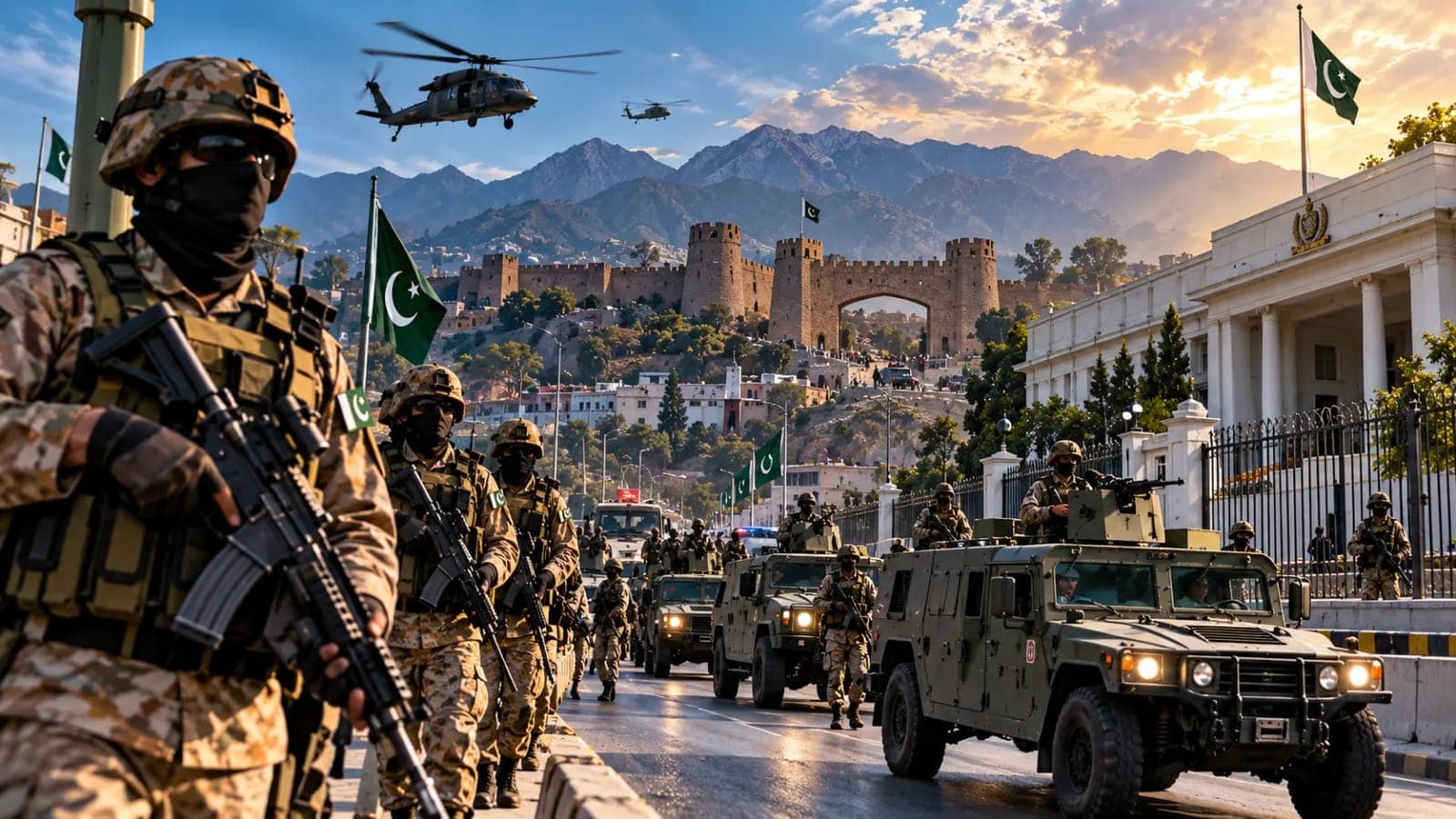
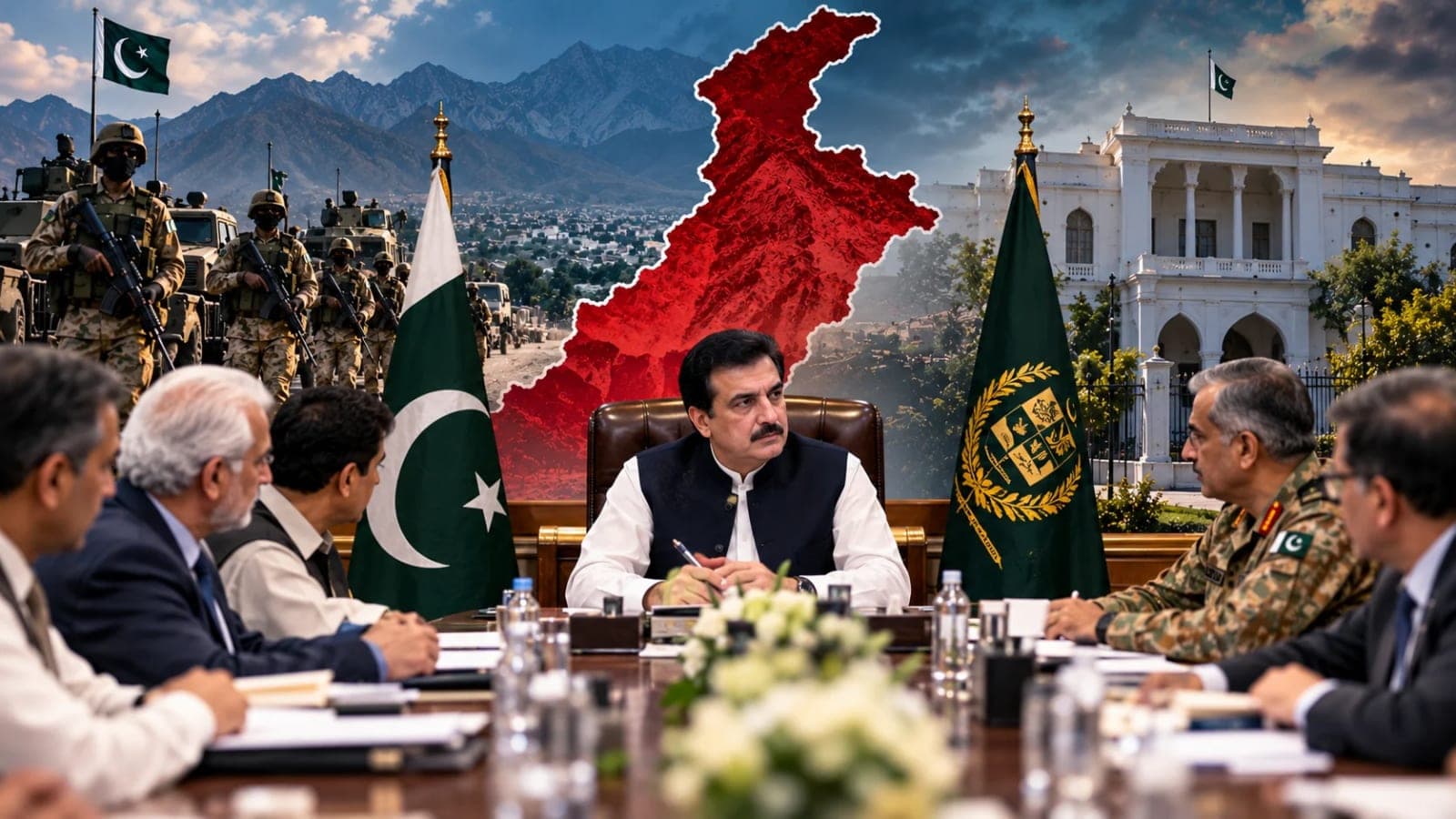
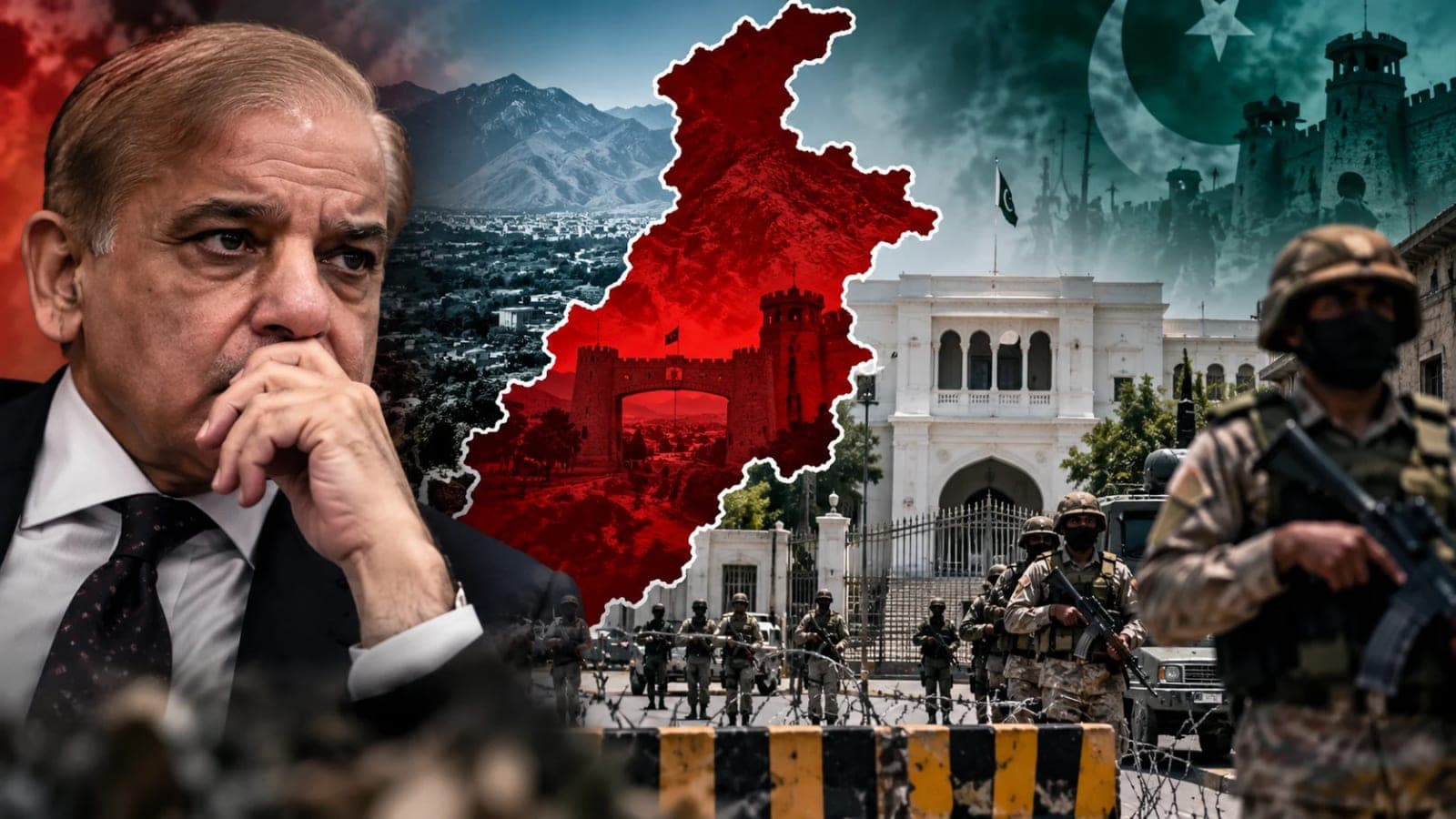
ISLAMABAD, October 12, 2026: The federal government has authorised the deployment of Pakistan Army troops and military assets in Khyber Pakhtunkhwa (KP) under Article 245 of the Constitution, following the imposition of emergency and governor's rule in the province.
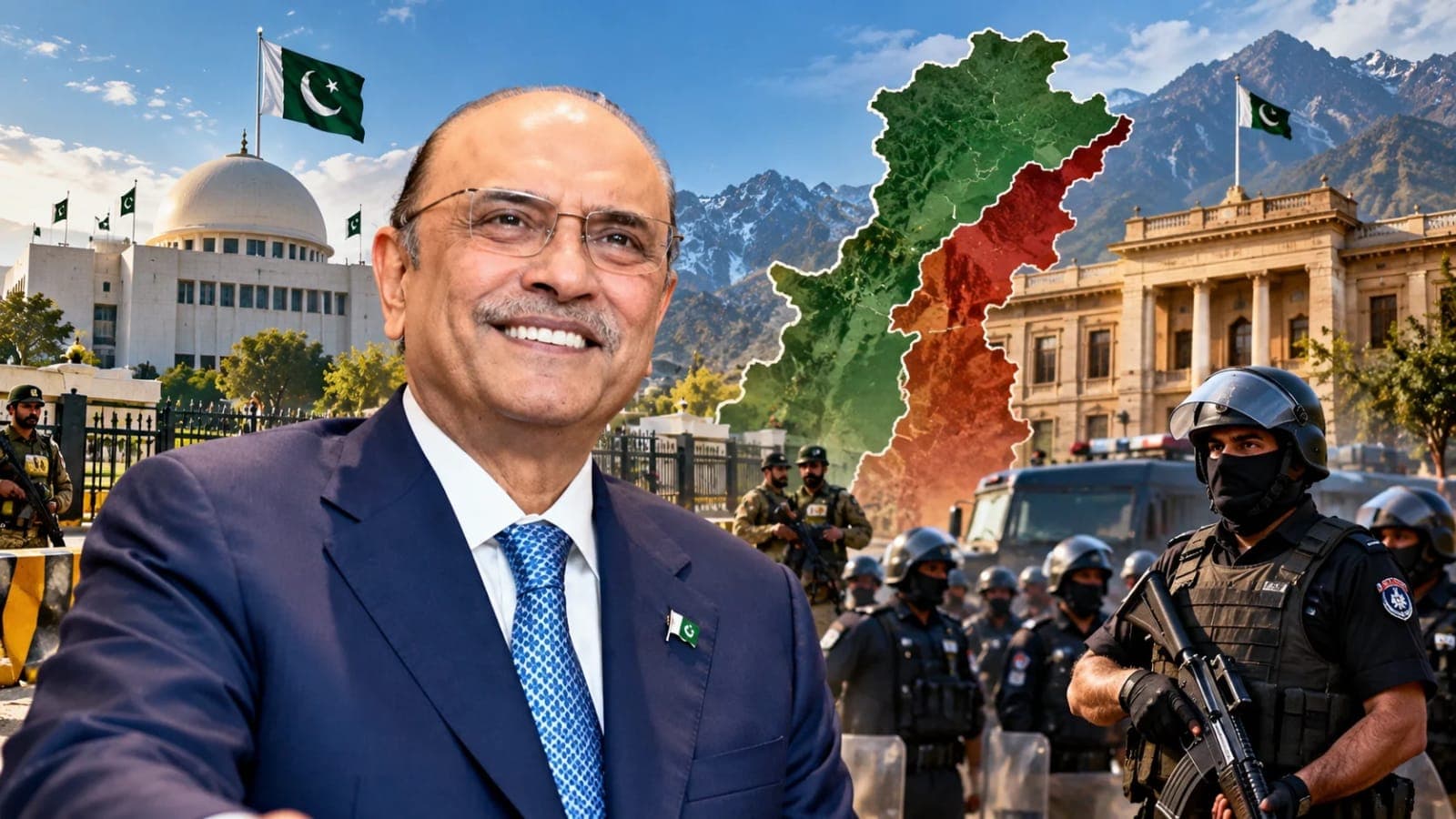
The decision was announced on Sunday, October 11, after President Asif Ali Zardari approved constitutional measures transferring provincial executive responsibilities to Governor Faisal Karim Kundi.
According to the Interior Ministry's notification, the deployment is intended to assist civil authorities in protecting citizens, maintaining security and safeguarding government installations.
The development comes amid growing political tensions, concerns over militant violence and disagreements between the federal government and the former Pakistan Tehreek-e-Insaf (PTI) provincial administration.
The decision has also brought renewed attention to Article 245, the constitutional provision governing the Armed Forces' role in assisting civilian authorities.
Pakistan Army Deployment in KP: What Happened?
The federal government issued a Statutory Regulatory Order (SRO) authorising Pakistan Army personnel and assets to operate in Khyber Pakhtunkhwa in aid of civil power.
The order followed the presidential proclamations introducing emergency and governor's rule under Articles 232 and 234.
The Interior Ministry stated that the deployment would support civil authorities in protecting people, property and important government facilities.
The notification provides a legal framework for military assistance during the emergency.
However, the authorisation itself should not be confused with confirmation that a particular number of troops has arrived in every district.
The extent and operational arrangements of the deployment will depend on decisions made by the relevant authorities.
Key Details of the Army Deployment
- The federal government authorised deployment on October 11, 2026.
- The constitutional basis is Article 245.
- The deployment is intended to assist civil authorities.
- The stated objectives include protecting citizens, property and government installations.
- Governor Faisal Karim Kundi will coordinate with General Headquarters regarding troop requirements.
- The authorisation is linked to the emergency period.
- Specific deployment numbers have not been established in the reporting reviewed.
The decision represents a significant security development at a time when the province is also undergoing an administrative transition.
Why Has the Federal Government Deployed the Army?
Federal authorities have cited security concerns and the need for stronger coordination against militant violence.
Khyber Pakhtunkhwa has experienced repeated terrorist incidents over recent years, including attacks affecting law enforcement personnel, civilians and government facilities.
Its border with Afghanistan creates additional security challenges, particularly in districts where militant groups have historically operated.
The federal government argues that existing arrangements were insufficient to address the situation effectively.
Officials have also accused the previous provincial administration of failing to cooperate adequately with national counterterrorism policies.
PTI rejects that accusation and maintains that the province has repeatedly faced terrorism while seeking better resources and coordination.
These competing positions form an important part of the political debate surrounding the deployment.
Security and Political Concerns Are Separate Issues
The existence of security threats does not automatically resolve disagreements over the most appropriate government response.
Federal authorities describe military assistance as necessary for maintaining order and protecting the public.
Opposition representatives question the wider emergency arrangement and argue that constitutional powers should not be used to undermine provincial representation.
Both issues are likely to remain central to public debate.
What Is Article 245 of Pakistan's Constitution?
Article 245 defines important functions of Pakistan's Armed Forces.
It provides that the Armed Forces shall defend Pakistan against external aggression or the threat of war under federal government directions.
It also allows the Armed Forces, subject to law, to assist civil authorities when called upon.
This second function is commonly described as acting in aid of civil power.
The provision allows military assistance in circumstances where civilian authorities require additional support.
However, Article 245 does not automatically replace civilian administration with military government.
What Does Aid of Civil Power Mean?
Aid of civil power refers to military assistance provided under the constitutional and legal framework to support civilian authorities.
Depending on the lawful orders and circumstances, assistance may involve security duties, protection of installations or other authorised responsibilities.
The precise powers and duties of deployed personnel depend on the relevant laws, orders and operational arrangements.
The phrase should not be interpreted as granting unlimited authority.
Does Article 245 Allow the Army to Take Over KP?
No automatic military takeover follows from an Article 245 deployment.
The federal government's current arrangement places provincial executive responsibilities with Governor Faisal Karim Kundi under the emergency and governor's rule proclamations.
The Army's separately authorised role is to assist civil authorities.
These arrangements operate under different constitutional provisions.
Articles 232 and 234 concern emergency powers and provincial constitutional administration.
Article 245 concerns the Armed Forces' functions, including assistance to civil power.
Understanding this distinction is important because the terms emergency, governor's rule and military deployment are sometimes used interchangeably in public discussion.
They do not have identical legal meanings.
Who Will Decide the Number of Troops in KP?
According to reporting on the Interior Ministry's notification, Governor Faisal Karim Kundi will consult General Headquarters (GHQ) to determine the number of troops and military resources required.
This arrangement allows deployment decisions to be informed by security assessments and operational requirements.
It does not establish a publicly confirmed troop total.
Different areas may require different security arrangements depending on local conditions.
For example, the security requirements of a major urban centre may differ from those of a border district.
Any specific claim about the number of personnel stationed in a particular district should be supported by an official statement or reliable reporting.
Will the Deployment Cover Every District?
The authorisation concerns Khyber Pakhtunkhwa, but that does not necessarily mean identical troop presence or restrictions throughout the province.
Actual deployment patterns may vary.
Residents should rely on district-level notifications rather than assuming that a province-wide authorisation means uniform measures everywhere.
How Long Will Pakistan Army Troops Remain in KP?
The Interior Ministry's order links the deployment to the emergency declared on October 11.
The duration of the deployment is therefore connected to the emergency arrangement and subsequent lawful decisions.
Federal officials have described an initial six-month period for the governor's rule arrangement.
However, the precise duration of military deployment should not be assumed to be identical in every location.
Authorities may change operational arrangements during the emergency.
Any extension, withdrawal or modification should be assessed against official orders and the applicable legal framework.
How Does Article 245 Affect High Court Jurisdiction?
One of the most significant constitutional questions concerns Article 245's provisions relating to judicial jurisdiction.
Article 245(2) states that the validity of federal directions issued under the relevant provision cannot be challenged in court.
Article 245(3) also limits the exercise of High Court jurisdiction under Article 199 in areas where the Armed Forces are acting in aid of civil power.
The provision includes protection for certain proceedings already pending before the Armed Forces begin acting in the relevant area.
Article 245(4) addresses the suspension of proceedings instituted during the period of military assistance in the affected area.
Does This Mean All Courts Are Closed?
No.
The constitutional provisions concerning jurisdiction do not mean that every court automatically closes or that the entire judicial system stops functioning.
Their application depends on the relevant constitutional language, affected area and circumstances.
Questions about the scope of judicial review can also require legal interpretation.
Residents facing legal issues should not assume that every remedy is unavailable merely because military assistance has been authorised.
What Is the Connection Between Army Deployment and Governor's Rule?
The Army deployment followed the federal government's decision to impose emergency and governor's rule in Khyber Pakhtunkhwa.
President Asif Ali Zardari approved the emergency arrangement on the advice of Prime Minister Shehbaz Sharif.
Federal Law Minister Azam Nazeer Tarar subsequently explained that executive responsibilities previously exercised by the provincial chief minister and cabinet had been transferred to the governor.
An 11-member advisory council was also established to assist Governor Kundi.
The federal government presented these steps as part of a broader response to security and governance concerns.
Why Is This Constitutionally Important?
The developments involve three distinct constitutional mechanisms.
Article 232 addresses emergency proclamations under specified circumstances.
Article 234 concerns situations in which provincial constitutional machinery cannot function according to the Constitution.
Article 245 permits the Armed Forces to assist civil power when lawfully called upon.
The combination of these measures has significant implications for federal-provincial relations.
What Is Happening in Peshawar Following the Emergency?
Security measures were reported in Peshawar following the emergency announcement.
Police personnel were deployed in sensitive areas, while shipping containers were used to restrict access to certain roads.
These measures came amid concerns about political demonstrations and possible disruptions.
However, restrictions may change quickly.
A road blocked on one day may reopen following a fresh security assessment.
Residents should therefore check current traffic advisories and district administration announcements before travelling.
Are Public Gatherings Restricted?
Restrictions on gatherings depend on specific local orders.
The emergency announcement should not be interpreted as proof that every public gathering is automatically prohibited across the province.
Any restrictions must be examined through the relevant legal notifications.
People planning events or travel should confirm applicable rules with local authorities.
How Could the Deployment Affect Schools and Universities?
Educational institutions may be affected by security measures, transport disruptions and district-level closure decisions.
Authorities announced closures in Peshawar for October 12, while Dera Ismail Khan also reported educational disruptions.
These decisions were connected to the security situation following the emergency.
They should not be treated as confirmation of indefinite closures across Khyber Pakhtunkhwa.
Schools, colleges and universities may issue separate examination and attendance instructions.
Parents and students should follow official announcements rather than relying on unverified social media messages.
What Does the Army Deployment Mean for Ordinary Citizens?
The practical impact will depend on how the deployment is implemented.
Travel and Transportation
Security checkpoints, temporary diversions or road closures may affect travel in some areas.
People should allow additional travel time where restrictions are officially announced.
Business Operations
Businesses may experience disruption if transport routes or commercial areas face temporary security measures.
However, claims of province-wide business losses require supporting economic data.
Healthcare Access
Maintaining access to hospitals and emergency medical services is particularly important during security operations.
Authorities should communicate any restrictions affecting ambulance routes or access to medical facilities.
Public Safety
Residents should follow verified instructions from district administrations, police and emergency services.
Unconfirmed reports about curfews, arrests or clashes should not be shared as established facts.
How Has PTI Responded to the Emergency?
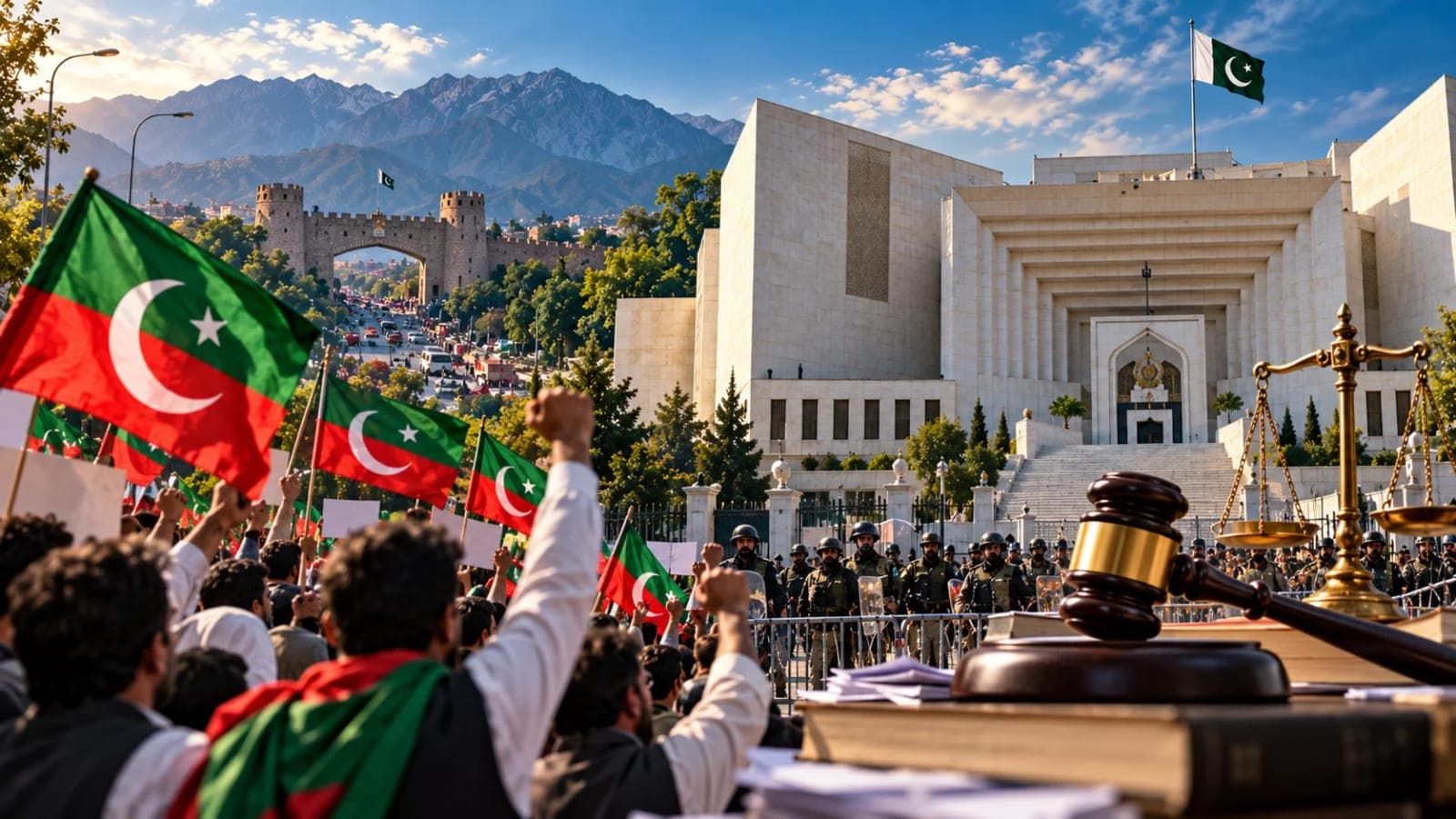
PTI has strongly criticised the federal government's decision to impose emergency and governor's rule.
Party representatives argue that the move undermines the electoral mandate of the provincial administration.
They also reject federal allegations that the previous provincial government failed to address terrorism.
The dispute is connected to broader tensions between PTI and the federal government, including protests demanding the release of former Prime Minister Imran Khan.
Federal authorities maintain that the intervention was motivated by security concerns.
PTI argues that political considerations influenced the decision.
These claims remain contested.
What Happens Next After the Army Deployment?
Several developments will determine the next phase of the situation.
The first is the implementation of the Interior Ministry's deployment order.
Authorities will need to determine operational requirements, coordinate with civil departments and communicate relevant security measures.
The second is the functioning of the governor-led administration.
The advisory council will be expected to support government departments during the emergency period.
The third is the political and legal response.
Opposition parties may challenge aspects of the emergency arrangement through constitutional and parliamentary processes.
The fourth is the security situation itself.
The federal government will face scrutiny over whether the measures improve public safety and administrative coordination.
Any assessment of their effectiveness will require evidence gathered over time.
Frequently Asked Questions
1. Has the Pakistan Army been deployed in Khyber Pakhtunkhwa?
The federal government authorised Pakistan Army deployment in aid of civil power on October 11, 2026. The specific extent of troop deployment may vary by area.
2. Under which constitutional article was the Army deployment authorised?
The deployment was authorised under Article 245 of Pakistan's Constitution.
3. Why was the Army called into KP?
The Interior Ministry cited the protection of citizens, property and government installations during the emergency.
4. Who will decide how many troops are needed?
Governor Faisal Karim Kundi will consult General Headquarters to determine troop and resource requirements, according to reporting on the notification.
5. Does Article 245 mean martial law has been imposed?
No. Article 245 permits the Armed Forces to assist civil authorities. It does not, by itself, establish martial law.
Conclusion
The decision to authorise Pakistan Army deployment in Khyber Pakhtunkhwa under Article 245 marks an important development in the province's ongoing political and security situation.
The federal government says the measure is intended to protect citizens, maintain security and assist civil authorities during the emergency.
The deployment follows the introduction of governor's rule and the transfer of provincial executive responsibilities to Governor Faisal Karim Kundi.
Although the federal government considers these steps necessary, PTI disputes the wider intervention and questions its political and constitutional justification.
The practical consequences will depend on how the deployment is implemented, the security conditions in individual districts and the decisions taken by relevant authorities.
For residents, accurate official information remains essential, particularly regarding road restrictions, public services and local security arrangements.
Last Updated: October 12, 2026.
Editorial Note: This article distinguishes the federal government's authorisation of military deployment from independently confirmed troop movements. Operational details may change as further official information becomes available.
What happens next for national
We will keep this page updated as the story develops rather than publishing a near-duplicate at a new address. Follow National for related coverage.
Get the Verified Brief
One email each morning with the stories we checked overnight.
Spotted an error? Read our corrections policy and tell the newsroom.