PTI Challenges KP Governor's Rule as Opposition Announces Legal and Political Response
PTI challenges KP governor's rule after the October 2026 emergency. Explore the opposition's legal response, constitutional debate and latest developments.

By News Desk · Verified Pakistan News Desk
Published · 11 min read
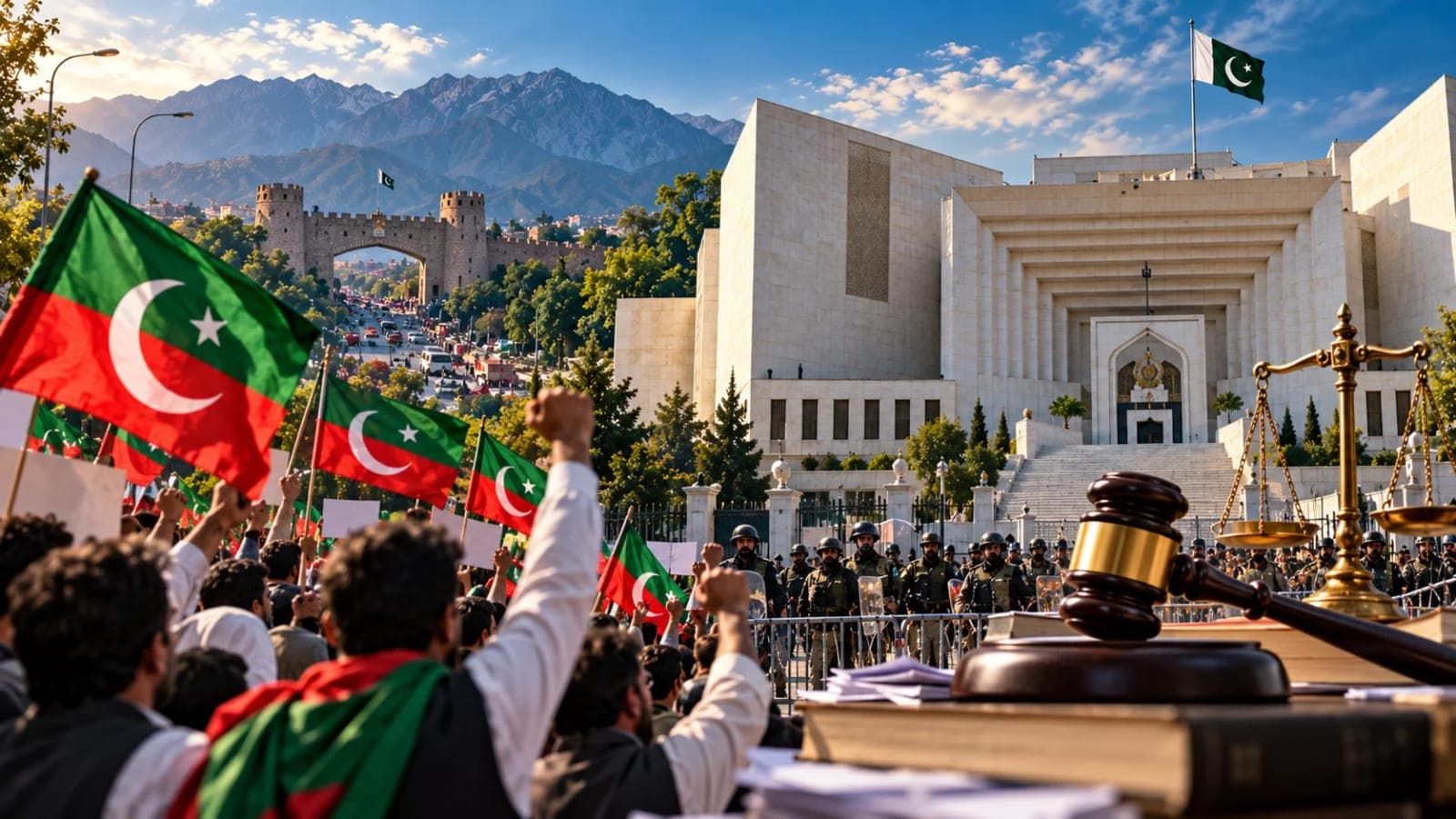
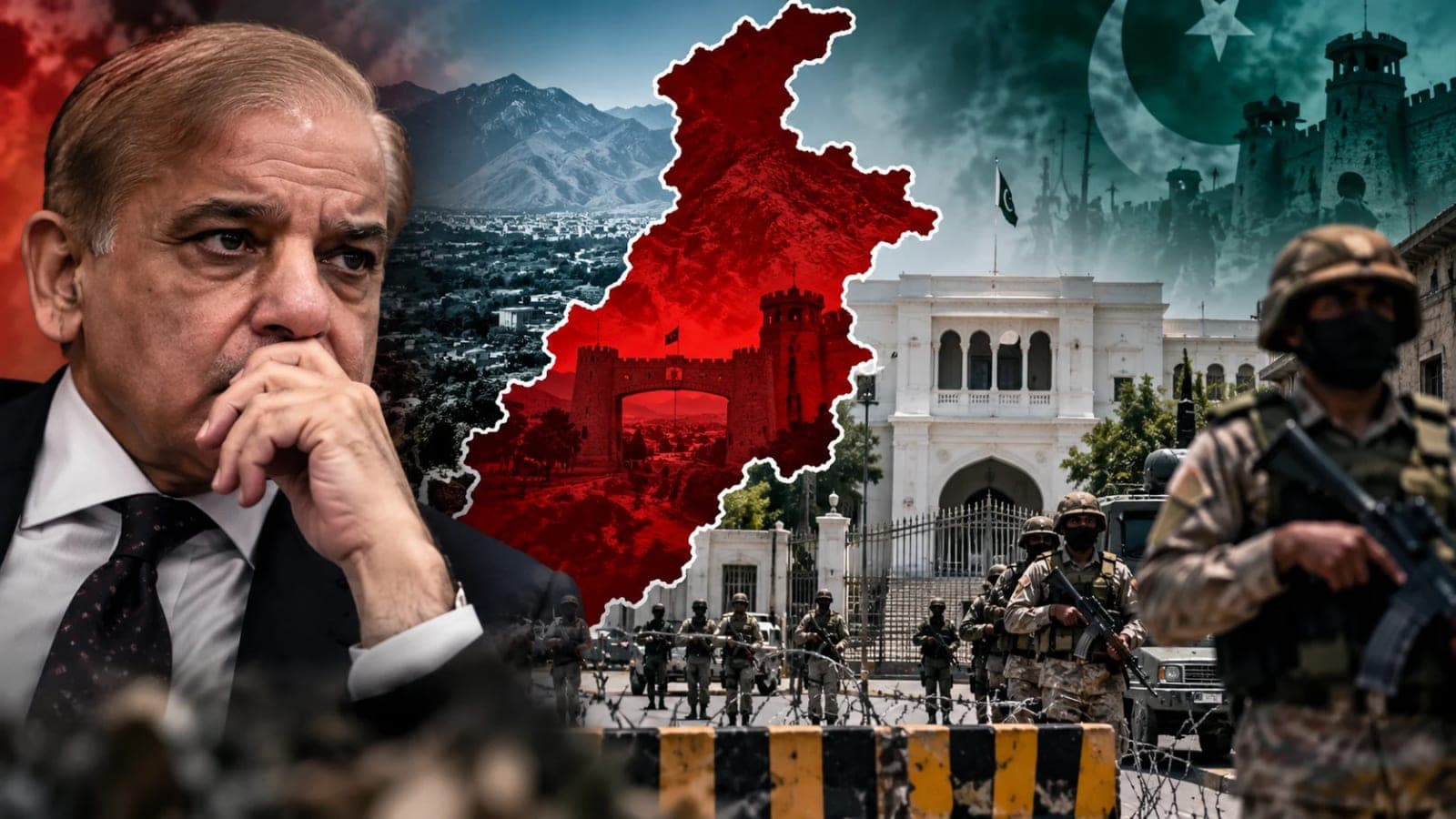
ISLAMABAD, October 12, 2026: Pakistan Tehreek-e-Insaf (PTI) and the opposition alliance Tehreek Tahafuz Ayeen-i-Pakistan (TTAP) have rejected the imposition of governor's rule and emergency measures in Khyber Pakhtunkhwa, announcing plans to challenge the federal government's decision through legal, parliamentary and political channels.
The opposition's response follows President Asif Ali Zardari's approval of emergency and governor's rule on October 11, after the federal cabinet recommended intervention in the PTI-led province.
The federal government says its decision was necessary because of serious security concerns, militant violence and what it describes as inadequate cooperation from the provincial administration.
PTI disputes that explanation, arguing that the intervention undermines the electoral mandate of Khyber Pakhtunkhwa's residents and raises serious questions about provincial autonomy.
The disagreement has opened a wider constitutional debate over the federal government's authority, the role of provincial institutions and the legal limits of emergency powers.
Why Is PTI Challenging KP Governor's Rule?
PTI's central objection concerns the removal of executive authority from the provincial administration led by Chief Minister Sohail Afridi.
The party maintains that the people of Khyber Pakhtunkhwa elected representatives to govern the province and that disagreements over security policy should not automatically justify transferring provincial powers to federally directed institutions.
PTI leaders also question the government's assessment of the security situation and its criticism of the provincial administration.
The party argues that Khyber Pakhtunkhwa has faced terrorism for years and that security policy requires cooperation among federal, provincial and military institutions.
Federal officials reject the suggestion that the intervention is primarily political.
They maintain that the situation required constitutional action to protect citizens and improve counterterrorism coordination.
These opposing interpretations are central to the developing dispute.
What Did Barrister Gohar Ali Khan Say?
PTI Chairman Barrister Gohar Ali Khan criticised the emergency and governor's rule during the opposition's response on October 11.
He argued that imposing governor's rule would not resolve Khyber Pakhtunkhwa's problems and emphasised the need for a unified counterterrorism strategy based on political consensus.
His comments reflected PTI's position that sustainable security requires cooperation rather than confrontation between different levels of government.
The party also maintains that weakening provincial autonomy could create additional political uncertainty.
The federal government, however, says its decision was prompted by circumstances that required immediate intervention.
Why Does Political Consensus Matter?
Counterterrorism involves multiple institutions, including provincial police, federal agencies and security forces.
Coordination can become more difficult when political leaders disagree about operational priorities, resource allocation and the treatment of communities affected by militancy.
A consensus-based approach could help establish shared objectives, although disagreements over authority and implementation may remain.
Whether the current emergency arrangement improves coordination will depend on decisions and outcomes rather than political statements alone.
TTAP Announces Legal Challenge to Governor's Rule
The opposition alliance Tehreek Tahafuz Ayeen-i-Pakistan has announced that it intends to challenge governor's rule through courts, legislative assemblies and public forums.
The alliance describes the federal intervention as unconstitutional and contrary to democratic principles.
Its announcement indicates that the dispute may develop into formal legal proceedings alongside political protests and parliamentary debate.
However, announcing an intention to approach the courts is not the same as filing a petition.
Any confirmed case number, hearing date or judicial order should be reported only after verification from court records or reliable reporting.
What Could the Opposition Challenge?
Potential constitutional questions include the circumstances used to justify the emergency, the legal requirements governing federal intervention and the extent of powers transferred to the governor.
Lawyers may also examine the relevant presidential proclamations and supporting notifications.
The exact arguments will depend on the contents of any petition that is formally filed.
The outcome cannot be determined in advance.
What Happened on October 11, 2026?
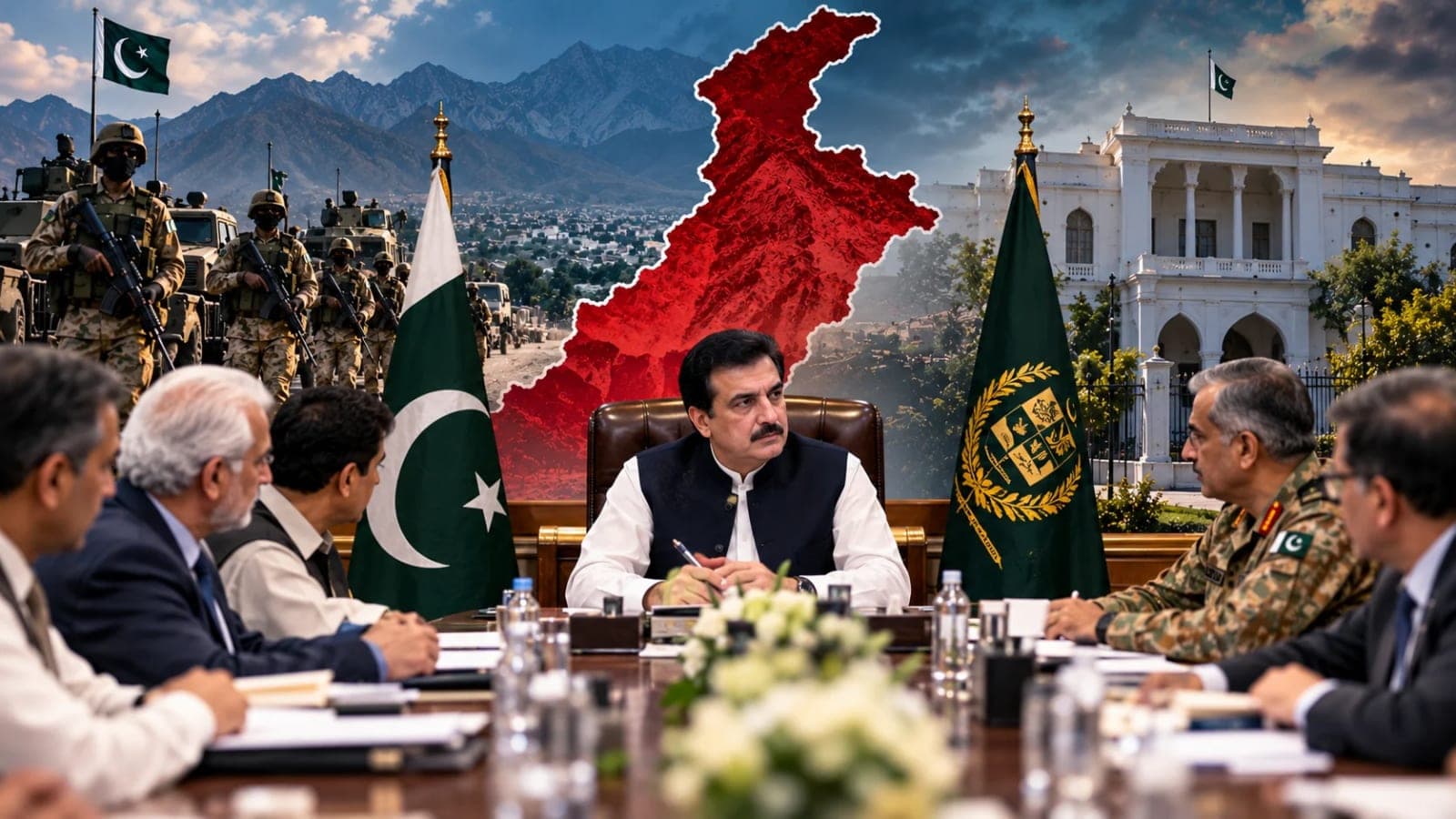
The federal cabinet met under Prime Minister Shehbaz Sharif to consider the security and political situation in Khyber Pakhtunkhwa.
Following the cabinet's recommendation, President Asif Ali Zardari approved emergency and governor's rule under Articles 232 and 234 of the Constitution.
Federal Law Minister Azam Nazeer Tarar subsequently explained the government's position during a news conference in Islamabad.
According to the federal government, the arrangement transferred executive responsibilities previously exercised by the chief minister and provincial cabinet to Governor Faisal Karim Kundi.
An 11-member advisory council was also announced to assist the governor.
The intervention followed growing tensions between the federal government and PTI over security policy and planned political demonstrations.
Why Did the Federal Government Impose Governor's Rule?
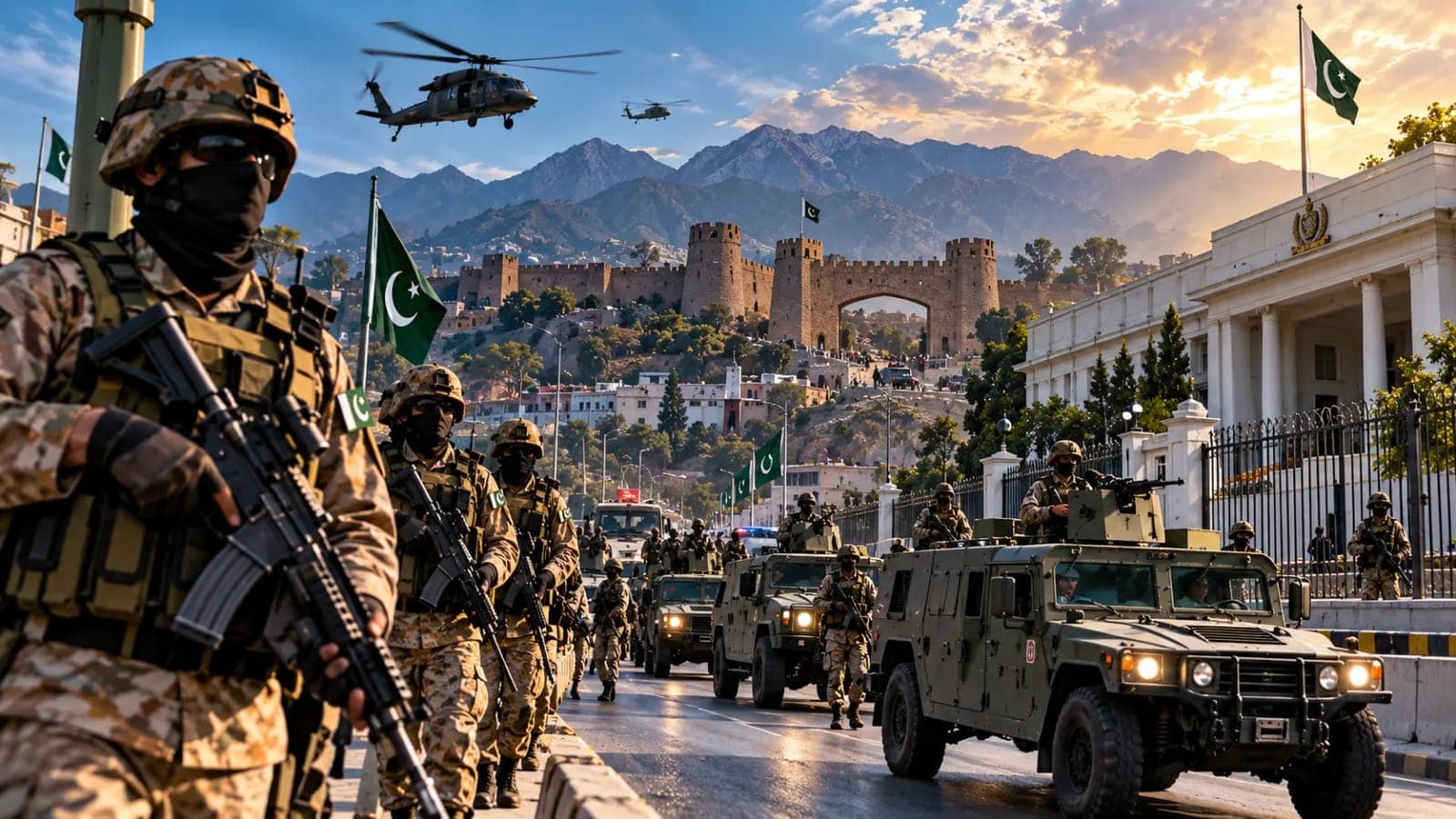
The federal government cites deteriorating security conditions and disagreements over counterterrorism policy.
Khyber Pakhtunkhwa has experienced repeated militant attacks, particularly in districts near the Afghan border.
Federal officials accuse the previous provincial administration of failing to cooperate adequately with national security measures.
They argue that stronger administrative coordination is needed to address the threat.
PTI disputes these allegations and says the province has made substantial sacrifices in the fight against terrorism.
The dispute therefore concerns both the security assessment and the constitutional response chosen by the federal government.
Are Security Concerns Enough to Justify Governor's Rule?
That question requires examining the Constitution and the specific circumstances relied upon by the government.
The existence of militant violence does not, by itself, settle every legal question surrounding an emergency proclamation.
The relevant constitutional provisions establish conditions and procedures that must be considered.
Legal experts may disagree about whether those conditions have been satisfied.
Ultimately, a binding judicial determination would depend on proceedings before a court with jurisdiction.
What Does Article 232 of Pakistan's Constitution Say?
Article 232 provides a framework for declaring an emergency in circumstances specified by the Constitution.
These include situations involving threats to Pakistan's security and certain forms of internal disturbance that provincial authorities cannot control.
The provision also contains constitutional procedures and requirements concerning emergency proclamations.
The scope of any particular emergency depends on the wording of the proclamation and the applicable constitutional framework.
In the current dispute, the federal government invoked Article 232 alongside Article 234.
The opposition questions whether the circumstances justify the use of these powers.
What Is Article 234 and How Does It Affect KP?
Article 234 deals with situations in which the constitutional machinery of a province cannot function according to the Constitution.
It permits specified federal intervention, including arrangements under which the president assumes provincial functions or directs the governor to exercise them.
The provision also allows certain legislative functions to be exercised through Parliament.
However, governor's rule is not the same as martial law.
The governor remains part of a constitutional arrangement, and the powers exercised must be assessed against the relevant proclamation and law.
Does Governor's Rule Automatically Dissolve the Provincial Assembly?
Not necessarily.
The transfer of executive powers and the dissolution of a provincial assembly are different constitutional questions.
The precise status and functions of the assembly must be determined from the proclamation and applicable constitutional provisions.
Readers should avoid assuming that suspension of a provincial cabinet automatically means every elected institution has been dissolved.
Why Is Provincial Autonomy Part of the Debate?
Pakistan's Constitution distributes powers between federal and provincial institutions.
Provincial autonomy is an important feature of that constitutional structure.
The 18th Amendment strengthened the role of provinces in several policy areas.
These include important responsibilities relating to public services and provincial administration.
Federal intervention under emergency provisions can therefore raise questions about how constitutional powers should be balanced.
PTI argues that the current intervention weakens provincial representation.
The federal government maintains that the Constitution allows intervention when the necessary conditions are met.
The legality of the specific measures must be assessed separately from the broader political disagreement.
How Is Imran Khan Connected to the KP Crisis?
Former Prime Minister Imran Khan remains a central figure in the dispute.
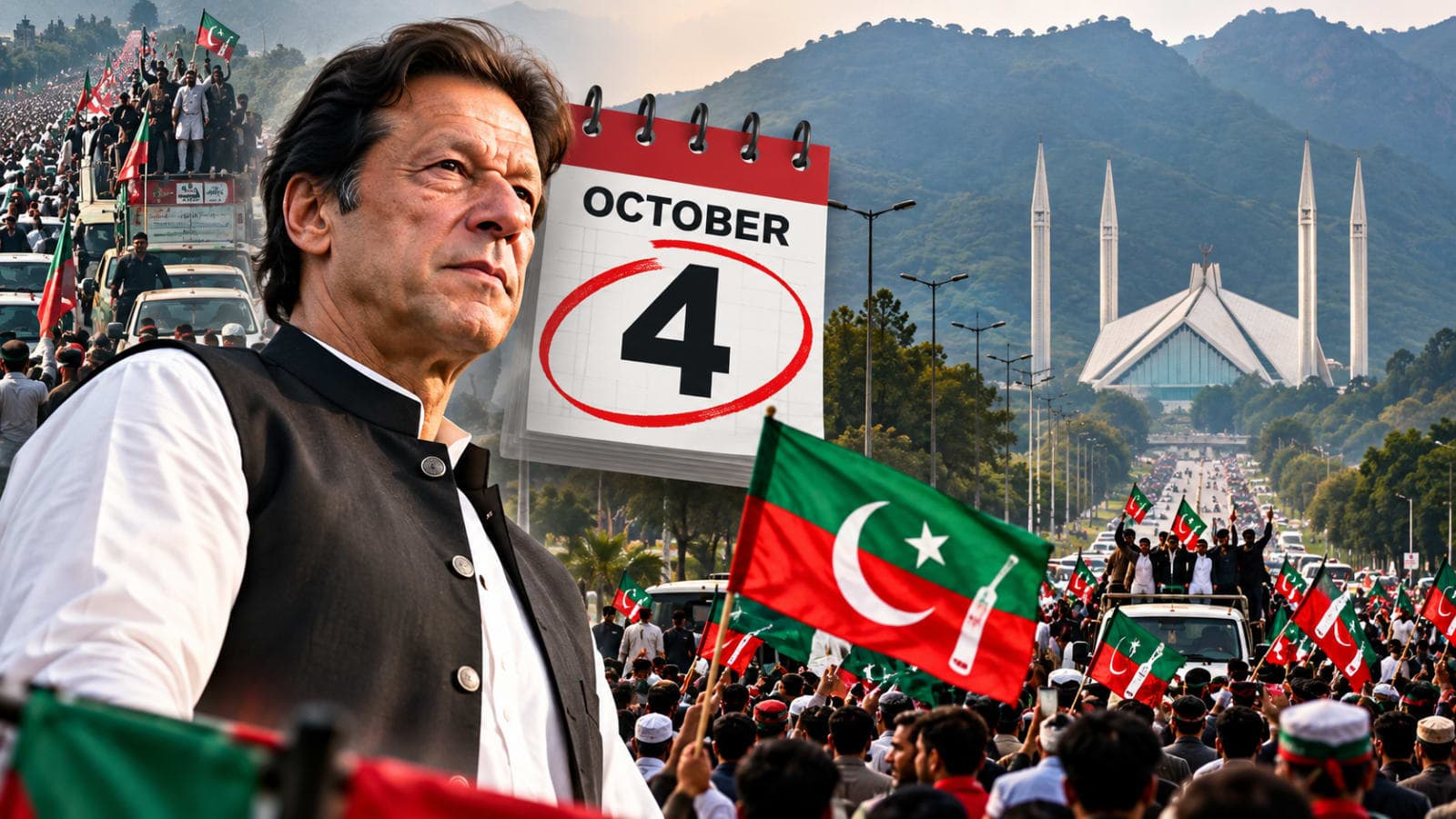
PTI supporters had been preparing a march towards Islamabad demanding his release from prison.
The planned mobilisation increased tensions between the federal government and the provincial administration.
PTI representatives argue that the timing of the emergency raises questions about the government's motives.
Federal officials reject that interpretation and say the decision was driven by security and governance concerns.
The political significance of the timing is clear, but allegations about motives should remain attributed to the parties making them.
What Is Sohail Afridi's Position in the Crisis?
Sohail Afridi headed the PTI-led provincial government before the emergency arrangement.
He had opposed the possibility of governor's rule and maintained that his administration would continue defending its political position.
The federal government's intervention removed the executive responsibilities previously exercised by his administration.
Reports about his detention and restrictions on movement also emerged during the developing situation.
Such reports require careful distinction between claims by political representatives, restrictions on movement and officially confirmed arrests.
The legal and political status of any detention should be established through subsequent verified information.
Could the KP Governor's Rule Face a Court Challenge?
The opposition has announced plans to pursue legal action.
Constitutional litigation could examine the legal basis of the proclamations, compliance with required procedures and the scope of federal powers.
The exact questions would depend on the petitions filed and the relief requested.
Legal challenges can also involve questions about jurisdiction and the appropriate forum.
It would be premature to predict whether a court will uphold, modify or invalidate any part of the arrangement.
What Happens if a Petition Is Filed?
A court may first consider procedural issues, including maintainability and jurisdiction.
If the matter proceeds, the parties may present legal arguments and supporting records.
The court could then issue directions or a judgment within its constitutional authority.
No specific judicial outcome should be assumed before proceedings take place.
What Does the Crisis Mean for Ordinary KP Residents?
Political and constitutional disagreements can affect daily life when accompanied by security restrictions and administrative changes.
Residents may be concerned about government offices, public transport, schools, healthcare and access to essential services.
The new administration has announced that security and governance will be major priorities.
However, the practical impact will depend on implementation.
People should follow official district-level instructions concerning road restrictions, educational closures and public gatherings.
Unverified claims about province-wide curfews or indefinite closures should not be treated as established facts.
What Happens Next in the KP Political Crisis?
The next phase will depend on several developments.
The opposition may formally approach courts and raise the matter in parliamentary forums.
The governor-led administration will continue implementing the emergency arrangements.
Federal authorities will face scrutiny over their security and governance decisions.
PTI may also continue political mobilisation, subject to applicable laws and restrictions.
Any changes to the emergency, including extensions or withdrawal, will require attention to constitutional procedures.
For now, the dispute remains unresolved.
Frequently Asked Questions
1. Why is PTI challenging KP governor's rule?
PTI argues that the federal intervention undermines the province's elected government and raises constitutional concerns about provincial autonomy.
2. Has PTI filed a case against governor's rule?
The opposition alliance has announced plans to challenge the decision through courts and other forums. A specific filed petition should be confirmed separately before publication.
3. Which constitutional articles were used to impose emergency and governor's rule?
The federal government invoked Articles 232 and 234 of Pakistan's Constitution.
4. Who is running Khyber Pakhtunkhwa under governor's rule?
Governor Faisal Karim Kundi has been assigned provincial executive responsibilities under the emergency arrangement, assisted by an 11-member advisory council.
5. Will the KP emergency end immediately if PTI challenges it?
Filing a legal challenge does not automatically end an emergency proclamation. Any change would depend on lawful government action or a relevant judicial order.
Conclusion
PTI's rejection of KP governor's rule has turned the federal government's emergency decision into a major constitutional and political dispute.
The opposition argues that the intervention undermines provincial autonomy and the mandate of elected representatives.
The federal government maintains that extraordinary measures were necessary because of serious security concerns and administrative difficulties.
With the opposition announcing legal and parliamentary action, the coming days may bring further scrutiny of the constitutional provisions used to justify the intervention.
The central questions concern the legal basis of the emergency, the limits of federal authority and the protection of public services during the transition.
For residents of Khyber Pakhtunkhwa, the immediate importance lies in public safety, administrative continuity and accurate information.
The political disagreement remains unresolved, and any legal developments should be reported only after reliable confirmation.
Last Updated: October 12, 2026.
Editorial Note: This article distinguishes announced legal action from confirmed court filings and does not predict the outcome of potential constitutional proceedings.
What happens next for national
We will keep this page updated as the story develops rather than publishing a near-duplicate at a new address. Follow National for related coverage.
Get the Verified Brief
One email each morning with the stories we checked overnight.
Spotted an error? Read our corrections policy and tell the newsroom.