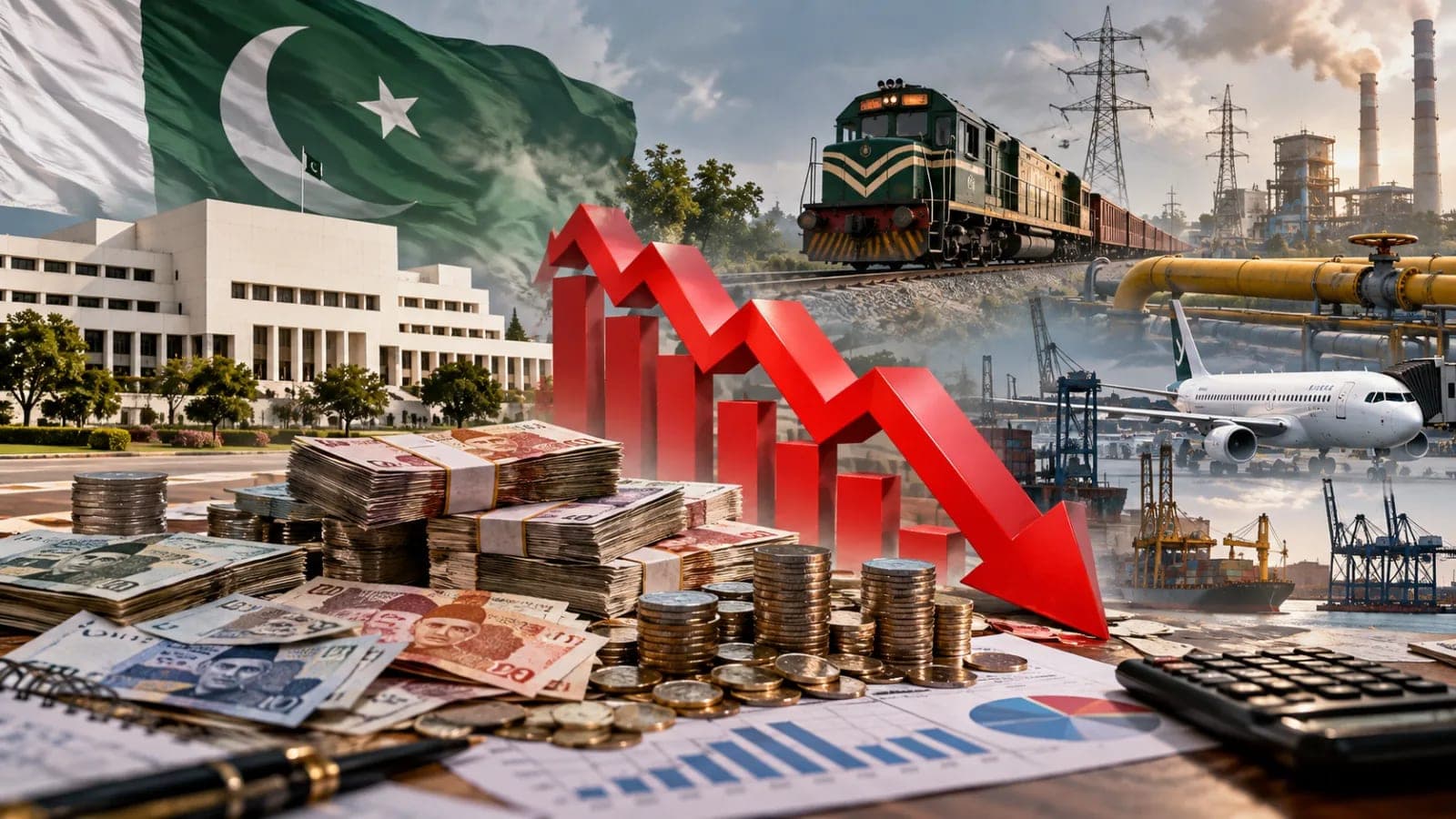

Pakistan Flour Prices October 2026: Why Atta Is Getting More Expensive
Pakistan flour prices October 2026 rise sharply in Karachi and Lahore. Check latest atta rates, wheat supply problems and the impact on household budgets.

By News Desk · Verified Pakistan News Desk
Published · 7 min read
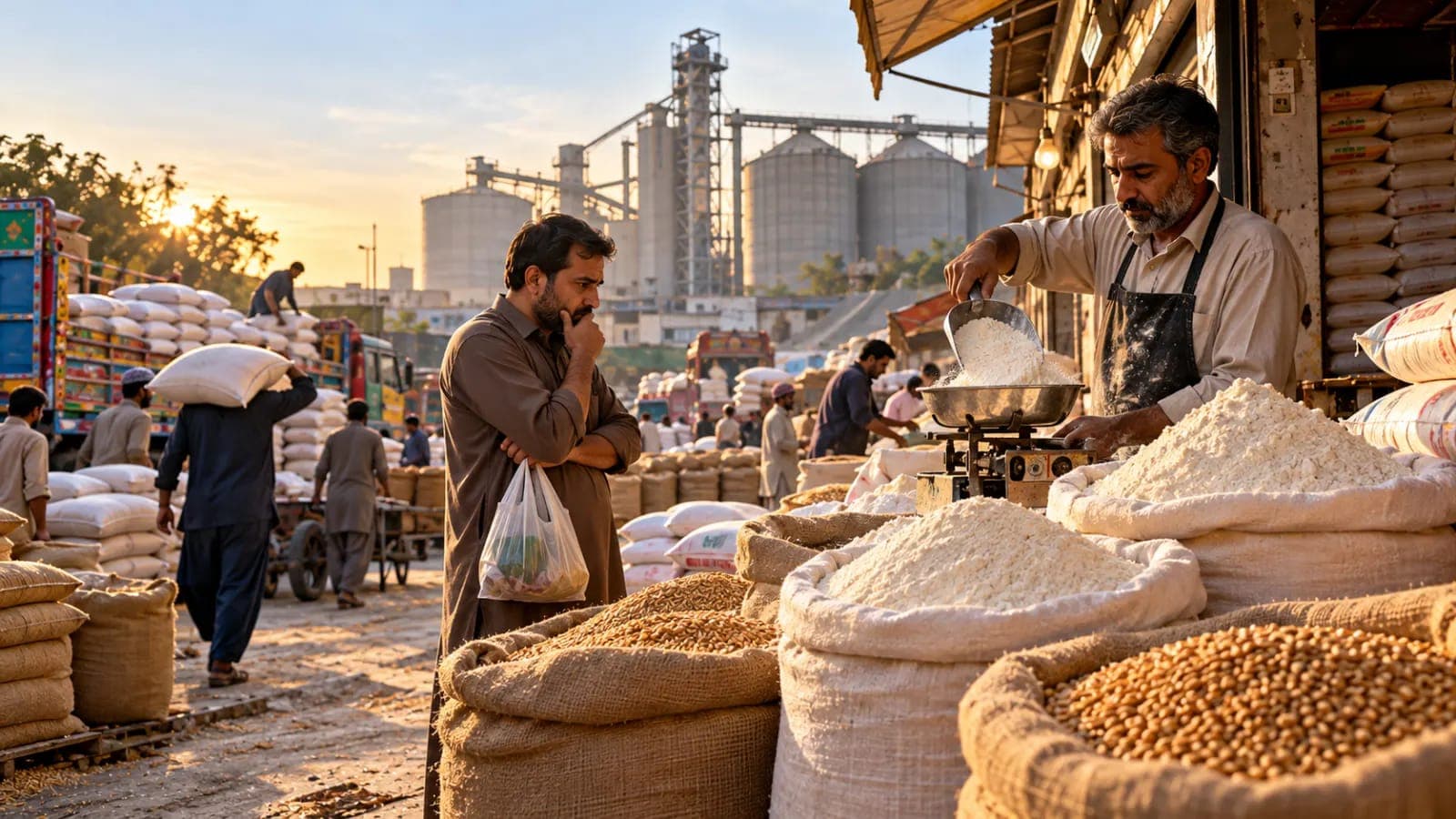
Wheat flour prices have increased sharply in several Pakistani markets, creating fresh financial pressure on families already struggling with expensive food, transport and household essentials.
On October 8, 2026, reports from Karachi and Lahore showed significant increases in wheat and flour prices, with traders pointing to tightening supplies and higher grain costs.
In Karachi, flour millers increased the prices of different flour varieties by an average of Rs. 14 per kilogram over three days.
Meanwhile, reports from Lahore showed wheat reaching Rs. 5,200 per 40 kilograms, while a 15-kilogram flour bag was selling for around Rs. 2,300.
The latest increases are particularly concerning because atta is one of Pakistan's most important household food items.
Pakistan Flour Prices October 2026: Latest Market Rates
The latest reported prices vary between cities, flour varieties and wholesale and retail markets.
According to market reporting published on October 8, Karachi flour millers increased the prices of several varieties.
The millers' quoted rates reached Rs. 155 per kilogram for flour No. 2.5, Rs. 167 for maida and Rs. 170 for fine flour.
Retail prices were considerably higher.
Flour No. 2.5 was reported at Rs. 180 per kilogram, fine flour at Rs. 200 and chakki flour at Rs. 210.
These figures represent reported market observations rather than a uniform government price applicable throughout Pakistan.
Karachi Flour Prices on October 8
Reported retail prices included:
- Flour No. 2.5: Rs. 180 per kilogram
- Fine flour: Rs. 200 per kilogram
- Chakki flour: Rs. 210 per kilogram
- Branded fine flour, 5kg: approximately Rs. 1,000–1,010
Prices may differ between shops, brands and neighbourhoods.
Consumers should confirm the rate displayed by their local retailer before purchasing.
Lahore Wheat and Atta Prices
In Lahore, reports indicated that wheat prices reached Rs. 5,200 per 40 kilograms after increasing by Rs. 400 over four days.
An 80-kilogram fine flour bag was reported at Rs. 12,500, following an increase of approximately Rs. 1,000.
A 15-kilogram flour bag was selling for around Rs. 2,300 after a reported increase of Rs. 300.
These changes show how quickly higher wheat costs can affect flour markets.
Why Are Atta Prices Increasing in Pakistan?
Several factors can influence flour prices, including wheat availability, milling costs, market expectations, transportation expenses and government stock-release policies.
The October 2026 increases have been linked in reporting to higher open-market wheat prices and concerns about available supplies.
Flour mills require consistent access to wheat to maintain production.
When wheat becomes more expensive, mills may increase flour prices to cover their purchasing costs.
However, the relationship isn't always immediate or identical across markets.
Retailers may also adjust prices according to their existing stock, delivery costs and expected replacement costs.
Rising Wheat Prices
In Karachi, a miller reported that open-market wheat prices increased from approximately Rs. 125–130 per kilogram to Rs. 138.
That increase affects the cost of obtaining raw material for flour production.
When wheat costs rise, flour mills face pressure to revise their selling rates.
Supply Problems and Market Availability
Some Karachi retailers reported difficulties obtaining flour after mills temporarily suspended supplies.
Retailers alleged that the interruption contributed to the latest price increase.
These allegations should be distinguished from established findings of deliberate market manipulation.
An interruption in supply can reduce the amount of flour available at shops, creating uncertainty for customers.
The situation becomes more difficult when traders expect further price increases.
How Government Wheat Stocks Affect Flour Prices
Government wheat procurement and stock-release policies can influence market conditions.
When public wheat stocks are released to mills under applicable arrangements, they can increase available supply.
Delays or uncertainty surrounding those releases may contribute to market pressure.
However, the exact impact depends on quantities, timing, pricing and distribution.
Government authorities must balance supply management with broader food-security considerations.
For consumers, the most important outcome is reliable availability at affordable prices.
Will Wheat Imports Reduce Prices?
Imported wheat can potentially increase supply, but the effect depends on delivery timing, quantity, quality and cost.
A Karachi miller quoted in October 8 reporting said anticipated wheat imports were expected during October or November.
That was a market participant's expectation, not a guarantee of immediate price relief.
Imported wheat also has transport, handling and other costs.
Consumers should therefore avoid assuming that an import announcement automatically means cheaper atta the following day.
How Rising Flour Prices Affect Household Budgets
Flour is used in everyday meals throughout Pakistan.
Families purchase atta for homemade roti, chapati and other foods.
When prices rise, households either spend more money on the same quantity or reduce spending elsewhere.
Lower-income families are especially vulnerable because food accounts for a substantial part of their monthly expenses.
An increase of even a few hundred rupees per bag can become significant over several purchases.
Monthly Cost Example
Consider a household that purchases two 15-kilogram flour bags every month.
If each bag increases by Rs. 300, the family's monthly flour expense rises by Rs. 600.
Over three months, that difference becomes Rs. 1,800, assuming the higher price remains unchanged.
This example illustrates the effect of the reported price change rather than representing every family's actual consumption.
Roti and Naan Prices Also Face Pressure
Higher flour prices affect bakeries, restaurants and tandoors.
Businesses that use large quantities of flour may struggle to absorb increased costs.
Some Karachi reports indicated that naan prices had risen by Rs. 5 to around Rs. 30–35 per piece.
Other bread products also experienced increases.
A tandoor operator warned that higher flour and LPG costs could create additional pressure on roti prices.
However, future increases are not guaranteed and may differ between locations.
Why LPG Prices Matter
Tandoors require energy to prepare bread.
If both flour and fuel become more expensive, operating costs rise.
Businesses may respond by reducing margins, improving efficiency or adjusting prices.
The final decision depends on local competition, customer demand and applicable price controls.
Why Prices Differ Between Karachi, Lahore and Other Cities
Pakistan doesn't have one identical flour price in every market.
Prices depend on local wheat availability, transportation, milling capacity and retail competition.
Different flour varieties also have different processing requirements.
Chakki flour, fine flour and maida should not be compared as though they are identical products.
Packaging, brand reputation and distribution arrangements can further affect prices.
This is why consumers may see different rates even within the same city.
What Can Consumers Do During Flour Price Increases?
Households can compare prices between reliable local retailers before making larger purchases.
Checking the price per kilogram is useful because flour bags come in different sizes.
Consumers should also inspect packaging, product condition and expiry information where applicable.
Buying excessive quantities during periods of uncertainty can create storage problems and unnecessary expenses.
Flour should be kept in a clean, dry and properly sealed container to protect it from moisture and pests.
Families may also plan purchases according to their normal consumption instead of reacting to unverified shortage rumours.
What Could Happen to Atta Prices Next?
Future flour prices will depend on wheat supplies, market conditions, government decisions and milling costs.
If additional wheat becomes available at competitive prices, some pressure could ease.
However, further supply disruptions or increases in grain costs could create additional volatility.
It is not possible to confirm a nationwide price decrease or increase without new market data.
Consumers should monitor current local prices and official market information rather than rely on speculative predictions.
The October 2026 increases demonstrate how quickly changes in an essential commodity can affect household finances.
Frequently Asked Questions
1. What is the atta price in Karachi on October 8, 2026?
Reported retail rates include Rs. 180 per kilogram for flour No. 2.5, Rs. 200 for fine flour and Rs. 210 for chakki flour.
2. How much does a 15kg flour bag cost in Lahore?
October 8 market reporting placed a 15-kilogram flour bag at approximately Rs. 2,300.
3. Why are flour prices rising in Pakistan?
Reported contributing factors include higher wheat prices, supply constraints and uncertainty surrounding available wheat stocks.
4. Will wheat imports make atta cheaper?
Additional supplies may help, but their effect depends on import costs, timing and market conditions.
5. Are flour prices the same across Pakistan?
No. Prices differ by city, flour variety, retailer and local market conditions.
What happens next for business
We will keep this page updated as the story develops rather than publishing a near-duplicate at a new address. Follow Business for related coverage.
Get the Verified Brief
One email each morning with the stories we checked overnight.
Spotted an error? Read our corrections policy and tell the newsroom.