
Strait of Hormuz Tankers Hit Again as Six Ships Catch Fire
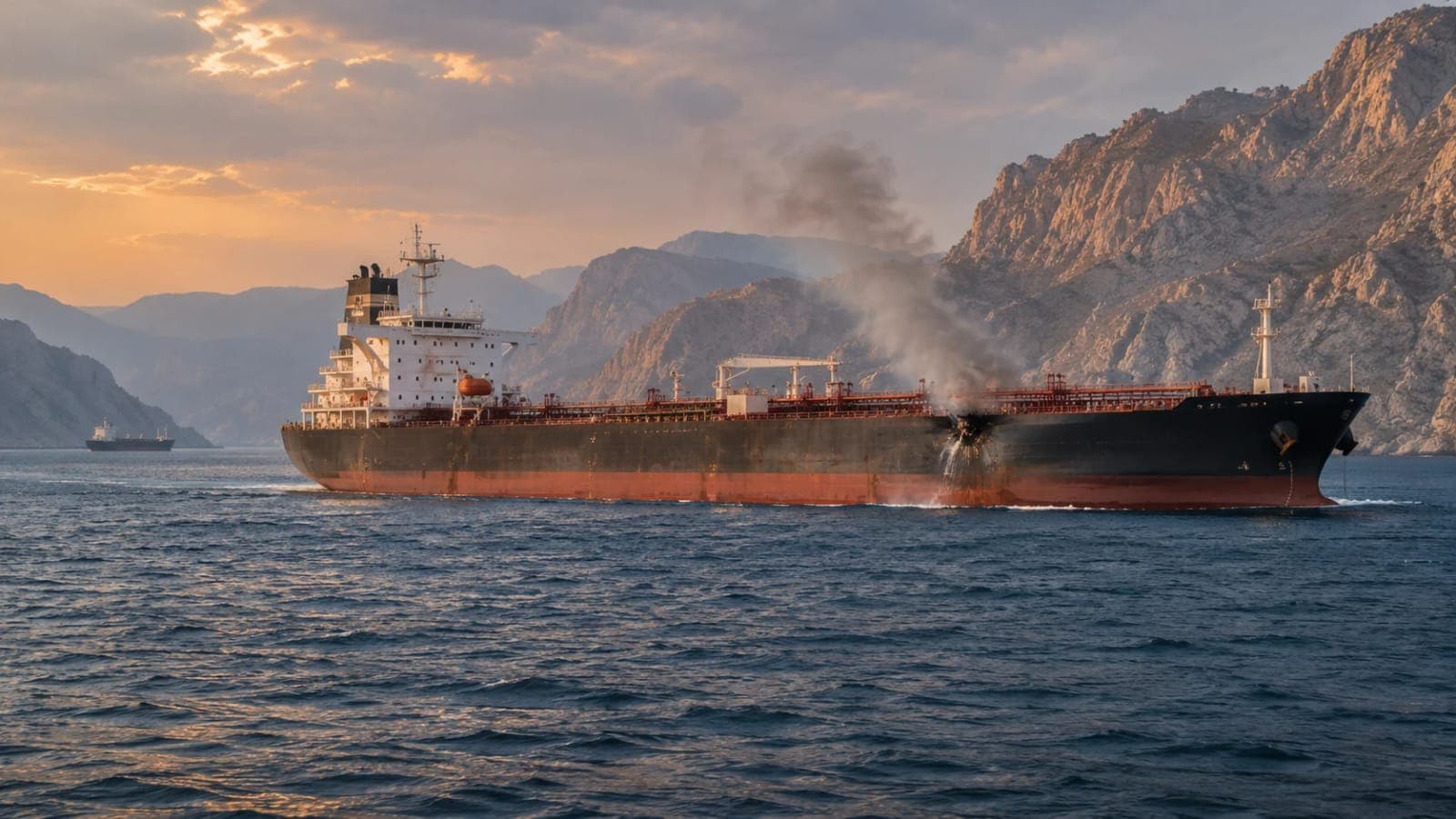
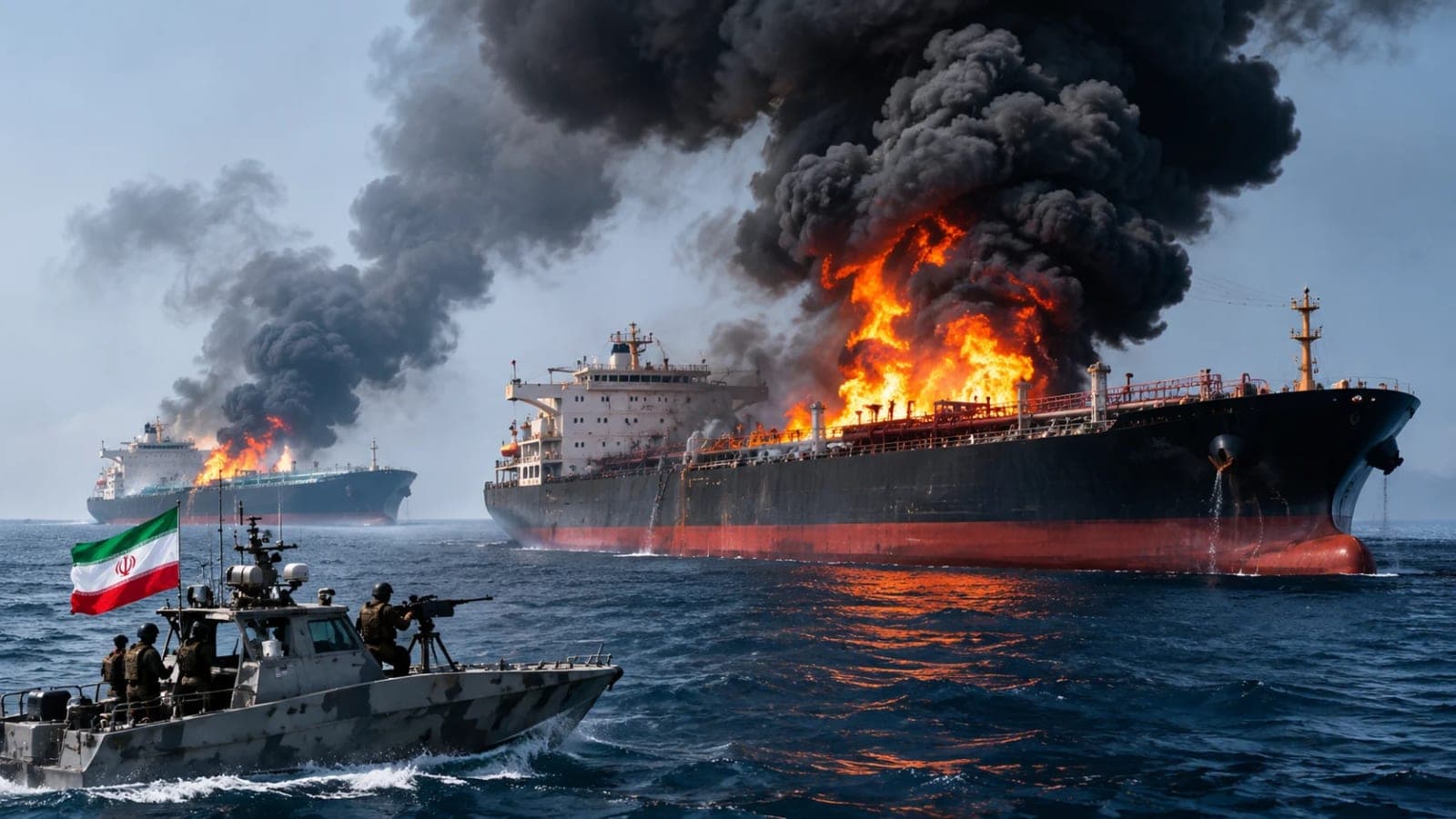
Strait of Hormuz tankers faced new danger on Monday as Iran said two more ships hit mines, six tankers caught fire and a supertanker sank in the strait.

By Suleman Mirza · Reporter
Published · Updated · 4 min read
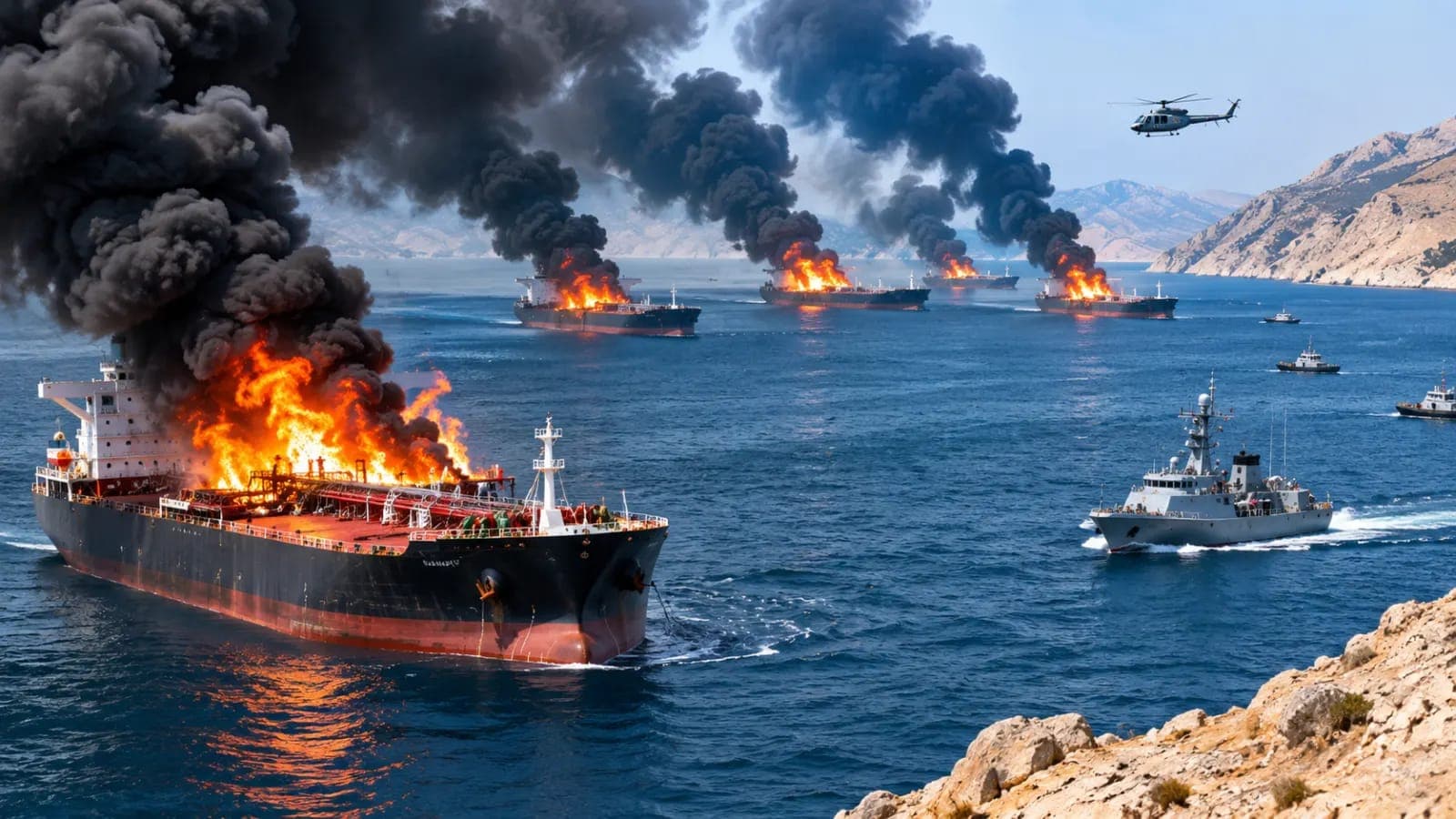
Strait of Hormuz tankers came under attack again on Monday, after Iran said two more vessels struck naval mines in the waterway and a supertanker sank.
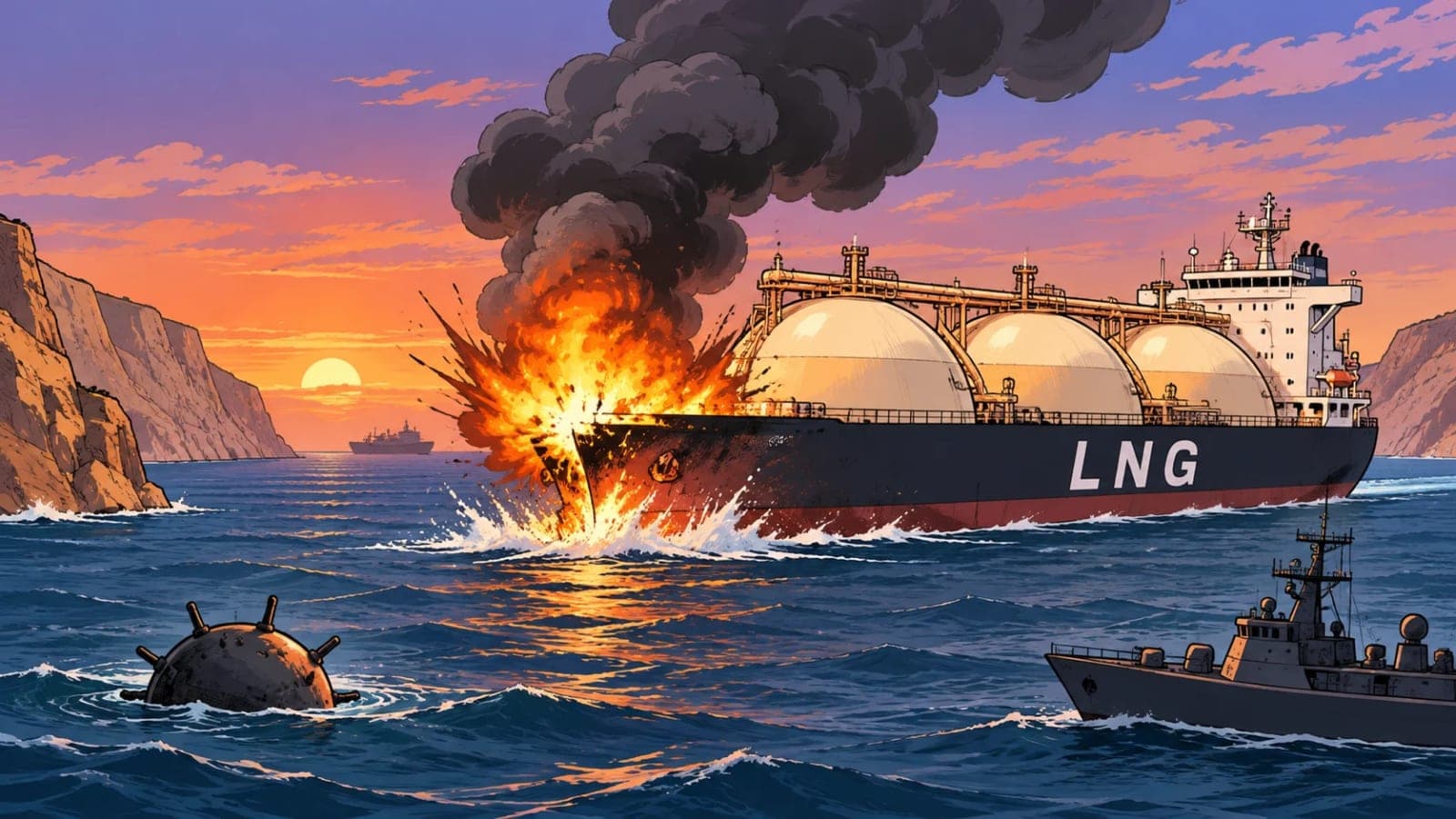
The Islamic Revolutionary Guard Corps said the two latest ships hit mines on Monday morning, taking the number of tankers damaged in two days to at least six. Iranian officials said six tankers caught fire across Sunday and Monday after striking mines laid in the shipping lanes.
Supertanker sinking is the biggest loss yet
Iranian reports said a supertanker carrying about two million barrels of oil sank after hitting a mine, which would make it the largest vessel lost since the shipping crisis began. The Strait of Hormuz tankers story changed sharply with that claim, because a sinking of that size raises the risk of a major oil spill as well as a blocked channel.
ARY News reported the sinking of the Iranian supertanker on Monday, and the Express Tribune reported Iran's navy saying an oil tanker had struck a mine east of the strait.
What is confirmed and what is not
The claims come from Iranian officials and the IRGC, and they have not been independently confirmed. Reuters reported the mine claims on Monday but said it could not immediately verify them, and there was no immediate confirmation from the United States Navy or from the shipowners.
On Sunday, the UK Maritime Trade Operations centre issued warning 205-26 after an attack on an energy tanker approaching the strait, and said the crew was safe. That incident was reported separately from the mine claims, and it is not yet clear how the events connect.
Why the strait matters so much
The strait carries about a fifth of the world's seaborne oil trade, along with large volumes of liquefied natural gas. Every attack on Strait of Hormuz tankers pushes up insurance costs and freight rates, and shipping companies have already cut transits sharply since the war began in February.
Pakistan imports most of its crude oil and petroleum products through Gulf routes, so continued attacks on Strait of Hormuz tankers feed directly into local fuel costs and supply worries, even when Pakistan-bound ships are not the ones hit.
What happens next
Shipping sources say traffic through the strait is continuing at reduced levels under naval protection. The United States says its forces have escorted large volumes of oil through the waterway since the blockade of Iranian ports began in April.
Analysts say the mine claims, if confirmed, would mark a new phase of the crisis, because mines threaten every flag and are far harder to guard against than missiles or drones. For now, the Strait of Hormuz tankers story rests on Iranian claims that other parties have yet to verify.
Frequently asked questions
Q: How many tankers have been hit in the Strait of Hormuz? A: Iran says at least six Strait of Hormuz tankers caught fire across Sunday and Monday after hitting mines, but the figure has not been independently confirmed.
Q: Did a supertanker really sink in the strait? A: Iranian reports and ARY News said a supertanker carrying about two million barrels sank after a mine strike. Shipowners and Western navies have not confirmed the sinking.
Q: Is the Strait of Hormuz closed? A: No. The strait remains open and ships are still transiting at reduced levels, but attacks on Strait of Hormuz tankers have made the route far riskier and more expensive.
Q: How does this affect Pakistan? A: Pakistan imports most of its oil through Gulf shipping routes, so attacks on Strait of Hormuz tankers can push up fuel costs and threaten supply even when local ships are not targeted.
Q: Who has confirmed the mine attacks? A: The claims come from the IRGC and Iranian officials. Reuters said it could not immediately verify them, and UKMTO has confirmed only a separate Sunday attack in which the crew was safe.
What happens next for global
We will keep this page updated as the story develops rather than publishing a near-duplicate at a new address. Follow Global for related coverage.
Get the Verified Brief
One email each morning with the stories we checked overnight.
Spotted an error? Read our corrections policy and tell the newsroom.