
Turkey and Yemen Conflict 2026: What the Saudi Defense Pact Really Means
Turkey and Yemen conflict 2026 explained: why Ankara rejects offensive operations, what the Saudi-Pakistan defense pact covers and what happens next.

By News Desk · Verified Pakistan News Desk
Published · Updated · 12 min read
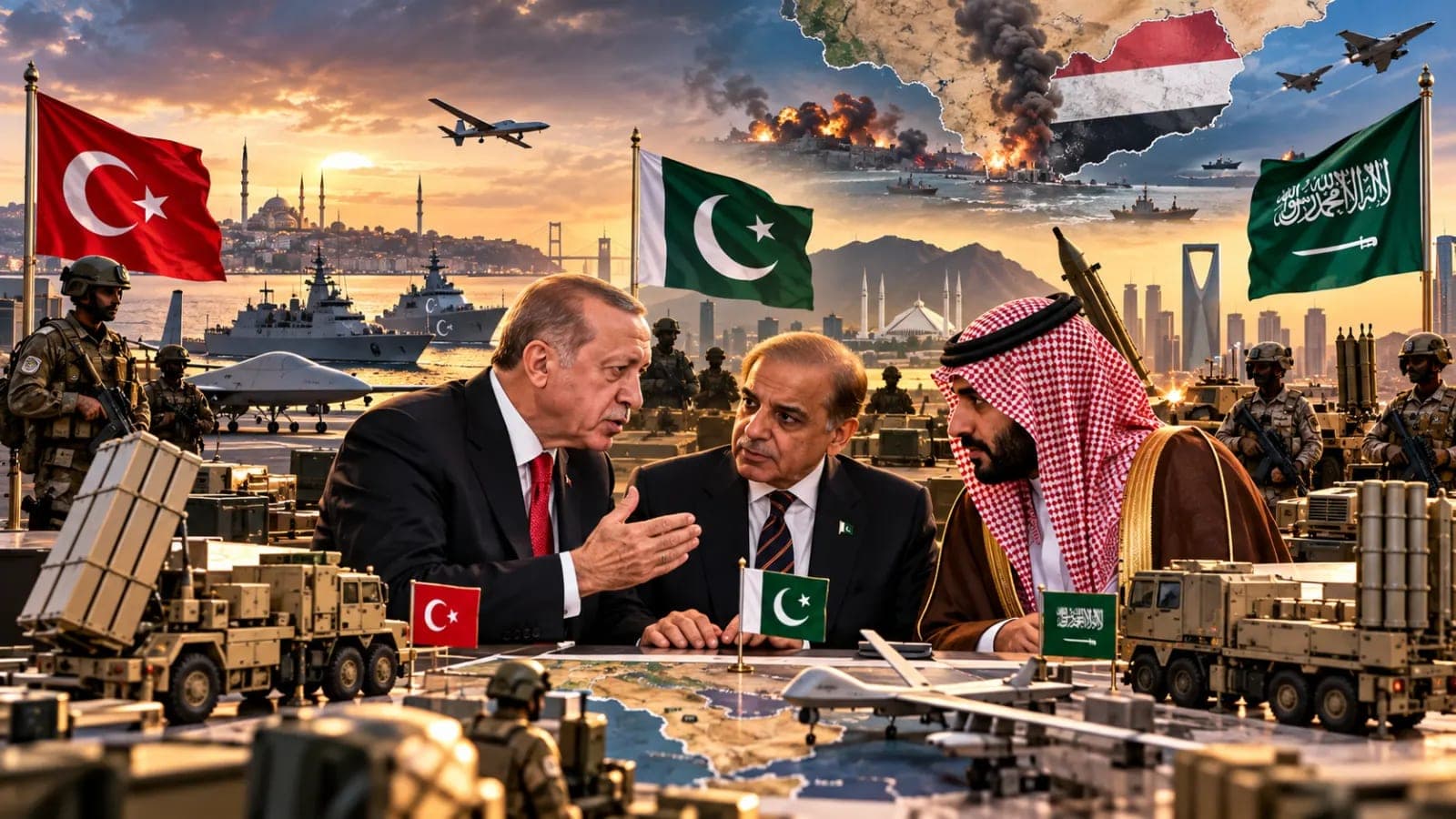
Turkey has drawn a clear distinction between helping Saudi Arabia defend itself and joining offensive military operations in Yemen.
Speaking on October 8, 2026, Turkish Foreign Minister Hakan Fidan said Ankara would not send troops into another country's territory to conduct attacks under its new defense arrangement with Saudi Arabia and Pakistan.
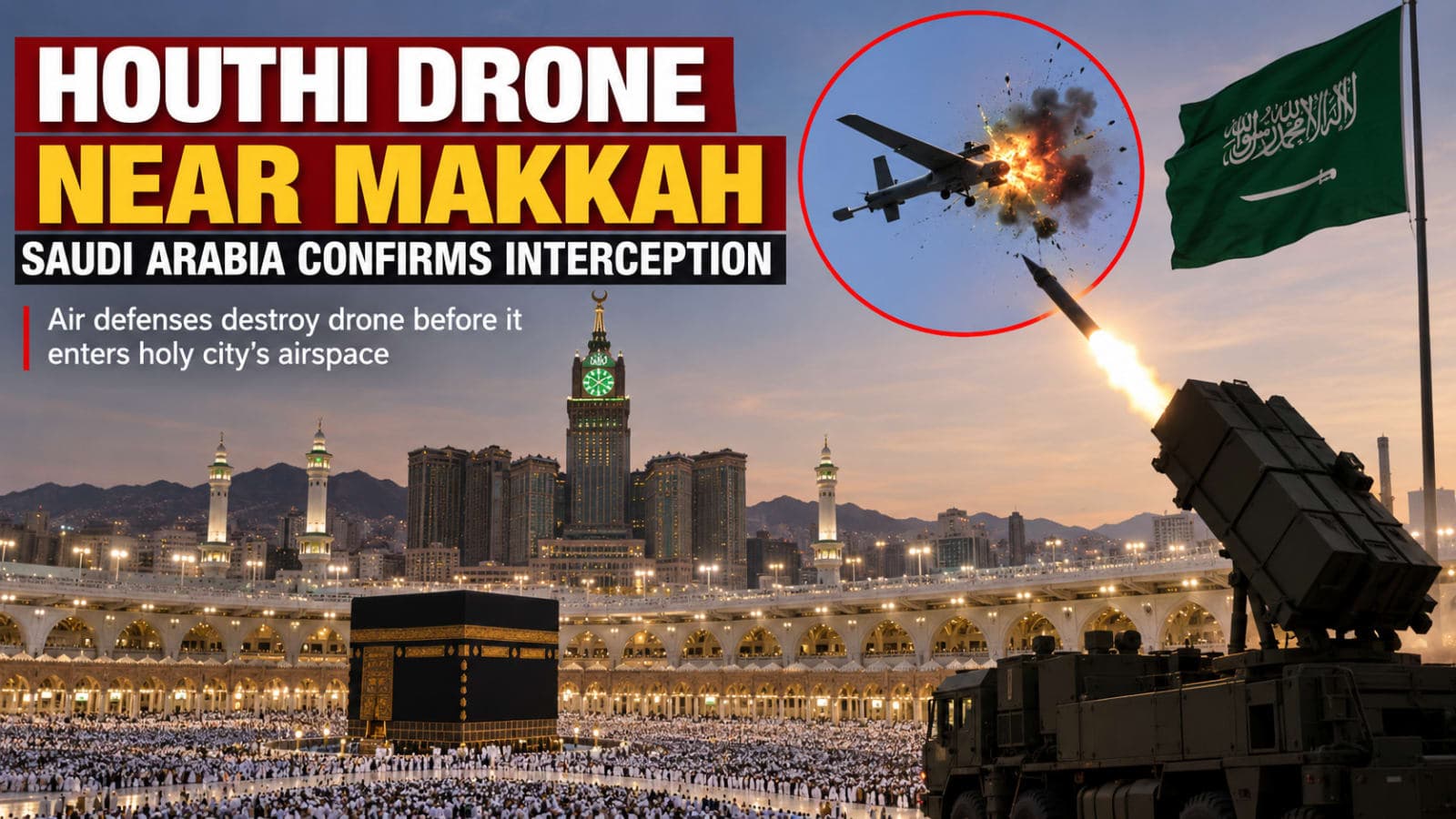
His comments came as fighting involving Yemen's Houthi movement intensified and Saudi Arabia faced renewed threats to its cities, airports and other infrastructure.
The situation has attracted considerable attention in Pakistan because Islamabad is also a party to the Makkah Joint Defense Agreement.
The central question is whether a collective defense commitment automatically requires its members to participate in an ongoing war.
Turkey's position suggests that the answer is no.
Ankara has indicated that it is prepared to consider air defense, technical assistance and other protective measures while rejecting direct participation in offensive operations inside Yemen.
Understanding this distinction is essential to assessing the regional implications of the agreement.
What Is Happening in the Turkey and Yemen Conflict in 2026?
Turkey is not a direct party to Yemen's internal conflict in the same way as the forces fighting on Yemeni territory.
However, the war has become increasingly relevant to Turkish security policy because of attacks against Saudi Arabia and the defense commitments made by Ankara.
The Houthis, also known as Ansar Allah, control significant territory in Yemen and have fought against forces aligned with the internationally recognized Yemeni government.
Saudi Arabia has supported the internationally recognized government and has faced missile and drone threats connected to the conflict.
Renewed fighting and attacks on Saudi targets have increased pressure on regional partners to clarify their responsibilities.
Turkey's latest statement addresses how far Ankara is willing to go.
Why Turkey's Position Matters
Turkey possesses significant military capabilities and is a member of NATO.
Its participation in a regional defense arrangement therefore attracts international attention.
Any decision to send Turkish combat forces into Yemen could carry political, military and diplomatic consequences.
By ruling out offensive troop deployments, Ankara is attempting to define the limits of its involvement.
That does not mean Turkey has ruled out every form of military cooperation with Saudi Arabia.
What Did Turkish Foreign Minister Hakan Fidan Say?
Hakan Fidan addressed the issue during a news conference in Ankara on October 8.
He described the trilateral arrangement as defensive in nature.
According to reporting from international news agencies, Fidan said Turkey would not send soldiers to another country's territory to carry out attacks.
He also indicated that Turkish and Saudi military representatives were assessing possible defensive contributions.
The distinction is important because defensive assistance can take many forms without involving Turkish forces in ground combat.
Does Turkey Refuse to Help Saudi Arabia?
No.
Turkey has expressed willingness to assist Saudi Arabia in protecting itself against attacks.
Possible areas of cooperation include air defense, technical support and other capabilities intended to protect infrastructure and civilian areas.
The precise scale of future assistance remains subject to government decisions and operational arrangements.
Turkey's position is therefore better understood as a rejection of offensive involvement, not a complete withdrawal from the defense partnership.
What Is the Makkah Joint Defense Agreement?
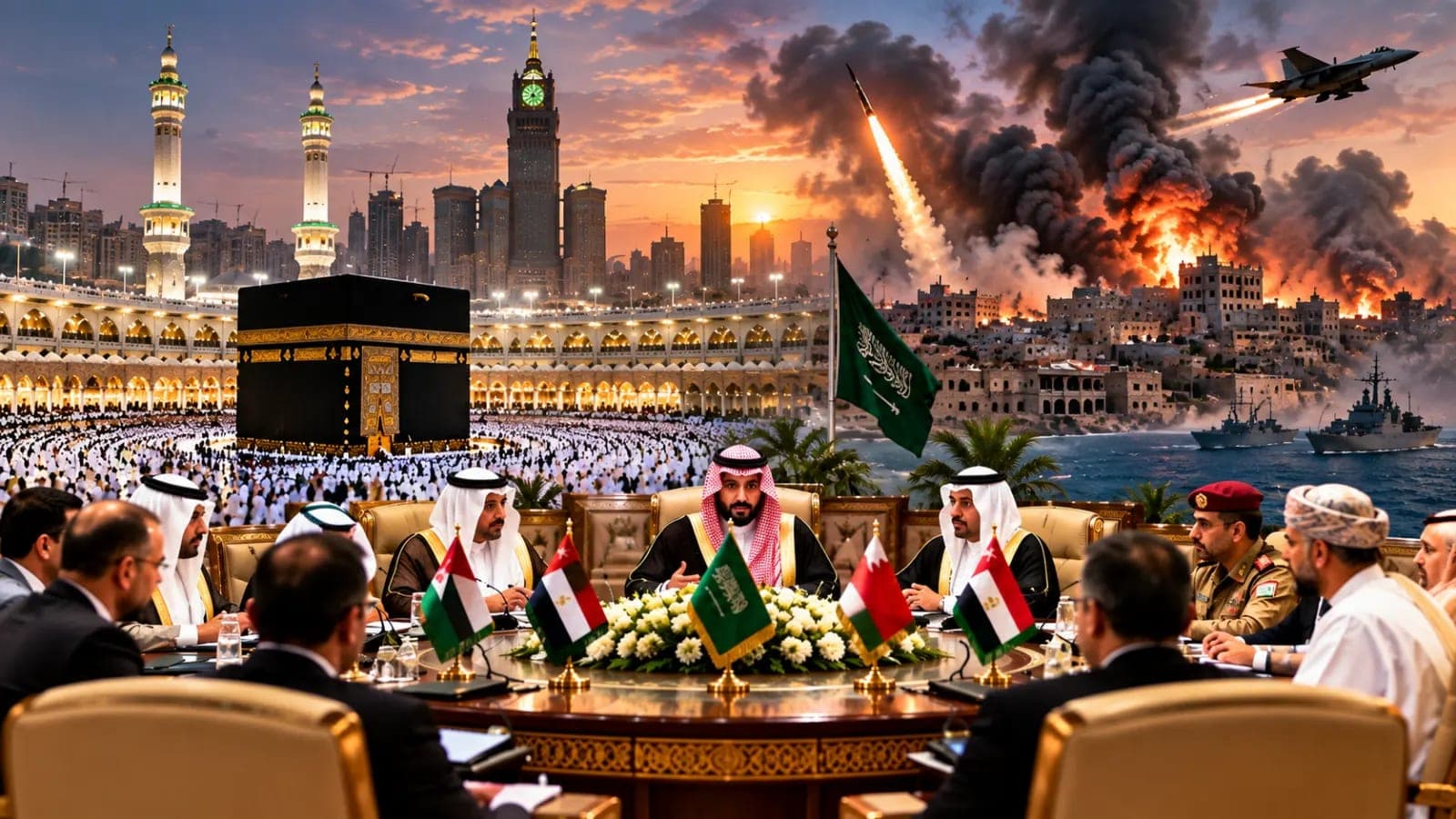
The Makkah Joint Defense Agreement is a trilateral arrangement involving Saudi Arabia, Pakistan and Turkey.
The countries signed the agreement in August 2026.
Its central principle is collective defense: an armed attack against one member is treated as a matter of concern for all three.
Such arrangements are intended to strengthen deterrence and cooperation.
They can signal that attacking one country may produce a coordinated response from its partners.
However, the existence of a defense pact does not automatically settle the details of military deployment.
Those details depend on the agreement's provisions, national laws and decisions taken by the participating governments.
Why Was the Agreement Activated?
The three countries moved to implement their collective defense commitments after escalating attacks against Saudi Arabia.
Meetings between political and military representatives focused on potential measures to strengthen the kingdom's defenses.
The partners discussed the rapid deployment of relevant military capabilities.
However, a commitment to provide defensive assistance should not be confused with a confirmed decision by every country to send combat troops into Yemen.
What Does Collective Defense Actually Mean?
Collective defense refers to cooperation among states when one member faces an external attack.
The purpose is to discourage aggression and improve the ability of participating countries to respond.
Assistance can involve personnel, equipment, intelligence, logistics or other support.
The exact response depends on the relevant agreement and national decisions.
Is Collective Defense the Same as Joining a War?
Not necessarily.
A country can help another defend its territory without launching attacks inside a third country.
For example, supporting air defense systems against incoming missiles is different from conducting offensive operations against targets in Yemen.
Both activities involve military capabilities, but their immediate purposes and political implications differ.
This distinction is central to Turkey's October 2026 position.
Why Is Saudi Arabia Seeking Additional Defense Support?
Saudi Arabia has faced renewed threats from missiles and drones amid the escalation in Yemen.
Airports, infrastructure and populated areas have become major security concerns.
Protecting such locations requires surveillance, early warning, interception capabilities and coordinated emergency responses.
Additional technical assistance may help strengthen these systems.
Why Airports and Energy Infrastructure Matter
Airports are essential for passenger travel, cargo operations and international connectivity.
Attacks or credible threats can lead to delays, cancellations and temporary restrictions.
Energy infrastructure is similarly important because disruption can affect domestic operations and international markets.
Saudi Arabia's economic role means security developments can attract attention far beyond the Middle East.
However, reports about individual attacks and damage should be evaluated carefully, particularly when conflicting claims emerge from parties involved in the conflict.
What Kind of Support Could Turkey Provide?
Turkish officials have discussed defensive and technical assistance.
International reporting has identified possible cooperation involving air defense systems, intelligence, surveillance and related military capabilities.
Such support can strengthen a partner's ability to identify and respond to threats.
The exact composition of any Turkish contribution has not been fully disclosed.
Air Defense Assistance
Air defense systems are designed to detect and respond to airborne threats.
These may include missiles, drones or aircraft, depending on the system.
Providing equipment or technical expertise can help protect vulnerable locations.
However, the deployment of a particular system should not be treated as confirmed unless officially announced or independently verified.
Technical and Intelligence Cooperation
Military cooperation can include information sharing, training, maintenance and operational planning.
These activities may support defensive readiness without requiring combat operations inside Yemen.
They can also involve personnel working alongside local forces.
The presence of technical personnel is not, by itself, proof of participation in offensive attacks.
Has Turkey Sent Troops to Yemen?
As of October 9, 2026, Turkey has publicly rejected sending troops into Yemen for offensive operations under the agreement.
That is the clearest distinction established by Fidan's remarks.
Reports of defensive cooperation with Saudi Arabia do not establish that Turkish forces are conducting attacks on Yemeni territory.
The situation remains fluid, and future military arrangements may be announced.
For now, the available information supports describing Turkey's intended role as defensive rather than offensive.
Has Turkey's Parliament Approved the Agreement?
Turkey's parliamentary ratification process had not been completed when Fidan made his October 8 remarks.
He indicated that preparations for submitting the agreement to parliament were largely complete.
This creates an important legal and political distinction.
The participating countries have announced a defense arrangement and related cooperation, but Turkey's domestic approval process remains relevant.
Why Parliamentary Approval Matters
International defense commitments can raise questions about the authority to deploy armed forces.
National constitutions and laws may establish procedures that governments must follow.
The precise legal requirements differ between countries.
In Turkey's case, the pending parliamentary process is an important factor when assessing the agreement's status and possible implementation.
What Role Does Pakistan Have in the Saudi Defense Pact?
Pakistan is one of the three participants in the Makkah Joint Defense Agreement.
Its relationship with Saudi Arabia includes longstanding military and security cooperation.
The latest arrangement has increased attention on Pakistan's potential contribution to Saudi defenses.
However, Pakistan's responsibilities should not be inferred solely from Turkey's public statements.
Each government may make different decisions about the personnel, equipment and support it provides.
Does the Pact Mean Pakistan Must Fight in Yemen?
The agreement should not automatically be interpreted as a commitment to launch offensive operations inside Yemen.
The publicly reported collective defense principle concerns assistance when a member faces attack.
The exact nature of Pakistan's military contribution must be established through reliable official information.
Operational details may not always be disclosed.
Nevertheless, the distinction between defending Saudi territory and participating in offensive combat remains essential.
Why Yemen's Conflict Is Difficult to Resolve
Yemen's conflict involves domestic political divisions, armed groups and regional interests.
The Houthis took control of the capital, Sanaa, in 2014.
A Saudi-led military intervention followed in 2015 in support of the internationally recognized government.
Years of fighting have damaged infrastructure and created a severe humanitarian crisis.
Periods of reduced violence have not produced a comprehensive political settlement.
Renewed military operations risk deepening civilian suffering and making negotiations more difficult.
The Humanitarian Consequences
Conflict can disrupt access to food, healthcare, education and essential services.
Displacement also places pressure on families and communities.
Military developments should therefore be assessed alongside their consequences for civilians.
A durable settlement requires more than battlefield gains.
It also depends on political arrangements capable of addressing competing interests and restoring basic services.
How Could the Crisis Affect the Red Sea?
The Red Sea is an important route for international shipping.
The nearby Bab el-Mandeb Strait connects maritime traffic between the Red Sea and the Gulf of Aden.
Instability in this area can increase concerns about commercial shipping and insurance costs.
Some shipping companies may adjust routes when they consider security risks unacceptable.
Longer routes can increase transport time and operating expenses.
Why Pakistan Should Pay Attention
Pakistan relies on international maritime trade for imports and exports.
Changes in global freight costs can influence businesses even when the disruption occurs far from Pakistani ports.
Energy-market uncertainty can also affect import costs.
However, a specific increase in Pakistani fuel prices cannot be attributed to the Yemen conflict without examining the wider market and government pricing decisions.
Could Turkey's Decision Reduce Regional Tensions?
Turkey's refusal to participate in offensive operations may limit the scope of its direct military involvement.
That could reduce one potential pathway toward wider regional escalation.
At the same time, defensive assistance may strengthen Saudi Arabia's ability to respond to attacks.
The overall effect depends on decisions by all parties involved.
Continued missile attacks, military offensives and diplomatic disagreements could still increase tensions.
What Would De-Escalation Require?
A sustained reduction in violence would require restraint and meaningful political engagement.
Protecting civilians and infrastructure is an immediate priority.
Longer-term stability depends on negotiations addressing Yemen's political and security challenges.
Regional governments can influence the environment for diplomacy, but they cannot resolve the conflict through defensive deployments alone.
What Happens Next?
The next developments will likely involve discussions between Turkish and Saudi military representatives.
Turkey's parliamentary consideration of the defense agreement is another important step.
Pakistan and Saudi Arabia may also provide additional information about their cooperation.
The security situation in Yemen and attacks against Saudi Arabia will remain central factors.
Readers should distinguish official announcements from speculation about troop deployments or combat missions.
A defensive commitment does not automatically confirm an offensive operation.
Conclusion
The Turkey and Yemen conflict 2026 debate illustrates the difference between regional defense cooperation and direct participation in warfare.
Turkey has made clear that it does not intend to send troops into Yemen to conduct offensive attacks under its agreement with Saudi Arabia and Pakistan.
Ankara remains willing to consider defensive assistance, including technical and air defense cooperation.
The Makkah Joint Defense Agreement is an important regional development, but its implementation depends on national decisions, legal procedures and changing security conditions.
For Pakistan, the key issue is understanding the scope of collective defense without assuming that every form of military support means participation in Yemen's war.
As tensions continue, accurate reporting and clear distinctions between confirmed deployments, proposed assistance and unverified claims will remain essential.
Frequently Asked Questions
1. Is Turkey joining the Yemen war in 2026?
Turkey has publicly ruled out sending troops into Yemen for offensive operations under its defense agreement with Saudi Arabia and Pakistan.
2. What is the Makkah Joint Defense Agreement?
It is a trilateral defense arrangement signed in August 2026 by Saudi Arabia, Pakistan and Turkey, based on collective defense cooperation.
3. Will Turkey provide military assistance to Saudi Arabia?
Turkey has indicated that it is considering defensive and technical assistance, including support for Saudi air defenses.
4. Has Turkey's parliament ratified the agreement?
The parliamentary ratification process had not been completed as of Fidan's October 8, 2026 remarks.
5. Does the agreement require Pakistan to attack Yemen?
The publicly reported agreement concerns collective defense. It does not, by itself, establish that Pakistan must conduct offensive operations inside Yemen.
Editorial Disclaimer: This article reflects statements and reporting available on October 9, 2026. Military arrangements and the security situation may change rapidly.
What happens next for global
We will keep this page updated as the story develops rather than publishing a near-duplicate at a new address. Follow Global for related coverage.
Get the Verified Brief
One email each morning with the stories we checked overnight.
Spotted an error? Read our corrections policy and tell the newsroom.