
India Summons Pakistan Envoy Over Ferozepur Infiltration Row
The India summons Pakistan envoy episode saw New Delhi lodge a strong protest over alleged cross-border infiltration in Punjab's Ferozepur sector. Both countries summoned each other's diplomats within hours on October 3, 2026.

By News Desk · Verified Pakistan News Desk
Published · Updated · 5 min read
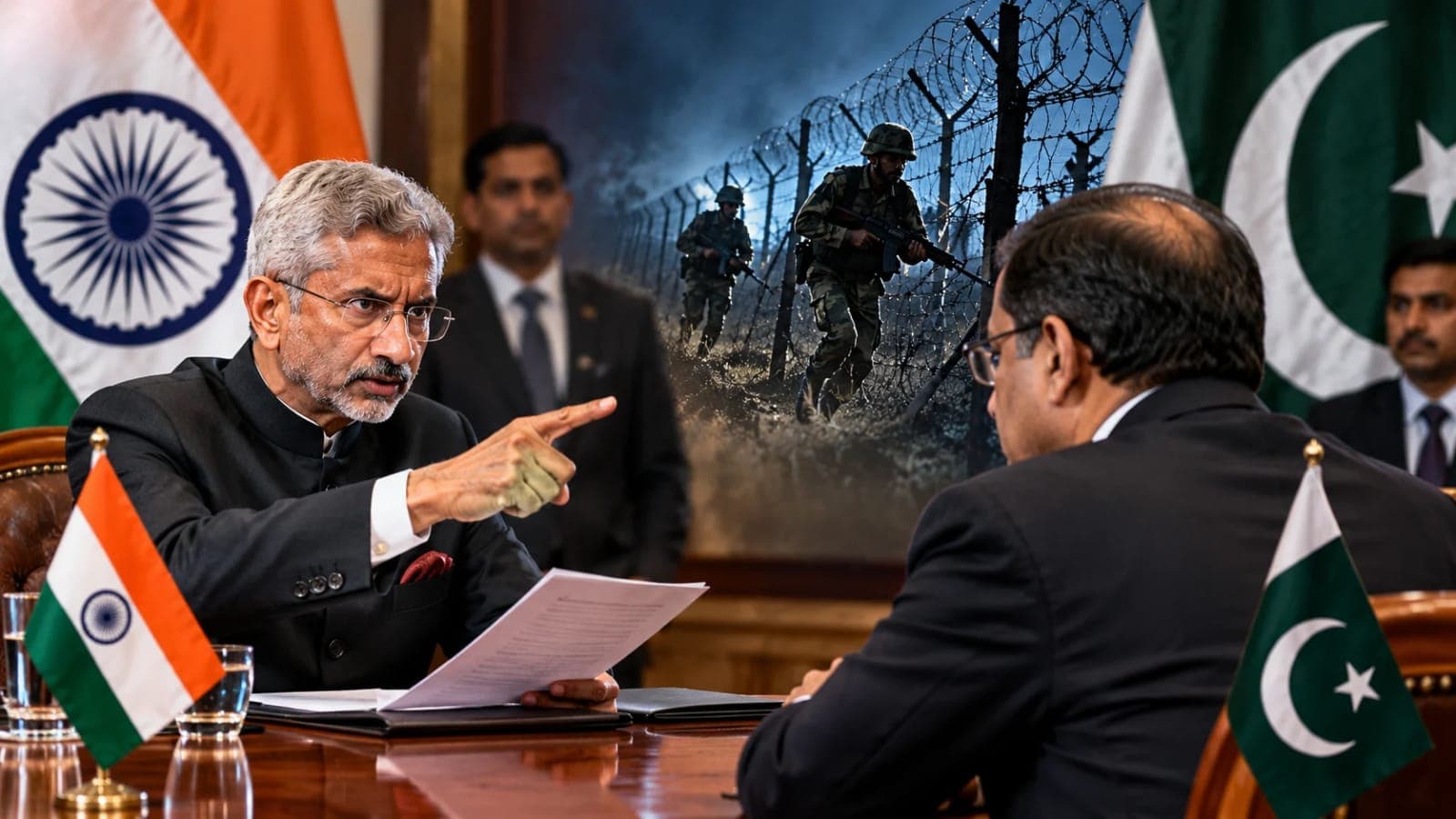
India summoned Pakistan's Charge d'Affaires in New Delhi on October 3, 2026, lodging a strong protest over alleged cross-border infiltration. The move deepened an already tense diplomatic standoff between the two neighbours.
New Delhi rejected Islamabad's account of an October 2 incident in Punjab's Ferozepur sector. It called Pakistan's version of events baseless and motivated.
The summons came just hours after Pakistan summoned India's top diplomat in Islamabad. Both sides traded protests over two separate border incidents within a single day.
What Happened in the Ferozepur Sector on October 2
According to India's Ministry of External Affairs, three individuals crossed into Indian territory in the Ferozepur sector on October 2. The sector lies along the International Border in Punjab.
Border Security Force personnel spotted the intruders and issued multiple warnings. They told the individuals to return to the Pakistani side at once.
The warnings were ignored, the MEA said. The three individuals kept advancing toward the border fence despite repeated calls to turn back.
The BSF then engaged them, judging them an imminent security threat. India summons Pakistan envoy: New Delhi rejected Islamabad's version of the October 2 incident as baseless and motivated.
New Delhi linked the episode to what it called a clear pattern of movement by armed narcotics syndicates operating from Pakistan. The ministry urged Islamabad to investigate the infiltration and the alleged complicity of Pakistani border forces.
India's Strong Protest and Rejection of Pakistan's Claims
The MEA statement was unusually blunt. It accused Pakistan of the continued facilitation of illegal cross-border infiltration.
India categorically rejected what it termed baseless and motivated allegations about the Ferozepur encounter. The phrase left little room for diplomatic ambiguity.
Pakistan was urged to investigate the cross-border infiltration and drug smuggling activities. India also demanded action against the alleged involvement of Pakistan's border guarding forces.
New Delhi further asked Islamabad to respect the sanctity of the International Border. It called on Pakistan to strictly observe bilateral arrangements and prevent any repeat of such incidents.
The protest was delivered directly to the Charge d'Affaires of the Pakistan High Commission. The summoning of an envoy is a formal and serious step in diplomatic practice.
It is worth noting how fast the escalation unfolded. Both summons took place on Saturday, October 3, within hours of each other. The MEA issued a detailed press release the same evening, leaving no doubt about New Delhi's position.
The statement also linked the Ferozepur episode to narcotics trafficking. India has long argued that smuggling networks exploit the Punjab border. The ministry wants those networks investigated alongside the infiltration itself.
The Tarn Taran Killings That Sparked the Row
A day before the Ferozepur protest, blood was spilled in another Punjab border district. BSF personnel shot dead two suspected Pakistani nationals near the Rajoke post in Tarn Taran.
Indian officials said the two men were attempting to cross into Indian territory. They continued advancing even after warnings were issued, according to the BSF's account.
Pakistan disputed that version strongly. Islamabad claimed the two men killed were unarmed civilians, not infiltrators.
It was over this killing that Pakistan first summoned India's Charge d'Affaires. Islamabad lodged its own protest and demanded an investigation into the deaths.
India's summoning of the Pakistani envoy followed within hours. The tit-for-tat summons laid bare how quickly border incidents can spiral into full diplomatic confrontations.
What the Diplomatic Clash Means for Ties
The exchange marks one of the sharpest India-Pakistan confrontations in recent months. Relations have been frozen at a low point for years, with little direct dialogue.
Both countries are now presenting sharply different accounts of what happened near the border. The competing narratives make independent verification difficult.
The drug smuggling angle adds another layer of complexity. India has repeatedly accused Pakistan-based networks of using border crossings for narcotics trafficking.
For now, the MEA has put the ball in Pakistan's court. It wants an investigation, remedial measures and tighter control of movement from the Pakistani side.
Border incidents in Punjab have a history of flaring into bigger crises. Each side's domestic audience watches the response closely. That makes quiet de-escalation harder once protests go public.
Whether Islamabad responds with action or counter-accusations will shape the next chapter. Border calm in Punjab now depends on choices made in both capitals.
Frequently Asked Questions
Why did India summon Pakistan's envoy?
India summoned the Charge d'Affaires of the Pakistan High Commission on October 3 to lodge a strong protest. New Delhi accused Pakistan of facilitating illegal cross-border infiltration. The protest specifically concerned an October 2 incident in the Ferozepur sector of Punjab.
What did India say about the Ferozepur incident?
India said three individuals infiltrated Indian territory and ignored repeated BSF warnings to return. They kept moving toward the border fence, so the BSF engaged them as an imminent security threat. The MEA linked the incident to armed narcotics syndicates operating from Pakistan.
What is Pakistan's version of events?
Pakistan disputed India's account and called for an investigation. Islamabad claimed the two men killed a day earlier in Tarn Taran were unarmed civilians. It summoned India's diplomat in Islamabad to protest those killings first.
What happened in Tarn Taran?
On October 2, BSF personnel shot dead two suspected Pakistani nationals near the Rajoke post in Tarn Taran district. Indian officials said the men were attempting to cross the border and ignored warnings. Pakistan says they were unarmed civilians and has demanded a probe.
What happens next in the row?
India has urged Pakistan to investigate the infiltration and drug smuggling and take remedial measures. It also wants stricter Pakistani control over border movement. How Islamabad responds will determine whether tensions ease or escalate further.
What happens next for global
We will keep this page updated as the story develops rather than publishing a near-duplicate at a new address. Follow Global for related coverage.
Get the Verified Brief
One email each morning with the stories we checked overnight.
Spotted an error? Read our corrections policy and tell the newsroom.