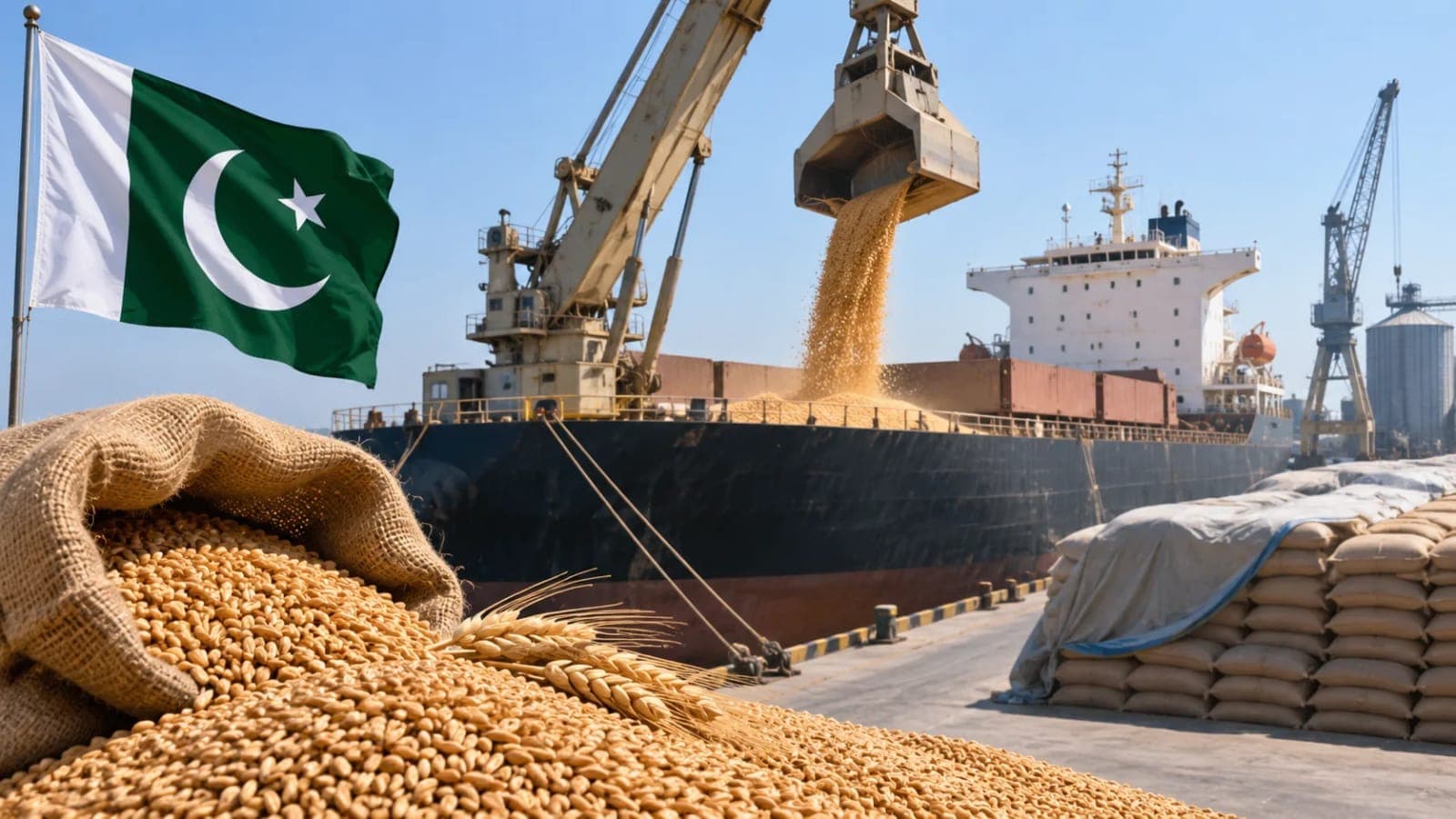

Government raises wheat import ceiling by 150 percent
The wheat import ceiling is now 2.5 million tonnes for 2026-27, approved in principle by the ECC after flour prices rose 5.72 percent in a single week.

By Suleman Mirza · Reporter
Published · Updated · 5 min read
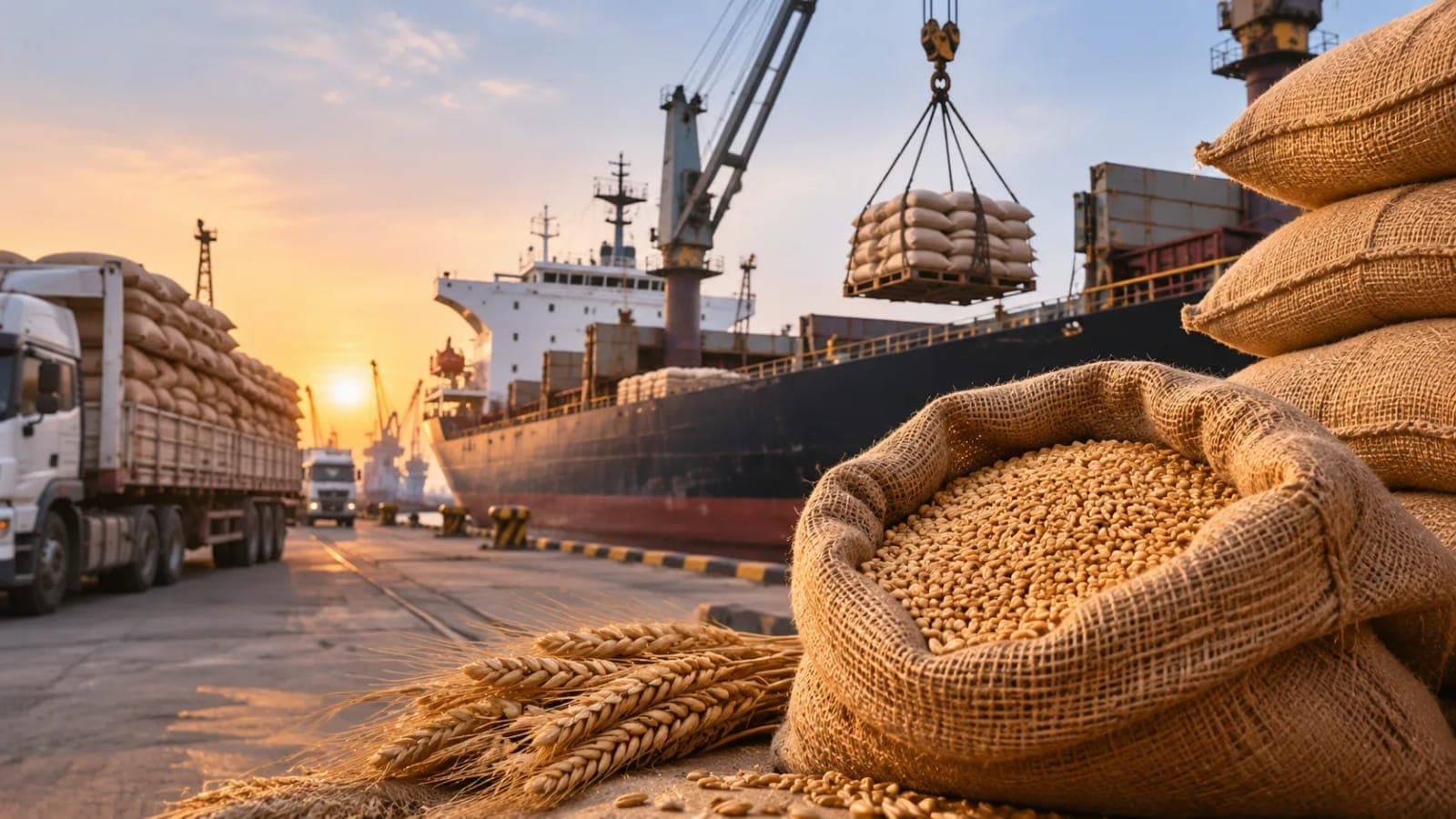
The government has raised the wheat import ceiling to 2.5 million tonnes for Food Year 2026-27, a move aimed at slowing the rise in wheat and flour prices that has kept weekly inflation at 9.49 percent. The decision came at a late-night virtual meeting of the Economic Coordination Committee (ECC) on Friday, chaired by Finance Minister Muhammad Aurangzeb, and it still needs the federal cabinet to ratify it before it takes full effect.
For most households, this is not an abstract economic decision. It is about the price of the flour bag in almost every kitchen. When flour gets dearer week after week, roti and bread get dearer with it.
Why the wheat import ceiling was raised now
Flour has been getting more expensive almost every week. The Pakistan Bureau of Statistics (PBS) reported that wheat flour prices rose 5.72 percent in the week ending 26 November, the sharpest weekly rise of any item it tracks. A 20-kilogram bag of flour now costs Rs3,277.56 on average, up from Rs3,100.19 a week earlier. Over the past year, flour is 53.53 percent dearer, which is why weekly inflation, the Sensitive Price Indicator, stayed high at 9.49 percent, easing only slightly from 10.41 percent.
The ECC meeting was called in a hurry because flour prices have been climbing by 5 to 6 percent a week and supplies are tight. The committee looked at a summary from the Ministry of National Food Security and Research, which asked for the wheat import ceiling to be raised from 1 million tonnes to 2.5 million tonnes. The finance ministry said the higher ceiling gives the government room to meet provincial needs until the next harvest without fresh approvals.
The approval was given in principle and is not final until the federal cabinet ratifies it. A panel led by Deputy Prime Minister Ishaq Dar will oversee the decision.
What the 2.5 million tonne figure means
The wheat import ceiling is a limit, not an order. It sets the maximum the government can bring in during Food Year 2026-27. How much actually arrives will depend on confirmed provincial needs and world market prices. Raising the ceiling does not mean 2.5 million tonnes will be imported, only that the government can import up to that much without another approval.
The provinces have already put in their requests. Punjab has asked for 950,000 tonnes, Sindh for 450,000 tonnes and Khyber Pakhtunkhwa for 300,000 tonnes, though Sindh's figure is still to be confirmed. The provinces' reassessed needs come to about 1.7 million tonnes, which sits well inside the new ceiling. That gap is deliberate, leaving room if demand rises or stocks fall short.
Some of the wheat held in public stores was found unfit for consumption, according to reports of the meeting, which is one reason stocks are under pressure. The government also gave priority berthing to wheat ships at Pakistani ports, so cargoes unload faster and extra port charges are avoided.
What the higher wheat import ceiling means for your kitchen
For households, the honest answer is that flour will not get cheaper overnight. Imports take time to arrange, ship and move into the market, and the ceiling itself does not set the retail price. What it does is remove one of the reasons prices keep climbing: the fear that there will not be enough wheat to go round.
The timing matters for the roti on your table. Flour is the biggest driver of the weekly inflation basket right now, and a 20-kilogram bag has become Rs177 dearer in a single week. If imports arrive in good time, the weekly jumps of 5 percent or more should slow. That is the test to watch over the next few weeks, not the announcement itself.
How we got here matters too. The decision to raise the ceiling came after a delay of about five months, during which flour prices rose by about 54 percent. Pakistan has already been buying wheat from abroad this year, including an 800,000-tonne tender confirmed in a third bidding round earlier this month. The new wheat import ceiling covers the full food year rather than a single purchase. Our earlier report on the 800,000-tonne wheat import tender explains how that purchase was arranged, and the pressure on the crop itself is covered in our report on wheat sowing in Punjab.
What happens next
Three things will decide whether this move works. First, the federal cabinet must ratify the ECC decision. Second, the provinces must confirm their final requirements, because actual imports will follow confirmed demand rather than the ceiling figure. Third, the wheat has to reach the market, which is why the priority berthing decision matters as much as the headline number.
The finance minister told the meeting that wheat needs must be assessed on time, stocks managed well and the federal and provincial governments kept in close touch. The proof will be in the weekly price data. Flour sits at the top of the PBS list right now. If the next few releases show flour rising by smaller amounts, or not at all, the policy is working. Our earlier report on flour prices in Pakistan has the background on how prices reached this point.
Frequently asked questions
Will flour prices fall now that the wheat import ceiling has been raised?
Not at once. Prices will only ease when the wheat actually arrives and reaches mills and markets, and the weekly PBS figures will show whether the rise is slowing.
How much wheat will Pakistan actually import?
That is not fixed yet. The wheat import ceiling is 2.5 million tonnes, but the provinces have so far asked for about 1.7 million tonnes in total. Final volumes will follow confirmed demand and market prices.
Why did flour get so expensive?
Flour rose about 54 percent while the import decision was delayed for five months, and some public stocks were found unfit for use. In the latest week alone, flour rose 5.72 percent.
What happens next for business
We will keep this page updated as the story develops rather than publishing a near-duplicate at a new address. Follow Business for related coverage.
Get the Verified Brief
One email each morning with the stories we checked overnight.
Spotted an error? Read our corrections policy and tell the newsroom.