
IMF Fuel Subsidy Reforms in Pakistan 2026: Will Petrol Prices Increase?
IMF fuel subsidy reforms in Pakistan 2026 could change petrol relief. Explore the IMF's demands, current fuel prices and impact on households.

By News Desk · Verified Pakistan News Desk
Published · 15 min read
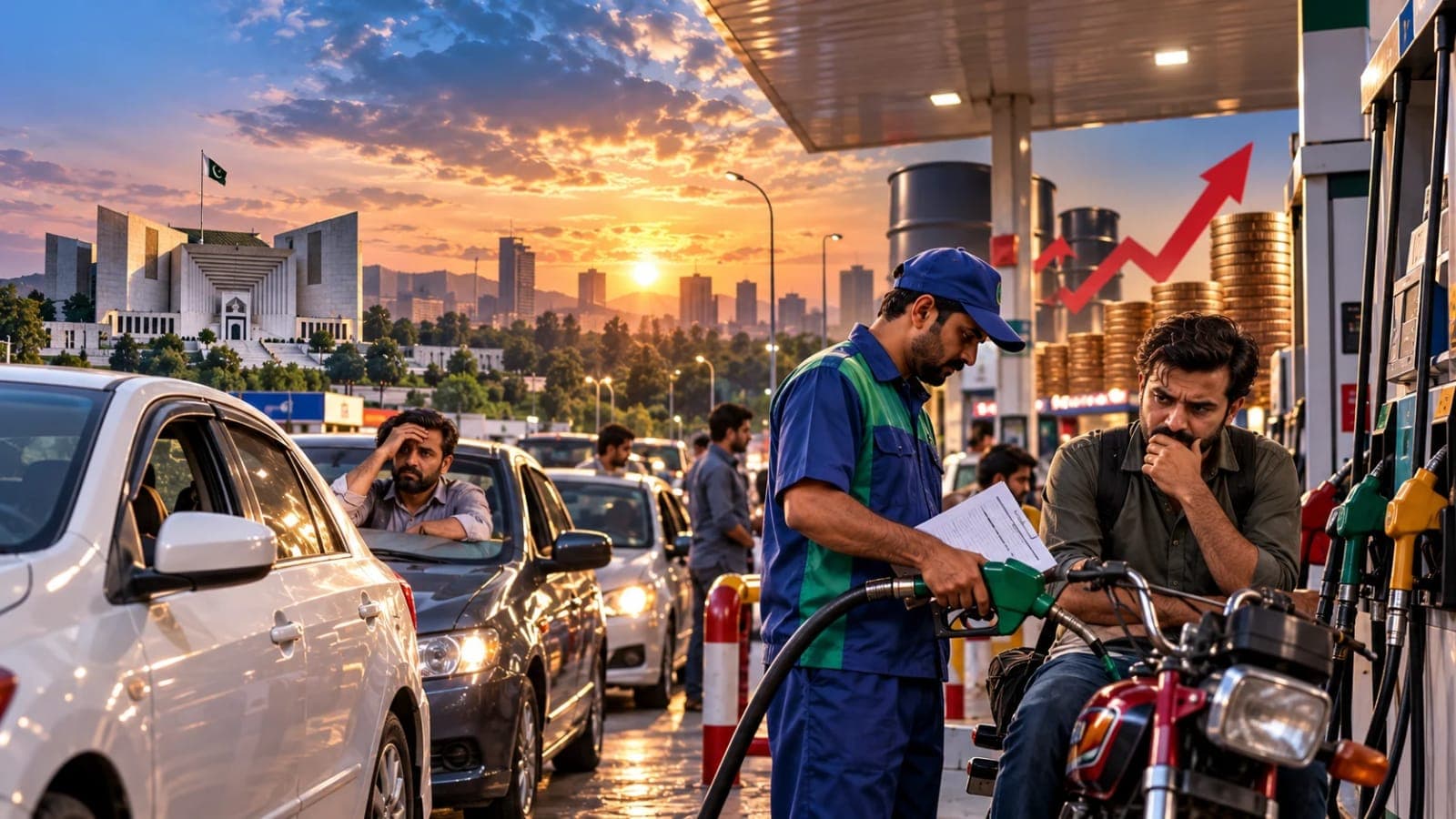
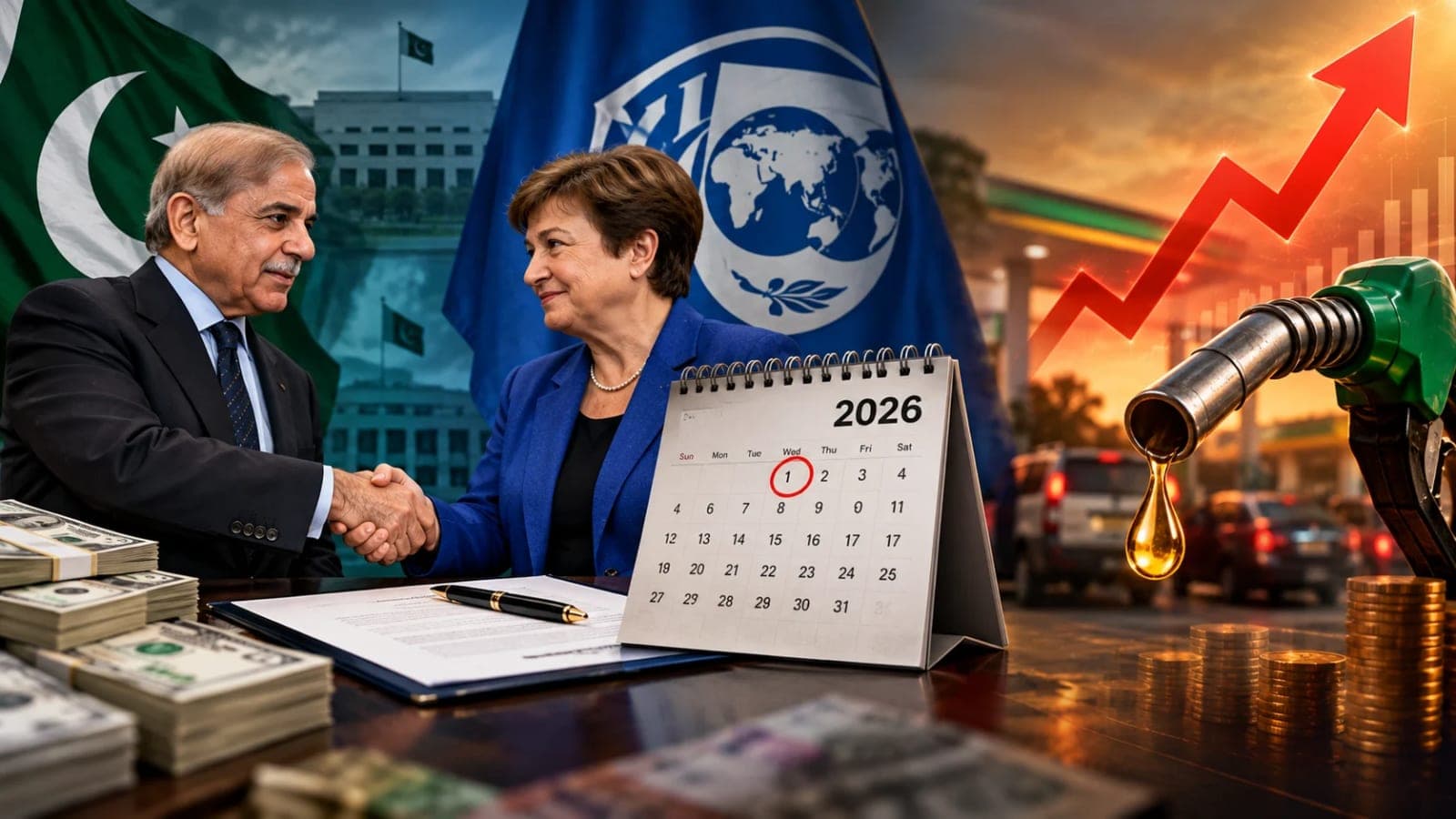
Pakistan's fuel subsidy policy is facing renewed scrutiny after the International Monetary Fund urged the government to withdraw broad petroleum support and replace it with more carefully targeted assistance.
The recommendation comes at a difficult time for consumers, with petrol prices approaching Rs. 400 per litre and households already struggling with higher transportation and living expenses.
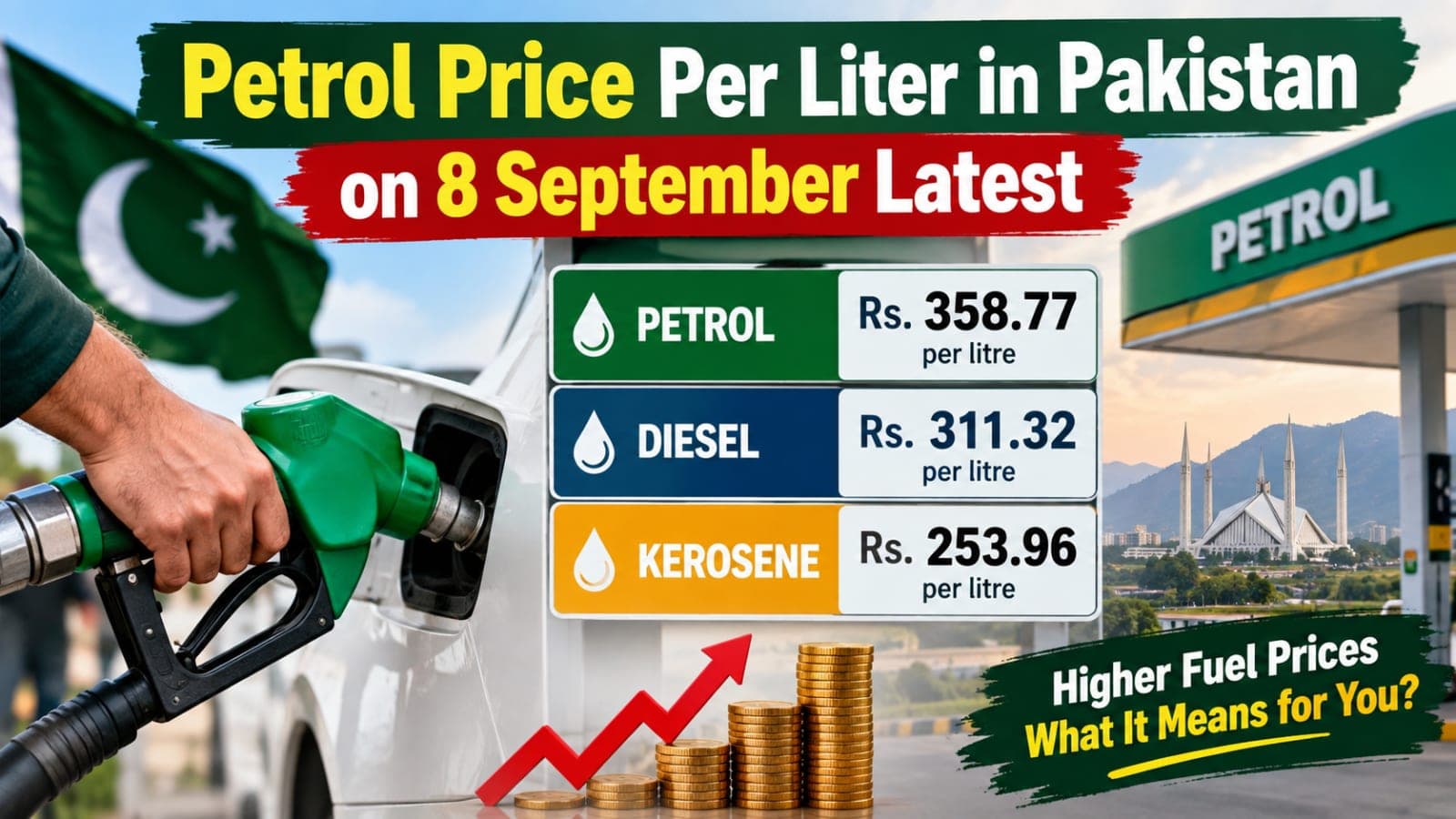
On October 9, 2026, petrol was priced at Rs. 398.96 per litre, while high-speed diesel stood at Rs. 395.72 per litre following another government adjustment.
The IMF's position has raised an important question: will the withdrawal of fuel subsidies make petrol even more expensive?
The answer depends on how the government responds, which support measures are discontinued and how international petroleum markets behave.
The IMF has called for existing broad fuel assistance to be phased out promptly, but that recommendation is not itself a new official petrol price notification.
Understanding the distinction is essential for consumers, businesses and anyone following Pakistan's economic reforms.
What Are the IMF Fuel Subsidy Reforms in Pakistan 2026?
The IMF fuel subsidy reforms in Pakistan 2026 focus on reducing expensive government assistance that benefits a broad range of fuel consumers.
The Fund argues that large-scale subsidies place pressure on public finances and may direct financial support toward people who do not need it most.
Instead, the IMF wants future fuel assistance to reach vulnerable households through established social protection mechanisms.
The recommendation was highlighted following discussions between Pakistan and the IMF under the country's ongoing economic programmes.
The IMF has specifically called for the current fuel support scheme to be phased out because of its cost and broad targeting.
It also stated that any future assistance should be limited in duration and properly funded within the government's budget.
Why the IMF Opposes Broad Fuel Subsidies
A broad subsidy reduces fuel costs for a large group of consumers without necessarily considering their financial circumstances.
For example, assistance based mainly on vehicle ownership or fuel consumption may not accurately identify household poverty.
Some beneficiaries may have greater financial resources than others who receive no support.
The IMF believes that directing limited public funds toward lower-income households can provide more effective protection.
However, targeted programmes also face practical challenges, including identifying eligible beneficiaries and delivering payments efficiently.
What Has the IMF Told Pakistan About Petrol Relief?
The IMF's October 2026 assessment calls for a prompt withdrawal of the existing fuel support arrangement.
It recommends that future relief, if required by another unexpected increase in international oil prices, should follow several conditions.
Assistance should reach a clearly identified group of vulnerable households.
It should be temporary rather than open-ended.
The financial cost should remain within the approved federal budget.
The IMF also wants assistance delivered through established social protection systems where possible.
These recommendations are part of a broader effort to maintain fiscal stability while protecting people most affected by rising living costs.
Does This Mean All Fuel Assistance Will End?
Not necessarily.
The IMF has criticised broad fuel support rather than ruling out every form of assistance.
Its recommendation leaves room for carefully targeted and temporary relief when circumstances justify it.
The government's final approach will determine which households remain eligible and how support is delivered.
As of October 9, the recommendation should not be described as a confirmed announcement that all fuel relief has already ended.
How Pakistan's Existing Fuel Relief Scheme Works
Pakistan introduced a fuel assistance arrangement to reduce the burden of high petrol prices on selected vehicle users.
The scheme provides compensation of Rs. 100 per litre on a limited monthly quantity of petrol for eligible beneficiaries.
According to reporting on the programme, qualifying motorcycle users can receive support on up to 20 litres per month.
Eligible owners of cars with engines up to 800cc can receive support on up to 30 litres per month.
The programme was designed to help consumers facing substantial increases in transportation expenses.
However, its structure has attracted criticism because vehicle category alone does not necessarily establish financial need.
How Much Can an Eligible Motorcyclist Receive?
At Rs. 100 per litre, assistance on 20 litres can amount to Rs. 2,000 in a month.
That represents the maximum support for the specified quantity, assuming the beneficiary satisfies the programme's conditions.
It should not be interpreted as a guaranteed payment to every motorcycle owner.
Eligibility, actual consumption and programme procedures remain relevant.
What About Small-Car Owners?
For an eligible small-car owner, assistance on 30 litres can amount to Rs. 3,000 per month.
Again, this is a calculation based on the reported scheme rather than a universal entitlement.
The IMF's concern is that the programme may provide assistance to beneficiaries with different levels of financial need.
Why Is the Government Under Pressure to Reduce Subsidies?
Subsidies require public funding.
When the government reduces the price paid by consumers or provides compensation, the cost must be covered through available resources.
If international oil prices remain elevated, the total cost of assistance can grow.
Pakistan is also managing debt obligations, development spending, public services and other financial commitments.
That creates difficult choices for policymakers.
Money spent on fuel subsidies cannot simultaneously be used for another budget priority unless additional financing is available.
How Large Has the Programme Become?
October 9 reporting indicated that more than 10 million people had benefited from the fuel support arrangement, with compensation reaching approximately Rs. 10 billion.
These figures illustrate the scale of the programme.
However, the number of beneficiaries and total expenditure can change as applications and payments continue.
The figures should therefore be understood as a reported snapshot rather than a permanent total.
Pakistan Petrol and Diesel Prices on October 9, 2026
The federal government announced another increase in petroleum prices effective October 9.
Petrol rose by Rs. 2.31 per litre, taking the price to Rs. 398.96.
High-speed diesel increased by Re. 0.78 per litre to Rs. 395.72.
The previous prices were Rs. 396.65 for petrol and Rs. 394.94 for diesel.
These revisions came amid continued volatility in international energy markets.
Latest Fuel Prices
| Fuel Type | Previous Price | October 9 Price | Change |
|---|---|---|---|
| Petrol | Rs. 396.65 | Rs. 398.96 | +Rs. 2.31 |
| High-Speed Diesel | Rs. 394.94 | Rs. 395.72 | +Rs. 0.78 |
These are the reported official prices effective October 9, 2026.
They should not be confused with the effective cost faced by individual beneficiaries who may qualify for a separate assistance scheme.
Will Petrol Prices Increase After IMF Subsidy Reforms?
The IMF recommendation does not automatically trigger a new increase in the official petrol price.
Pakistan's retail petroleum prices are affected by international product prices, exchange rates, taxes, levies and other pricing components.
The withdrawal of a compensation scheme can nevertheless increase the effective fuel expense of households that previously received assistance.
For example, a motorcyclist who received Rs. 2,000 in monthly compensation would lose that benefit if the scheme ended without a replacement.
The official pump price could remain unchanged while the person's net monthly transportation expense increased.
This is an important difference between a higher retail price and the removal of financial assistance.
Could Prices Still Fall?
Yes, prices could decrease if relevant market conditions improve and the government passes those changes through.
A decline in international petroleum costs may reduce pressure on domestic prices.
Exchange-rate stability could also help contain import expenses.
However, neither development is guaranteed.
Future prices will depend on actual market conditions and official government decisions.
Why International Oil Prices Matter for Pakistan
Pakistan depends heavily on imported petroleum products and crude oil.
That makes domestic fuel costs sensitive to developments in global energy markets.
Supply disruptions, shipping problems and geopolitical tensions can affect international prices.
Changes in freight charges and insurance costs may also influence the final cost of imported petroleum.
In October 2026, international energy markets have faced uncertainty linked to Middle East developments.
Such volatility makes fuel-price forecasting difficult.
The Role of the Pakistani Rupee
Oil transactions in international markets are generally priced in US dollars.
When the rupee weakens, importing the same dollar-priced quantity becomes more expensive in local currency.
A stronger rupee can reduce some of that pressure.
However, exchange-rate changes are only one component of the final retail price.
Government levies and other charges also matter.
How Fuel Subsidy Changes Could Affect Motorcycle Riders
Motorcycles are widely used in Pakistan for commuting, deliveries and everyday household transportation.
For many workers, petrol is a necessary expense rather than a discretionary purchase.
A person travelling daily to work may have limited ability to reduce fuel consumption.
If monthly compensation is withdrawn, that person could face additional financial pressure.
The effect would depend on actual petrol use and whether the household qualifies for alternative assistance.
Why Delivery Workers Could Be Affected
Delivery riders often travel long distances as part of their work.
Higher effective fuel costs can reduce their take-home earnings unless compensation or delivery rates change.
Some workers may respond by adjusting routes or reducing unnecessary journeys.
However, fuel-saving measures cannot fully offset the loss of assistance for everyone.
This is one reason targeted social protection must consider the practical needs of working households.
What Would Targeted Fuel Assistance Look Like?
A targeted programme would attempt to identify households that genuinely need financial support.
Eligibility could be assessed through existing socioeconomic information and established assistance systems.
Pakistan already operates social protection programmes, including the Benazir Income Support Programme.
The IMF has encouraged the use of established mechanisms for future assistance.
However, the government has not confirmed every operational detail of a replacement fuel-support system.
It would therefore be premature to publish a definitive eligibility list or payment schedule.
Benefits of Targeted Assistance
Better targeting may reduce spending on households that can afford market fuel prices.
It could allow more support to be directed toward financially vulnerable families.
A properly designed programme may also be easier to monitor and evaluate.
Challenges of Targeted Assistance
Some deserving households may not be registered in existing databases.
Others may have outdated information or difficulty accessing digital payment systems.
Delivery delays can also reduce the value of support during periods of rapidly rising prices.
A successful programme must address these practical problems rather than focus only on reducing expenditure.
How the IMF Agreement Connects to Fuel Reforms
Pakistan and the IMF reached a staff-level agreement on October 8, 2026, following programme review discussions.
The agreement concerns the fourth review of the Extended Fund Facility and the third review of the Resilience and Sustainability Facility.
Subject to IMF Executive Board approval, Pakistan could access approximately $1.2 billion in additional financing.
That includes around $1 billion under the Extended Fund Facility and approximately $210 million under the Resilience and Sustainability Facility.
The agreement is intended to support Pakistan's broader economic reform programme.
Has Pakistan Already Received the Money?
A staff-level agreement is an important milestone, but it is not the same as completed disbursement.
The relevant financing remains subject to approval by the IMF Executive Board.
Therefore, reports should not describe the full amount as already transferred to Pakistan merely because the agreement has been reached.
Why Energy Sector Reforms Go Beyond Petrol
The IMF's recommendations are not limited to fuel assistance for motorists.
They also address wider energy-sector problems, including unpaid bills, financial losses and inefficient operations.
Pakistan's electricity and gas sectors face longstanding financial challenges.
The Fund has encouraged timely tariff adjustments, improved recovery and measures to reduce operational costs.
These reforms aim to limit the accumulation of new financial liabilities.
Electricity Sector Concerns
When electricity providers fail to recover their costs, unpaid obligations can accumulate.
This contributes to financial stress throughout the energy system.
Reforms may involve better collection, improved efficiency and changes to pricing arrangements.
However, higher tariffs can place additional pressure on households and businesses.
Protecting vulnerable consumers remains an important policy challenge.
Gas Sector Losses
The IMF has also highlighted the need to reduce losses in the gas sector.
These losses may arise from technical inefficiencies, poor recovery and other operational problems.
Reducing avoidable losses can improve the financial position of energy providers without relying exclusively on price increases.
How Rising Fuel Costs Affect Inflation
Petroleum prices influence more than the cost of driving.
Fuel is used in transportation, agriculture, manufacturing and distribution.
When diesel becomes more expensive, moving goods between cities can cost more.
Businesses may pass part of those additional expenses to customers.
This can affect food prices and other essential products.
However, the impact varies by industry and depends on factors such as competition, existing inventory and profit margins.
Why Food Prices Can Be Affected
Agricultural products often travel through several stages before reaching consumers.
Farmers, transporters, wholesalers and retailers may all incur fuel-related expenses.
Higher transportation costs can therefore add pressure to food prices.
Fuel isn't the only factor involved, but it remains an important component of the supply chain.
What Can Households Do If Fuel Relief Is Reduced?
Families can review their transportation spending and identify practical ways to reduce unnecessary travel.
Combining nearby errands into one journey may help lower petrol consumption.
Regular vehicle maintenance can also improve efficiency.
Motorcyclists should maintain appropriate tyre pressure and address mechanical problems that increase fuel use.
Car owners can avoid excessive idling and plan journeys more efficiently.
However, these steps cannot fully compensate for major price increases.
Households facing serious financial difficulty should monitor official announcements about available social assistance.
What Should Businesses Prepare For?
Companies that rely on transportation should assess how changes in fuel costs affect their operating budgets.
Delivery services, logistics companies and small manufacturers may be particularly sensitive to petroleum price movements.
Businesses can review route planning, vehicle maintenance and purchasing schedules.
They should also distinguish between official pump-price changes and subsidy adjustments that affect individual workers or customers.
Making this distinction can improve budgeting and prevent misleading price assumptions.
Avoid Making Decisions Based on Rumours
Fuel-related headlines often spread rapidly across social media.
A recommendation from the IMF should not be confused with a final government notification.
Likewise, a proposed subsidy reform should not automatically be described as a confirmed increase in petrol prices.
Businesses and consumers should rely on official announcements when making financial decisions.
What Happens Next in Pakistan's Fuel Subsidy Policy?
The government's response to the IMF's recommendations will determine the future of the existing assistance scheme.
Officials may need to consider how quickly broad support can be withdrawn and whether a more targeted arrangement can be introduced.
Any replacement programme would require eligibility rules, funding arrangements and a practical payment system.
Meanwhile, international petroleum prices remain an important source of uncertainty.
The next major developments to watch are official decisions about the fuel support scheme, IMF Executive Board approval of the financing package and subsequent petroleum price notifications.
Conclusion
The IMF fuel subsidy reforms in Pakistan 2026 represent an important policy debate at a time when fuel prices are already placing heavy pressure on households.
The IMF wants Pakistan to move away from costly broad assistance and concentrate future support on vulnerable people through temporary, targeted programmes.
This does not mean the Fund has directly announced a new petrol price.
However, ending the current compensation scheme without an effective replacement could increase the financial burden on eligible motorcycle riders and small-car owners.
For the government, the challenge is balancing budget stability with the needs of people who depend on affordable transportation.
The outcome will depend on how reforms are implemented, how assistance is targeted and what happens in international oil markets.
Frequently Asked Questions
1. Has the IMF ordered Pakistan to increase petrol prices?
The IMF has urged Pakistan to phase out broad fuel subsidies. This is different from issuing an official retail petrol price notification.
2. What is the petrol price in Pakistan on October 9, 2026?
The reported official petrol price is Rs. 398.96 per litre, effective October 9, 2026.
3. How much fuel assistance can eligible motorcycle users receive?
Under the reported scheme, assistance of Rs. 100 per litre applies to up to 20 litres per month, equivalent to a maximum of Rs. 2,000 under those conditions.
4. Will low-income families still receive fuel assistance?
The IMF supports targeted and temporary assistance for vulnerable households. The government must determine the details of any replacement arrangement.
5. Has Pakistan received the latest $1.2 billion IMF financing?
The October 2026 staff-level agreement remains subject to IMF Executive Board approval before the associated financing can be released.
Editorial Disclaimer: Fuel prices, programme eligibility and government policies may change. This article reflects information available on October 9, 2026, and does not predict future petroleum prices.
What happens next for national
We will keep this page updated as the story develops rather than publishing a near-duplicate at a new address. Follow National for related coverage.
Get the Verified Brief
One email each morning with the stories we checked overnight.
Spotted an error? Read our corrections policy and tell the newsroom.