
Online Shopping Scam in Pakistan – How to Report a Fraud
Online shopping scam in Pakistan? Learn 7 key steps to report fraud, preserve evidence, contact NCCIA and protect your money from online shopping scams.

By News Desk · Verified Pakistan News Desk
Published · 7 min read
Online Shopping Scam in Pakistan: What You Should Do
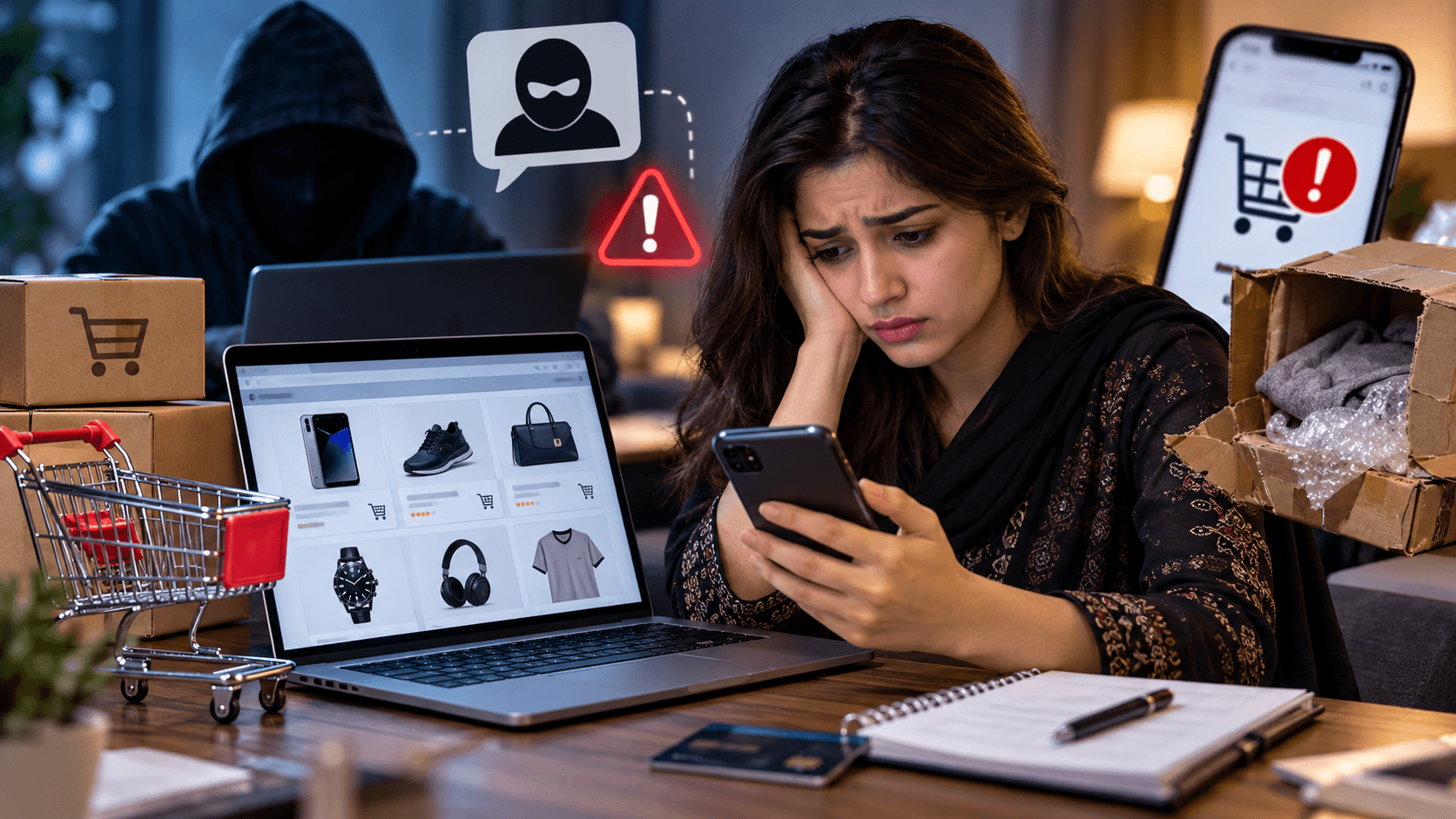
An online shopping scam in Pakistan can happen when a customer pays for a product but receives nothing, receives a completely different item, or discovers that the seller has disappeared after taking payment.
Online shopping has made it easier to buy clothing, electronics, mobile phones, accessories and other products from websites and social media pages. However, fake stores, misleading advertisements and fraudulent sellers can create serious financial problems for customers.
If you believe you have been scammed, act quickly and keep all available evidence. In cases involving online fraud or cybercrime, Pakistan's National Cyber Crime Investigation Agency (NCCIA) provides complaint channels for victims.
7 Key Steps After an Online Shopping Scam
1. Stop Sending More Money
If a seller asks for additional payment after you have already paid, do not send more money until you have verified the transaction.
Scammers may claim that you need to pay additional delivery charges, customs fees, account verification charges or refund processing fees.
Save the messages and payment requests instead of deleting them.
2. Save All Evidence
Evidence can be important when reporting an online shopping scam in Pakistan.
Keep screenshots of:
- Product advertisements
- Seller profiles
- Website pages
- WhatsApp conversations
- SMS messages
- Emails
- Order confirmations
- Payment receipts
- Bank or wallet transaction details
- Tracking information
- Seller's phone number
- Account numbers
- Social media usernames
- Any promises about delivery or refunds
Do not edit or alter screenshots unnecessarily. Keep the original files whenever possible.
3. Contact Your Bank or Payment Service
If you paid through a bank, card, mobile wallet or another payment service, contact the relevant provider as soon as possible.
Give them the transaction details and explain that you believe the payment was connected to fraud.
The faster a suspicious transaction is reported, the sooner the payment provider can review the transaction and explain what options are available.
Do not share your PIN, password or OTP with anyone claiming that they can recover your money. NCCIA specifically warns consumers not to share sensitive financial information and recommends verifying payment details before transferring money.
4. Report the Fraud to NCCIA
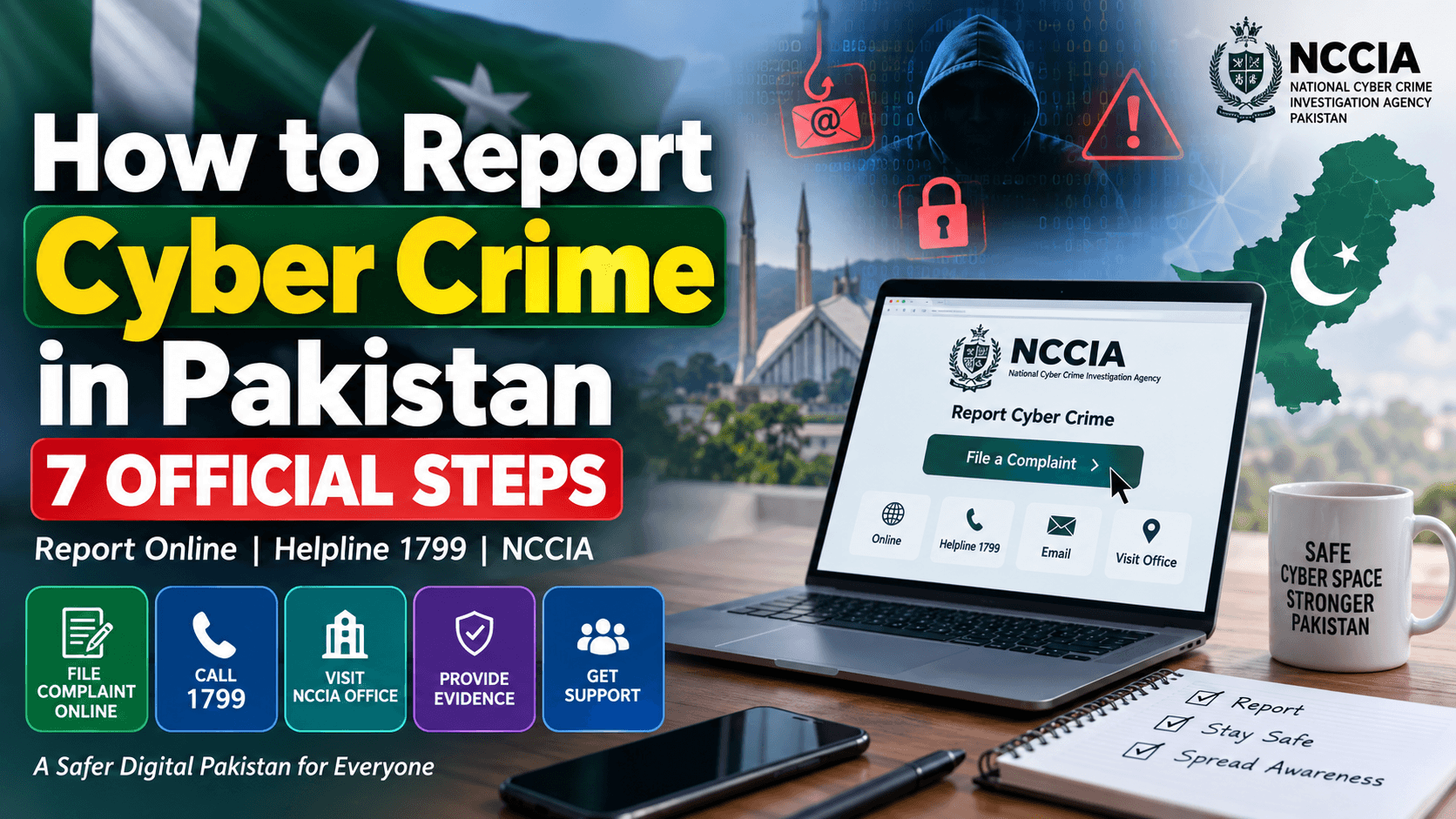
For online shopping fraud involving cybercrime, the National Cyber Crime Investigation Agency (NCCIA) is an important reporting channel.
NCCIA states that victims can report cybercrime through its complaint system, Pakistan Citizen Portal, email or by visiting a Cybercrime Reporting Centre.
The official online complaint form asks for information such as the complainant's name, CNIC, mobile number, city, crime category and details of the incident.
The NCCIA also provides a complaint helpline at 1799.
Official NCCIA complaint portal: NCCIA Complaint Registration
5. Provide Complete Information
When submitting a complaint, provide a clear description of what happened.
Mention:
- Where you found the seller
- What product you ordered
- The advertised price
- Date of purchase
- Amount paid
- Payment method
- Transaction reference
- Seller's contact details
- Expected delivery date
- What happened after payment
- Whether the seller stopped responding
- Whether you received a different or defective product
Attach supporting evidence where the complaint system allows it.
NCCIA says that a written application, CNIC copy and evidence are required for registering a complaint at a Cybercrime Reporting Centre.
6. Keep Your Complaint Reference
After submitting a complaint, keep the complaint number or reference information safely.
You may need it for future correspondence with the relevant authority.
Do not delete your screenshots, receipts, emails or conversations after filing the complaint. Keep the complete record until the matter is resolved.
7. Report the Fake Seller Account
If the scam happened through Facebook, Instagram, TikTok, WhatsApp or another online platform, report the seller's account or listing through the platform's reporting system.
This does not replace a formal cybercrime complaint, but it can document the fraudulent account and alert the platform to suspicious activity.
If other people have been affected, each victim should preserve their own transaction records and evidence.
Common Online Shopping Scams in Pakistan
Online shopping fraud can take different forms.
Fake Online Stores
A scammer may create a website that looks like a legitimate shopping store. Customers place orders and make payments, but the products are never delivered.
Social Media Shopping Fraud
Some fraudulent sellers operate through social media pages or accounts. They may advertise products at unusually attractive prices and request advance payments.
Fake Cash-on-Delivery Offers
Customers may believe that an order is being sent through cash on delivery, but receive a different product or an item of very low value.
Payment Fraud
A seller may send a bank account, wallet number or payment link and request immediate payment. After receiving the money, communication may stop.
Fake Refund Requests
A scammer may claim that a refund is available and then ask the customer for banking information, OTPs or additional payments.
NCCIA warns about phishing, suspicious links and requests for financial information as common forms of online financial fraud.
What Information Should You Keep?
Before filing an online shopping scam in Pakistan complaint, organize your evidence in one folder.
A useful record can include the original advertisement, seller's profile URL, product photographs, order details, payment receipt, bank statement, conversation screenshots and delivery information.
Also record the date and time of important communications.
A complete timeline can make it easier to explain the incident clearly.
Can You Report an Online Shopping Scam Without Going to an Office?
NCCIA's FAQ lists several ways to report a cybercrime, including the NCCIA complaint form, Pakistan Citizen Portal and email. It also states that formal investigation complaints may require visiting a Cybercrime Reporting Centre for verification.
The exact process can depend on the nature of the complaint and the information required by the relevant authority.
Also Read: Gold Price in Pakistan Today – Latest Gold Rate 24K Gold Price Pakistan
FIA Complaint Information
The Federal Investigation Agency also maintains an official public complaint system and publishes information about its functions and complaint channels.
For cybercrime matters, current NCCIA guidance identifies NCCIA as the authorized agency for inquiries, investigations and prosecutions under the cited legal framework.
Therefore, victims should check the current official NCCIA reporting process when submitting an online shopping fraud complaint.
How to Reduce the Risk of Online Shopping Fraud
Before paying an unfamiliar online seller, check the seller's identity, website information, contact details, return policy and customer feedback.
Be particularly careful with offers that appear significantly cheaper than normal market prices.
Avoid clicking suspicious payment links or providing OTPs and passwords to people claiming to represent a bank, courier company or shopping platform.
NCCIA advises consumers to verify payment recipients, protect financial information and regularly monitor account activity.
Final Words
An online shopping scam in Pakistan should be documented and reported rather than ignored. Preserve the advertisement, seller information, conversations, payment records and other evidence.
For cybercrime-related online shopping fraud, NCCIA provides official complaint channels, including its online complaint portal and helpline.
Reporting the incident with accurate information and complete evidence creates an official record of the complaint and allows the relevant authorities to assess the case according to the applicable law.
What happens next for crime
We will keep this page updated as the story develops rather than publishing a near-duplicate at a new address. Follow Crime for related coverage.
Get the Verified Brief
One email each morning with the stories we checked overnight.
Spotted an error? Read our corrections policy and tell the newsroom.