
Pakistan to Export Extra 70,000 Tonnes of Rice to Malaysia by End of 2026
Pakistan rice exports Malaysia get a major boost: 70,000 extra tonnes of basmati secured for Oct-Dec 2026, and farmers stand to gain the most from the deal.

By News Desk · Verified Pakistan News Desk
Published · 8 min read
Pakistan rice exports Malaysia get a major boost: 70,000 extra tonnes of basmati secured for Oct-Dec 2026, and farmers stand to gain the most from the deal.
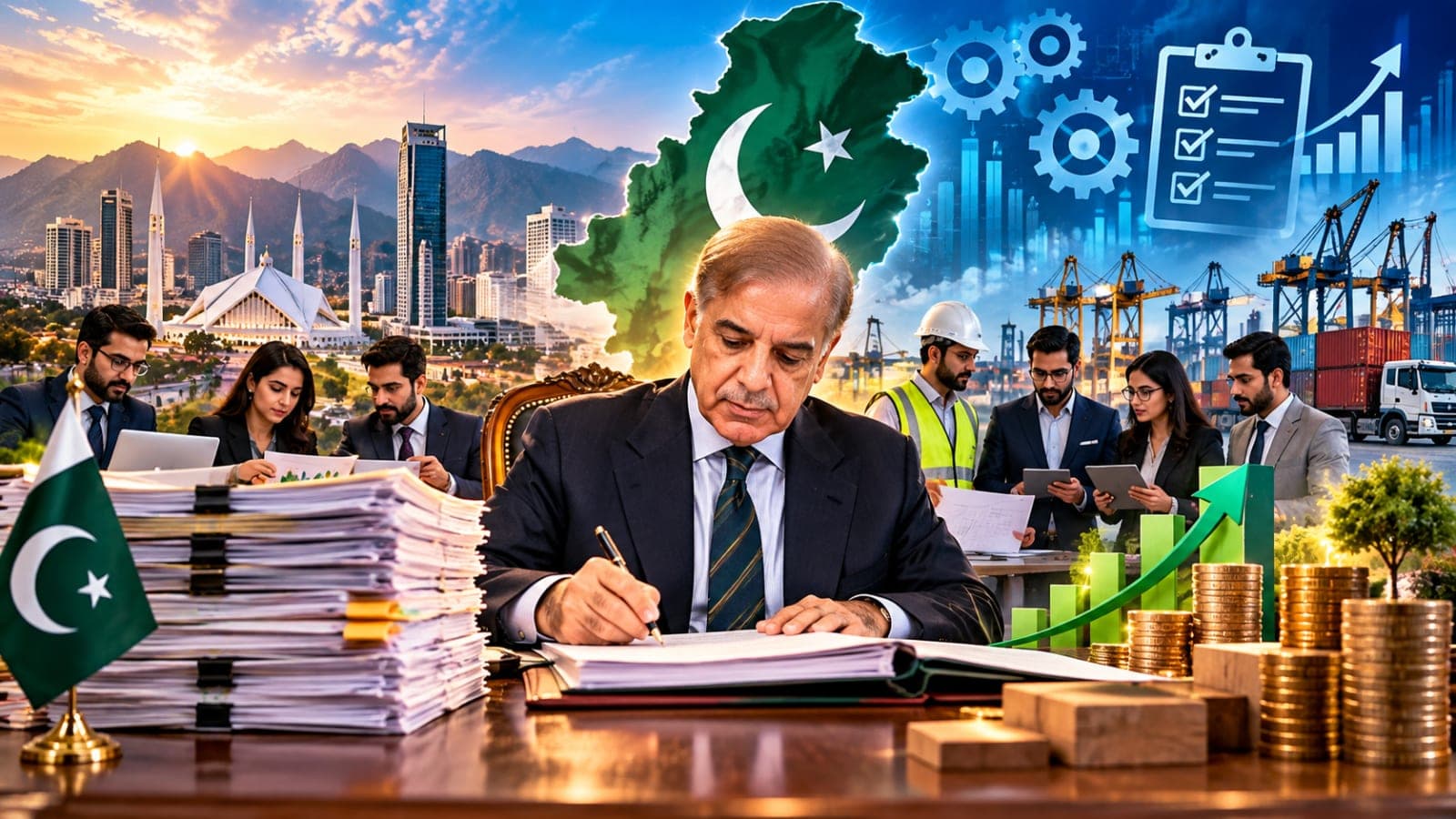
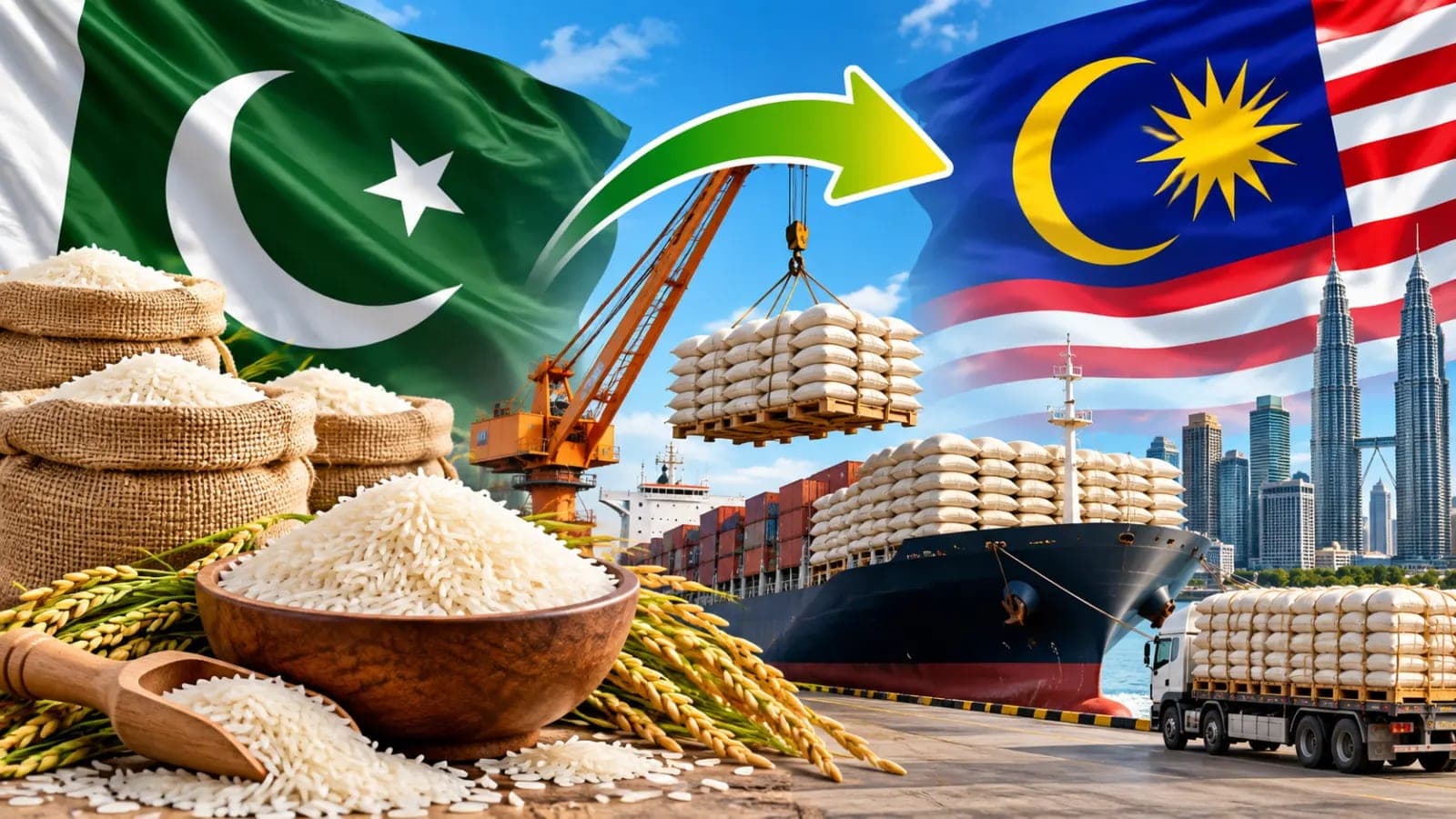
The announcement came on October 3, through a statement from the Prime Minister's Office. Pakistan will export an additional 70,000 metric tonnes of rice to Malaysia between October and December 2026, on top of whatever it was already shipping. The order was secured on the directives of Prime Minister Shehbaz Sharif, who called it a significant step for the farming sector and the national economy.
For a country pushing hard toward export-led growth, this is the kind of deal the government wants more of. It was won not in a boardroom in Islamabad but at a trade fair in Kuala Lumpur, after weeks of quiet diplomatic and commercial legwork. Here is how it happened, why it matters, and what comes next.
How the Pakistan Rice Exports Malaysia Deal Was Sealed
The PM's Office did not leave much doubt about who drove the deal. "Securing the additional export of 70,000 metric tonnes of Pakistani rice is the result of effective diplomatic and commercial efforts on the directives of the prime minister," the statement said.
The groundwork was laid in Kuala Lumpur during the Malaysia International Halal Showcase (MIHAS), held at the Malaysia International Trade and Exhibition Centre from September 23 to 26. Pakistan sent a heavyweight delegation: National Food Security Ministry secretary Amer Ali Ahmed, Commerce Ministry secretary Jawad Paul, representatives of the Rice Exporters Association of Pakistan (REAP), and Pakistan's High Commissioner to Malaysia, Syed Ahsan Raza Shah.
The centrepiece was a meeting with top executives of Padiberas Nasional Berhad (BERNAS), Malaysia's national rice company, which handles rice procurement and imports. The discussions focused on expanding Pakistani rice exports while meeting BERNAS quality standards and requirements. The Pakistani side also held talks with Malaysia's Ministry of Agriculture and Food Security, and with the Department of Islamic Development Malaysia (JAKIM) on halal certification cooperation.
Shehbaz Sharif publicly appreciated the officials who pulled it off, naming Deputy Prime Minister and Foreign Minister Ishaq Dar, National Food Security Minister Rana Tanveer Hussain, Commerce Minister Jam Kamal Khan, and the secretaries of the commerce and food security ministries. The message was clear: this is how trade diplomacy is supposed to work, and the government wants it repeated across other commodities.
Why Malaysia Wants Pakistani Basmati
Malaysia is a natural buyer for Pakistani rice. Pakistan is one of the world's major producers of premium extra-long grain aromatic basmati rice, a variety prized in Asian markets for its fragrance, length and cooking quality. Malaysia, which imports a large share of the rice it consumes, has identified Pakistan as a key potential growth market for commodity trade.
BERNAS sits at the centre of Malaysia's rice trade. As the national rice agency, it manages imports and quality compliance, so winning its confidence is the real gate to the Malaysian market. That is why the Kuala Lumpur talks spent so much time on quality standards and regulatory compliance rather than just volumes. A one-off shipment is easy; becoming a trusted, repeat supplier is the prize.
The numbers underline the potential. Bilateral trade between Pakistan and Malaysia stands at about $1.4 billion a year, according to official data cited by Arab News. Both countries see food security as a shared interest, and rice is only one part of a much wider agricultural relationship that is now being actively built out. For Pakistan's rice exporters, Malaysia is not just another customer, it is a growth story still in its early chapters.
What This Means for Farmers and the Rural Economy
The timing could not be better for farmers. October is harvest season for rice in Punjab and Sindh, which means the extra export demand lands exactly when farmers are selling their paddy. When exporters have orders to fill, mills bid more aggressively for the crop, and that competition feeds directly into the price a farmer gets at the farm gate.
An extra 70,000 tonnes is a meaningful volume. It translates into steady milling work, more loading at ports, more trucks on the road, and more dollars flowing into the economy. Rice is Pakistan's most valuable food export and a major cash crop for hundreds of thousands of farming families. Deals like this turn a good harvest into better incomes.
It is worth being honest about one thing: this does not change the price of rice in Pakistani shops overnight. Analysts at trade publications note that such agreements are government-to-government and exporter-level arrangements, and their effect shows up gradually through demand and export orders, not through instant retail price cuts. The people who feel it first are farmers, millers and exporters, not consumers.
Still, for the rural economy the direction is what matters. Every new market reduces Pakistan's dependence on a handful of traditional buyers. When a farmer in Gujranwala or Larkana knows there is strong export demand behind his crop, he invests more in the next season. That is how trade deals quietly lift an entire value chain.
Beyond Rice: Halal Meat, Certification and Regulatory Reforms
Rice is only the beginning of the plan. The same statement confirmed that Pakistan is working to expand its meat exports to Malaysia. Last October, the two countries announced a $200 million halal meat trade quota, and the Kuala Lumpur talks reviewed progress under the memorandum of understanding between JAKIM and the Pakistan Halal Authority. Discussions also covered poultry, fisheries, fruits, animal vaccines and biosecurity controls.
None of this works without easier trade rules, which is why the prime minister paired the export announcement with a push on regulatory reform. On the same day, Shehbaz Sharif chaired a meeting on making the regulatory system more effective and business friendly. He directed authorities to create a regulatory registry that compiles every rule and requirement under one system, and called for the Ease of Doing Business Act to be implemented across all provinces so businesses get the same facilities everywhere.
He also pointed to the modernization of the Drug Regulatory Authority of Pakistan (DRAP) as a model, and said similar reforms should be brought to other regulatory institutions. Third-party validation of regulations was also on the agenda. The underlying logic is simple: securing export orders abroad means little if exporters at home drown in red tape.
Taken together, the week painted a picture of a government trying to sell more to the world while making it easier to do business at home. The Malaysia rice deal is the first headline result. If the halal meat, certification and reform tracks deliver too, October 2026 could be remembered as the month Pakistan's agricultural export push finally got its second wind.
Sources: Profit by Pakistan Today (https://profit.pakistantoday.com.pk/2026/10/03/pakistan-secures-additional-70000-tonne-rice-exports-to-malaysia-for-oct-dec-2026), Arab News Pakistan (https://www.arabnews.pk/pakistan/malaysia-pakistan-agree-to-boost-cooperation-in-rice-trade-halal-certification-and-food-security-3002547)
FAQs
How much rice will Pakistan export to Malaysia under the new deal?
Pakistan will export an additional 70,000 metric tonnes of rice to Malaysia between October and December 2026, the Prime Minister's Office announced on October 3. This is on top of Pakistan's existing rice shipments to Malaysia and was secured through diplomatic and commercial efforts at the Malaysia International Halal Showcase in Kuala Lumpur.
When will the rice shipments go to Malaysia?
The additional 70,000 tonnes are scheduled for shipment during the last quarter of 2026, from October through December. The timing lines up with Pakistan's rice harvest season in Punjab and Sindh, when exportable supply is at its peak.
Who negotiated the deal with Malaysia?
A Pakistani delegation led by National Food Security Ministry secretary Amer Ali Ahmed and Commerce Ministry secretary Jawad Paul, along with REAP representatives and High Commissioner Syed Ahsan Raza Shah, met top BERNAS executives in Kuala Lumpur. The effort was directed by Prime Minister Shehbaz Sharif, who publicly appreciated Deputy PM Ishaq Dar, ministers Rana Tanveer Hussain and Jam Kamal Khan, and the ministry secretaries.
Why is Malaysia an important market for Pakistani basmati?
Malaysia imports much of the rice it consumes and is one of the world's key buyers, while Pakistan is a major producer of premium extra-long grain aromatic basmati. BERNAS, Malaysia's national rice company, controls imports, so Pakistan's focus on meeting its quality standards positions Pakistani exporters as trusted repeat suppliers in a growing market.
What else is Pakistan trying to sell to Malaysia?
Beyond rice, Pakistan is working to expand meat exports under a $200 million halal meat trade quota announced last October. The two sides are also cooperating on halal certification between JAKIM and the Pakistan Halal Authority, and discussing poultry, fisheries, fruits, animal vaccines and biosecurity controls. The prime minister also pushed regulatory reforms at home to make exporting easier.
What happens next for business
We will keep this page updated as the story develops rather than publishing a near-duplicate at a new address. Follow Business for related coverage.
Get the Verified Brief
One email each morning with the stories we checked overnight.
Spotted an error? Read our corrections policy and tell the newsroom.