
Petrol Price in Pakistan Cut to Rs346 Per Litre Until Nov 10
Petrol price in Pakistan has fallen to Rs346 per litre after the fifth straight cut, with diesel at Rs378. New rates, taxes and what drivers should expect.

By News Desk · Verified Pakistan News Desk
Published · Updated · 8 min read
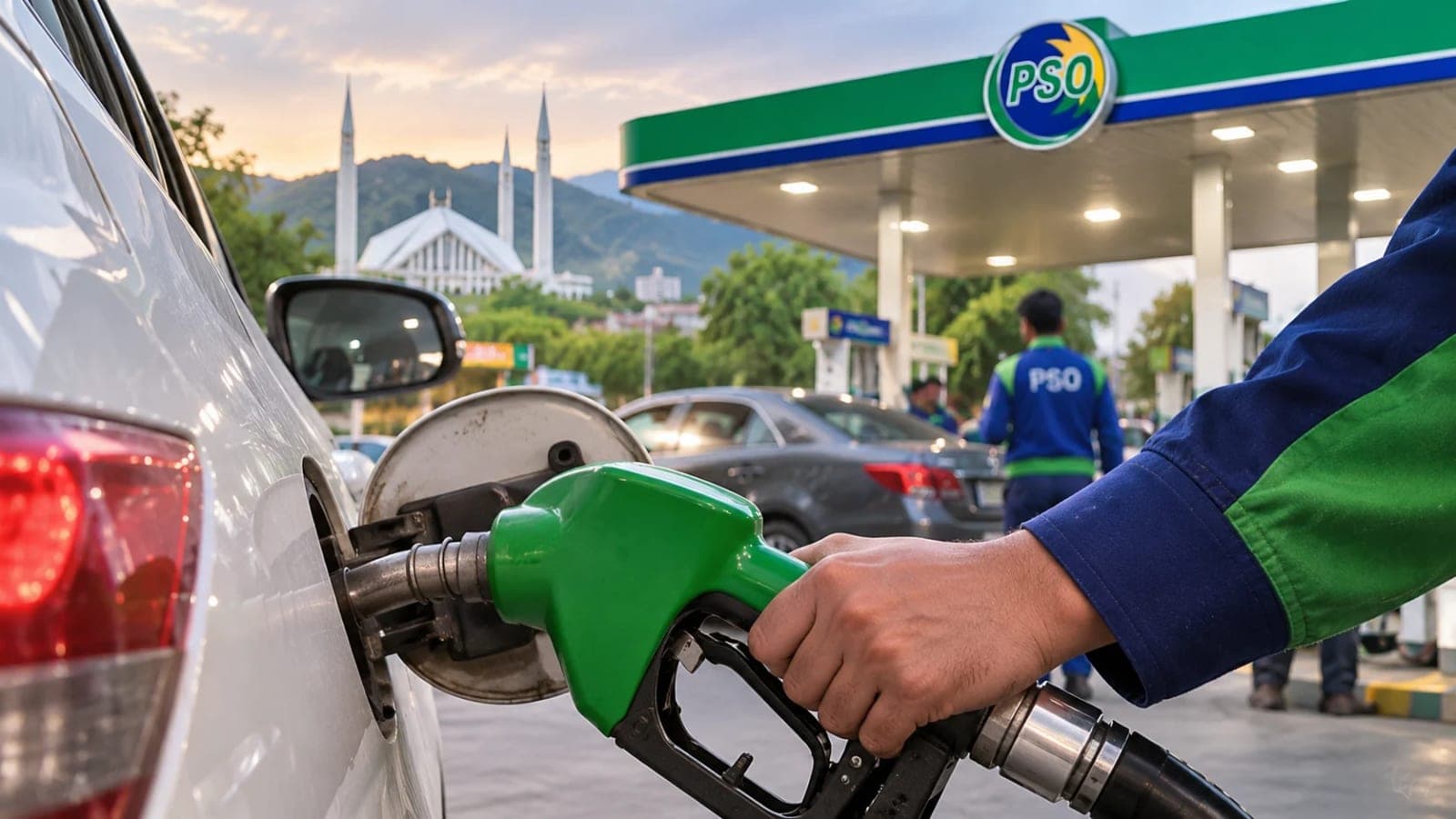
The petrol price in Pakistan fell again on Friday, as the government cut the rate by Rs6.59 per litre to Rs346 per litre in the fifth consecutive reduction in fuel prices. High speed diesel also became cheaper by Rs4.25 per litre, taking its price down to Rs378 per litre. The new rates came into effect on Nov 7 and will remain in force until Nov 10, 2026. The Oil and Gas Regulatory Authority, OGRA, issued the notification on Nov 6, 2026, under the daily price review mechanism that now governs fuel prices in the country.
Before this cut, petrol was selling at Rs352.59 per litre and diesel at Rs382.25 per litre. The latest reduction therefore takes the petrol price in Pakistan Rs6.59 lower than it was only a day earlier. For a country where fuel prices feed directly into the cost of transport, food and everyday goods, every rupee off the pump price matters to households and businesses alike. Transporters, shopkeepers and daily commuters all feel the effect of a change at the pump within days, because fuel is built into the price of almost everything that moves by road.
The fall in prices over the past week has been sharp. According to PakWheels, the petrol price in Pakistan has dropped by Rs31.91 per litre since Oct 31, when it stood at Rs377.91 per litre. Diesel has fallen by Rs24.96 per litre over the same period, down from Rs402.96 per litre to Rs378 per litre. The figures show that the relief at the pump is not a one day event but the result of a run of cuts that has continued for five rounds in a row. In less than a week, the cost of filling a tank has come down by a clear margin, and drivers who buy fuel every few days are already noticing the difference.
Petrol price in Pakistan: new rates from Nov 7
The notified rates are simple. Petrol now costs Rs346 per litre and high speed diesel costs Rs378 per litre. The rates apply from Nov 7 to Nov 10, 2026. The four day window is shorter than the old fortnightly cycle because Nov 9 is a public holiday, and the next revision will follow after the holiday. OGRA issued the notification on Nov 6, 2026, and the new prices took effect the next morning. Anyone who filled up on Nov 6 paid the old rate of Rs352.59 per litre for petrol and Rs382.25 per litre for diesel, while anyone filling up from Nov 7 pays the new, lower rates.
How the daily review mechanism works
One reason the cuts have come so quickly is the change in how prices are set. OGRA now publishes fuel prices every day under a daily review mechanism, which means prices can move every morning instead of changing once a fortnight. Under the old system, drivers waited two weeks to learn the new price. Under the daily system, the price can be revised each day in line with changes in the market. Drivers who check the petrol price in Pakistan each morning will therefore see the fresh rate before they fill up, rather than waiting two weeks for the next announcement.
The daily mechanism also means that prices can move up as well as down, so the relief of the past few days is not a promise that prices will keep falling. What it does mean is that any change, in either direction, will reach the pump quickly.
Petrol price in Pakistan: what the cut means for drivers
For motorists, the cut brings immediate relief. A litre of petrol now costs Rs6.59 less than it did a day earlier, and a litre of diesel costs Rs4.25 less. Diesel is the fuel that powers trucks, buses and farm machinery, so a lower diesel price can ease the cost of moving goods across the country. Transporters have long said that diesel makes up a large share of their running cost, and any fall in its price helps them keep fares and freight charges in check.
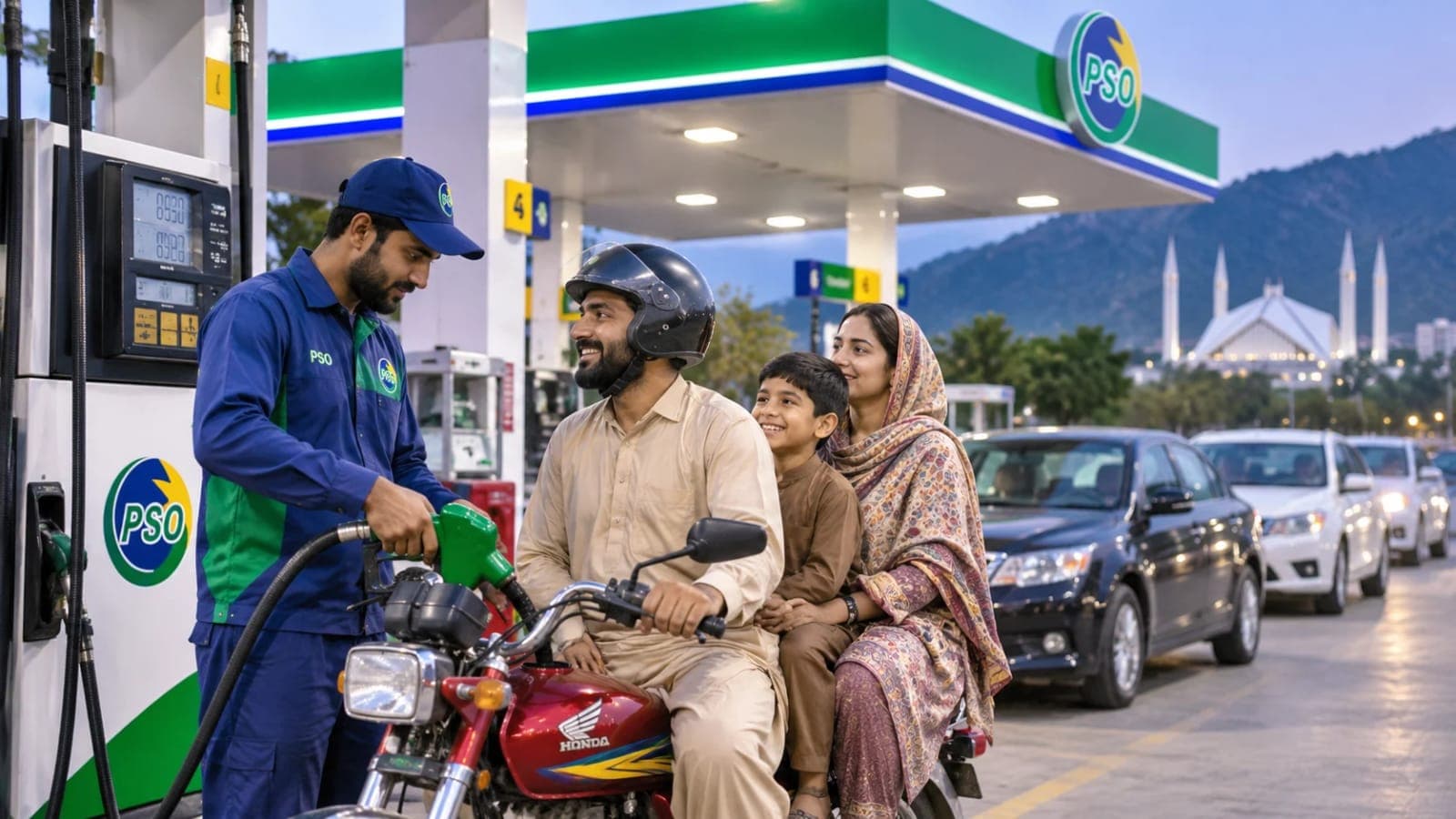
The petrol price in Pakistan is also watched by owners of cars and motorcycles, who make up the largest group of fuel buyers in the country. For a family that uses a motorcycle every day to get to work, or a car to take children to school, a lower pump price leaves a little more money in the household budget at the end of the week.
The effect goes beyond private vehicles. Public transport, goods transport and farm operations all run on diesel, so a cut in the diesel price can slow the rise in the cost of vegetables, grain and other goods that travel by road. That is one reason a fuel price cut is welcomed far beyond the petrol station. It does not solve the wider problem of inflation on its own, but it removes one source of pressure on prices at a time when households are already stretched.
Taxes on petrol and diesel stay the same
Taxes and duties on fuel have not changed in this round. The government is still collecting about Rs114 per litre in taxes and duties on petrol and about Rs100 per litre on diesel. The petrol price in Pakistan still carries about Rs114 per litre in taxes, so roughly a third of what a driver pays at the pump goes to the government rather than to the cost of the fuel itself. That means the relief at the pump has come from the fall in the underlying cost of fuel, not from a cut in taxes.
The Petroleum Division notified the new prices, and Petroleum Minister Ali Pervaiz Malik is the minister in charge of the sector at a time when fuel prices are being watched closely by consumers, transporters and traders. Because taxes make up such a large part of the pump price, any future change in the tax rate would have a bigger effect on what drivers pay than a small move in the market price, but no such change has been announced.
LPG price set at Rs294.08 per kg
Along with petrol and diesel, the price of liquefied petroleum gas has also been set by OGRA. LPG is priced at Rs294.08 per kg. LPG is used by households for cooking in areas without piped gas and by many small businesses, so its price matters to a large number of families. The petrol price in Pakistan often dominates the headlines, but the LPG rate is just as important for homes that rely on cylinders. A change in the LPG price is felt in the kitchen, just as a change in the petrol price is felt on the road.
What happens next will depend on the daily review. Under the new system, OGRA can revise prices every morning, so the rates announced for Nov 7 to Nov 10 are not fixed for a fortnight. If market prices move, the local pump price can move with them the next day.
For now, though, the direction is clear. The petrol price in Pakistan has fallen five times in a row, and the latest cut has taken it to Rs346 per litre, a level not seen in recent weeks. The petrol price in Pakistan is now the lowest it has been in recent weeks, and the fifth cut in a row has given drivers real relief.
Motorists, transporters and businesses will be hoping the run of relief continues, but they will also know that the daily mechanism can move prices in either direction. The sensible habit now is to check the notified rate each morning, because the price at the pump is no longer something that stays the same for two weeks at a time.
What is the new petrol price in Pakistan?
The petrol price in Pakistan is now Rs346 per litre. The rate came into effect on Nov 7, 2026, after a cut of Rs6.59 per litre, and it will remain in force until Nov 10, 2026.
What is the new diesel price?
High speed diesel now costs Rs378 per litre, after a cut of Rs4.25 per litre. Before the cut, diesel was selling at Rs382.25 per litre. The petrol price in Pakistan and the diesel price are both notified by OGRA under the daily review mechanism.
How many times in a row have fuel prices fallen?
This is the fifth consecutive cut in fuel prices. Since Oct 31, petrol has fallen by Rs31.91 per litre from Rs377.91, and diesel has fallen by Rs24.96 per litre from Rs402.96.
Will the petrol price in Pakistan change again tomorrow?
It can do. OGRA now publishes prices every day under a daily review mechanism, so the rate can move each morning. The rates notified on Nov 6 run until Nov 10 because Nov 9 is a public holiday.
Have taxes on petrol changed?
No. Taxes and duties are unchanged at about Rs114 per litre on petrol and about Rs100 per litre on diesel. The relief at the pump has come from the fall in the underlying cost of fuel.
What happens next for business
We will keep this page updated as the story develops rather than publishing a near-duplicate at a new address. Follow Business for related coverage.
Get the Verified Brief
One email each morning with the stories we checked overnight.
Spotted an error? Read our corrections policy and tell the newsroom.