Petrol Price Cut by Rs2.93 in Pakistan as Diesel Rises 61 Paisas From 13 October
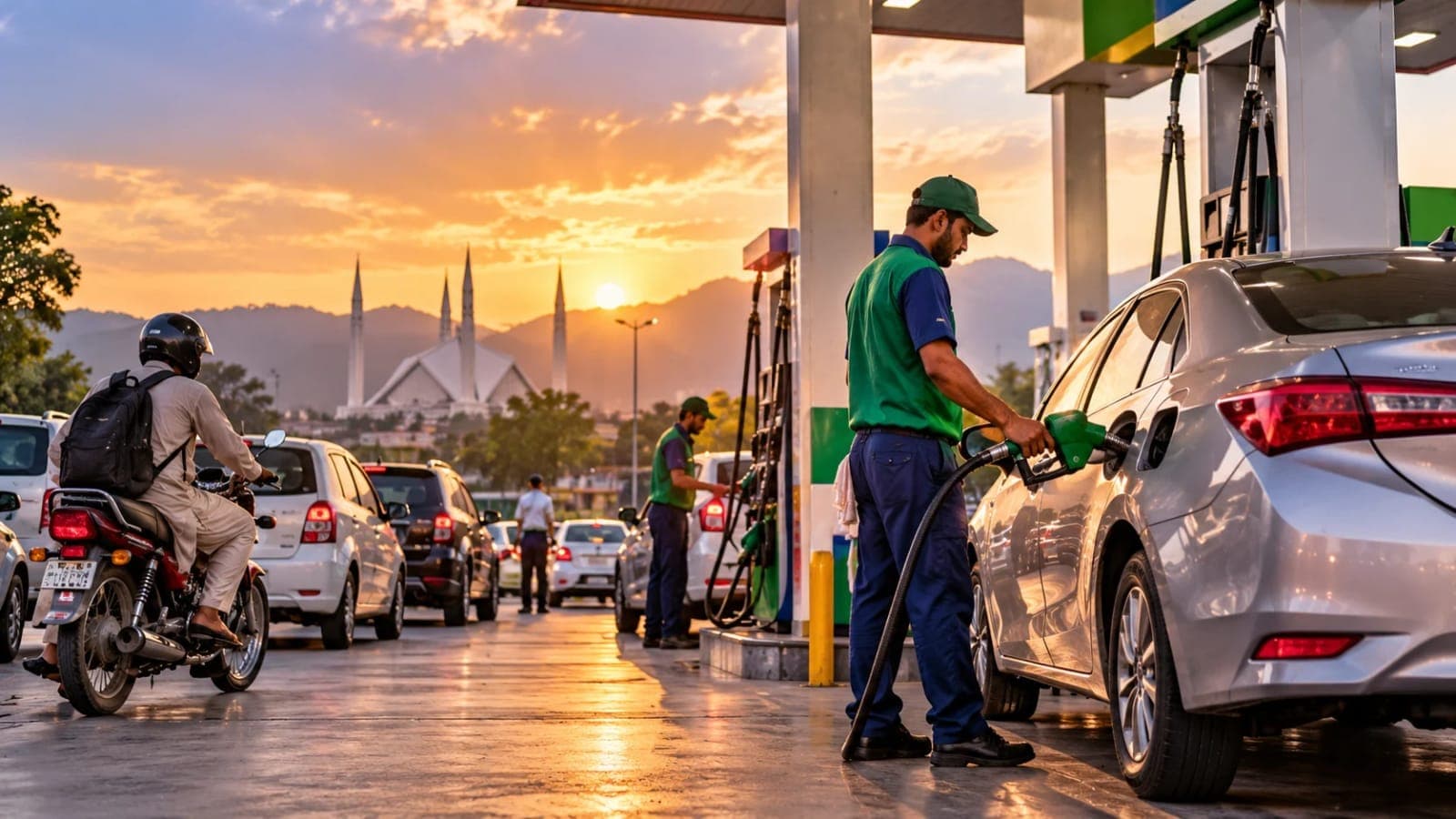
The petrol price in Pakistan has been cut by Rs2.93 per litre to Rs395.37, effective 13 October 2026, while high-speed diesel rose by 61 paisas under the new daily review system.

By News Desk · Verified Pakistan News Desk
Published · 5 min read
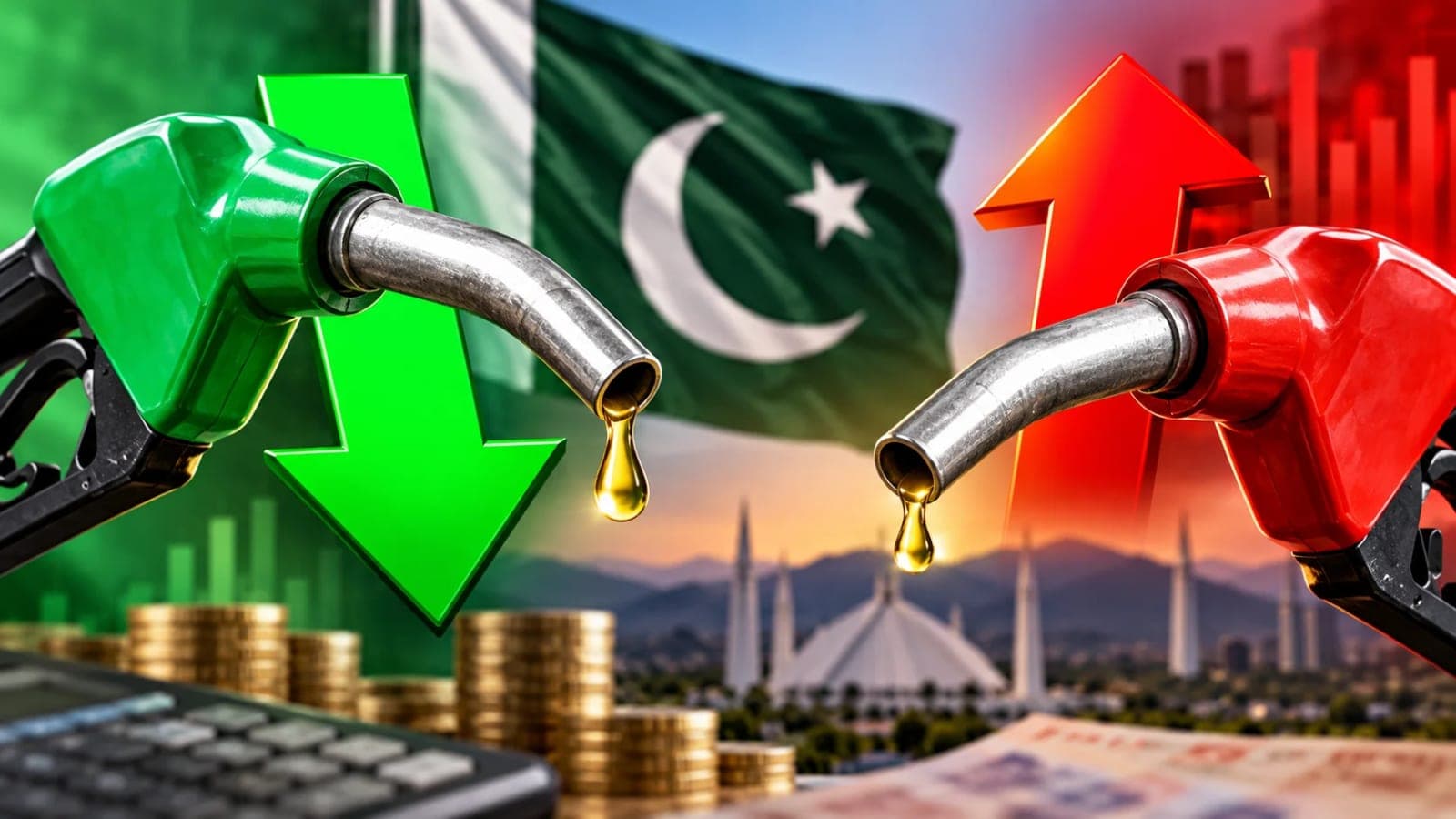
The petrol price in Pakistan fell to Rs395.37 per litre after the Rs2.93 cut took effect on Tuesday, October 13.
The federal government announced the change on Monday through an OGRA and Petroleum Division notification. High-speed diesel, in contrast, rose by 61 paisas to Rs396.85 per litre.
The move brings small relief to car and motorbike users. Transporters and farmers, who depend on diesel, face higher costs instead.
What changed at midnight
Petrol down Rs2.93, diesel up 61 paisas
Petrol now costs Rs395.37 per litre, down from Rs398.30. The Rs2.93 cut applies from 13 October 2026.
High-speed diesel rose from Rs396.24 to Rs396.85 per litre. The 61-paisa hike reverses part of the relief diesel users had seen earlier.
The notification was issued on 12 October 2026. It came through the Petroleum Division after OGRA worked out the new rates.
Petrol stations across the country updated their boards overnight. Long queues were not reported, as the change was modest. Dealers said the switch was smooth because OGRA had circulated the rates in advance.
A new daily review mechanism
Fuel prices will now be reviewed every day instead of every fortnight. OGRA will set prices on a 7-day average of international Platts rates.
The regulator will publish the daily price without waiting for the prime minister's approval. Prices fixed on Friday will hold over the weekend.
Officials say the system will make adjustments smaller and more frequent. Big fortnightly jumps and drops should become rare.
The Petroleum Division notification confirmed the new mechanism alongside the revised rates. Consumers can now track changes daily rather than guessing every two weeks.
The 2026 price journey
From Rs253 to the April peak
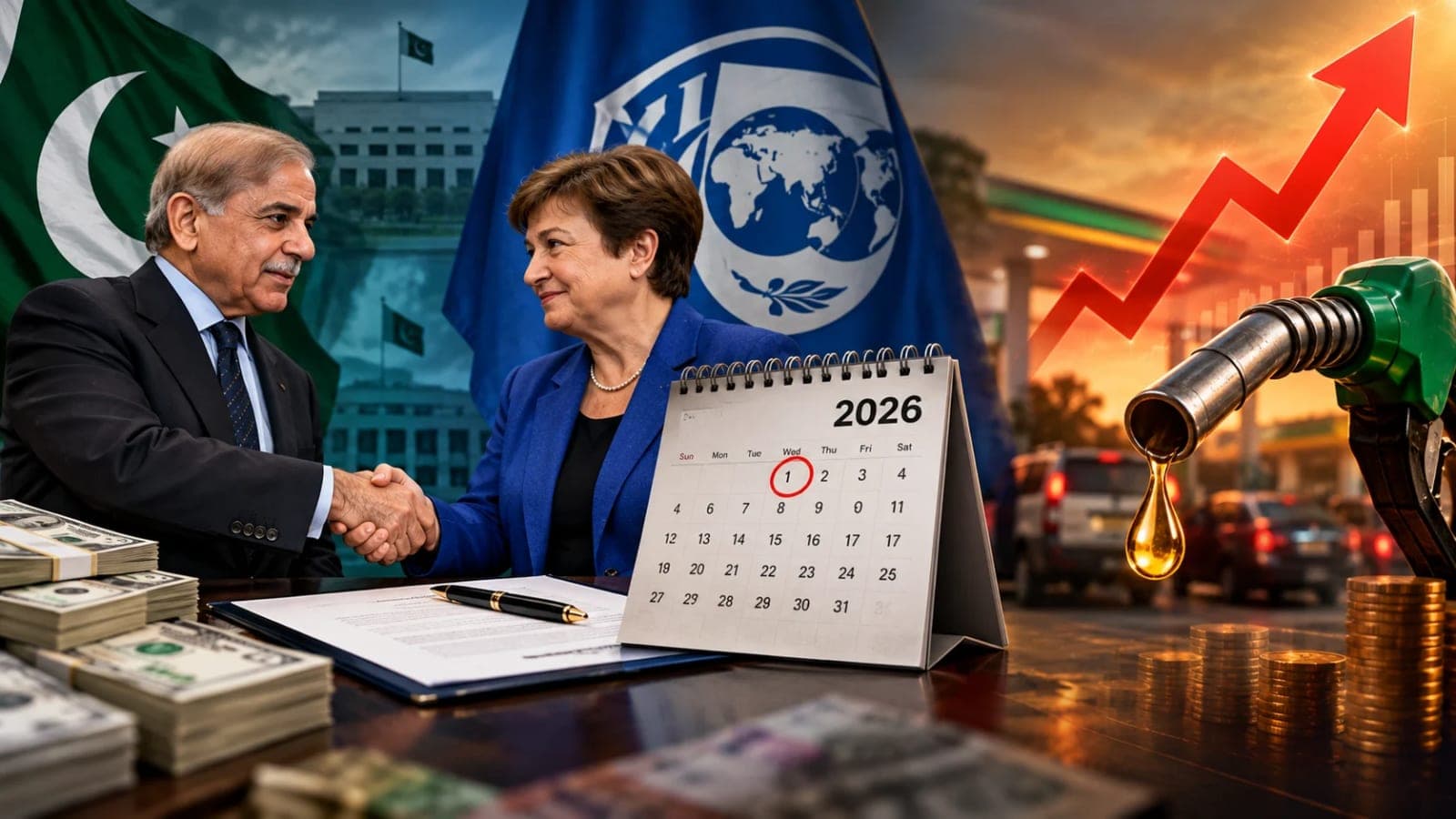
Petrol has climbed by about Rs145 per litre since 1 January 2026. It stood at Rs253.17 at the start of the year.
Diesel has risen by roughly Rs139 in the same period, from Rs257.08. Both fuels hit record peaks in April 2026.
Petrol touched Rs458.41 per litre that month. Diesel soared to Rs520.35, its highest ever.
Those April highs strained every household budget. The current petrol price is more than Rs60 below that peak. Even so, it remains far above what most families paid two years ago.
What pushed prices up
Global crude prices and a weaker rupee drove much of the rise. Higher petroleum levies added to the burden on consumers.
The April peak squeezed household budgets across the country. Transport fares and goods prices climbed in response.
Since then, prices have eased in steps. Tuesday's cut continues that gradual slide for petrol.
Analysts say the levies remain the largest fixed component. Any future relief will depend on global markets and the exchange rate.
Who feels it most
Relief for bikes and cars
Motorbike riders are the biggest winners from the cut. A full tank now costs noticeably less than it did on Monday.
Car owners and ride-hailing drivers also gain. Every rupee matters when fuel eats a large share of monthly income.
Urban commuters may see fares stabilise. Transporters, however, are unlikely to cut fares over a Rs2.93 change.
For daily wage earners who ride to work, even small cuts help. Fuel is often their second-biggest expense after food. Ride-hailing fares have not moved, but drivers keep more of each trip.
Costlier transport and farming
The diesel hike hits goods transport hardest. Trucks and buses run on diesel, so freight costs will edge up.
Farmers face higher costs for tractors and tube wells. Diesel powers much of the harvest season machinery.
Profit reported that the mixed revision leaves transporters and growers paying more. Rising freight costs often reach shop shelves as dearer food.
Consumers may feel the diesel hike indirectly. Vegetables, grains and other goods travel to market on diesel. Traders say wholesale rates usually move within days of a diesel change.
What comes next
Daily tweaks instead of fortnightly jumps
Under the new system, prices will move a little almost every day. The 7-day Platts average smooths out sharp swings.
Analysts say this brings Pakistan closer to global practice. Many countries adjust pump prices daily.
The change also removes political timing from announcements. OGRA's daily chart becomes the reference for everyone.
Market watchers expect smaller but steadier changes. Pumps will display the new rate each morning before opening. Sudden Rs10 shocks should be a thing of the past.
How to read OGRA's new daily chart
Check the OGRA or Petroleum Division notification each morning. The published rate is final and needs no further approval.
Friday's price stays in force on Saturday and Sunday. Plan fuel purchases around the daily trend.
Small daily moves add up over weeks. Tracking them helps households and businesses budget better. Geo News tracks the daily rates for quick reference. Bookmarking it saves a trip to the pump just to check the board.
Frequently asked questions
What is the new petrol price in Pakistan?
Petrol costs Rs395.37 per litre from 13 October 2026. That is Rs2.93 lower than the previous Rs398.30.
What is the new diesel price?
High-speed diesel costs Rs396.85 per litre, up 61 paisas from Rs396.24. The hike took effect on the same day.
How does the new daily price review work?
OGRA sets prices daily on a 7-day average of international Platts rates. The regulator publishes them without prior approval from the prime minister.
How much have fuel prices risen in 2026?
Petrol is up about Rs145 per litre since 1 January, when it was Rs253.17. Diesel is up roughly Rs139 from Rs257.08.
Why did petrol fall but diesel rise?
Petrol and diesel follow different international benchmarks. This cycle's Platts average favoured petrol but pushed diesel slightly up.
What happens next for business
We will keep this page updated as the story develops rather than publishing a near-duplicate at a new address. Follow Business for related coverage.
Get the Verified Brief
One email each morning with the stories we checked overnight.
Spotted an error? Read our corrections policy and tell the newsroom.