UNDP 2026 Report: 38.3% of Pakistanis Face Multidimensional Poverty
The new multidimensional poverty Pakistan report from UNDP puts the country's rate at 38.3 percent: nearly 100 million people, more than double the rates in India and Bangladesh.

By News Desk · Verified Pakistan News Desk
Published · Updated · 5 min read
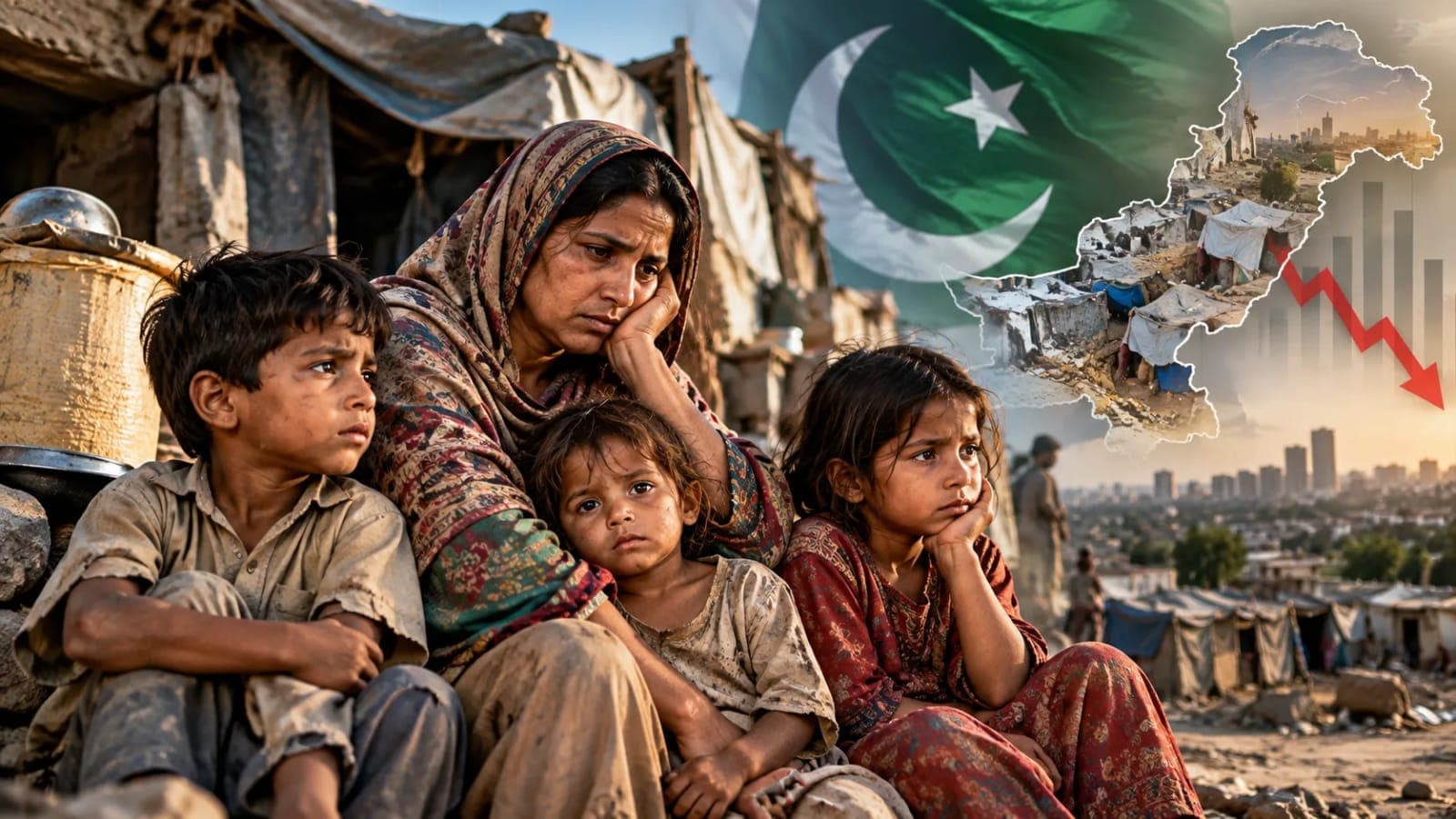
The new multidimensional poverty Pakistan figures were released on 12 October 2026, in the UNDP Global Multidimensional Poverty Index 2026. The report was produced with the Oxford Poverty and Human Development Initiative, known as OPHI.
It puts Pakistan's multidimensional poverty rate at 38.3 percent, with an MPI value of 0.198. The intensity of deprivation stands at 51.7 percent, which means the average poor person faces deprivation in more than half of the weighted indicators.
A further 12.9 percent of the population is classified as vulnerable, living just above the multidimensional poverty line. Nearly 100 million Pakistanis live in multidimensional poverty, more than twice the rate in India and Bangladesh.
The 38.3 percent figure in detail
The headline number captures poverty as it is actually lived, not just as income on paper. The MPI looks at overlapping deprivations across health, education and living standards. A person counts as poor when deprived in at least one third of the weighted indicators.
How the index is measured
The index tracks ten indicators in three dimensions. Health covers nutrition and child mortality. Education covers years of schooling and school attendance. Living standards cover sanitation, drinking water, electricity, housing, cooking fuel and household assets.
What the numbers actually mean
An intensity of 51.7 percent is high by any standard. It means the average multidimensionally poor Pakistani is deprived in more than half of the indicators that make up the index. This is not a narrow shortfall. It is poverty across many fronts at once.
The 12.9 percent who are vulnerable matter too. They sit close to the line and could be pushed over it by a single shock, such as illness, a failed crop or the loss of work.
How Pakistan compares with its neighbours
The report places Pakistan well above its South Asian peers. India records 16.4 percent multidimensional poverty with an MPI value of 0.069. Bangladesh stands at 14.9 percent with an MPI value of 0.067.
India, Bangladesh, Nepal and Sri Lanka
Nepal's rate is 13.9 percent. Sri Lanka, at 2.9 percent, has the lowest rate in the region. Pakistan's 38.3 percent is more than double the rates of India and Bangladesh, and the regional average for South Asia is around 19.3 percent.
Why the comparisons need a caveat
There is an important footnote to these comparisons. The surveys behind the numbers were taken in different years. Pakistan's data comes from a 2017-18 survey, while India's comes from 2019-21 and Bangladesh's from 2022.
Experts say this means the figures are not strictly comparable. Economic conditions shifted between survey years, and methods were not identical everywhere. The comparisons are still useful, but they should be read with that warning in mind.
Nearly 100 million people behind the numbers
Percentages can feel abstract. The human scale is harder to ignore. On a 2024 population basis, about 96.32 million Pakistanis are multidimensionally poor, according to reporting on the UNDP release. The original 2017-18 survey counted 86.99 million.
From 86.99 million to 96.32 million
The jump reflects population growth since the survey was carried out. The underlying rate has not been refreshed with new national data, so the 96.32 million figure is an estimate rather than a fresh count.
Education is the biggest driver
Education is the largest contributor to Pakistan's MPI. Children who never enter school, children who drop out, and adults who never had the chance to study all feed into the index. Schooling is also the deprivation governments can most directly reduce.
Why this report matters now
The 2026 edition lands in a worrying global context. For the first time in 15 years, the number of people living in multidimensional poverty worldwide has gone up instead of down.
A global reversal after 15 years of progress
The report finds 1.2 billion people in multidimensional poverty globally, an increase of 51.5 million. Among them are 617 million children. About 83 percent of the world's multidimensionally poor live in rural areas.
Conflicts, climate shocks and the long tail of the pandemic have all played a part, as the Dawn coverage of the release makes clear.
Other measures tell a similar story
The MPI does not stand alone. The World Bank's $4.20 a day poverty line puts 44.7 percent of Pakistanis below the threshold. The Social Policy and Development Centre estimated 43.5 percent in March 2026.
Frequently asked questions
What is multidimensional poverty?
It is poverty measured across health, education and living standards, not just income. A person is counted as poor when deprived in at least one third of the index's weighted indicators. This captures how poverty is actually experienced day to day.
What is Pakistan's multidimensional poverty rate?
The UNDP's 2026 report puts it at 38.3 percent, with an MPI value of 0.198 and an intensity of deprivation of 51.7 percent. A further 12.9 percent of the population is vulnerable to falling into multidimensional poverty.
How does Pakistan compare with India and Bangladesh?
Pakistan's rate is more than double theirs. India stands at 16.4 percent and Bangladesh at 14.9 percent, with MPI values of 0.069 and 0.067. But the surveys were taken in different years, so the figures are not strictly comparable.
How many people does this affect in Pakistan?
The 2017-18 survey counted 86.99 million multidimensionally poor people. On a 2024 population basis, that translates to roughly 96.32 million, which is an estimate rather than a fresh count.
Why does the report say education matters most?
Education is the largest contributor to Pakistan's MPI. Gaps in schooling and school attendance drive the index more than any other dimension. That also makes schooling the most direct lever for policy action.
What happens next for national
We will keep this page updated as the story develops rather than publishing a near-duplicate at a new address. Follow National for related coverage.
Get the Verified Brief
One email each morning with the stories we checked overnight.
Spotted an error? Read our corrections policy and tell the newsroom.