Punjab Makes Biometric Verification Mandatory for Birth, Death and Marriage Certificates
Punjab introduces NADRA biometric checks for birth, death and marriage certificates through a new digital civil registration system.

By News Desk · Verified Pakistan News Desk
Published · Updated · 11 min read
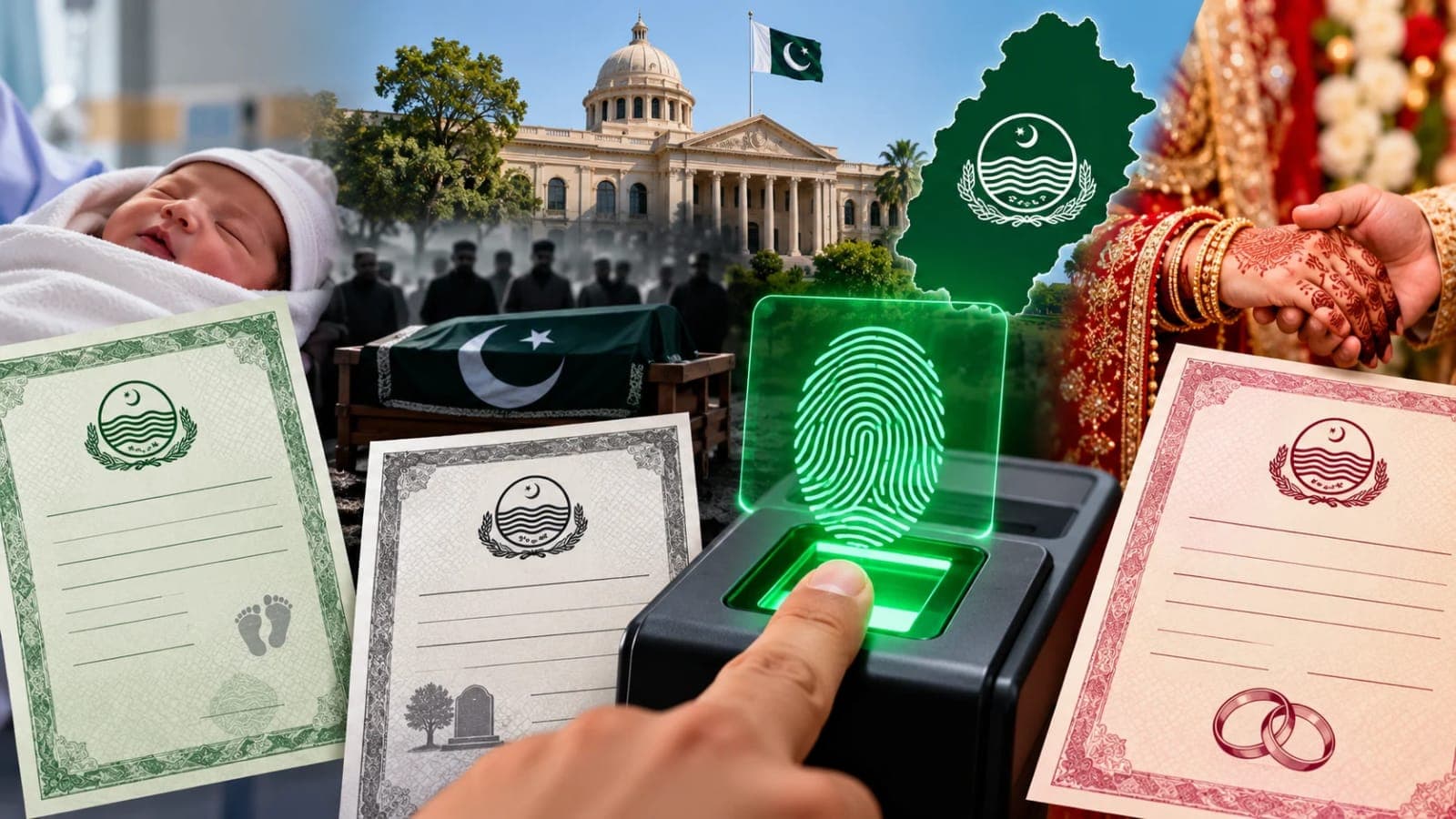
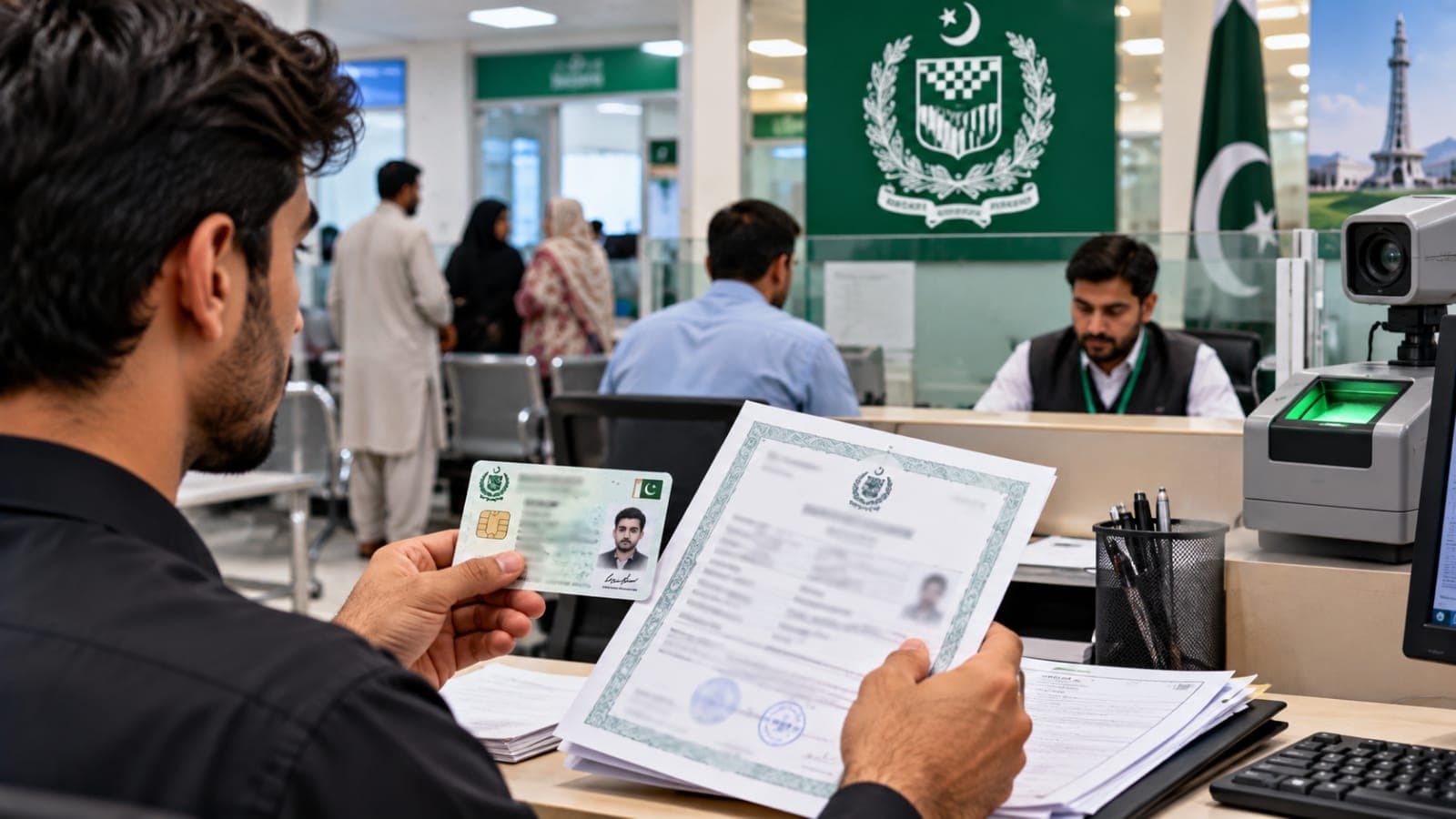
The Punjab government has introduced biometric verification for the registration and issuance of birth, death and marriage certificates at union councils, introducing an additional identity-checking requirement intended to prevent fraudulent records and improve the reliability of civil registration.
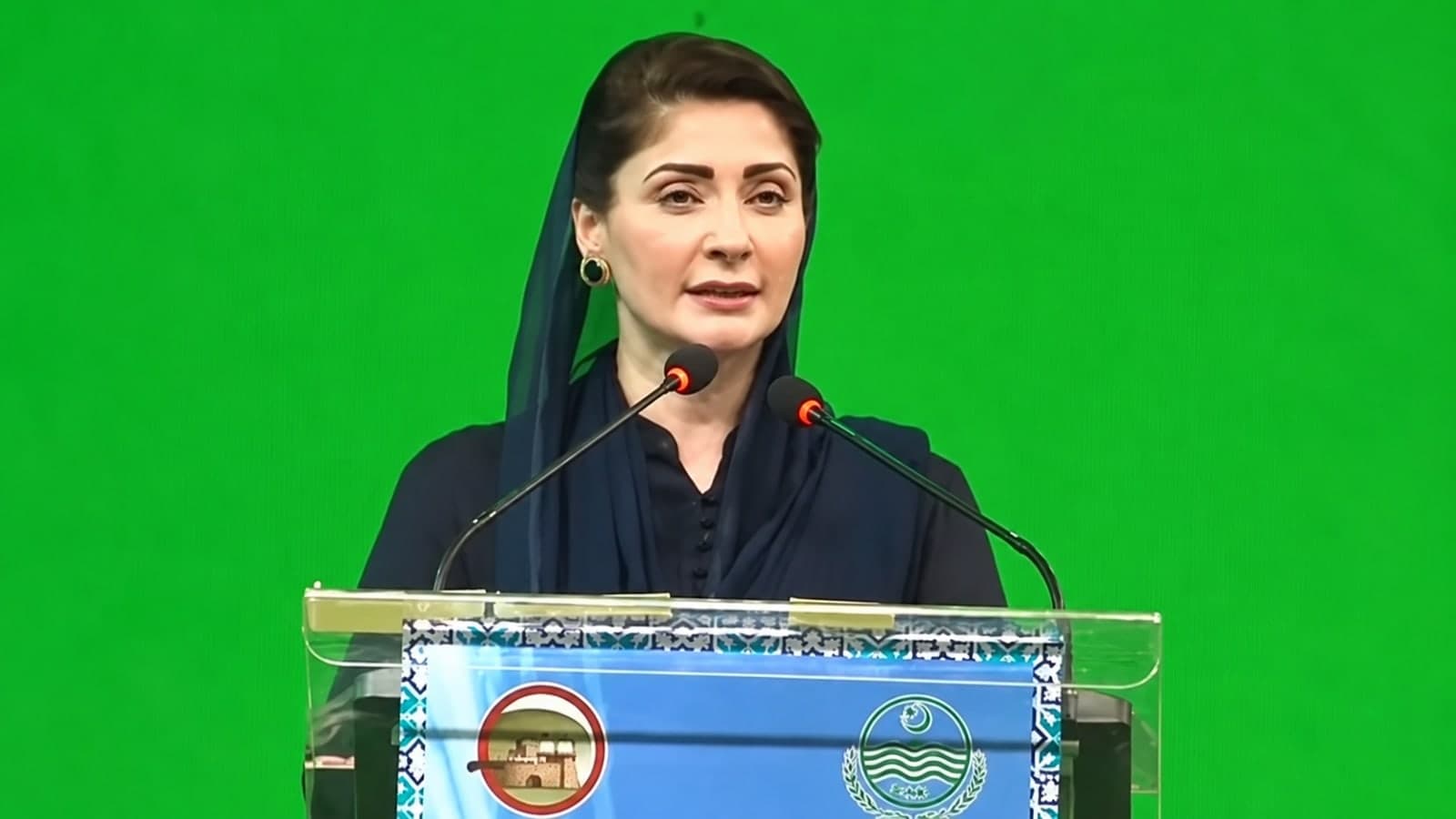
Punjab Local Government Minister Zeeshan Rafique inaugurated the new Civil Registration Management System (CRMS) on Friday, October 16, 2026, as part of the provincial government's Digital Punjab, Transparent Punjab initiative.
Developed through cooperation between the Punjab Local Government Department and the National Database and Registration Authority (NADRA), the system connects certificate processing with identity verification against NADRA's database.
Officials say the change will help prevent fake certificates, reduce opportunities for corruption and make government services more transparent.
The system will be introduced in phases across Punjab's union councils rather than becoming fully operational at every location simultaneously.
What Is Punjab's New Biometric Verification Requirement?
The new arrangement introduces biometric identity verification into the process of registering and issuing important civil certificates.
The affected services include birth registration, death registration and marriage registration.
Under the new system, the identity of the relevant applicant or authorised person is checked against NADRA's records before the certificate is issued.
Biometric verification typically involves comparing identifying physical characteristics, such as fingerprints, with information already held in an official identity database.
The purpose is to establish that the person requesting or authorising a registration is who they claim to be.
However, the government has not yet published a complete public procedure covering every category of applicant and every exceptional circumstance.
Citizens should therefore check the requirements at their local union council before visiting.
Punjab Introduces New Civil Registration Management System
The Civil Registration Management System is intended to modernise how essential life events are recorded.
Births, deaths and marriages form the foundation of a person's civil identity and family records.
Errors in these records can create difficulties when applying for identification documents, passports, educational admissions and other official services.
By integrating verification with NADRA's database, the government aims to make registrations more reliable and reduce opportunities for duplicate or fabricated entries.
The system also creates a more structured digital process for union council officials.
Its effectiveness will depend on reliable connectivity, trained staff and accessible arrangements for applicants who cannot complete ordinary biometric checks.
NADRA and Punjab Local Government Department Work Together
The project has been developed through collaboration between NADRA and the provincial Local Government Department.
NADRA maintains Pakistan's national identity database and provides identity verification services for numerous public and private functions.
The Local Government Department oversees civil registration arrangements administered through local government institutions.
Connecting these responsibilities can help officials compare applicant information with existing identity records.
The arrangement may also reduce the need to rely exclusively on manually checked documents.
Nevertheless, biometric verification should operate alongside other legal requirements for registering a birth, death or marriage.
A successful fingerprint match does not independently prove every detail of a civil event.
Supporting documents and authorised administrative review remain important.
Why the Government Is Introducing Biometric Checks
The provincial government says the main purpose of the reform is to prevent fraudulent civil registrations.
Fake or inaccurate certificates can create serious legal and administrative problems.
An incorrect birth record may affect a person's age, parentage or eligibility for official services.
An inaccurate death registration can cause difficulties involving family records, inheritance and other legal matters.
Marriage registration errors can also create disputes concerning identity and marital status.
By requiring an identity check, officials hope to make it harder for unauthorised people to submit false applications.
The new process is also intended to discourage intermediaries who exploit applicants by promising certificates through unofficial channels.
How Birth Certificate Applications Could Change
Parents and guardians applying for birth registration may now be required to complete biometric identity verification as part of the process.
The exact procedure will depend on the applicable registration rules and the local union council's implementation of the new system.
Applicants should expect officials to check their identity information against NADRA's database.
They may also need to present the documents required for the particular registration.
These requirements should not be confused with the separate process for obtaining a child's identity documents through NADRA.
Birth registration at the union council and NADRA's identity documentation services are related but distinct administrative functions.
Parents should confirm the current requirements before submitting an application.
What Changes for Death Certificates?
Death registration is an important legal process used to update official records after a person's death.
The new biometric system is intended to verify the identity of the relevant applicant or authorised person involved in registration.
It would be incorrect to assume that the deceased person must undergo biometric verification.
The government has not yet publicly detailed every procedure for death certificate applications under the new rollout.
Families may need to provide the required evidence of death and documents establishing their authority to apply.
The relevant union council should clarify the procedure for individual circumstances.
Accurate death registration is important for maintaining family records and completing various legal and administrative matters.
Marriage Certificate Verification Under the New System
Marriage certificates are also included in Punjab's biometric verification initiative.
The reform is intended to strengthen the reliability of marriage registration records and reduce opportunities for fraudulent entries.
Applicants may need to undergo identity checks during the relevant registration or issuance process.
However, the available announcement does not fully explain whether biometric checks will apply to both spouses in every case, to the applicant collecting a certificate, or to other authorised participants.
Those procedural details should be confirmed through official instructions.
The new system should not be interpreted as replacing the legal requirements governing marriage registration.
It is an additional identity-verification mechanism within the civil registration framework.
Rollout Will Take Place in Phases Across Punjab
The provincial government has announced that the new system will be expanded gradually to union councils across Punjab.
A phased rollout allows authorities to introduce equipment, software and staff training in stages.
It can also help identify technical problems before the system is used more widely.
However, phased implementation means that availability may differ between districts and union councils.
A service operating at one location may not yet be fully available at another.
Citizens should contact their relevant union council to confirm whether the biometric system has been activated.
The government has not provided a single confirmed date by which every union council will be operating the new process.
Will Citizens Need to Visit NADRA Offices?
The announcement identifies union councils as the locations where the new civil registration system will operate.
It does not establish that every applicant must separately visit a NADRA registration centre.
The biometric checks are intended to use NADRA's identity database through the integrated system.
Some applicants may nevertheless need to resolve identity-record issues with NADRA before their certificate application can proceed.
For example, a mismatch between identity information and an existing record may require correction.
The exact referral process has not been publicly explained in the announcement.
Applicants should avoid paying private agents who claim that an additional NADRA visit is compulsory without official confirmation.
What Happens If Fingerprint Verification Fails?
Biometric systems can sometimes encounter problems because of damaged fingerprints, age-related changes, technical faults or database mismatches.
The government's initial announcement does not specify a complete alternative procedure for applicants who cannot complete fingerprint verification.
This is an important issue for older residents, people with certain disabilities and individuals whose fingerprints are difficult to capture.
A reliable public service needs a lawful method for handling genuine applicants when ordinary biometric checks fail.
Citizens experiencing such difficulties should request guidance from the relevant union council or NADRA.
They should not assume that an unsuccessful fingerprint scan permanently prevents them from obtaining a certificate.
Can Citizens Still Use the Pak-ID Application?
Punjab and NADRA previously announced arrangements allowing residents to access certain civil registration services through NADRA's Pak-ID application.
The new biometric initiative is part of the wider effort to digitise civil registration.
However, the October 2026 announcement does not fully explain how the new biometric requirement will interact with every existing online application service.
It would therefore be premature to claim that all certificates can now be obtained entirely online without visiting an office.
Similarly, it would be incorrect to assume that all digital services have been discontinued.
Applicants should follow the current instructions displayed through official NADRA services and their local union council.
Earlier Changes Made Birth and Death Registration Easier
Punjab has introduced several reforms to civil registration before the latest biometric initiative.
In July 2026, the province announced changes intended to simplify birth and death registration through an online system.
Those changes included relief from certain registration and certificate fees for qualifying cases.
The government also revised procedures for delayed registrations.
In September 2026, additional relief was announced for late birth and death registration under amended rules.
These earlier measures focused on accessibility and administrative convenience.
The new biometric system addresses a different issue: verifying the identity of people participating in the registration process.
Together, the reforms represent a broader effort to modernise local government services.
Will Certificate Fees Increase?
The announcement introducing biometric verification does not establish a new province-wide fee for biometric checks.
Citizens should not assume that a private agent or intermediary is entitled to collect additional money simply because the verification process has changed.
Existing fee exemptions and registration rules may still apply to qualifying cases.
However, charges can differ depending on the type of service and the applicable regulations.
Applicants should request an official fee schedule and receipt for any payment.
Any new charge should be supported by an official government notification.
How the System Could Reduce Fake Certificates
Biometric verification can make it harder for someone to impersonate another person during a certificate application.
A database-linked identity check can help officials identify inconsistencies and reduce reliance on informal verification.
Digital records may also make administrative activity easier to review.
However, technology alone cannot eliminate fraud.
Officials must still verify supporting documents, follow legal procedures and protect sensitive personal information.
The quality of the system will depend on both technical controls and responsible administrative practices.
Strong oversight is necessary to prevent misuse and ensure that legitimate applicants are not unfairly delayed.
Why Accurate Civil Records Matter
Civil registration is essential for individuals, families and public institutions.
Birth certificates help establish a person's identity and age.
Death certificates support the accurate updating of official records and are often needed for legal and administrative purposes.
Marriage certificates document a legally registered relationship.
When these records contain errors or fraudulent information, the consequences can extend across multiple government services.
Reliable records also help authorities plan public services and understand population-related needs.
The new system aims to improve confidence in these foundational documents.
What Citizens Should Do Before Applying
Applicants should first identify the union council responsible for their registration.
They should confirm whether biometric verification is operational at that location.
Before visiting, they should check which identity documents and supporting records are required for their specific application.
The details may differ for births, deaths and marriages.
Citizens should also verify that their NADRA identity information is accurate.
If an official record contains an error, it may be necessary to follow the appropriate correction procedure.
Applicants should use authorised government channels and obtain receipts for any required payments.
Frequently Asked Questions
1. Is biometric verification mandatory for birth certificates in Punjab?
Punjab has introduced biometric verification into the registration and issuance of birth, death and marriage certificates. Implementation is being expanded in phases across union councils.
2. Does the new rule also apply to marriage certificates?
Yes. Marriage registration and certificate issuance are included in the new civil registration initiative.
3. Must applicants visit a NADRA office?
Not necessarily. The system is designed for union councils using NADRA's database. Applicants should confirm local procedures before visiting.
4. Is biometric verification available at every union council?
The government has announced a phased rollout, so availability may vary by location.
5. Has Punjab announced a new biometric verification fee?
The initial announcement does not establish a separate new province-wide biometric fee. Applicants should follow official fee schedules.
Conclusion
Punjab's introduction of biometric verification for birth, death and marriage certificates represents another step towards digital civil registration.
The system is designed to strengthen identity checks, discourage fraudulent registrations and improve transparency in union council services.
Its success will depend on effective implementation, reliable technology and clear procedures for citizens who experience verification difficulties.
As the rollout expands, residents should rely on official instructions from their union councils, NADRA and the Punjab Local Government Department.
Last Updated: October 17, 2026.
What happens next for national
We will keep this page updated as the story develops rather than publishing a near-duplicate at a new address. Follow National for related coverage.
Get the Verified Brief
One email each morning with the stories we checked overnight.
Spotted an error? Read our corrections policy and tell the newsroom.