Okara Food Street Completed at Reported Cost of Rs. 800 Million
Okara Food Street has reportedly been completed at a cost of Rs. 800 million. Explore its potential impact on tourism and local businesses.

By News Desk · Verified Pakistan News Desk
Published · Updated · 8 min read
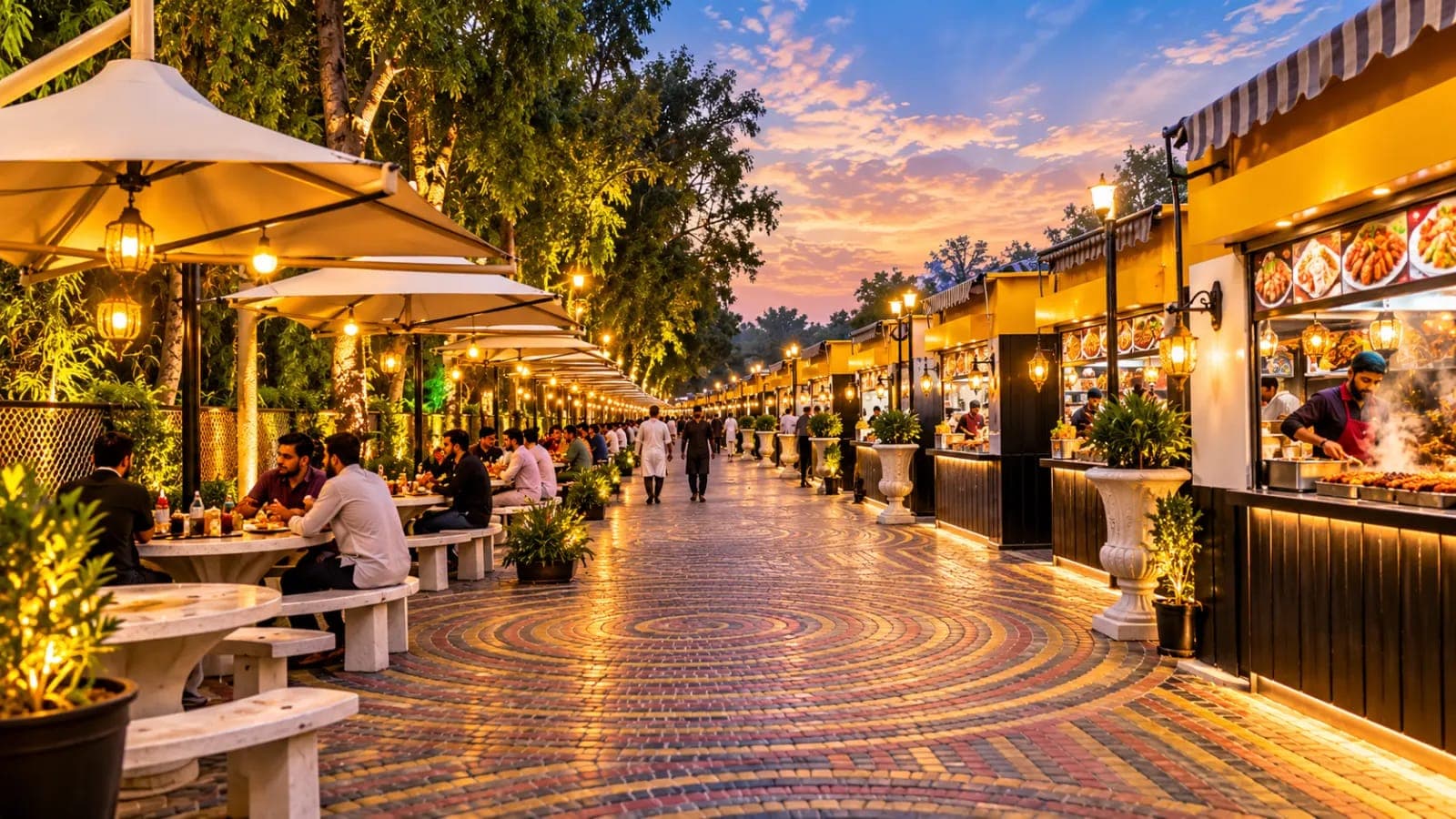
A food street development project in Okara, Punjab, has reportedly been completed at a cost of Rs. 800 million, marking a significant investment in the city's public and commercial infrastructure.
The development was reported on October 17, 2026, and brings attention to the growing role of dedicated food and recreational spaces in Punjab's urban planning.
Food streets can provide organised locations for restaurants, small vendors and families while creating opportunities for local employment and commercial activity.
However, the project's long-term value will depend on its facilities, accessibility, maintenance and ability to attract sustained public interest.
Okara Food Street Project: What Has Been Reported?
The latest report identifies the completion of a food street project in Okara with a reported expenditure of Rs. 800 million.
The figure is equivalent to Rs. 80 crore.
The project represents a substantial reported allocation for a public food and recreation destination outside Punjab's largest metropolitan centres.
The completion announcement is an important development, although details such as the exact project footprint, number of commercial units, operating arrangements and formal opening schedule require confirmation from the responsible authorities.
Completion of construction should also be distinguished from the start of full commercial operations.
Why a Dedicated Food Street Matters for Okara
Okara is an important district in Punjab with established agricultural, commercial and transport activity.
A dedicated food street can provide a new gathering place for residents who want access to restaurants, refreshments and family recreation in a concentrated area.
Such spaces can also help local businesses reach customers who may not otherwise visit individual restaurants located across different parts of the city.
The success of a food street is not determined solely by the number of outlets it contains.
Cleanliness, affordability, safety and ease of access are equally important to its popularity.
Understanding the Reported Rs. 800 Million Cost
The reported Rs. 800 million expenditure is one of the main features of the development.
For residents, the key question is how the investment translates into usable public facilities and economic opportunities.
Large urban projects can involve construction, utility connections, public spaces, road improvements, lighting, drainage and other supporting infrastructure.
However, the specific allocation of Okara Food Street's reported budget should not be assumed without an official cost breakdown.
A detailed public account would help establish how much was spent on construction and how much was allocated to related development works.
Potential Benefits for Local Restaurants
A food street can create opportunities for restaurants and food vendors to serve customers in a shared destination.
Businesses may benefit from greater foot traffic, particularly during evenings, weekends and public holidays.
A concentrated commercial environment can also encourage businesses to improve service quality and develop distinctive menus.
Nevertheless, the financial benefits depend on rental arrangements, customer demand, operating costs and the number of participating vendors.
Smaller businesses may need affordable commercial terms to compete effectively with established restaurant operators.
Opportunities for Small Businesses
The economic impact of a food street can extend beyond restaurants.
Local suppliers, delivery services, cleaning contractors, maintenance workers and packaging businesses may also benefit from commercial activity.
Food vendors typically depend on supply chains for vegetables, meat, dairy products, bakery items and beverages.
If local procurement is encouraged, more of the project's economic activity could remain within the district.
However, projected job creation or business revenue figures should not be presented as established results without official evidence.
Can Okara Food Street Attract Tourists?
Food tourism has become an important part of how cities promote their local identity.
Visitors often look for convenient places to experience regional dishes, traditional snacks and family-friendly dining.
Okara could potentially benefit from a well-managed food destination that offers both familiar Pakistani cuisine and local specialities.
A successful food street may encourage visitors travelling through the district to spend more time in the city.
Its tourism potential will depend on the quality of the experience rather than the construction cost alone.
The Importance of Parking and Accessibility
A food street needs practical access arrangements to function smoothly.
Visitors may arrive by car, motorcycle, rickshaw or public transport.
Poor parking management can create congestion and inconvenience for nearby residents and businesses.
Pedestrian safety is also important, especially in areas that attract families during busy evening hours.
Clear entry points, accessible pathways and suitable arrangements for people with disabilities can improve the overall experience.
The precise accessibility facilities at Okara Food Street should be checked through an official project description or site inspection.
Food Safety and Hygiene Standards
Food safety is essential for any public dining destination.
Vendors need appropriate arrangements for clean water, food storage, waste disposal and hygienic preparation.
Effective monitoring can help reduce risks associated with unsafe food handling.
In Punjab, food businesses operate within the wider regulatory environment administered by the Punjab Food Authority.
A food street's management should ensure that participating businesses understand and meet the relevant requirements.
Customers are more likely to return to a destination where cleanliness and food quality are consistently maintained.
Waste Management and Environmental Concerns
Concentrated dining areas can generate significant quantities of food waste, packaging and wastewater.
Without proper management, these issues can undermine the attractiveness of a newly developed public space.
Regular cleaning schedules, sufficient waste bins and reliable collection arrangements are therefore important.
Environmental planning should also consider drainage, public sanitation and the condition of surrounding streets.
Long-term maintenance funding matters just as much as initial construction expenditure.
Public Safety and Family Facilities
Families often choose dining destinations based on safety, comfort and convenience.
Adequate lighting, clearly marked pedestrian areas and visible management arrangements can contribute to a better visitor experience.
Public seating, toilets and other basic facilities can also influence how long visitors remain at the destination.
Where such facilities are included, their upkeep should be treated as an ongoing responsibility.
The presence and specifications of these amenities at the Okara project require confirmation rather than assumption.
How the Project Could Affect Nearby Markets
A new food street may change how customers move through surrounding commercial areas.
Nearby shops could benefit from additional visitors, while existing food businesses may face new competition.
The overall impact will depend on the location of the development and the way commercial activity is managed.
Local authorities may need to coordinate traffic arrangements, waste collection and public-space maintenance with neighbouring markets.
Successful urban development should support the wider business environment rather than create avoidable disruption.
Why Project Transparency Matters
Public infrastructure projects are most valuable when residents can understand their costs and outcomes.
For the Okara Food Street project, useful information would include the approved budget, final expenditure, contractor details and operational management model.
Authorities could also clarify whether commercial spaces will be leased, licensed or managed through another arrangement.
Transparent reporting would make it easier to assess whether the project delivers the intended public benefits.
It would also help local businesses understand how they can participate.
What Happens After Construction?
A completed physical development still needs an effective operational plan.
The next practical steps may involve confirming the opening arrangements, allocating commercial spaces and establishing maintenance responsibilities.
Visitors will also need reliable information about operating hours, parking and available facilities.
If the project is already operational, the relevant authorities should publish updated visitor information.
The long-term success of Okara Food Street will depend on sustained management, affordable services and a positive experience for residents.
Frequently Asked Questions
1. How much did Okara Food Street cost?
The project has reportedly been completed at a cost of Rs. 800 million, equivalent to Rs. 80 crore.
2. Is Okara Food Street officially open to visitors?
The supplied report describes the project as completed. Its confirmed public opening date and operating hours should be checked with local authorities.
3. Where is Okara Food Street located?
The project is in Okara, Punjab. Its precise entrance and visitor directions should be confirmed through official local information.
4. Will the project create jobs?
A food street can support jobs in restaurants, retail, cleaning and related services. A verified employment figure for this particular project has not been established.
5. Why is the project important for Okara?
It could provide a dedicated dining and recreation destination while supporting local commercial activity, subject to effective management and public access.
Conclusion
The reported completion of Okara Food Street at a cost of Rs. 800 million represents a potentially significant addition to the city's public and commercial infrastructure.
The development could support local restaurants, small businesses and recreational activity if it is operated effectively.
However, the real measure of success will be whether residents receive safe, accessible, affordable and well-maintained facilities.
Further official details on the project's final expenditure, opening arrangements and management structure will be important for assessing its long-term public value.
Last Updated: October 17, 2026.
What happens next for national
We will keep this page updated as the story develops rather than publishing a near-duplicate at a new address. Follow National for related coverage.
Get the Verified Brief
One email each morning with the stories we checked overnight.
Spotted an error? Read our corrections policy and tell the newsroom.