GEPCO Seeks Rs. 25 Billion Capital Increase Ahead of Privatization
GEPCO reportedly seeks a Rs. 25 billion increase in its capital limit as Pakistan advances the company's privatization process.

By News Desk · Verified Pakistan News Desk
Published · 8 min read
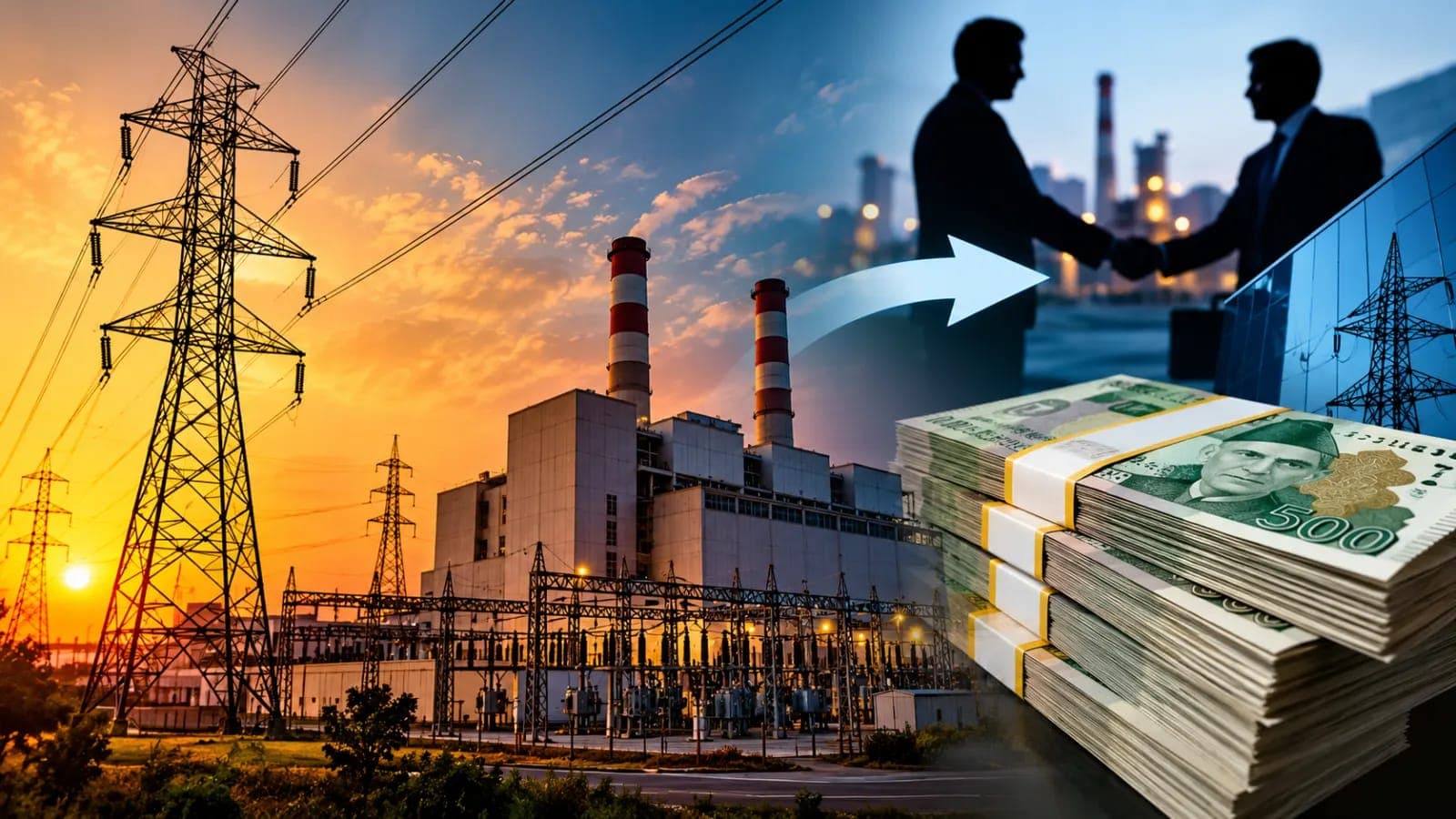
Gujranwala Electric Power Company (GEPCO) is reportedly seeking a Rs. 25 billion increase in its authorised capital limit as Pakistan moves forward with plans to privatise major electricity distribution companies.
The proposed adjustment, reported on October 17, 2026, comes during a broader restructuring programme designed to prepare selected state-owned power utilities for private investment.
Although an increase in authorised capital can provide a company with greater financial flexibility, it does not automatically mean the government has injected new money into the business or that the company has issued additional shares.
The development is particularly significant because GEPCO is among the first electricity distribution companies selected for privatisation.
GEPCO Capital Increase: What Has Been Reported?
The latest report indicates that GEPCO wants to increase its authorised capital ceiling by Rs. 25 billion before the privatisation process reaches its next stage.
Authorised capital refers to the maximum share capital a company is permitted to issue under its corporate arrangements.
An increase in this ceiling can support future restructuring, share issuance or changes in ownership arrangements, depending on the approvals obtained and the transaction structure adopted.
However, the reported proposal should not be confused with a completed investment or a direct increase in the company's cash reserves.
The final treatment of the proposed increase will depend on the relevant corporate approvals and regulatory requirements.
Why GEPCO Is Preparing for Privatization
Pakistan has been pursuing the privatisation of selected electricity distribution companies as part of wider efforts to reform the power sector.
The government has identified GEPCO, Faisalabad Electric Supply Company (FESCO) and Islamabad Electric Supply Company (IESCO) for an initial phase of transactions.
These companies were selected for a process intended to attract private-sector participation and improve commercial performance.
The government has proposed offering between 51 percent and 100 percent of the shareholding in individual distribution companies, together with management control.
This means prospective investors may ultimately acquire a controlling interest, subject to the final transaction terms and approvals.
What Is Authorised Share Capital?
Authorised share capital is the maximum value of shares a company can issue under its governing corporate documents.
It differs from issued capital, which represents shares that have actually been issued.
It also differs from paid-up capital, which generally reflects the amount received or credited against issued shares.
For example, a company may have permission to issue shares up to a certain limit without having issued shares representing that entire amount.
Increasing the authorised limit creates additional capacity for possible future transactions.
It does not, by itself, establish that new shares have been sold or that the company has received additional financing.
How the Rs. 25 Billion Proposal Fits Into Earlier Plans
Earlier reporting on Pakistan's power-sector restructuring indicated that GEPCO's authorised capital was expected to reach Rs. 75 billion as part of preparations involving three major distribution companies.
The same restructuring discussions included proposed authorised capital limits of Rs. 100 billion for FESCO and Rs. 125 billion for IESCO.
Together, those figures represented a combined authorised capital ceiling of Rs. 300 billion for the three companies.
The latest reported Rs. 25 billion increase should therefore be examined against the previously announced restructuring framework.
The company's existing authorised capital, the proposed revised ceiling and the precise approval status should be confirmed through the relevant corporate documentation before the transaction is treated as final.
Government Plans Restructuring Before Sale
Privatising an electricity distribution company is more complicated than transferring its shares to a new owner.
These businesses operate extensive networks of transmission connections, distribution lines, transformers, substations and customer-service systems.
They also have existing liabilities, employee obligations, regulatory responsibilities and long-term investment requirements.
The government has therefore been working on restructuring arrangements intended to separate or reorganise selected assets and liabilities.
Earlier proposals included establishing a special-purpose vehicle to manage certain financial and structural matters associated with the three distribution companies.
Such arrangements are designed to clarify what prospective buyers would acquire and what obligations would remain elsewhere.
Nine Parties Prequalified for GEPCO
The GEPCO privatisation process has already attracted interest from Pakistani and international investors.
On October 5, 2026, the Privatisation Commission Board prequalified nine parties to proceed in the process.
The interested groups included Turkish energy businesses and Pakistani corporate investors or consortia.
The prequalification followed the submission of 11 expressions of interest.
Prequalified investors were expected to proceed to detailed due diligence, allowing them to examine relevant commercial, technical, financial and legal information.
Prequalification is an important step, but it is not equivalent to a final purchase agreement.
What Potential Buyers Will Examine
Prospective investors will need to understand GEPCO's financial position and operating performance before submitting binding offers.
Their assessments may include electricity distribution losses, customer payment recovery, network investment requirements and regulatory arrangements.
They may also examine employee liabilities, the condition of existing infrastructure and the company's ability to finance future upgrades.
Electricity distribution is a regulated business, so prospective owners must also consider the role of the National Electric Power Regulatory Authority (NEPRA).
A company's financial structure can affect investor confidence, but it is only one part of the investment decision.
Could Privatization Improve Electricity Services?
Supporters of private-sector participation argue that new ownership and management arrangements can encourage stronger operational accountability.
Potential improvements may include faster maintenance, more efficient billing, better customer service and investment in modern distribution technology.
However, these outcomes are not automatic.
Results depend on the quality of the transaction, the obligations imposed on the operator and the effectiveness of regulatory oversight.
Consumers will ultimately judge reform by the reliability of electricity supply, complaint resolution and the fairness of billing practices.
Will GEPCO Electricity Bills Increase?
A proposed increase in authorised share capital does not directly establish any increase in electricity tariffs.
Consumer electricity prices are determined through separate regulatory and government processes.
Any future tariff changes would need to be considered under the applicable legal and regulatory framework.
Similarly, privatisation does not necessarily mean that a company can independently impose whatever electricity rates it chooses.
Consumers should rely on official tariff notifications rather than assumptions based on corporate restructuring announcements.
What Happens to GEPCO Employees?
Employee-related matters are an important part of the privatisation process.
Prospective buyers and government authorities may need to address pensions, employment conditions and other existing obligations.
The treatment of these issues depends on the final restructuring and transaction documents.
No specific change to GEPCO employees' employment status should be assumed solely from the reported capital increase proposal.
Official communications will be necessary to establish the position of existing workers.
What Happens Next in the Privatization Process?
The next stages may include further corporate restructuring, completion of investor due diligence and preparation for competitive bidding.
Any required approvals concerning GEPCO's authorised capital will also need to follow the relevant corporate procedures.
Investors will evaluate the business before deciding whether to submit offers.
A successful transaction would require agreement on the sale structure, regulatory requirements and other applicable conditions.
Until those stages are completed, GEPCO remains part of an ongoing privatisation process rather than a completed sale.
Frequently Asked Questions
1. How much does GEPCO want to increase its capital limit?
GEPCO is reportedly seeking a Rs. 25 billion increase in its authorised capital limit ahead of privatisation.
2. Has GEPCO already been privatized?
No completed sale has been established by the available reporting. The company has been progressing through the investor selection and due diligence stages.
3. Does increasing authorised capital mean GEPCO has received Rs. 25 billion?
No. An increase in authorised capital permits potential future share issuance but does not automatically mean the company has received that amount.
4. How many investors were prequalified for GEPCO?
The Privatisation Commission Board prequalified nine parties in October 2026.
5. Will the proposal increase electricity bills?
The capital proposal does not itself change electricity tariffs. Tariff decisions are governed by separate regulatory processes.
Conclusion
GEPCO's reported plan to raise its authorised capital limit by Rs. 25 billion highlights the financial restructuring associated with Pakistan's electricity distribution privatisation programme.
The proposal comes as prequalified investors assess the company's financial and operational position.
The central questions now concern the final corporate approvals, the structure of the sale and the protections provided to electricity consumers and employees.
The outcome will depend on how effectively the government balances investor participation with public accountability and reliable electricity services.
Last Updated: October 17, 2026.
What happens next for national
We will keep this page updated as the story develops rather than publishing a near-duplicate at a new address. Follow National for related coverage.
Get the Verified Brief
One email each morning with the stories we checked overnight.
Spotted an error? Read our corrections policy and tell the newsroom.