
RAMageddon: Why AI Is Making Your Next Smartphone $100 More Expensive
In 2026, your next smartphone could cost $100 more with no better camera or faster chip because AI data centres bought up the world's memory. GlobalData calls it RAMageddon.

By News Desk · Verified Pakistan News Desk
Published · 7 min read

RAMageddon is here, and it is coming for your wallet. In 2026, your next smartphone could cost $100 more with no better camera or faster chip because AI data centres bought up the world's memory.
The phrase comes from a GlobalData report published on 1 October 2026, bluntly titled "AI-Driven RAMageddon Triggers First Wave of Smartphone Price Hikes". Its message is simple and uncomfortable: the artificial intelligence boom is consuming memory chips on a scale the industry has never seen, memory manufacturers are selling to the highest bidder, and phone makers stuck at the back of the queue are passing the bill on to you. It is the kind of story that connects two worlds most people never link together: the invisible infrastructure of artificial intelligence, and the price tag on the phone in your hand.
How AI Data Centres Sparked a Memory Shortage
Every AI chatbot answer, every generated image, every voice assistant reply runs on servers packed with memory. Training and operating large AI systems demands enormous quantities of high-bandwidth memory, and the data-centre buildout feeding that demand is on a historic scale. Alphabet and Meta alone expect combined capital spending of $325–350 billion in 2026, with much of it going into servers and data-centre infrastructure. Every dollar of that spending turns into purchase orders and a large share of those orders is for memory.
Memory manufacturers looked at this landscape and made a straightforward business decision. Why sell DRAM and NAND to phone makers at thin margins when AI customers are queuing up to pay premium prices for high-margin AI memory? So production priority shifted. The consequence is a smaller slice of the world's DRAM and NAND supply left for consumer electronics.
This is not a factory fire or a shipping bottleneck. It is a deliberate, profit-driven reallocation of supply toward the deepest pockets in tech. And because every smartphone needs memory to function, phones feel the squeeze almost immediately.
We have seen chip shortages before, but this one is different. Past shortages were usually triggered by a disruption a fire, a drought, a pandemic. RAMageddon is driven by demand, not disaster, and demand of this kind doesn't disappear overnight. As long as the AI buildout continues at full speed, the pressure on memory supply and on your phone bill stays.
Which Phones Got Hit by the Price Hikes
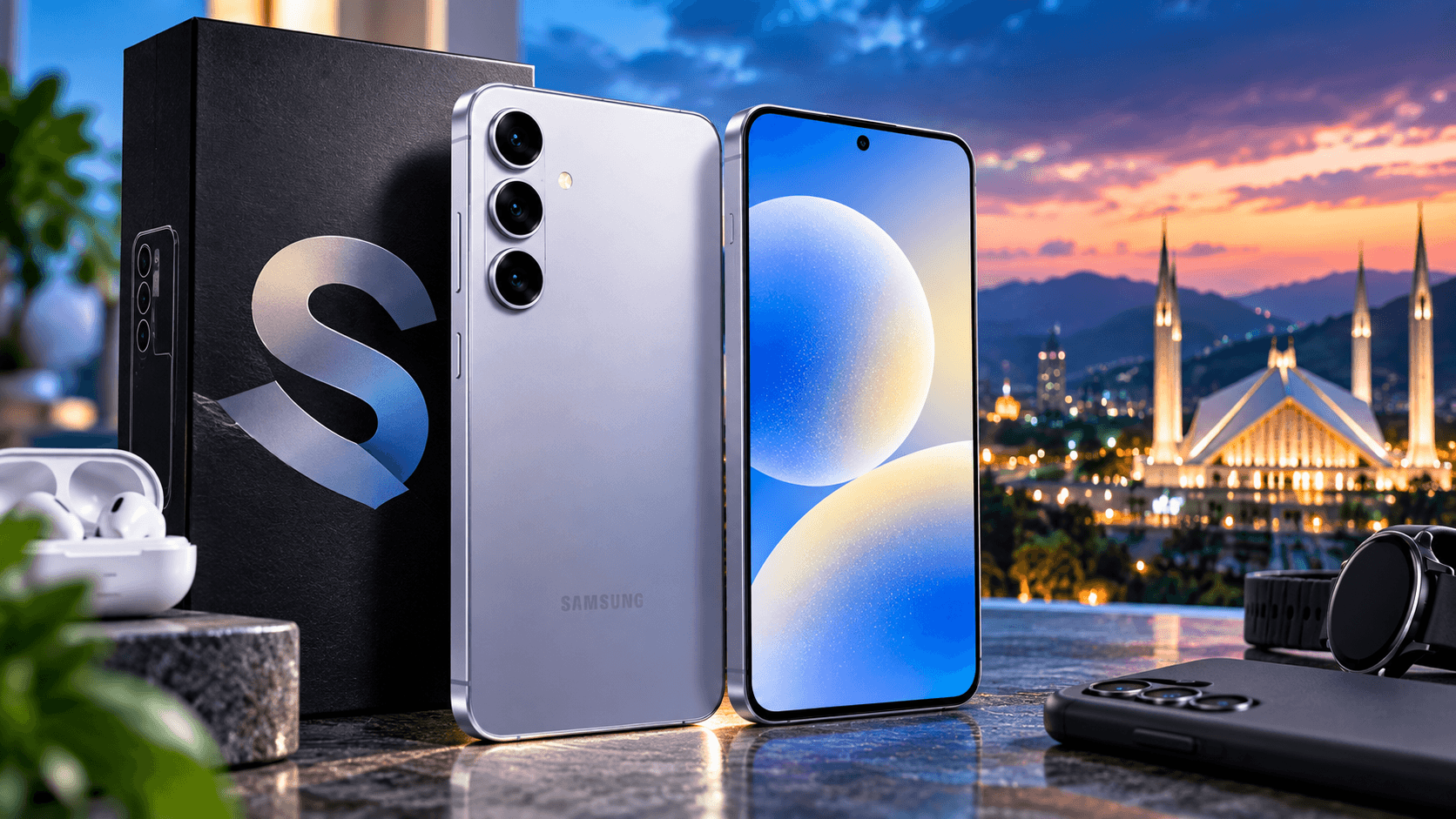
The first wave landed exactly where GlobalData said it would. Apple, Google and Samsung the three dominant names in premium smartphones each raised prices by roughly $100 on their flagship devices. Foldables were hit with similar increases, pushing an already expensive category even further from the average buyer's reach. The headline example is Apple's first foldable, the iPhone Duo, which tops out at a staggering $3,199 a price point that would have been unthinkable for a phone just a few years ago.
Phone makers were not, however, the first to surrender. PC and laptop manufacturers raised their prices earlier in the cycle. Smartphone brands held the line through the first half of the year, absorbing the rising component costs for as long as they could. The dam finally broke with the summer 2026 flagship launches the moment new models arrived carrying the new economics of memory inside them, and the higher price tags to match.
Why Phone Makers Can't Simply Absorb the Cost
It is tempting to ask why billion-dollar companies don't just eat the extra cost. The honest answer is that memory is not an optional extra it is a core component in every phone shipped, and when a core component gets more expensive across the entire industry, there is nowhere to hide.
Switching suppliers doesn't help when the shortage is global. Every manufacturer is drawing from the same shrinking pool of DRAM and NAND. Brands could theoretically cut the amount of memory or storage in their phones, but that would mean selling you a worse product slower multitasking, less room for your photos and buyers would notice instantly.
The fact that Apple, Google and Samsung all moved their prices at roughly the same time tells its own story. This doesn't look like one brand taking advantage; it looks like an entire industry facing the same cost pressure and responding the only way it can by charging more.
There is also a longer game being played. Brands that raise prices too aggressively risk pushing buyers toward rivals, or toward simply keeping their old phones longer. But with every major player facing the same memory costs, there is little room for anyone to undercut the rest. Expect marketing to quietly shift emphasis more talk about AI features and cameras, less talk about why the box costs what it does.
What RAMageddon Means for Buyers in Pakistan
For buyers in Pakistan, the pain is sharper. Imported phones already carry heavy taxes and currency costs, so a $100 global increase translates into a noticeably bigger jump in rupees at the local shop. If you were planning to upgrade, here is how to think about it.
First, don't assume waiting will fix things. As long as AI demand keeps memory supply tight, prices are unlikely to drift back down on their own. Second, look seriously at mid-range phones. The gap between a mid-range device and a flagship has narrowed for years, and in a RAMageddon market the mid-range is where the value lives. Third, compare storage variants carefully when memory itself is the expensive part, the price jump between configurations can be steeper than usual, so buy only the storage you'll actually use. Finally, consider last year's flagships from trusted sellers: you get premium hardware at a discount, and in this market that discount matters more than ever. One more practical tip: if you're buying in installments, factor the higher price into your monthly budget honestly a stretched plan on an overpriced phone is the worst outcome of this cycle.
RAMageddon is a reminder that the AI revolution has physical costs. The intelligence in the cloud runs on the same memory chips as the phone in your pocket and right now, the cloud is outbidding you. Until memory supply catches up with AI demand, expect smartphones to stay expensive, and shop accordingly.
FAQs
What exactly is RAMageddon?
RAMageddon is the name given to the AI-driven memory shortage reshaping electronics prices in 2026. The term comes from a GlobalData report published on 1 October 2026, which warned that enormous AI demand for memory was triggering the first wave of smartphone price hikes. In short: data centres are buying up memory, and phone buyers are paying the price.
How much more expensive are smartphones now?
Apple, Google and Samsung have each raised prices by roughly $100 on premium smartphones, with similar increases applied to foldables. The most extreme example is Apple's first foldable, the iPhone Duo, which tops out at $3,199. The reported increases so far centre on premium smartphones and foldables, which is one reason mid-range phones currently offer better value.
Why are AI data centres blamed for the shortage?
Because of the sheer scale of their spending. Alphabet and Meta alone expect combined capital expenditure of $325–350 billion in 2026, much of it on servers and data-centre infrastructure which means massive memory orders. Memory makers have responded by prioritising high-margin AI memory, leaving less DRAM and NAND available for phones and computers.
Will smartphone prices come back down?
Nobody can say for sure. Prices will ease only when memory supply catches up with AI-driven demand, and with tech giants still pouring hundreds of billions into data centres, that rebalancing may take a while. For now, the safest assumption is that elevated prices are here to stay through the current cycle.
I live in Pakistan should I buy a phone now or wait?
If you need a phone, buying sooner is generally wiser than waiting for prices to fall, since the shortage shows no sign of easing. Focus on mid-range models or previous-year flagships, compare prices across sellers, and choose a storage size that fits your real usage. And always buy from a trusted seller with proper warranty in an expensive market, a bad purchase hurts twice as much.
What happens next for tech
We will keep this page updated as the story develops rather than publishing a near-duplicate at a new address. Follow Tech for related coverage.
Get the Verified Brief
One email each morning with the stories we checked overnight.
Spotted an error? Read our corrections policy and tell the newsroom.